

Animals in the Philippines: What You Can Spot, Learn, and Collect
Philippines wildlife guide: Philippine eagles in Mindanao, tarsiers on Bohol, whale sharks at Donsol, tamaraw on Mindoro, plus the geckos and sparrows users log daily.
Quick answer
Start with the direct answer, then use the sections below to see why the location matters and which animals are actually realistic to spot there.
The Philippines is an endemic-species hotspot: the Philippine eagle and tarsier, the tamaraw buffalo of Mindoro, the Philippine crocodile and the Visayan warty pig are found nowhere else. Offshore, whale sharks at Donsol and Oslob, thresher sharks at Malapascua and dugongs off Palawan make it one of Asia's best marine wildlife destinations. Day to day, AnimalDex users log house geckos, tree sparrows, ants and the paddy and garden insects of Calabarzon.
Seven thousand islands cut off from mainland Asia for millions of years produced a fauna that is mostly found nowhere else. Over half the country's mammals and a third of its birds are endemic, and the headline species, the eagle, the tarsier, the tamaraw and the cloud rats, look like nothing else alive.
The flip side is that most of that fauna lives in shrinking forest and takes effort to see. The everyday Philippines, as logged by AnimalDex users in Calabarzon, Metro Manila and the Visayas, is house geckos on kitchen walls, tree sparrows on power lines, apple snails in the paddies and a long list of moths, beetles and jumping spiders.
Start with these animals
Why this location matters
Good location pages explain why the place is worth your time, not just which names belong on a destination checklist.
The Philippines has lost more than 90 percent of its original forest, and the Philippine eagle, with fewer than 400 pairs, is the symbol of what remains. Every forest reserve visit and every logged sighting of an endemic is a small vote for the parks that still hold them.
The country is also where marine wildlife tourism is being worked out in public. Donsol's whale shark model, built on strict no-touch rules, is the one conservationists point to; Oslob's hand-feeding is the one they argue about. Knowing the difference matters before you book.
Where to look
Wildlife map of Philippines
This guide covers the region shown below. Zoom in to get your bearings before planning a trip.
Positions are geocoded from OpenStreetMap. Habitat access and opening times change — check locally before travelling. Smaller pins are public AnimalDex captures, placed to the nearest kilometre.
Field proof
Found in Philippines by AnimalDex users
Real captures logged in the AnimalDex app inside this area and shared publicly by their collectors, with the animal confirmed by the app's identification. Places are shown to the nearest region, never the exact spot.
- 58
- public captures
- 42
- species recorded
- 16
- collectors
- 57
- wild sightings
Recent captures from the field
Species people have actually logged here
Every name links to its species guide. The count is how many public captures of that animal sit inside this area.
- Black Ant4 captures
- Common House Gecko4 captures
- Eurasian Tree Sparrow4 captures
- Cockroach3 captures
- House Fly2 captures
- Mealworm Beetle2 captures
- Muscovy Duck2 captures
- Weevil2 captures
- Winter White Dwarf Hamster2 captures
- Apple Snail1 capture
- Black Skirt Tetra1 capture
- Campbell's Dwarf Hamster1 capture
- Central Bearded Dragon1 capture
- Common Bluetail1 capture
- Common Earthworm1 capture
- Common Fruit-piercing Moth1 capture
- Darkling Beetle1 capture
- Earwig1 capture
- Eupterote Fabia Moth1 capture
- Fruit Fly1 capture
- Giant Gourami1 capture
- Gold Tail Moth1 capture
- Goldfish1 capture
- Guinea Pig1 capture
- Jumping Spider1 capture
- Mosquito1 capture
- Orb-weaver Spider1 capture
- Oriental Latrine Fly1 capture
- Pantropical Jumping Spider1 capture
- Plume Moth1 capture
- Praying Mantis1 capture
- Red Junglefowl1 capture
- Red-bellied Piranha1 capture
- Red-eared Slider1 capture
- Sac Spider1 capture
- Semi-slug1 capture
- Termite1 capture
- Tick1 capture
- Tobacco Grasshopper1 capture
- Trashline Orb-weaver1 capture
Collectors choose to share these captures on Discover and can withdraw them at any time. Coordinates are rounded to about a kilometre and refreshed with each site build.
Animals to spot
These are intentionally practical species picks, balancing accessibility, excitement, and what travelers can realistically notice in the location.
Philippine EagleA
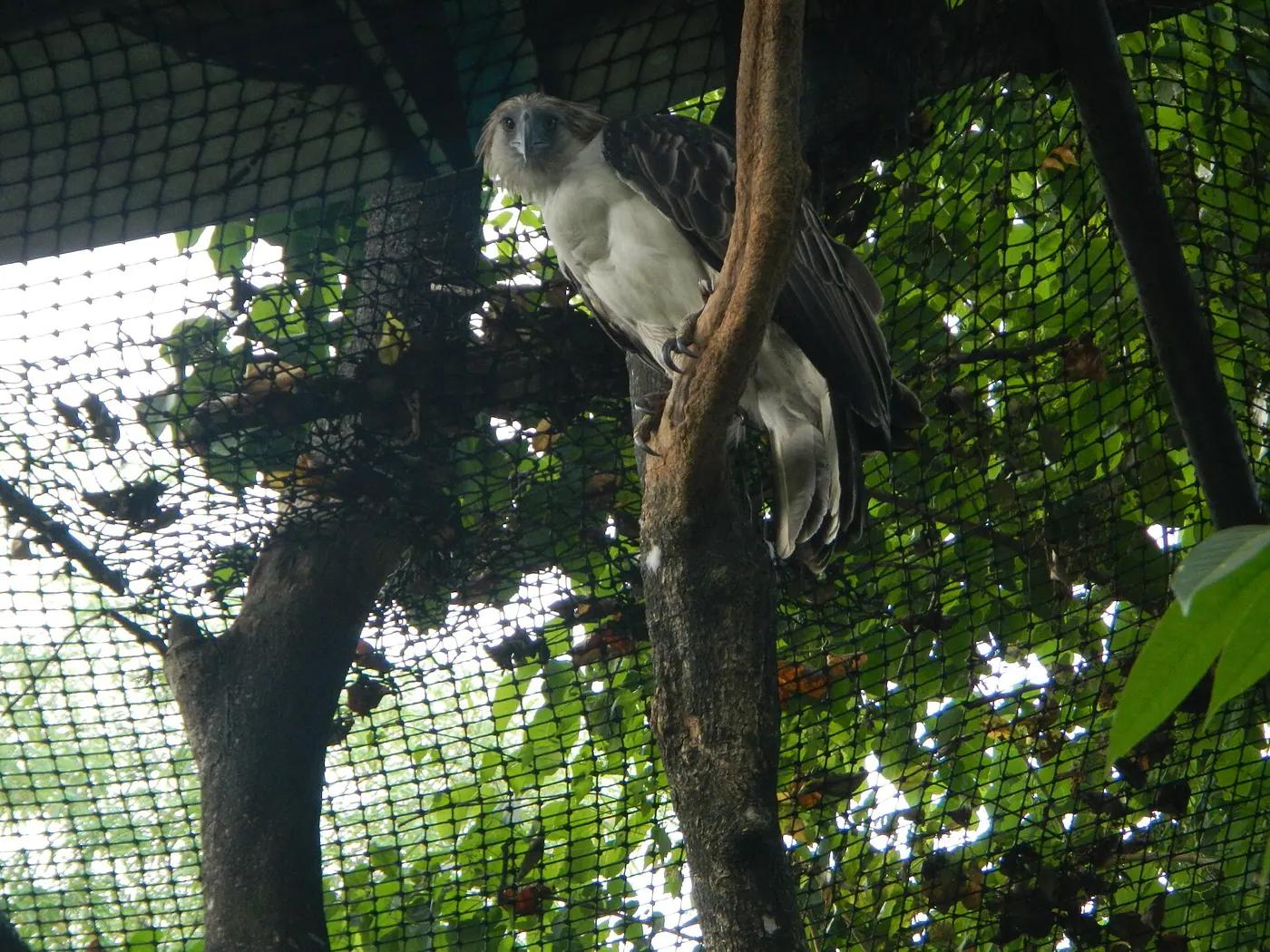
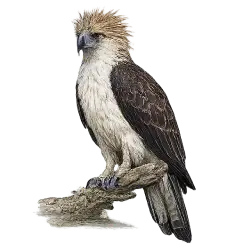
The national bird and one of the largest eagles on Earth, with wild pairs in Mindanao's Mount Apo and Kitanglad forests and northern Luzon's Sierra Madre, plus a breeding centre near Davao.
Spotting note: Guaranteed at the Philippine Eagle Center; wild sightings need a Kitanglad or Apo trek and a guide.
Read species guide
Philippine TarsierD
The saucer-eyed nocturnal primate of Bohol, Leyte, Samar and Mindanao, best seen at the Corella sanctuary where wild tarsiers roost in the protected forest.
Spotting note: Near-certain at the Corella sanctuary; keep quiet and keep your distance.
Read species guide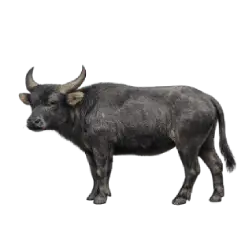
TamarawA
A dwarf buffalo found only on Mindoro, with a few hundred animals left on the grassy slopes of Mounts Iglit-Baco.
Spotting note: Very rare; the annual count treks into Iglit-Baco are the only realistic route.
Read species guide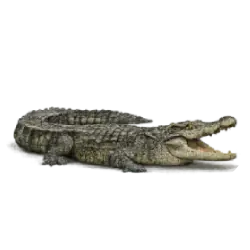
Philippine CrocodileA
The world's rarest crocodile survives in San Mariano on Luzon and in Mindanao's Ligawasan marsh, with conservation breeding at Puerto Princesa and Manila's wildlife centre.
Spotting note: Rare in the wild; guaranteed at the Palawan Wildlife Rescue and Conservation Center.
Read species guide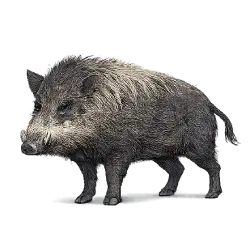
Visayan Warty PigB
A tufted wild pig of Negros and Panay, down to a few forest fragments and bred at the Talarak Foundation and Bacolod's biodiversity centre.
Spotting note: Rare in the wild; reliable at the Negros breeding centres.
Read species guide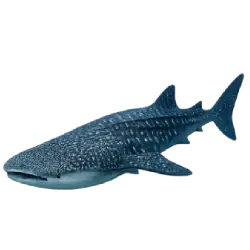
Whale SharkA
Donsol in Sorsogon runs regulated snorkel encounters with wild whale sharks from November to June, and Oslob on Cebu has a controversial year-round feeding operation.
Spotting note: Seasonal and good at Donsol; guaranteed but ethically debated at Oslob.
Read species guide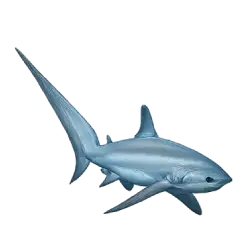
Thresher SharkA
Malapascua off Cebu is the only place in the world where divers reliably see thresher sharks (the pelagic species, a smaller cousin of the common thresher), rising to the Monad Shoal cleaning stations at dawn.
Spotting note: Near-daily for divers at Monad Shoal before 7 am.
Read species guide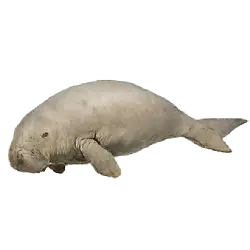
DugongC
Sea cows graze seagrass off Busuanga and Dimakya in northern Palawan and around Mindoro, among the last Philippine populations.
Spotting note: Rare; dedicated dugong snorkels from Busuanga have a fair hit rate.
Read species guide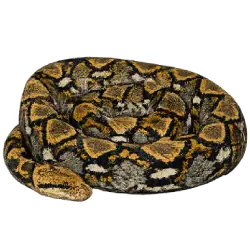
Reticulated PythonB
The country's biggest snake lives in forest and farmland across the archipelago and turns up in Luzon rice fields and barangay chicken coops.
Spotting note: Occasional; most often met after heavy rain.
Read species guide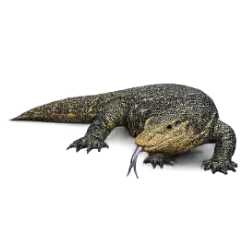
Water MonitorC
Monitor lizards (bayawak) patrol riverbanks, mangroves and the Puerto Princesa underground river boardwalk across the islands.
Spotting note: Common near water and bold around picnic areas.
Read species guide
Large Flying FoxD
Giant fruit bats roost in colonies at Subic Bay on Luzon, in Bohol's Bilar forest and at Mambukal on Negros, and stream out at dusk over the coconut groves.
Spotting note: Spectacular at dusk near known roosts.
Read species guide
Eurasian Tree SparrowE
The 'maya' of every Filipino street and the most-logged wild bird in the Philippines, from Manila power lines to Visayan paddies.
Spotting note: Guaranteed anywhere.
Read species guide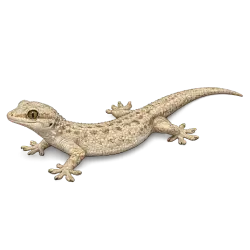
Common House GeckoE
The butiki on every Philippine wall and ceiling, and the single most-logged animal in the country's captures.
Spotting note: Guaranteed after dark.
Read species guide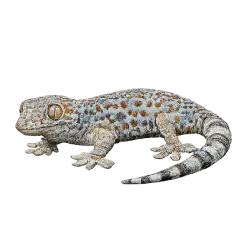
Tokay GeckoD
The tuko, a 30-centimetre spotted gecko whose barking call carries from barangay roofs across the islands after dark.
Spotting note: Heard nightly in rural areas; seen with a torch.
Read species guideBest for
Use this section to decide whether the location fits your travel style, skill level, and AnimalDex goals.
- Divers and snorkelers chasing whale sharks, threshers, turtles and dugongs
- Endemic hunters: tarsiers, eagles, cloud rats and hornbills found nowhere else
- Birders working Mindanao and northern Luzon forest for 200-plus endemics
- Collectors who like a dense everyday list: geckos, sparrows, ants, moths and spiders
Spotting tips
These tips are meant to make the page useful in the field, not just readable on the page.
- 01Choose Donsol over Oslob for whale sharks if the ethics matter to you; sightings are seasonal (best February to May) but the animals are wild and unfed.
- 02Visit the Corella tarsier sanctuary on Bohol rather than roadside 'tarsier shows'; the animals there are wild, roost at natural height and are not handled.
- 03The Philippine Eagle Center outside Davao is the guaranteed eagle; add a dawn hike at Mount Kitanglad with a local guide if you want a wild one.
- 04Turn on the porch light in any provincial barangay for the real Philippine list: tokays, house geckos, hawkmoths, rhinoceros beetles and jumping spiders.
Virtual Wildlife Guides
Wildlife guides to Philippines
AnimalDex builds virtual guides from explorers' own wild sightings: which animals they found, how rare they are, and when. A guide is advice from someone who has been there, not a tour. Buying one unlocks the author's notes for every animal, a chat with the author, and introductions to local people they met. Wildlife is never guaranteed.
Checking for virtual guides to Philippines...
How to choose a local wildlife guide in Philippines
- Ask what they usually find in the season you are visiting. A good guide gives an honest answer, not a promised sighting.
- Check how they treat animals: no baiting, calling in, handling, or close flash photography for a better shot.
- Confirm the meeting area, duration, group size, total price, and how you pay before the day, plus any permits or park fees the place requires.
Track the animals you find in Philippines
Build your collection while you travel through Philippines, from easy wins to the species worth planning around.
Related tier lists
These tier lists add broader context around the species that make this location interesting.
Rarest Animals in the World
A structured ranking of the rarest animals in the world, blending scarcity, vulnerability, and conservation pressure to answer the overlap between rarest and most endangered wildlife.
Read tier listAnimals with the Best Eyesight
A structured ranking of animals with the best eyesight, separating long-range daytime acuity, low-light vision, motion detection, and unusual visual systems.
Read tier listRelated locations
Keep exploring with nearby or similar destinations that support the same kind of AnimalDex discovery.
Animals in Luzon: What You Can Spot, Learn, and Collect
Luzon wildlife: cloud rats and eagles in the Sierra Madre, Philippine crocodiles at San Mariano, Subic's flying foxes, Candaba's waterbirds and Makiling's forest.
Read location guideAnimals in the Visayas: What You Can Spot, Learn, and Collect
Visayas wildlife: tarsiers and fireflies on Bohol, thresher sharks at Malapascua, whale sharks at Oslob, warty pigs on Negros, dolphins and turtles off Apo Island.
Read location guideAnimals in Mindanao: What You Can Spot, Learn, and Collect
Mindanao wildlife: Philippine eagles at Davao's eagle centre and on Mount Apo, crocodiles in the Agusan marsh, Samal's bat cave, tarsiers and Siargao's turtles.
Read location guideLocation FAQ
Short direct answers to the questions travelers usually ask before choosing a wildlife destination or zoo day.
What wildlife is there in the Philippines?
Endemic Philippine eagles, tarsiers, tamaraw, Philippine crocodiles, cloud rats, warty pigs and hornbills on land; whale sharks, thresher sharks, dugongs, sea turtles and some of the world's richest coral reefs offshore. Everyday animals are house geckos, tokays, tree sparrows, monitors, pythons, fruit bats and a huge insect fauna.
What animals can be found in the Philippines?
Over 200 mammal species (more than half endemic), 600 birds, 250 reptiles and a marine fauna that includes whale sharks, threshers, dugongs and five sea turtle species. The animals users actually log most are house geckos, tree sparrows, ants, cockroaches, beetles and jumping spiders.
Where is the best place to see wildlife in the Philippines?
Bohol for tarsiers and fireflies, Davao and Mount Kitanglad for the Philippine eagle, Palawan for crocodiles, monitors, dugongs and reefs, Donsol or Malapascua for sharks. Mindanao and northern Luzon have the deepest endemic birding.
Is whale shark swimming in the Philippines ethical?
It depends where. Donsol follows no-feed, no-touch rules with wild animals on their own migration. Oslob feeds sharks daily to keep them in one bay, which conservationists argue changes their behaviour and health. Donsol is the better choice if you have a season to match.
Have AnimalDex users found animals in Philippines?
Yes. AnimalDex users have publicly logged 58 captures of 42 different species in Philippines, including black ant, common house gecko, eurasian tree sparrow, cockroach. Each one was photographed in the app at the moment of the sighting.
How do I find a wildlife guide to Philippines?
Check the Wildlife Guides section on this page or browse Wildlife Guides on AnimalDex. Each one is a virtual guide built from an explorer's own wild sightings around Philippines: the animals they found, how rare they are, and when. It is advice from someone who has been there, not a tour. If you want someone with you on the day, compare local guides on wildlife knowledge, how they treat animals, and clear pricing before you go.