

Animals in Rio de Janeiro: What You Can Spot, Learn, and Collect
Wildlife in Rio de Janeiro: marmosets and sloths in Tijuca Forest, capybaras on the Barra lagoons, frigatebirds over Sugarloaf and whales off Ilha Grande.
Quick answer
Start with the direct answer, then use the sections below to see why the location matters and which animals are actually realistic to spot there.
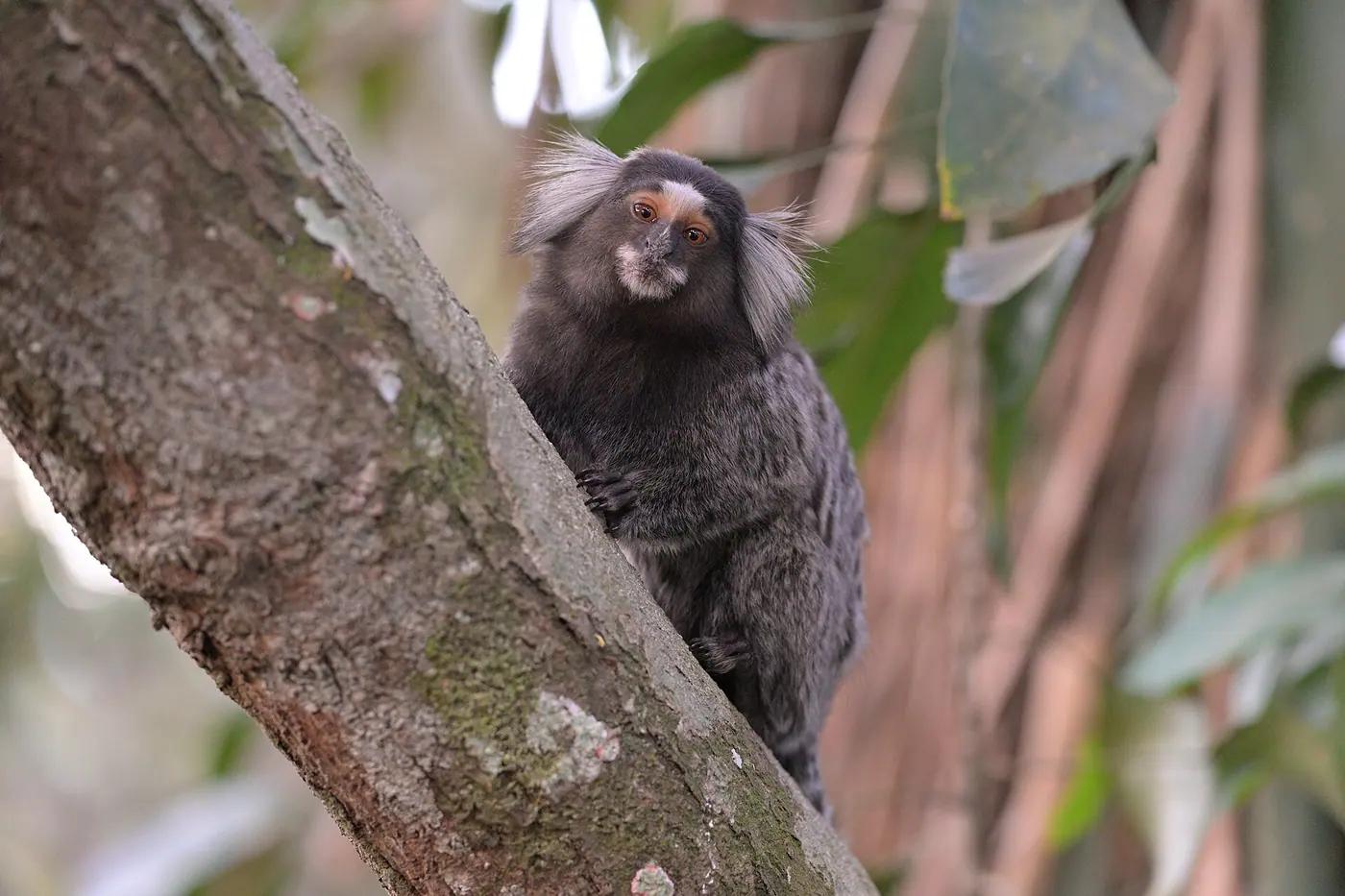
Rio is a city with a rainforest inside it. Tijuca National Park holds marmosets, capuchins, three-toed sloths, toucans and roadside hawks; the Barra da Tijuca and Jacarepaguá lagoons have capybaras and broad-snouted caimans a few metres from cycle paths; frigatebirds and black vultures ride the thermals over Sugarloaf, and humpback whales pass Ilha Grande between July and November.
Most visitors arrive for beaches and views and leave having seen more wild animals than they expected. The Tijuca massif is one of the largest urban forests on earth, and it leaks wildlife into the Jardim Botânico, Parque Lage and the Corcovado road every single morning.
The flat west of the city is a different system: a chain of brackish lagoons behind Barra and Recreio where capybaras graze the banks, caimans sun on the mud and herons and spoonbills work the shallows. Add the Costa Verde coast towards Ilha Grande and you have forest, wetland and ocean in one state.
Why this location matters
Good location pages explain why the place is worth your time, not just which names belong on a destination checklist.
Rio sits in the Atlantic Forest, one of the most threatened biomes on the planet, and the state still protects golden lion tamarins and maned sloths in reserves an hour or two from the city. Seeing a sloth in Tijuca makes that fragility concrete.
For AnimalDex users the city is also simply productive. Captures logged here run from boa constrictors and great kiskadees to lava lizards on the Arpoador rocks, which means a walk, a hike and a lagoon cycle each fill a different part of your collection.
Where to look
Wildlife map of Rio de Janeiro
This guide covers the region shown below. Zoom in to get your bearings before planning a trip.
Positions are geocoded from OpenStreetMap. Habitat access and opening times change — check locally before travelling. Smaller pins are public AnimalDex captures, placed to the nearest kilometre.
Field proof
Found in Rio de Janeiro by AnimalDex users
Real captures logged in the AnimalDex app inside this area and shared publicly by their collectors, with the animal confirmed by the app's identification. Places are shown to the nearest region, never the exact spot.
- 28
- public captures
- 24
- species recorded
- 2
- collectors
- 23
- wild sightings
Recent captures from the field
Species people have actually logged here
Every name links to its species guide. The count is how many public captures of that animal sit inside this area.
- Ruddy Ground Dove3 captures
- Common Pill Woodlouse2 captures
- Tree Frog2 captures
- Andean Sparrow1 capture
- Black Ant1 capture
- Black Vulture1 capture
- Boa Constrictor1 capture
- Brazilian Lava Lizard1 capture
- Carpenter Ant1 capture
- Cockroach1 capture
- Daddy Long-Legs Spider1 capture
- Domestic Pigeon1 capture
- Giant Honey Bee1 capture
- Great Kiskadee1 capture
- Green Lacewing1 capture
- House Fly1 capture
- Jumping Spider1 capture
- Pantry Moth1 capture
- Roadside Hawk1 capture
- Ruddy Daggerwing1 capture
- Silver Argiope1 capture
- True Oyster1 capture
- Two-spotted Cricket1 capture
- Woodlouse1 capture
Collectors choose to share these captures on Discover and can withdraw them at any time. Coordinates are rounded to about a kilometre and refreshed with each site build.
Animals to spot
These are intentionally practical species picks, balancing accessibility, excitement, and what travelers can realistically notice in the location.
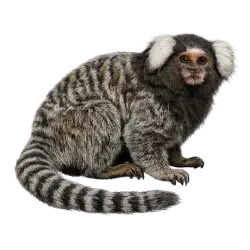
Common MarmosetD
Introduced marmosets are now the most-seen monkey in the city, chattering through the trees at Parque Lage, the Jardim Botânico and along the Corcovado road.
Spotting note: Near-guaranteed in Tijuca and the botanical garden; do not feed them.
Read species guide
Tufted CapuchinC
Bold capuchins raid picnic tables on the Vista Chinesa road and move in noisy troops through the Tijuca canopy.
Spotting note: Common on the forest roads, especially mid-morning.
Read species guide
Three-toed SlothD
Tijuca sloths hang in the cecropia trees near the park entrances and sometimes cross the road at walking pace.
Spotting note: Uncommon; scan cecropia crowns slowly, or ask the rangers at the Floresta visitor centre.
Read species guide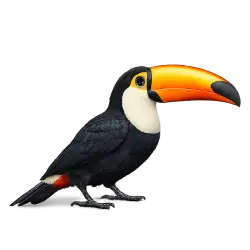
Toco ToucanC
The toucan of the Tijuca canopy is the channel-billed; the toco, with its giant orange bill, is an open-country bird of the state's lowlands and interior, and the BioParque do Rio at Quinta da Boa Vista keeps them.
Spotting note: Occasional wild in the city; regular in the farmland and gallery forest of the state's interior, guaranteed at the BioParque.
Read species guide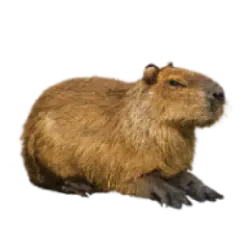
CapybaraD
Families graze the grass verges of Lagoa de Marapendi and Lagoa de Jacarepaguá in Barra da Tijuca, ignoring joggers entirely.
Spotting note: Reliable at dawn and dusk on the Barra lagoon paths.
Read species guide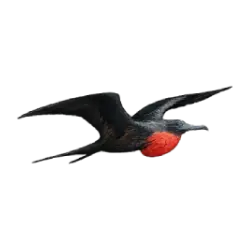
Magnificent FrigatebirdC
Frigatebirds hang motionless over Sugarloaf, Copacabana and Guanabara Bay waiting to rob terns and boobies of their catch.
Spotting note: Daily from any beach or the Sugarloaf cable car.
Read species guide
Black VultureC
The most photographed bird in Rio without anyone meaning to: it circles Corcovado and perches on the Christ statue's platform rails.
Spotting note: Everywhere, all day.
Read species guide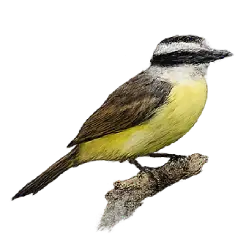
Great KiskadeeD
The loud yellow flycatcher that shouts its own name from every lamppost and hotel garden in Ipanema.
Spotting note: Abundant; the first bird most visitors log.
Read species guide Brazilian Lava LizardE
Sun-loving lizards bask on the Arpoador rocks and the stone walls of Urca, bobbing their heads at each other.
Spotting note: Common on any warm rock face by mid-morning.
Read species guide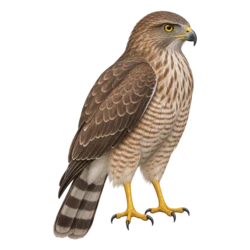
Roadside HawkD
A small, vocal hawk that hunts the Tijuca forest edges and perches on wires along the Estrada das Paineiras.
Spotting note: Regular; listen for the rising scream.
Read species guide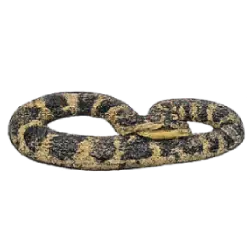
Boa ConstrictorC
Big boas live in the Tijuca forest and the Pedra Branca massif and occasionally turn up in gardens on the forest fringe.
Spotting note: Rare to see; most sightings are road crossings at night.
Read species guide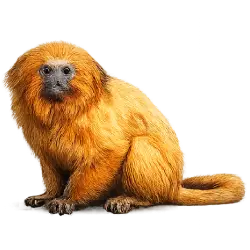
Golden Lion TamarinC
The state's conservation icon survives in the lowland forest of Poço das Antas and the Silva Jardim reserves, about two hours northeast of the city.
Spotting note: Only with a guided visit to the tamarin reserves; impossible in the city.
Read species guide
Humpback WhaleA
Humpbacks migrate past Ilha Grande and Arraial do Cabo from July to November and are increasingly seen from boats out of Rio itself.
Spotting note: Seasonal; best from boat trips in August and September.
Read species guide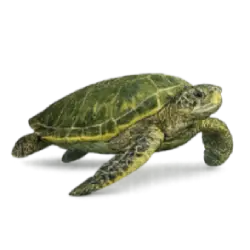
Green Sea TurtleC
Green turtles graze the seagrass in the clear bays of Ilha Grande and are a regular sight for snorkellers at Lagoa Azul.
Spotting note: Likely on a calm-day snorkel at Ilha Grande.
Read species guideBest for
Use this section to decide whether the location fits your travel style, skill level, and AnimalDex goals.
- Urban rainforest hiking with monkeys and sloths inside city limits
- Lagoon cycling past capybaras and caimans in Barra da Tijuca
- Seabird watching from Sugarloaf, Arpoador and the beaches
- Island snorkelling and winter whale trips around Ilha Grande
Spotting tips
These tips are meant to make the page useful in the field, not just readable on the page.
- 01Walk the Jardim Botânico right at opening (08:00) for marmosets, toucans and capuchins before the crowds arrive.
- 02Cycle the Lagoa de Marapendi path in Barra at first light; the capybaras move back into cover once the sun is up.
- 03Scan cecropia trees along the Estrada das Paineiras for sloths; they look like a dark clump of leaves until they move.
- 04Keep food zipped away on the Vista Chinesa and Corcovado roads, the capuchins have learnt what backpacks mean.
Virtual Wildlife Guides
Wildlife guides to Rio de Janeiro
AnimalDex builds virtual guides from explorers' own wild sightings: which animals they found, how rare they are, and when. A guide is advice from someone who has been there, not a tour. Buying one unlocks the author's notes for every animal, a chat with the author, and introductions to local people they met. Wildlife is never guaranteed.
Checking for virtual guides to Rio de Janeiro...
How to choose a local wildlife guide in Rio de Janeiro
- Ask what they usually find in the season you are visiting. A good guide gives an honest answer, not a promised sighting.
- Check how they treat animals: no baiting, calling in, handling, or close flash photography for a better shot.
- Confirm the meeting area, duration, group size, total price, and how you pay before the day, plus any permits or park fees the place requires.
Track the animals you find in Rio de Janeiro
Build your collection while you travel through Rio de Janeiro, from easy wins to the species worth planning around.
Related tier lists
These tier lists add broader context around the species that make this location interesting.
100 Smartest Animals Ranked
Animal intelligence ranking of 100 smartest animals, using AnimalDex intelligence profiles and a clear note that social skill, tool use, and solitary problem solving are different jobs.
Read tier listRelated locations
Keep exploring with nearby or similar destinations that support the same kind of AnimalDex discovery.
Animals in Brazil: What You Can Spot, Learn, and Collect
A practical Brazil wildlife guide built around wetlands, rainforest color, and the species that make the country feel big, alive, and worth collecting carefully.
Read location guideAnimals in São Paulo: What You Can Spot, Learn, and Collect
Wildlife in São Paulo: capybaras on the Pinheiros river, howler monkeys and toucans in Cantareira, whales and turtles at Ilhabela, plus the São Paulo Zoo.
Read location guideAnimals in Minas Gerais: What You Can Spot, Learn, and Collect
Wildlife in Minas Gerais: giant anteaters and rheas on the Serra da Canastra plateau, maned wolves at the Caraça sanctuary, giant armadillos and seriemas.
Read location guideLocation FAQ
Short direct answers to the questions travelers usually ask before choosing a wildlife destination or zoo day.
What wildlife is there in Rio de Janeiro?
Marmosets, capuchin monkeys, three-toed sloths, toucans, boas and roadside hawks live in the Tijuca forest; capybaras, caimans and herons use the Barra lagoons; frigatebirds and vultures patrol the coast, and humpback whales pass offshore in winter.
What animals can be found in Rio de Janeiro?
The easiest are marmosets and capuchins in the Jardim Botânico and Parque Lage, capybaras along Lagoa de Marapendi, lava lizards on the Arpoador rocks and black vultures over Corcovado. Sloths and toucans need more patience, and golden lion tamarins live only in reserves outside the city.
Is it safe to hike in Tijuca National Park to see animals?
The main trails from the Floresta sector and the Paineiras road are well used and policed in daylight. Go with company, start early, avoid carrying valuables openly and stay off unmarked trails that drop towards the favelas on the massif's edges.
Can you see whales from Rio de Janeiro?
Yes. Humpbacks pass the Rio coast from roughly July to November on their way to and from the Abrolhos breeding grounds. Boat trips from Rio, Arraial do Cabo and Ilha Grande have the best odds in August and September.
Have AnimalDex users found animals in Rio de Janeiro?
Yes. AnimalDex users have publicly logged 28 captures of 24 different species in Rio de Janeiro, including ruddy ground dove, common pill woodlouse, tree frog, andean sparrow. Each one was photographed in the app at the moment of the sighting.
How do I find a wildlife guide to Rio de Janeiro?
Check the Wildlife Guides section on this page or browse Wildlife Guides on AnimalDex. Each one is a virtual guide built from an explorer's own wild sightings around Rio de Janeiro: the animals they found, how rare they are, and when. It is advice from someone who has been there, not a tour. If you want someone with you on the day, compare local guides on wildlife knowledge, how they treat animals, and clear pricing before you go.