

Animals in New Zealand: What You Can Spot, Learn, and Collect
New Zealand wildlife guide: kiwi on Stewart Island, kea in the Alps, tuatara and takahe in sanctuaries, fur seals, sperm whales and dusky dolphins at Kaikoura.
Quick answer
Start with the direct answer, then use the sections below to see why the location matters and which animals are actually realistic to spot there.
New Zealand has no native land mammals except bats, so its wildlife is birds, reptiles and the sea. Kiwi are realistic on Stewart Island and in sanctuaries, kea mob car parks in Arthur's Pass and Fiordland, tuatara and takahe live on predator-free islands and in fenced reserves like Zealandia, and tui and bellbirds sing in every native forest. The coast is where the mammals are: fur seals on every rocky shore, sperm whales and dusky dolphins off Kaikoura, and albatrosses at Taiaroa Head.
New Zealand split from the other continents before mammals arrived, and birds took their place. The result is a fauna of flightless parrots, ground-nesting kiwi, a reptile that outlived the dinosaurs and giant insects, most of it now confined to islands and fenced sanctuaries because of the rats, stoats and possums that people brought.
That makes the country's wildlife unusually accessible for how rare it is. Zealandia in Wellington has tuatara and takahe a short bus ride from parliament; Kaikoura's whale boats run daily; fur seals haul out beside state highways; and the introduced animals, deer, possums, rabbits and stoats, are everywhere and part of the story.
Start with these animals
Why this location matters
Good location pages explain why the place is worth your time, not just which names belong on a destination checklist.
New Zealand's Predator Free 2050 goal is the most ambitious conservation project anywhere, and sanctuaries like Zealandia and the predator-free islands are its proof of concept. Kakapo went from 51 birds in 1995 to around 250, entirely through hands-on management.
The country's seabird fauna is the richest on Earth, with a third of all albatross and penguin species breeding here. Kaikoura and Stewart Island are where visitors meet it, and the fisheries and climate pressures on it are real.
Where to look
Wildlife map of New Zealand
This guide covers the region shown below. Zoom in to get your bearings before planning a trip.
Positions are geocoded from OpenStreetMap. Habitat access and opening times change — check locally before travelling.
Animals to spot
These are intentionally practical species picks, balancing accessibility, excitement, and what travelers can realistically notice in the location.
KiwiC
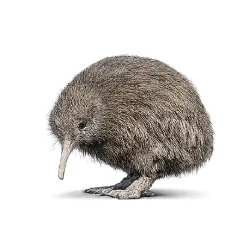
North Island brown kiwi call from Northland's forests and even the edges of Russell and Whangarei after dark, with Trounson Kauri Park and the Rotorua kiwi hatchery the easiest encounters; Stewart Island's famous beach kiwi are the southern tokoeka, a separate species.
Spotting note: Heard most nights in Northland reserves; near-certain in the kiwi houses at Rotorua, Zealandia and Orokonui.
Read species guide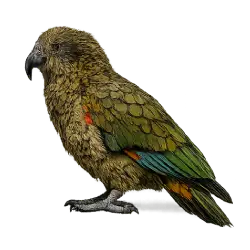
KeaB
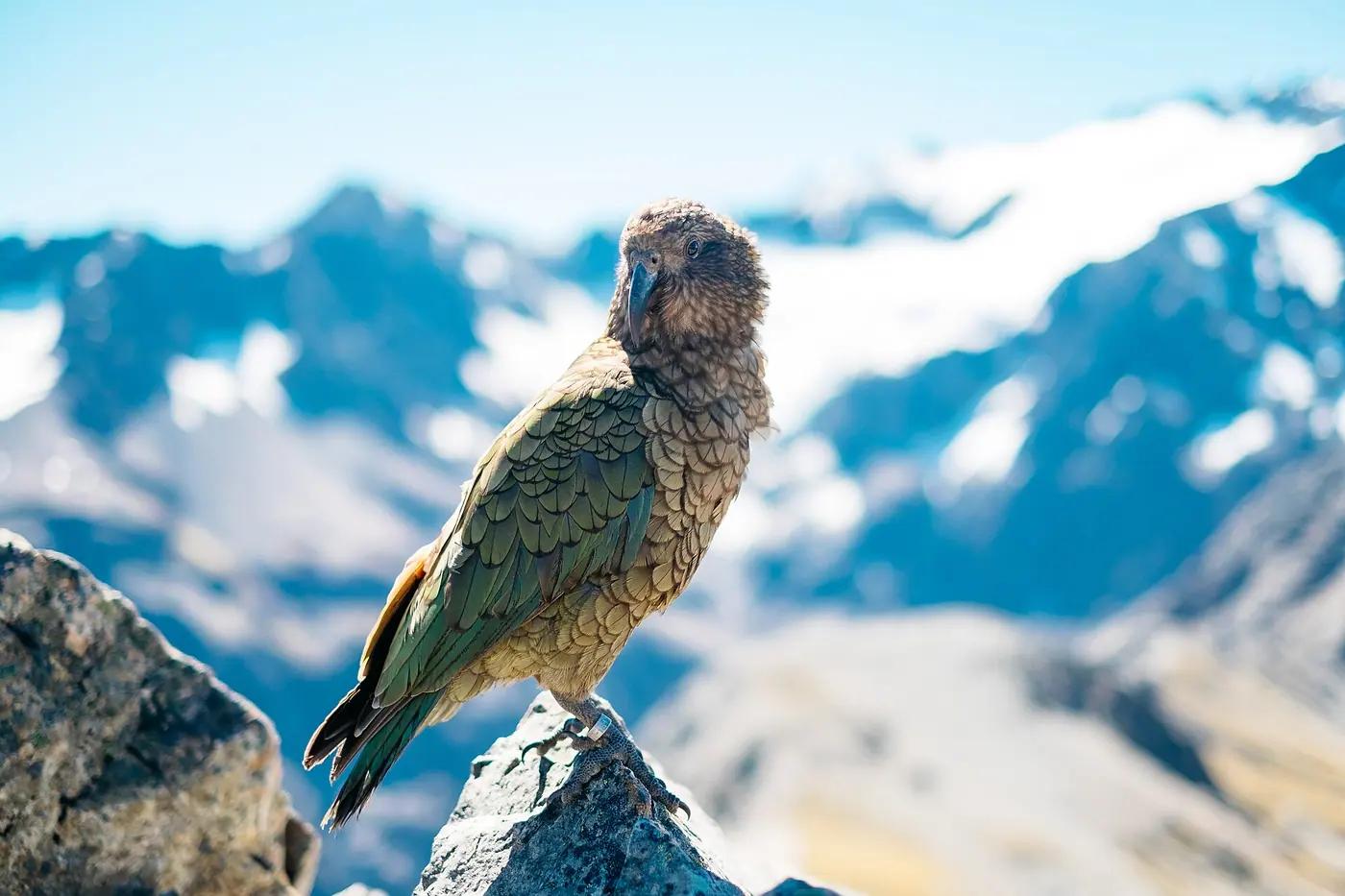
The world's only alpine parrot works the car parks at Arthur's Pass, the Homer Tunnel in Fiordland and the Fox and Franz Josef glacier trails, pulling rubber off cars.
Spotting note: Reliable at the Homer Tunnel and Arthur's Pass village; do not feed them.
Read species guide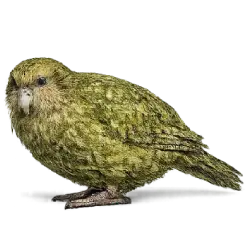
KakapoC
The flightless night parrot survives only on predator-free islands like Whenua Hou and Anchor Island, with every bird named and tracked.
Spotting note: Not viewable in the wild; occasional display birds appear at sanctuaries such as Orokonui or Zealandia.
Read species guide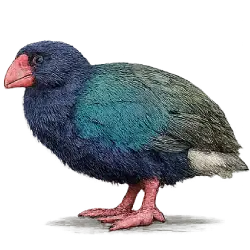
TakaheC
The flightless blue rail, thought extinct until 1948, lives wild in Fiordland's Murchison Mountains and can be watched at Zealandia, Tiritiri Matangi and Orokonui.
Spotting note: Near-certain at the fenced sanctuaries; wild birds are remote.
Read species guide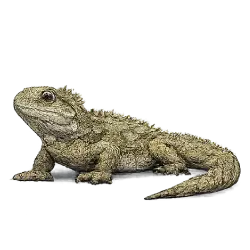
TuataraC
The last living rhynchocephalian basks at burrow mouths in Zealandia's valley and on Stephens and Tiritiri Matangi islands.
Spotting note: Regular at Zealandia on warm afternoons; guaranteed in the tuatara enclosures at Orokonui and Auckland Zoo.
Read species guide
TuiD
The white-tufted honeyeater with the clicking, bell-like song is in every native forest and most city gardens, especially at flowering flax and kowhai.
Spotting note: Very common nationwide.
Read species guide New Zealand BellbirdD
Korimako's pure chiming notes fill the beech forests of the South Island and the sanctuary islands, often alongside tui.
Spotting note: Common in native forest, especially the South Island and offshore islands.
Read species guide
RiflemanD
New Zealand's smallest bird, a tail-less six-gram wren, works the beech trunks at Arthur's Pass and in Fiordland and the Catlins.
Spotting note: Regular in South Island beech forest; listen for the high 'zit' call.
Read species guide
WrybillD
The only bird with a sideways-bent bill breeds on Canterbury's braided riverbeds and winters in flocks of thousands at the Miranda shorebird centre near Auckland.
Spotting note: Reliable at Miranda from January to July; scarce on the breeding rivers.
Read species guide
New Zealand Fur SealB
Fur seals haul out on rocks at Kaikoura's Ohau Point, Cape Palliser, the Catlins and Wellington's south coast, with pups in autumn.
Spotting note: Guaranteed at Kaikoura and Cape Palliser year-round.
Read species guide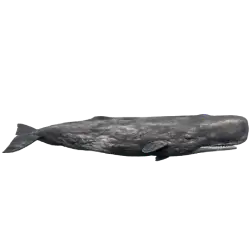
Sperm WhaleS
Kaikoura's deep canyon brings resident male sperm whales within a few kilometres of shore, and whale-watch boats run several trips daily.
Spotting note: Seen on roughly 95 percent of Kaikoura trips.
Read species guide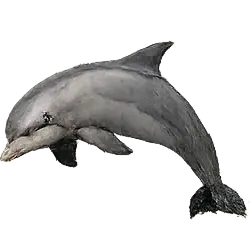
Dusky DolphinA
Acrobatic dusky dolphins in pods of hundreds surround the boats off Kaikoura, and swim-with trips run in summer.
Spotting note: Near-certain off Kaikoura year-round.
Read species guide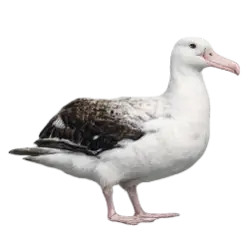
Wandering AlbatrossB
Pelagic trips from Kaikoura and Stewart Island bring wandering and other great albatrosses to the boat, and Taiaroa Head near Dunedin is the only mainland royal albatross colony on Earth.
Spotting note: Regular on Kaikoura albatross trips; the Taiaroa colony is viewable from a hide.
Read species guide Common Brushtail PossumC
Introduced from Australia and now 30 million strong, possums are the country's main forest pest and the mammal visitors see most, usually on the road at night.
Spotting note: Very common at night; a pest, not a native.
Read species guideBest for
Use this section to decide whether the location fits your travel style, skill level, and AnimalDex goals.
- Birders chasing a fauna unlike anywhere else: kiwi, kea, takahe, kakapo and albatrosses
- Whale and dolphin watchers at Kaikoura, where the trips run daily
- Families: Zealandia, Orokonui and the fur seal colonies are easy, guaranteed stops
- Road-trippers logging seals, kea and native birds between the scenery
Spotting tips
These tips are meant to make the page useful in the field, not just readable on the page.
- 01Book a Stewart Island kiwi night walk and a second night as backup; the birds feed on the beaches after dark and weather cancels trips.
- 02Visit Zealandia in Wellington on a sunny afternoon for tuatara at their burrows, then stay for the twilight tour when kiwi and glow-worms appear.
- 03At Kaikoura, take the first whale trip of the day for the calmest sea, and add the albatross boat if you can; the fur seals at Ohau Point are free on the roadside.
- 04Kea are curious and destructive: keep car windows up and nothing loose on roof racks at the Homer Tunnel and Arthur's Pass, and never feed them.
Virtual Wildlife Guides
Wildlife guides to New Zealand
AnimalDex builds virtual guides from explorers' own wild sightings: which animals they found, how rare they are, and when. A guide is advice from someone who has been there, not a tour. Buying one unlocks the author's notes for every animal, a chat with the author, and introductions to local people they met. Wildlife is never guaranteed.
Checking for virtual guides to New Zealand...
How to choose a local wildlife guide in New Zealand
- Ask what they usually find in the season you are visiting. A good guide gives an honest answer, not a promised sighting.
- Check how they treat animals: no baiting, calling in, handling, or close flash photography for a better shot.
- Confirm the meeting area, duration, group size, total price, and how you pay before the day, plus any permits or park fees the place requires.
Track the animals you find in New Zealand
Build your collection while you travel through New Zealand, from easy wins to the species worth planning around.
Related tier lists
These tier lists add broader context around the species that make this location interesting.
100 Smartest Animals Ranked
Animal intelligence ranking of 100 smartest animals, using AnimalDex intelligence profiles and a clear note that social skill, tool use, and solitary problem solving are different jobs.
Read tier listRarest Animals in the World
A structured ranking of the rarest animals in the world, blending scarcity, vulnerability, and conservation pressure to answer the overlap between rarest and most endangered wildlife.
Read tier listMost Invasive Species in the World
A structured ranking of the most invasive species in the world, balancing establishment success, ecological disruption, spread potential, and how difficult the species is to remove once it takes hold.
Read tier listRelated locations
Keep exploring with nearby or similar destinations that support the same kind of AnimalDex discovery.
Animals in Australia: What You Can Spot, Learn, and Collect
A practical Australia wildlife guide built around distinctive mammals, coastal species, and the kind of animal list that feels unlike almost anywhere else.
Read location guideAnimals in Japan: What You Can Spot, Learn, and Collect
A practical Japan wildlife guide focused on birds, coasts, smaller seasonal animals, and the quieter observation style that makes the country rewarding for careful travelers.
Read location guideAnimals in Croatia: What You Can Spot, Learn, and Collect
Croatia's wildlife: bottlenose dolphins off Lošinj, griffon vultures on Cres, bears and lynx around Plitvice, the Kopački Rit deer rut and the storks of Lonjsko Polje.
Read location guideLocation FAQ
Short direct answers to the questions travelers usually ask before choosing a wildlife destination or zoo day.
What wildlife is there in New Zealand?
Native birds found nowhere else: kiwi, kea, kakapo, takahe, tui, bellbirds, wrybills and a third of the world's albatross and penguin species; the tuatara and native geckos and skinks; and a marine fauna of fur seals, sperm whales, dusky and Hector's dolphins and orca. Introduced deer, possums, rabbits and stoats are everywhere.
What animals can be found in New Zealand?
No native land mammals other than two bats, so the list is birds (around 200 native species), reptiles (tuatara, 100-plus endemic geckos and skinks), giant weta and other insects, and marine mammals including nine whale and dolphin species seen from shore or boats. Possums, red deer, rabbits and stoats are the common introduced animals.
Where can you see kiwi in the wild?
Stewart Island (Rakiura), on guided night walks to Mason Bay or the Rakiura beaches, is the only place wild kiwi are regularly seen. Elsewhere, Zealandia's twilight tours and sanctuaries like Kapiti Island and Orokonui offer near-certain encounters with managed birds.
Is Kaikoura good for whale watching?
It is one of the best places in the world. Resident sperm whales feed in the canyon close to shore year-round, success rates are above 90 percent, and the same trips see dusky dolphins, fur seals and albatrosses. Humpbacks and orca pass through in winter and summer.
How do I find a wildlife guide to New Zealand?
Check the Wildlife Guides section on this page or browse Wildlife Guides on AnimalDex. Each one is a virtual guide built from an explorer's own wild sightings around New Zealand: the animals they found, how rare they are, and when. It is advice from someone who has been there, not a tour. If you want someone with you on the day, compare local guides on wildlife knowledge, how they treat animals, and clear pricing before you go.