

Animals in Oman: What You Can Spot, Learn, and Collect
Oman wildlife guide: nesting green turtles at Ras Al Jinz, Arabian leopards in Dhofar, humpback whales and dolphins off Muscat, Daymaniyat whale sharks and oryx.
Quick answer
Start with the direct answer, then use the sections below to see why the location matters and which animals are actually realistic to spot there.
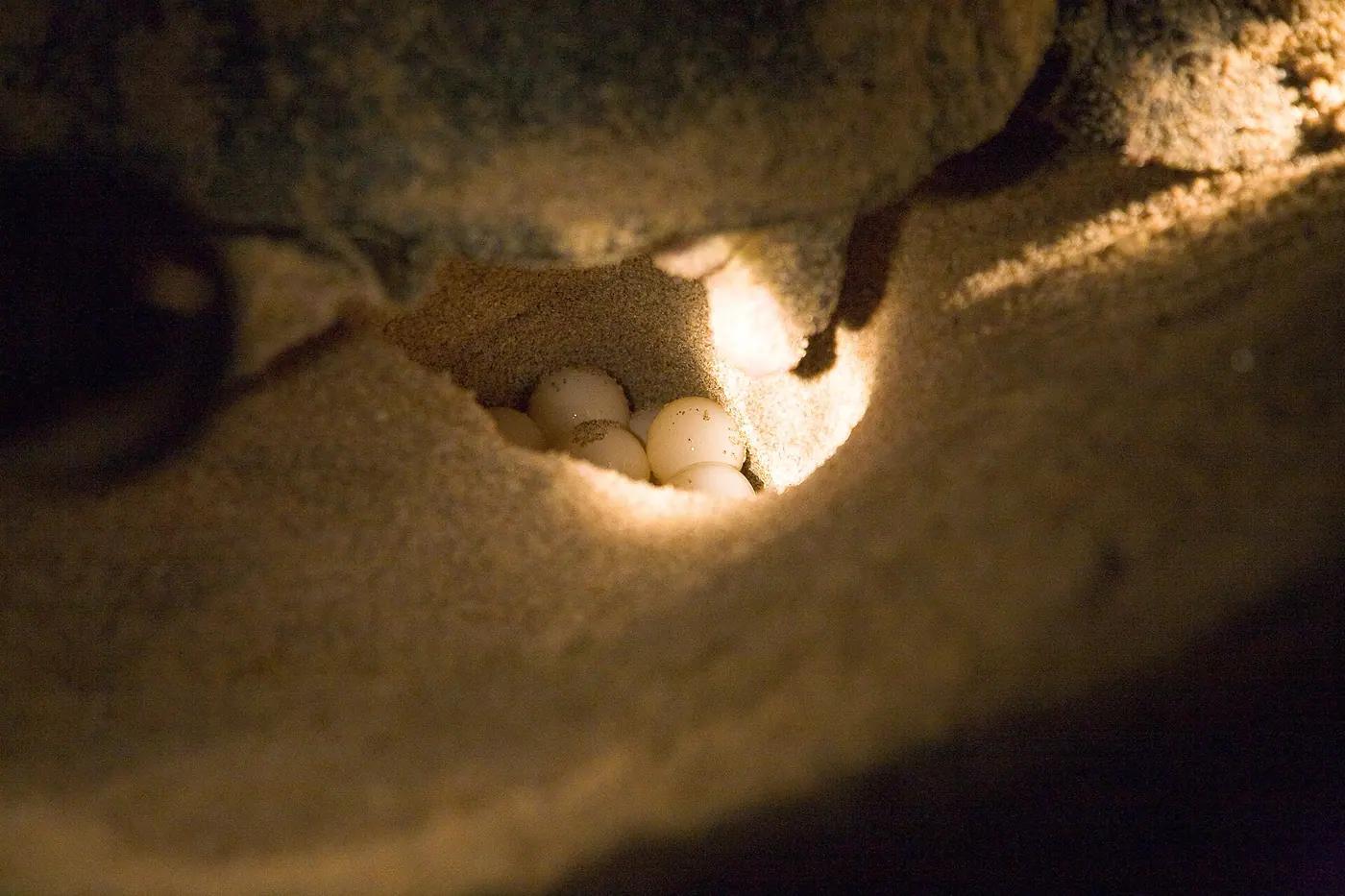
Oman is the most wildlife-rich country on the Arabian peninsula. Green turtles nest every night of the year at Ras Al Jinz, and Masirah Island has the world's largest loggerhead nesting beach; the Daymaniyat Islands off Muscat have whale sharks, turtles and reef fish; Muscat's bays hold spinner dolphins and an isolated, non-migrating population of humpback whales; and the Dhofar mountains in the south are the last stronghold of the Arabian leopard, with Nubian ibex, hyrax and striped hyenas on the same cliffs. Arabian oryx roam the Al Wusta reserve.
Oman has mountains that reach 3,000 metres, a monsoon-green corner at Salalah, 3,000 kilometres of coast and the edge of the Empty Quarter, and the animals follow that variety. The coast is the easy part: Ras Al Jinz turtle reserve near Sur runs guided night and dawn walks to watch green turtles lay and hatchlings run to the sea, the Daymaniyat Islands north of Muscat are the best snorkelling in the Gulf region, and dolphin boats leave Muscat marina every morning.
Inland is harder and more rewarding. Jabal Samhan in Dhofar holds a few dozen Arabian leopards, almost never seen but camera-trapped regularly, with ibex, hyrax, hyenas and Arabian wolves sharing the escarpment. Wadis in the Hajar mountains have Arabian tahr, and the gravel plains of Al Wusta have reintroduced oryx.
Why this location matters
Good location pages explain why the place is worth your time, not just which names belong on a destination checklist.
The Arabian Sea humpback whales off Oman are the only population in the world that does not migrate, isolated for tens of thousands of years, and there are fewer than 100 of them. Oman's coast is their whole world.
Ras Al Jinz is one of the few places where turtle nesting is managed for tourism properly, with limited numbers and red lights, and visiting there supports the model. The Arabian leopard, with perhaps 200 left in the wild, depends on Dhofar's cliffs.
Where to look
Wildlife map of Oman
This guide covers the region shown below. Zoom in to get your bearings before planning a trip.
Positions are geocoded from OpenStreetMap. Habitat access and opening times change — check locally before travelling.
Animals to spot
These are intentionally practical species picks, balancing accessibility, excitement, and what travelers can realistically notice in the location.
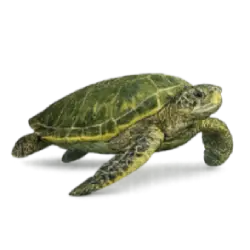
Green Sea TurtleC
Ras Al Jinz turtle reserve east of Sur has nesting every night of the year, with guided walks at 9pm and dawn; peak season sees dozens of females on the beach at once.
Spotting note: Guaranteed on the guided walks; June to September is peak.
Read species guide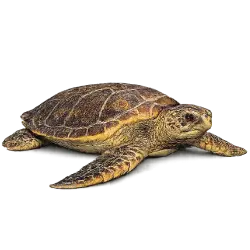
Loggerhead Sea TurtleC
Masirah Island hosts the largest loggerhead nesting population on earth, tens of thousands of nests a year on its eastern beaches.
Spotting note: Nesting April to August on Masirah; needs a ferry and a local guide.
Read species guide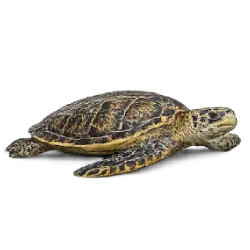
Hawksbill Sea TurtleC
Nests on the Daymaniyat Islands in spring and feeds on the reefs there and at Bandar Khayran near Muscat.
Spotting note: Regular for snorkellers at the Daymaniyats.
Read species guide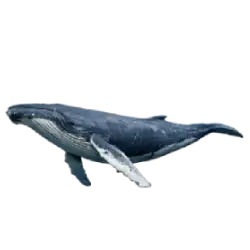
Humpback WhaleA
The Arabian Sea population lives year-round off the Oman coast between Masirah and Dhofar, and is occasionally seen from Muscat dolphin boats.
Spotting note: Rare and precious; the Hallaniyat Islands and Masirah give the best chance.
Read species guide
Spinner DolphinA
Big pods feed off Muscat every morning and the boats from Bandar Al Rowdha and Al Mouj find them within half an hour.
Spotting note: Near-daily on Muscat dolphin trips.
Read species guide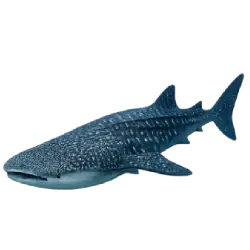
Whale SharkA
Gathers around the Daymaniyat Islands and Fahal Island off Muscat in late summer and autumn when the plankton blooms.
Spotting note: Seasonal, August to October at the Daymaniyats.
Read species guide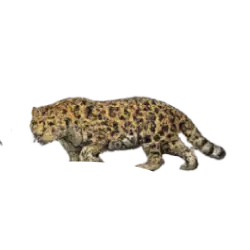
LeopardB
The Arabian leopard, the smallest and rarest leopard, survives in Jabal Samhan Nature Reserve above Mirbat in Dhofar, where camera traps record a few dozen animals.
Spotting note: Almost never seen in the wild; scrapes and camera-trap photos are the realistic record.
Read species guide
Arabian OryxB
Reintroduced to the Al Wusta Wildlife Reserve on the Jiddat al-Harasis gravel plain, where the herds are kept in large fenced enclosures after poaching losses.
Spotting note: Reliable at Al Wusta with permission from the reserve.
Read species guide
Nubian IbexC
Lives on the Dhofar escarpment and in Jabal Samhan, and a separate population in the Hajar mountains, descending to wadi pools at dawn.
Spotting note: Uncommon; dawn in the Jabal Samhan wadis.
Read species guide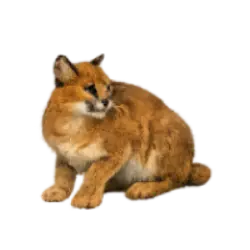
CaracalB
Hunts rodents and birds in the Hajar and Dhofar mountains and is sometimes seen on night drives in Jabal Samhan.
Spotting note: Rare; camera traps and night drives.
Read species guide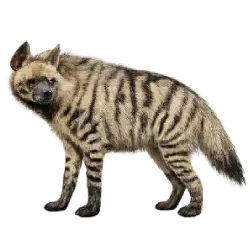
Striped HyenaB
Scavenges around Dhofar villages and the escarpment at night and is the most common large carnivore in Jabal Samhan.
Spotting note: Uncommon but regular on night drives in Dhofar.
Read species guide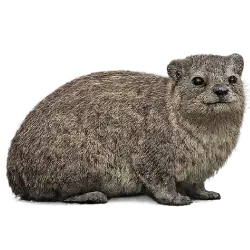
Rock HyraxD
Colonies sun themselves on the boulders of the Dhofar escarpment around Wadi Darbat and Jabal Samhan.
Spotting note: Common in Dhofar on sunny mornings.
Read species guide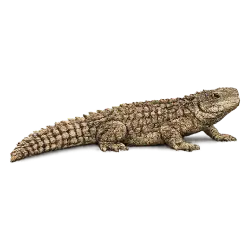
Spiny-tailed LizardC
Dhub lizards bask at burrow mouths on the gravel plains between Muscat and Sur and along the Al Wusta road.
Spotting note: Common on warm mornings on gravel plains.
Read species guide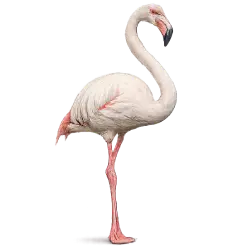
Greater FlamingoC
Flocks feed in the Barr Al Hikman and Masirah channel mudflats, one of the most important wader sites in the Middle East, and in the Salalah khawrs.
Spotting note: Common in winter at Barr Al Hikman and the Salalah lagoons.
Read species guideBest for
Use this section to decide whether the location fits your travel style, skill level, and AnimalDex goals.
- Turtle watchers at Ras Al Jinz, the most reliable nesting site in the region.
- Snorkellers and divers at the Daymaniyat Islands and Bandar Khayran.
- Dolphin and whale watchers out of Muscat.
- Mountain and desert travellers heading to Dhofar's leopard country or the Al Wusta oryx reserve.
Spotting tips
These tips are meant to make the page useful in the field, not just readable on the page.
- 01Book Ras Al Jinz walks in advance and choose the dawn slot; the light is better, the crowd smaller, and hatchlings are often still running.
- 02Daymaniyat trips run from Al Mouj marina and Seeb; the islands are closed for seabird nesting from May to October, but snorkelling around them continues.
- 03In Dhofar, drive the Jabal Samhan plateau at dusk and dawn with a local guide; hyenas, foxes and hyraxes are realistic, the leopard is not.
- 04Barr Al Hikman is best in winter at rising tide; it is remote, so take a 4x4 and plenty of water.
Virtual Wildlife Guides
Wildlife guides to Oman
AnimalDex builds virtual guides from explorers' own wild sightings: which animals they found, how rare they are, and when. A guide is advice from someone who has been there, not a tour. Buying one unlocks the author's notes for every animal, a chat with the author, and introductions to local people they met. Wildlife is never guaranteed.
Checking for virtual guides to Oman...
How to choose a local wildlife guide in Oman
- Ask what they usually find in the season you are visiting. A good guide gives an honest answer, not a promised sighting.
- Check how they treat animals: no baiting, calling in, handling, or close flash photography for a better shot.
- Confirm the meeting area, duration, group size, total price, and how you pay before the day, plus any permits or park fees the place requires.
Track the animals you find in Oman
Build your collection while you travel through Oman, from easy wins to the species worth planning around.
Related tier lists
These tier lists add broader context around the species that make this location interesting.
Rarest Animals in the World
A structured ranking of the rarest animals in the world, blending scarcity, vulnerability, and conservation pressure to answer the overlap between rarest and most endangered wildlife.
Read tier listBiggest Animals in the World
A structured ranking of the biggest animals in the world, using the AnimalDex size stat to compare body scale across sea, land, and air.
Read tier listRelated locations
Keep exploring with nearby or similar destinations that support the same kind of AnimalDex discovery.
Animals in the United Arab Emirates: What You Can Spot, Learn, and Collect
UAE wildlife guide: Ras Al Khor flamingos in Dubai, Arabian oryx and sand gazelles in the desert reserves, Sir Bani Yas Island, Abu Dhabi's dugongs and dhub lizards.
Read location guideAnimals in Saudi Arabia: What You Can Spot, Learn, and Collect
Saudi Arabia wildlife guide: Arabian oryx at AlUla, hamadryas baboons in the Asir highlands, Red Sea whale sharks, Farasan gazelles, dugongs and Gulf flamingos.
Read location guideAnimals in Dubai: What You Can Spot, Learn, and Collect
A practical Dubai wildlife guide built around urban-edge nature, coast, desert context, and the species that make the city more biologically interesting than a skyline-first stereotype suggests.
Read location guideLocation FAQ
Short direct answers to the questions travelers usually ask before choosing a wildlife destination or zoo day.
What wildlife is there in Oman?
Green, loggerhead and hawksbill turtles nesting on the coast, humpback whales, spinner dolphins and whale sharks offshore, reef fish around the Daymaniyat Islands, and in the mountains the Arabian leopard, Nubian ibex, Arabian tahr, caracal, striped hyena and rock hyrax. Arabian oryx live in the Al Wusta reserve and flamingos and waders fill the coastal lagoons.
What animals can be found in Oman?
About 80 mammal species including the rarest leopard in the world, over 500 bird species, five species of sea turtle and some 20 whale and dolphin species. Realistic sightings are turtles, dolphins, dhub lizards, hyraxes, camels and the migrant birds of the Salalah lagoons.
When is the best time to see turtles in Oman?
Green turtles nest at Ras Al Jinz all year, with the heaviest nesting from June to September, and hatchlings emerge about two months after laying. Loggerheads on Masirah nest from April to August.
Can you see Arabian leopards in Oman?
Realistically no. Jabal Samhan in Dhofar holds a few dozen, the largest wild population left, but they are nocturnal and extremely wary; visitors see tracks and scrapes, and the camera-trap images at the reserve. Supporting the Dhofar conservation work is the useful outcome.
How do I find a wildlife guide to Oman?
Check the Wildlife Guides section on this page or browse Wildlife Guides on AnimalDex. Each one is a virtual guide built from an explorer's own wild sightings around Oman: the animals they found, how rare they are, and when. It is advice from someone who has been there, not a tour. If you want someone with you on the day, compare local guides on wildlife knowledge, how they treat animals, and clear pricing before you go.