

Animals in Ontario: What You Can Spot, Learn, and Collect
Ontario wildlife guide: Algonquin moose and wolf howls, Toronto raccoons and the Toronto Zoo, Point Pelee's monarch and warbler migrations, loons on cottage lakes and polar bears on Hudson Bay.
Quick answer
Start with the direct answer, then use the sections below to see why the location matters and which animals are actually realistic to spot there.
Ontario is Algonquin Park moose in roadside bogs, wolf howls on August nights, loons on every cottage lake and beavers in every creek, with white-tailed deer, raccoons, chipmunks, robins and Canada geese filling the cities. Point Pelee in the far south funnels warblers in May and monarchs in September, and the far north has polar bears on Hudson Bay at Polar Bear Provincial Park.
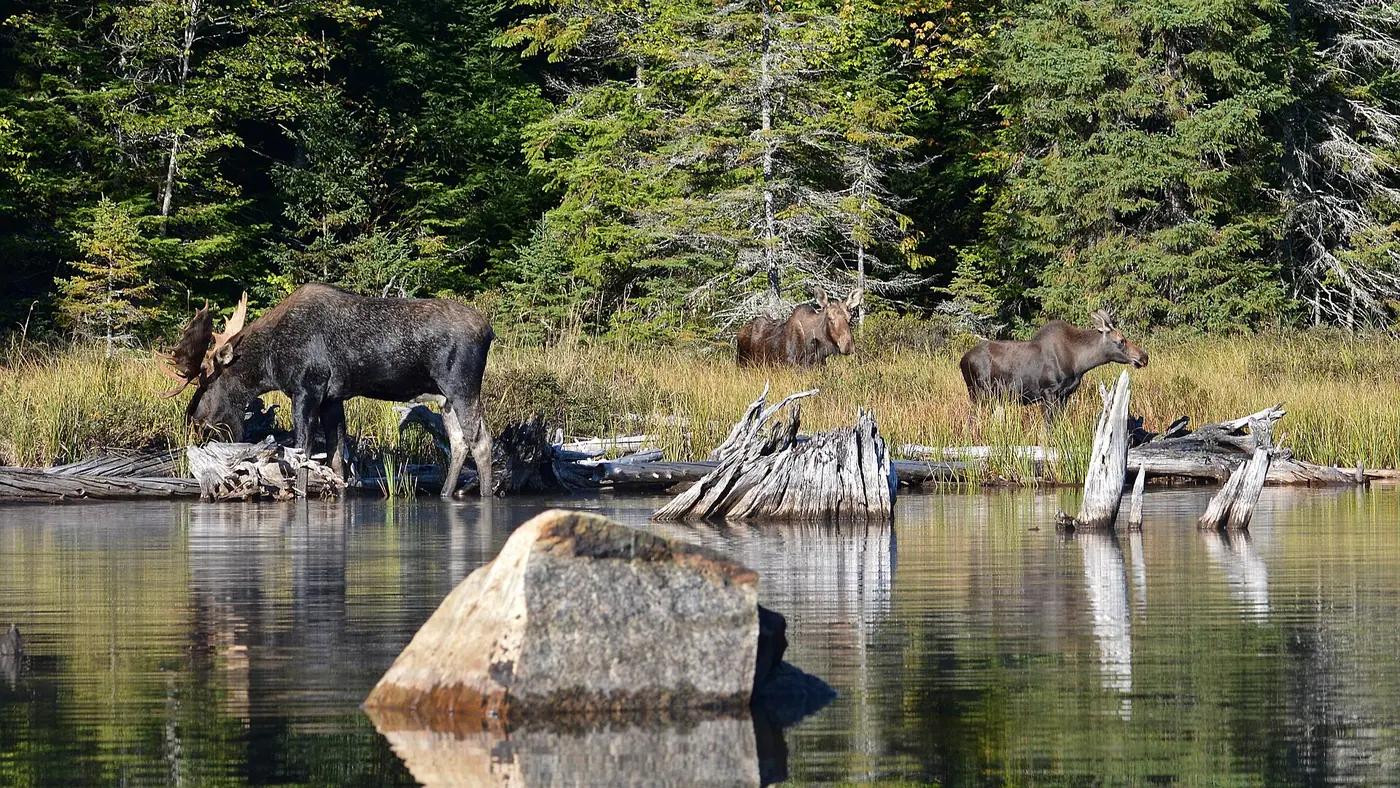
Algonquin Provincial Park is three hours from Toronto and has the most dependable moose viewing in eastern Canada. In May and June the animals stand in the roadside ditches along Highway 60 licking winter salt, and the park's public wolf howls in August draw thousands of people to hear a pack answer a ranger.
At the other end of the province, Toronto is often called the raccoon capital of the world, with Canada geese on every lawn, and a zoo that breeds black-footed ferrets and polar bears. The Donkey Sanctuary of Canada near Guelph rounds out an unusually animal-friendly corner of the country.
Why this location matters
Good location pages explain why the place is worth your time, not just which names belong on a destination checklist.
Point Pelee National Park is the southernmost tip of mainland Canada and the best-known migration trap in the country. The Festival of Birds in May regularly tops 100 species in a day, and in September monarchs cluster on the tip's trees before crossing Lake Erie.
Ontario also holds a population of polar bears that live on land for months at a time, at Polar Bear Provincial Park on Hudson Bay. Few visitors reach it, but it makes Ontario one of the only places where a wildlife list can include both polar bears and hummingbirds.
Where to look
Wildlife map of Ontario
This guide covers the region shown below. Zoom in to get your bearings before planning a trip.
Positions are geocoded from OpenStreetMap. Habitat access and opening times change — check locally before travelling. Smaller pins are public AnimalDex captures, placed to the nearest kilometre.
Field proof
Found in Ontario by AnimalDex users
Real captures logged in the AnimalDex app inside this area and shared publicly by their collectors, with the animal confirmed by the app's identification. Places are shown to the nearest region, never the exact spot.
- 5
- public captures
- 3
- species recorded
- 1
- collectors
- 5
- wild sightings
Recent captures from the field
Species people have actually logged here
Every name links to its species guide. The count is how many public captures of that animal sit inside this area.
Collectors choose to share these captures on Discover and can withdraw them at any time. Coordinates are rounded to about a kilometre and refreshed with each site build.
Animals to spot
These are intentionally practical species picks, balancing accessibility, excitement, and what travelers can realistically notice in the location.
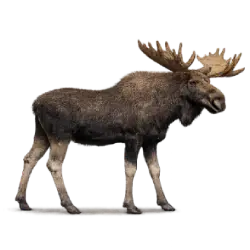
MooseA
Algonquin's Highway 60 corridor is famous for moose in the roadside bogs in May and June, and the park's canoe routes add bulls feeding in beaver ponds all summer.
Spotting note: Near-guaranteed at dawn along Highway 60 in late May; common by canoe all summer.
Read species guide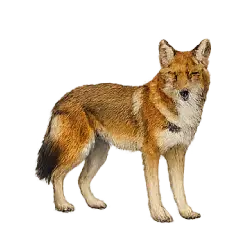
WolfC
Algonquin's eastern wolves answer rangers at the public wolf howls on August Thursdays, one of the most popular wildlife events in Canada.
Spotting note: Heard far more than seen; the August howls succeed most years.
Read species guide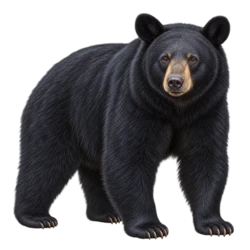
American Black BearB
Common across the Canadian Shield from Algonquin to Thunder Bay, where they feed on blueberries along logging roads in August.
Spotting note: Possible in Algonquin campgrounds; likely on northern roads in berry season.
Read species guide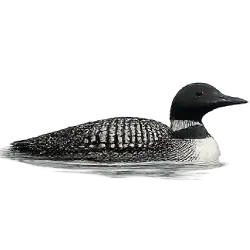
Common LoonC
The provincial bird, calling across Algonquin and Muskoka lakes from ice-out to October and printed on the one-dollar coin for a reason.
Spotting note: Guaranteed on any clear northern lake.
Read species guide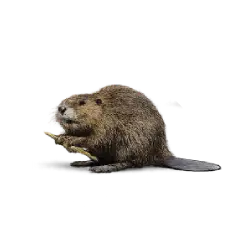
North American BeaverC
Dams every Algonquin creek and slaps its tail at paddlers; the Beaver Pond Trail off Highway 60 passes active lodges.
Spotting note: Likely at dusk on the Beaver Pond Trail and from any canoe route.
Read species guide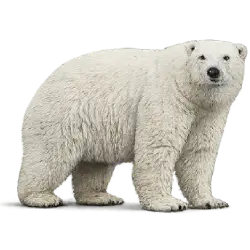
Polar BearA
Lives wild along Ontario's Hudson Bay coast in Polar Bear Provincial Park, and the Toronto Zoo's Tundra Trek is where most Ontarians meet one.
Spotting note: Guaranteed at the Toronto Zoo; wild bears require a chartered flight to the far north.
Read species guide
White-tailed DeerC
Grazes Ottawa's Greenbelt, the Toronto ravines and farm edges from Windsor to Sudbury at dusk.
Spotting note: Guaranteed at dawn and dusk across southern Ontario.
Read species guide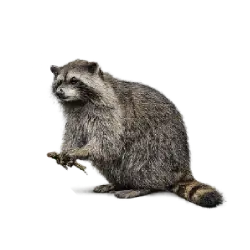
North American RaccoonC
Toronto's raccoons defeat every green bin the city designs and den in garages across the GTA, at some of the highest urban densities ever recorded.
Spotting note: Guaranteed in Toronto after dark.
Read species guide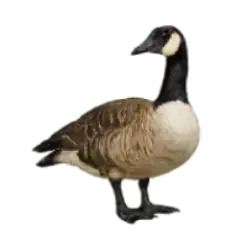
Canada GooseC
Patrols every Toronto waterfront lawn and Ottawa canal bank, and is one of the most-logged Ontario animals in AnimalDex.
Spotting note: Guaranteed year-round in the cities.
Read species guide
American RobinD
The spring arrival every Ontarian waits for, hopping across lawns in Guelph, Kingston and Toronto and logged repeatedly here.
Spotting note: Guaranteed from March to November.
Read species guide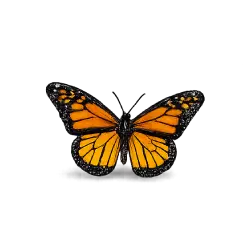
Monarch ButterflyE
Clusters by the thousand on the trees at Point Pelee's tip in mid-September, waiting for a north wind to cross Lake Erie.
Spotting note: Reliable at Point Pelee in the first three weeks of September on cool mornings.
Read species guide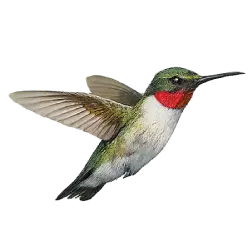
Ruby-throated HummingbirdD
Arrives at Point Pelee and Rondeau in early May and buzzes cottage feeders all summer from Muskoka to Thunder Bay.
Spotting note: Common from May to September at any sugar-water feeder.
Read species guide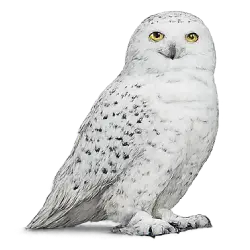
Snowy OwlB
Winters on the open fields of Amherst Island near Kingston and the Toronto waterfront in good years, sitting on fence posts and hay bales.
Spotting note: Regular from December to March on Amherst Island; irruption years bring dozens.
Read species guide
Eastern ChipmunkE
Begs at every Algonquin picnic site and stuffs its cheeks on cottage decks across Muskoka.
Spotting note: Guaranteed from April to October in any park.
Read species guideBest for
Use this section to decide whether the location fits your travel style, skill level, and AnimalDex goals.
- Roadside moose and wolf howls in Algonquin
- Loons, beavers and chipmunks on cottage lakes
- Spring warbler and autumn monarch migration at Point Pelee
- Toronto's raccoons, geese and the Toronto Zoo
Spotting tips
These tips are meant to make the page useful in the field, not just readable on the page.
- 01Drive Algonquin's Highway 60 between the West Gate and Lake of Two Rivers at first light in late May; moose stand in the ditches and you should pull fully off the road to watch.
- 02The public wolf howls run on Thursday nights in August when a pack is near the highway; check the Visitor Centre board that afternoon and bring warm layers.
- 03At Point Pelee, take the first tram to the tip in the second week of May for warblers, or in mid-September on a cool, calm morning for monarchs on the cedars.
- 04For snowy owls, take the Amherst Island ferry from Millhaven on a clear winter day and drive the concession roads slowly, scanning fence posts and hay bales.
Virtual Wildlife Guides
Wildlife guides to Ontario
AnimalDex builds virtual guides from explorers' own wild sightings: which animals they found, how rare they are, and when. A guide is advice from someone who has been there, not a tour. Buying one unlocks the author's notes for every animal, a chat with the author, and introductions to local people they met. Wildlife is never guaranteed.
Checking for virtual guides to Ontario...
How to choose a local wildlife guide in Ontario
- Ask what they usually find in the season you are visiting. A good guide gives an honest answer, not a promised sighting.
- Check how they treat animals: no baiting, calling in, handling, or close flash photography for a better shot.
- Confirm the meeting area, duration, group size, total price, and how you pay before the day, plus any permits or park fees the place requires.
Track the animals you find in Ontario
Build your collection while you travel through Ontario, from easy wins to the species worth planning around.
Related locations
Keep exploring with nearby or similar destinations that support the same kind of AnimalDex discovery.
Animals in Canada: What You Can Spot, Learn, and Collect
A practical Canada wildlife guide built around coasts, forests, migration, and the cold-region species that make the country feel spacious and serious.
Read location guideAnimals in Quebec: What You Can Spot, Learn, and Collect
Quebec wildlife guide: Tadoussac belugas and blue whales, Bonaventure Island's gannets, Cap Tourmente snow geese, Forillon moose and seals, Parc Omega's wolves and bison, and winter snowy owls.
Read location guideAnimals in Michigan: What You Can Spot, Learn, and Collect
Michigan wildlife guide: Isle Royale moose and wolves, Baker Sanctuary's autumn sandhill cranes near Battle Creek, loons and piping plovers on the Great Lakes, and the Detroit Zoo aviary.
Read location guideLocation FAQ
Short direct answers to the questions travelers usually ask before choosing a wildlife destination or zoo day.
What wildlife is there in Ontario?
Moose, black bears, wolves, beavers, loons and otters on the Canadian Shield; white-tailed deer, raccoons, coyotes, foxes, chipmunks and squirrels in the south; polar bears, caribou and snow geese on the Hudson Bay coast; and world-class bird and monarch migration at Point Pelee.
What animals can be found in Ontario's Algonquin Park?
Moose are the headline and are near-guaranteed in late spring; beavers, loons, otters, chipmunks and red squirrels are everywhere; black bears and eastern wolves are present, with wolves heard at the August public howls far more often than seen.
Are there polar bears in Ontario?
Yes. Ontario's Hudson Bay and James Bay coast has a wild polar bear population protected in Polar Bear Provincial Park, reachable only by air. The Toronto Zoo and Cochrane's Polar Bear Habitat are where most visitors see them.
When is the best time to see moose in Ontario?
Late April to June along Algonquin's Highway 60, when moose come to the roadside ditches for salt. Early morning is best, and canoe trips give sightings all summer.
Have AnimalDex users found animals in Ontario?
Yes. AnimalDex users have publicly logged 5 captures of 3 different species in Ontario, including american robin, canada goose, eastern gray squirrel. Each one was photographed in the app at the moment of the sighting.
How do I find a wildlife guide to Ontario?
Check the Wildlife Guides section on this page or browse Wildlife Guides on AnimalDex. Each one is a virtual guide built from an explorer's own wild sightings around Ontario: the animals they found, how rare they are, and when. It is advice from someone who has been there, not a tour. If you want someone with you on the day, compare local guides on wildlife knowledge, how they treat animals, and clear pricing before you go.