

Animals in Michigan: What You Can Spot, Learn, and Collect
Michigan wildlife guide: Isle Royale moose and wolves, Baker Sanctuary's autumn sandhill cranes near Battle Creek, loons and piping plovers on the Great Lakes, and the Detroit Zoo aviary.
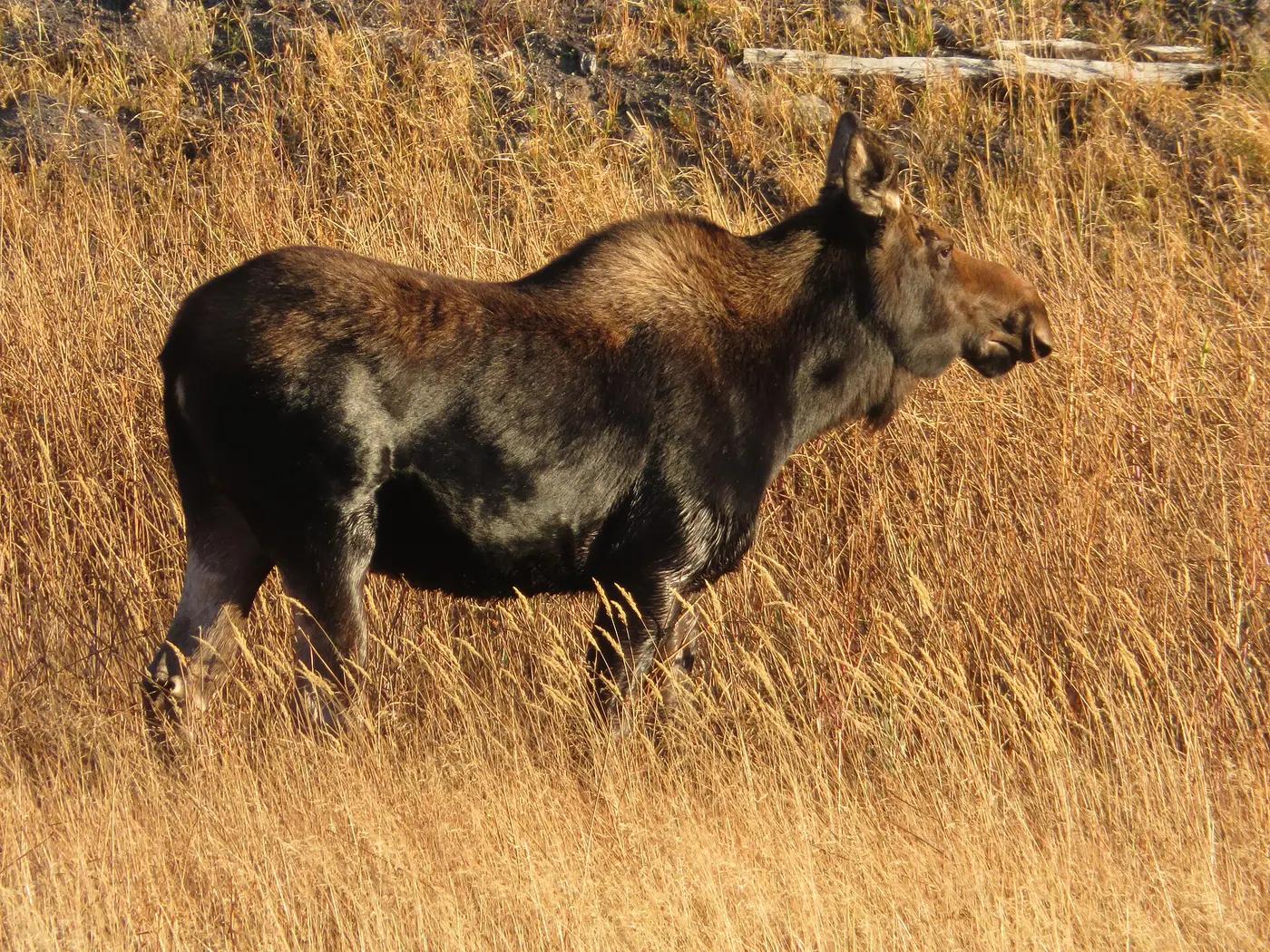
Quick answer
Start with the direct answer, then use the sections below to see why the location matters and which animals are actually realistic to spot there.
Michigan's wildlife splits by peninsula. The Upper Peninsula and Isle Royale have moose, wolves and black bears; the Lower Peninsula has white-tailed deer everywhere, sandhill cranes staging by the thousand at the Baker Sanctuary near Battle Creek each October, loons on northern lakes and piping plovers at Sleeping Bear Dunes. Detroit Zoo adds a free-flight aviary and butterfly house for rainy days.
Isle Royale in Lake Superior is the longest-running predator-prey study on earth, with wolves and moose watched continuously since 1958. Visitors who make the ferry crossing see moose almost daily and hear wolves more often than they see them.
Downstate, the Bernard W. Baker Sanctuary at Bellevue, near Battle Creek, was the first sanctuary in the US created for sandhill cranes. On October evenings thousands drop into Big Marsh Lake in a sound you can hear a mile away.
Start with these animals
Why this location matters
Good location pages explain why the place is worth your time, not just which names belong on a destination checklist.
The Great Lakes piping plover was down to about a dozen pairs in the 1980s. Sleeping Bear Dunes now hosts the core of a population above 80 pairs, and the fenced nests along the beaches are a visible success.
Michigan captures in AnimalDex skew toward painted turtles, robins, gray squirrels and the Detroit Zoo's scarlet ibises and butterflies, which reflects what the state really delivers: everyday wildlife at a very high standard plus a world-class zoo.
Where to look
Wildlife map of Michigan
This guide covers the region shown below. Zoom in to get your bearings before planning a trip.
Positions are geocoded from OpenStreetMap. Habitat access and opening times change — check locally before travelling. Smaller pins are public AnimalDex captures, placed to the nearest kilometre.
Field proof
Found in Michigan by AnimalDex users
Real captures logged in the AnimalDex app inside this area and shared publicly by their collectors, with the animal confirmed by the app's identification. Places are shown to the nearest region, never the exact spot.
- 13
- public captures
- 13
- species recorded
- 2
- collectors
- 4
- wild sightings
Recent captures from the field
Species people have actually logged here
Every name links to its species guide. The count is how many public captures of that animal sit inside this area.
- American Robin1 capture
- Black Ant1 capture
- Black Ground Beetle1 capture
- Blue-and-yellow Macaw1 capture
- Carolina Wolf Spider1 capture
- Common Warthog1 capture
- Daddy Long-Legs Spider1 capture
- Eastern Gray Squirrel1 capture
- Hecale Longwing1 capture
- Malachite Butterfly1 capture
- Painted Turtle1 capture
- Postman Butterfly1 capture
- Scarlet Ibis1 capture
Collectors choose to share these captures on Discover and can withdraw them at any time. Coordinates are rounded to about a kilometre and refreshed with each site build.
Animals to spot
These are intentionally practical species picks, balancing accessibility, excitement, and what travelers can realistically notice in the location.
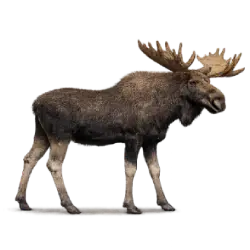
MooseA
Isle Royale National Park holds around a thousand moose on an island without roads, and they wade the inland lakes beside the Rock Harbor and Windigo trails.
Spotting note: Near-guaranteed on a multi-day Isle Royale trip; a small mainland herd lives in the western Upper Peninsula.
Read species guide
Gray WolfB
Isle Royale's wolves were restocked from the mainland in 2018 to 2019 and now number around 30, and the Upper Peninsula has over 600 more.
Spotting note: Rarely seen; tracks and howls on Isle Royale are realistic, sightings are a bonus.
Read species guide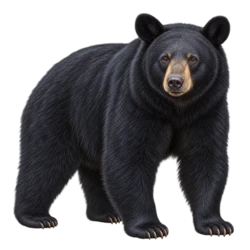
American Black BearB
Common across the Upper Peninsula and the northern Lower Peninsula, where blueberry patches and campground bins draw them in late summer.
Spotting note: Possible at dusk in the UP from May to October; keep a clean camp.
Read species guide
Sandhill CraneC
The Baker Sanctuary near Battle Creek and the nearby Phyllis Haehnle Sanctuary at Jackson stage several thousand cranes each October before they leave for Florida.
Spotting note: Reliable at the sanctuaries from late September to mid-November; pairs breed across southern Michigan marshes.
Read species guide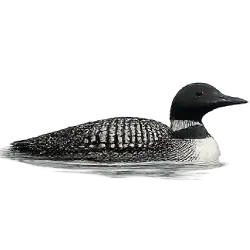
Common LoonC
Calls across northern Lower Peninsula lakes like Higgins and Hubbard and the Seney refuge pools in the UP from April to October.
Spotting note: Common on clear northern lakes; the Seney wildlife drive is the easy option.
Read species guide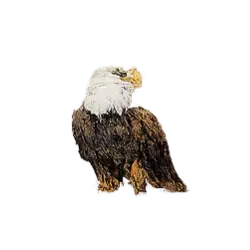
Bald EagleB
Over 800 nesting pairs statewide, fishing the Au Sable, the Manistee and the Lake Michigan shore, with winter birds below the Croton and Hardy dams.
Spotting note: Common year-round along big rivers and Great Lakes shores.
Read species guide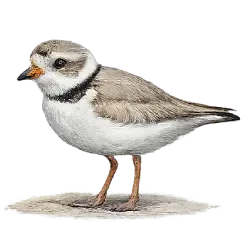
Piping PloverD
Sleeping Bear Dunes is the stronghold of the endangered Great Lakes population, with roped-off nests on the Platte River beach each summer.
Spotting note: Reliable at Sleeping Bear from May to July if you respect the closures.
Read species guide
White-tailed DeerC
Michigan has close to two million deer, and they graze suburban lawns in Ann Arbor as readily as UP clearcuts.
Spotting note: Guaranteed anywhere at dusk.
Read species guide
Painted TurtleE
The state reptile lines up on logs in every farm pond and park lake from Detroit's Belle Isle northward, and tops the Michigan reptile captures in AnimalDex.
Spotting note: Common on sunny days from April to October.
Read species guide
American RobinD
The state bird, hopping across lawns from Grand Rapids to Marquette and among the most-logged Michigan species.
Spotting note: Guaranteed from March to November; some winter in fruiting trees.
Read species guide Eastern Gray SquirrelD
Downstate parks and campuses are full of them, and Michigan is also home to the black colour phase that dominates in places like Lansing and Ann Arbor.
Spotting note: Guaranteed in any southern Michigan park.
Read species guide
Ring-billed GullD
The default gull of Great Lakes beaches, Detroit riverfront car parks and every fast-food lot, nesting in huge colonies on harbour breakwaters.
Spotting note: Abundant year-round.
Read species guide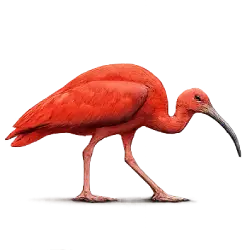
Scarlet IbisC
A Detroit Zoo resident: the Matilda Wilson Free-Flight Aviary lets visitors walk among scarlet ibises, and it is one of the Michigan zoo captures AnimalDex users log most.
Spotting note: Guaranteed at Detroit Zoo's aviary.
Read species guide
Postman ButterflyE
One of the tropical butterflies flying free in the Detroit Zoo's Butterfly Garden, alongside longwings and malachites, all logged by visitors.
Spotting note: Guaranteed inside the Butterfly Garden on any zoo day.
Read species guideBest for
Use this section to decide whether the location fits your travel style, skill level, and AnimalDex goals.
- Isle Royale moose and the sound of wolves
- October sandhill crane roosts near Battle Creek
- Loons, eagles and plovers around the Great Lakes shore
- Detroit Zoo's walk-through aviary and butterfly house
Spotting tips
These tips are meant to make the page useful in the field, not just readable on the page.
- 01For Isle Royale, take the Ranger III from Houghton or the Isle Royale Queen from Copper Harbor and stay at least two nights; moose feed in Washington Creek at Windigo and in Tobin Harbor at dawn.
- 02Arrive at the Baker Sanctuary's Kiwanis Youth Area overlook an hour before sunset in October, dress for cold, and listen before you look: the cranes announce themselves.
- 03The Seney National Wildlife Refuge Marshland Wildlife Drive in the UP gives loons, trumpeter swans, eagles and sometimes bear and otter from the car.
- 04Stay outside the plover fencing at Sleeping Bear and keep dogs leashed; the birds nest on the open sand and abandon disturbed nests.
Virtual Wildlife Guides
Wildlife guides to Michigan
AnimalDex builds virtual guides from explorers' own wild sightings: which animals they found, how rare they are, and when. A guide is advice from someone who has been there, not a tour. Buying one unlocks the author's notes for every animal, a chat with the author, and introductions to local people they met. Wildlife is never guaranteed.
Checking for virtual guides to Michigan...
How to choose a local wildlife guide in Michigan
- Ask what they usually find in the season you are visiting. A good guide gives an honest answer, not a promised sighting.
- Check how they treat animals: no baiting, calling in, handling, or close flash photography for a better shot.
- Confirm the meeting area, duration, group size, total price, and how you pay before the day, plus any permits or park fees the place requires.
Track the animals you find in Michigan
Build your collection while you travel through Michigan, from easy wins to the species worth planning around.
Related locations
Keep exploring with nearby or similar destinations that support the same kind of AnimalDex discovery.
Animals in the United States: What You Can Spot, Learn, and Collect
A practical United States wildlife guide built around habitat variety, from wetlands and coastlines to migration corridors and iconic American species.
Read location guideAnimals in Illinois: What You Can Spot, Learn, and Collect
Illinois wildlife guide: Chicago lakefront migration at Montrose Point, urban coyotes and peregrines, Mississippi River eagles and pelicans, Shawnee's snake migration, and Brookfield Zoo.
Read location guideAnimals in Ontario: What You Can Spot, Learn, and Collect
Ontario wildlife guide: Algonquin moose and wolf howls, Toronto raccoons and the Toronto Zoo, Point Pelee's monarch and warbler migrations, loons on cottage lakes and polar bears on Hudson Bay.
Read location guideLocation FAQ
Short direct answers to the questions travelers usually ask before choosing a wildlife destination or zoo day.
What wildlife is there in Michigan?
Moose, gray wolves and black bears in the Upper Peninsula and on Isle Royale; white-tailed deer, coyotes, foxes and turkeys statewide; loons, bald eagles, sandhill cranes and piping plovers around the lakes; and painted turtles, robins and squirrels in every town.
What animals can be found in Michigan's Isle Royale?
Moose are the main draw and are seen almost daily; the island also has wolves, red foxes, beavers, river otters, snowshoe hares, loons and bald eagles. There are no bears or deer on Isle Royale.
Where can you see sandhill cranes in Michigan?
The Bernard W. Baker Sanctuary at Bellevue near Battle Creek and the Phyllis Haehnle Memorial Sanctuary near Jackson both host thousands of cranes at dusk from late September to mid-November, with a CraneFest at Baker in October.
Have AnimalDex users found animals in Michigan?
Yes. AnimalDex users have publicly logged 13 captures of 13 different species in Michigan, including american robin, black ant, black ground beetle, blue-and-yellow macaw. Each one was photographed in the app at the moment of the sighting.
How do I find a wildlife guide to Michigan?
Check the Wildlife Guides section on this page or browse Wildlife Guides on AnimalDex. Each one is a virtual guide built from an explorer's own wild sightings around Michigan: the animals they found, how rare they are, and when. It is advice from someone who has been there, not a tour. If you want someone with you on the day, compare local guides on wildlife knowledge, how they treat animals, and clear pricing before you go.