

Animals in Sulawesi: What You Can Spot, Learn, and Collect
Sulawesi wildlife guide: tarsiers and crested macaques at Tangkoko, babirusa and anoa at Nantu, knobbed hornbills, and the reefs of Bunaken and Lembeh.
Quick answer
Start with the direct answer, then use the sections below to see why the location matters and which animals are actually realistic to spot there.
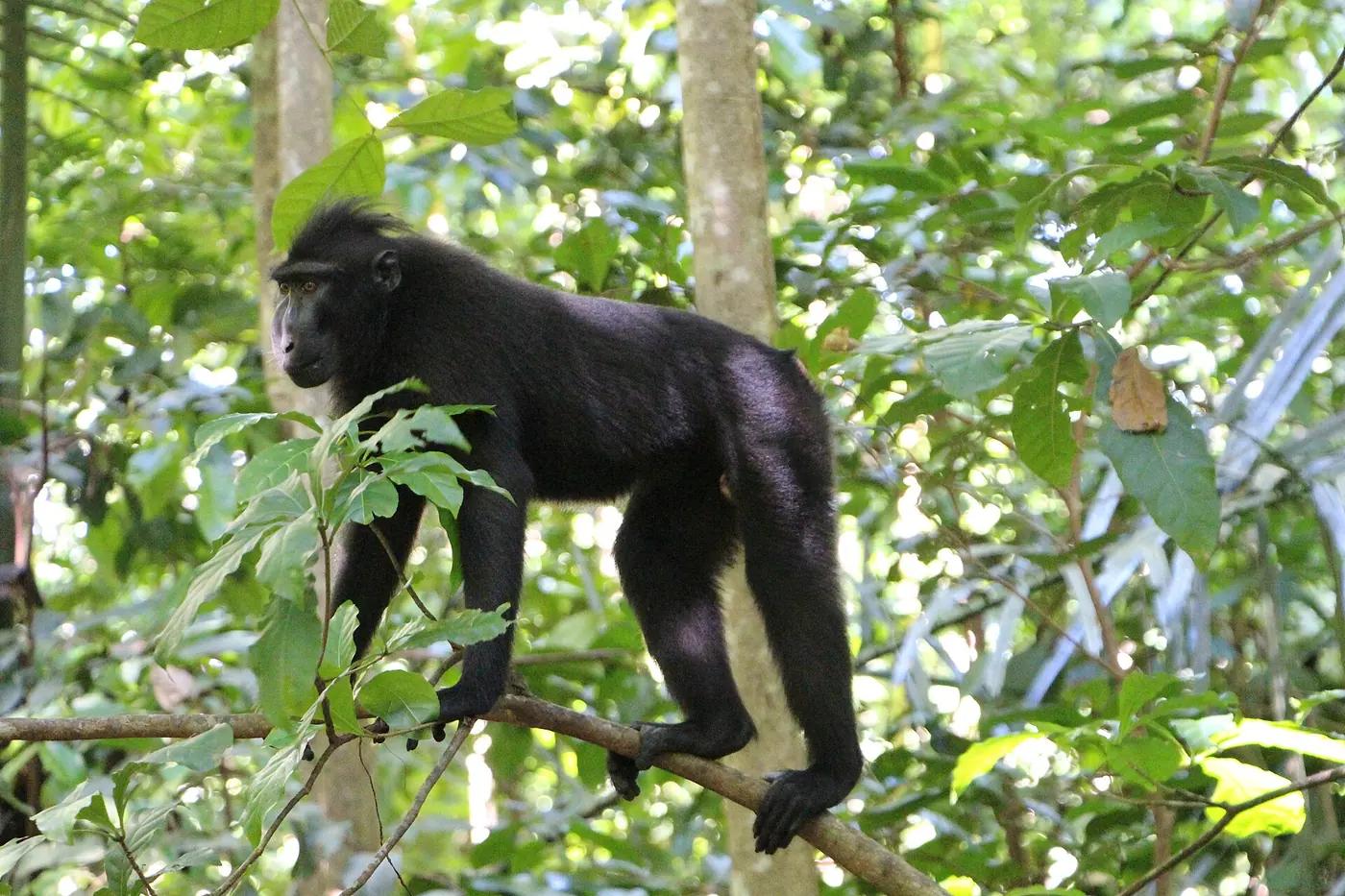
Sulawesi sits in Wallacea, so most of its mammals are found nowhere else: spectral tarsiers, Celebes crested macaques, babirusa, anoa and the knobbed hornbill. Tangkoko near Manado shows tarsiers and macaques in an afternoon, and Bunaken and the Lembeh Strait add turtles, pygmy seahorses and flamboyant cuttlefish.
Sulawesi's four long peninsulas were never joined to Asia or Australia, and the result is an island where almost every mammal is endemic. Tangkoko Batuangus near Bitung is the easy showcase, Lore Lindu in Central Sulawesi and Nantu in Gorontalo are the deeper options.
The sea is the other half of the story. Bunaken's walls off Manado and the black-sand muck of the Lembeh Strait hold some of the strangest small marine life on earth, and AnimalDex users around Manado log the ants, cockroaches and geckos of the city too.
Why this location matters
Good location pages explain why the place is worth your time, not just which names belong on a destination checklist.
Crested macaques have lost around 80 percent of their population in 40 years to hunting and forest loss; Tangkoko is one of the last places they are habituated and safe to watch.
Wallacea is a natural experiment in evolution, and a Sulawesi list sits apart from any other Indonesian island in a collection.
Where to look
Wildlife map of Sulawesi
This guide covers the region shown below. Zoom in to get your bearings before planning a trip.
Positions are geocoded from OpenStreetMap. Habitat access and opening times change — check locally before travelling. Smaller pins are public AnimalDex captures, placed to the nearest kilometre.
Field proof
Found in Sulawesi by AnimalDex users
Real captures logged in the AnimalDex app inside this area and shared publicly by their collectors, with the animal confirmed by the app's identification. Places are shown to the nearest region, never the exact spot.
- 4
- public captures
- 4
- species recorded
- 2
- collectors
- 4
- wild sightings
Recent captures from the field
Species people have actually logged here
Every name links to its species guide. The count is how many public captures of that animal sit inside this area.
Collectors choose to share these captures on Discover and can withdraw them at any time. Coordinates are rounded to about a kilometre and refreshed with each site build.
Animals to spot
These are intentionally practical species picks, balancing accessibility, excitement, and what travelers can realistically notice in the location.
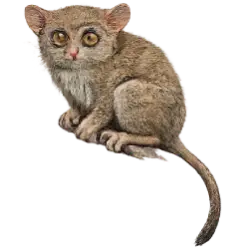
Spectral TarsierD
At dusk the Tangkoko tarsiers leave their strangler-fig roost in a chorus of squeaks and leap between saplings a metre from the trail.
Spotting note: Near-guaranteed at Tangkoko with a ranger at 5.30 pm.
Read species guide
Celebes Crested MacaqueB
Habituated troops of black, punk-crested macaques forage along the Tangkoko beach forest and let you sit among them.
Spotting note: Reliable at Tangkoko; wild elsewhere in the north and Critically Endangered.
Read species guide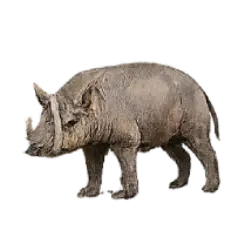
BabirusaB
The 'deer-pig' with tusks curling through its snout visits the Adudu salt lick in Nantu forest, Gorontalo, most mornings.
Spotting note: Rare; Nantu's hide is the only reliable site and needs permits.
Read species guide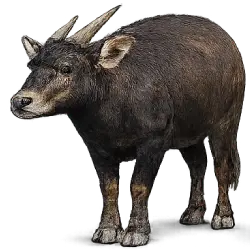
Lowland AnoaB
A dwarf buffalo of dense forest that also comes to the Nantu salt lick and leaves hoofprints on Lore Lindu trails.
Spotting note: Very rare; most visitors see tracks only.
Read species guide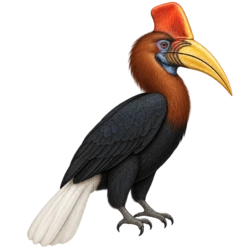
Knobbed HornbillC
Sulawesi's big red-knobbed hornbill gathers at fruiting figs in Tangkoko and Lore Lindu and is logged by users in Banten's bird parks too.
Spotting note: Common in Tangkoko; listen for the barking call.
Read species guide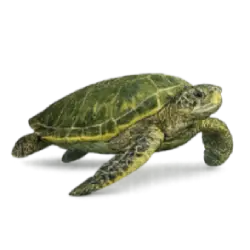
Green Sea TurtleC
Turtles graze the walls of Bunaken National Park and rest on ledges at Lekuan, often several on one dive.
Spotting note: Near-guaranteed on Bunaken dives and snorkels.
Read species guide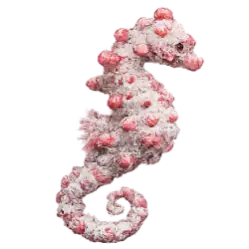
Pygmy SeahorseE
Lembeh and Bunaken guides know individual sea fans where Bargibant's pygmy seahorses live.
Spotting note: Reliable with a guide who knows the fan; hard to find alone.
Read species guide
Flamboyant CuttlefishC
The Lembeh Strait's signature find, walking across black sand while pulsing purple and yellow.
Spotting note: Regular on Lembeh muck dives.
Read species guide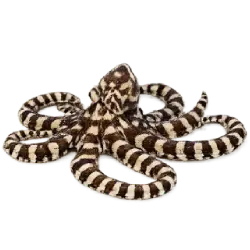
Mimic OctopusC
First described from Sulawesi sand flats, where it imitates flatfish and lionfish on the Lembeh slopes.
Spotting note: Uncommon; a prize on Lembeh dives.
Read species guide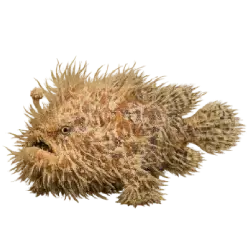
Hairy FrogfishD
Sits on the Lembeh sand looking like a clump of algae while luring prey with a worm-shaped bait.
Spotting note: Regular in Lembeh with a sharp-eyed guide.
Read species guide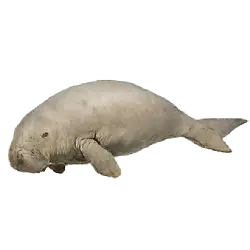
DugongC
Dugongs still graze seagrass off Bunaken, Siladen and the Togean islands, surfacing briefly to breathe.
Spotting note: Rare and lucky; most often seen from boats early in the morning.
Read species guide
Asian Weaver AntE
The most-logged animal by AnimalDex users in North Sulawesi, nesting in clove and coconut trees around Manado.
Spotting note: Guaranteed in any garden.
Read species guide
CockroachE
Logged in Manado and Makassar kitchens; the humidity of coastal Sulawesi suits them perfectly.
Spotting note: Guaranteed after dark, like it or not.
Read species guideBest for
Use this section to decide whether the location fits your travel style, skill level, and AnimalDex goals.
- Tarsier and crested macaque walks at Tangkoko
- Muck diving in the Lembeh Strait
- Wall diving and turtles at Bunaken
- Deep-forest endemics at Lore Lindu and Nantu
Spotting tips
These tips are meant to make the page useful in the field, not just readable on the page.
- 01Do Tangkoko as an afternoon walk: macaques on the beach forest at 3 pm, tarsiers emerging at the fig roost at 5.30 pm.
- 02Lembeh is a guide's game; tell your dive guide exactly which species you want and let them hunt.
- 03Nantu requires permits through the Gorontalo conservation office and a night in the field station near the salt lick.
- 04Lore Lindu's Anaso track above Lake Tambing is the easiest place for hornbills, tarsiers and endemic birds in Central Sulawesi.
Virtual Wildlife Guides
Wildlife guides to Sulawesi
AnimalDex builds virtual guides from explorers' own wild sightings: which animals they found, how rare they are, and when. A guide is advice from someone who has been there, not a tour. Buying one unlocks the author's notes for every animal, a chat with the author, and introductions to local people they met. Wildlife is never guaranteed.
Checking for virtual guides to Sulawesi...
How to choose a local wildlife guide in Sulawesi
- Ask what they usually find in the season you are visiting. A good guide gives an honest answer, not a promised sighting.
- Check how they treat animals: no baiting, calling in, handling, or close flash photography for a better shot.
- Confirm the meeting area, duration, group size, total price, and how you pay before the day, plus any permits or park fees the place requires.
Track the animals you find in Sulawesi
Build your collection while you travel through Sulawesi, from easy wins to the species worth planning around.
Related locations
Keep exploring with nearby or similar destinations that support the same kind of AnimalDex discovery.
Animals in the Togean Islands: What You Can Spot, Learn, and Collect
Togean Islands wildlife guide: coconut crabs, Togean babirusa and knobbed hornbills, stingless jellyfish at Mariona lake, dugongs, turtles and reef sharks.
Read location guideAnimals in the Maluku Islands: What You Can Spot, Learn, and Collect
Maluku wildlife guide: Wallace's standardwing on Halmahera, umbrella and salmon-crested cockatoos, red lories on Ambon, and the sea kraits of the Banda islands.
Read location guideAnimals in Indonesia: What You Can Spot, Learn, and Collect
A practical guide to animals in Indonesia, from accessible birds and coastal wildlife to headline species that make the country one of the world's strongest wildlife-travel destinations.
Read location guideLocation FAQ
Short direct answers to the questions travelers usually ask before choosing a wildlife destination or zoo day.
What wildlife is there in Sulawesi?
Sulawesi has endemic mammals including the spectral tarsier, Celebes crested macaque, babirusa and anoa, plus the knobbed hornbill and maleo among its birds. Its reefs at Bunaken and Lembeh hold turtles, pygmy seahorses, flamboyant cuttlefish and mimic octopus.
What animals can be found in Sulawesi?
Tarsiers and crested macaques are easy at Tangkoko near Manado. Babirusa and anoa are rare forest animals best tried at Nantu in Gorontalo. Everyday animals include weaver ants, geckos, macaques and sea turtles.
Where can you see tarsiers in Sulawesi?
Tangkoko Batuangus Nature Reserve near Bitung, about two hours from Manado, has habituated spectral tarsiers that emerge from fig-tree roosts at dusk almost every evening. Rangers walk you to the roost trees.
Is Sulawesi good for diving?
Yes. Bunaken has steep coral walls with turtles and reef fish, while the Lembeh Strait is arguably the world's best muck-diving site for small, strange species such as frogfish, flamboyant cuttlefish and pygmy seahorses.
Have AnimalDex users found animals in Sulawesi?
Yes. AnimalDex users have publicly logged 4 captures of 4 different species in Sulawesi, including asian weaver ant, cockroach, domestic pigeon, ghost ant. Each one was photographed in the app at the moment of the sighting.
How do I find a wildlife guide to Sulawesi?
Check the Wildlife Guides section on this page or browse Wildlife Guides on AnimalDex. Each one is a virtual guide built from an explorer's own wild sightings around Sulawesi: the animals they found, how rare they are, and when. It is advice from someone who has been there, not a tour. If you want someone with you on the day, compare local guides on wildlife knowledge, how they treat animals, and clear pricing before you go.