

Animals in the Maluku Islands: What You Can Spot, Learn, and Collect
Maluku wildlife guide: Wallace's standardwing on Halmahera, umbrella and salmon-crested cockatoos, red lories on Ambon, and the sea kraits of the Banda islands.
Quick answer
Start with the direct answer, then use the sections below to see why the location matters and which animals are actually realistic to spot there.
The Maluku Islands are the original Spice Islands and the heart of Wallacea. Halmahera has Wallace's standardwing bird-of-paradise and the white umbrella cockatoo, Seram has the salmon-crested cockatoo and Manusela National Park, Ambon has red lories and world-class muck diving, and the Banda islands have sea kraits, big reef fish and the odd hammerhead.
Maluku is two provinces, North Maluku around Ternate and Halmahera, and Maluku around Ambon, Seram and the Banda, Kei and Tanimbar islands. Alfred Russel Wallace posted his natural-selection essay from Ternate in 1858 and discovered the standardwing on Bacan later that year.
Travel runs through Ambon and Ternate airports and onward by ferry and speedboat. Birders head for Weda Bay or Foli on Halmahera and Manusela on Seram; divers base in Ambon Bay or the Banda islands.
Why this location matters
Good location pages explain why the place is worth your time, not just which names belong on a destination checklist.
Maluku's parrots and cockatoos have been hammered by the cage-bird trade; the salmon-crested cockatoo is Vulnerable and the Goffin's cockatoo of Tanimbar is traded in the thousands. Seeing them wild on Seram or Halmahera is the point.
Standardwing display sites on Halmahera are run by villages, and Weda Bay's nickel mining boom makes every documented sighting more valuable.
Where to look
Wildlife map of Maluku Islands
This guide covers the region shown below. Zoom in to get your bearings before planning a trip.
Positions are geocoded from OpenStreetMap. Habitat access and opening times change — check locally before travelling. Smaller pins are public AnimalDex captures, placed to the nearest kilometre.
Field proof
Found in Maluku Islands by AnimalDex users
Real captures logged in the AnimalDex app inside this area and shared publicly by their collectors, with the animal confirmed by the app's identification. Places are shown to the nearest region, never the exact spot.
- 1
- public captures
- 1
- species recorded
- 1
- collectors
- 1
- wild sightings
Recent captures from the field
Species people have actually logged here
Every name links to its species guide. The count is how many public captures of that animal sit inside this area.
Collectors choose to share these captures on Discover and can withdraw them at any time. Coordinates are rounded to about a kilometre and refreshed with each site build.
Animals to spot
These are intentionally practical species picks, balancing accessibility, excitement, and what travelers can realistically notice in the location.

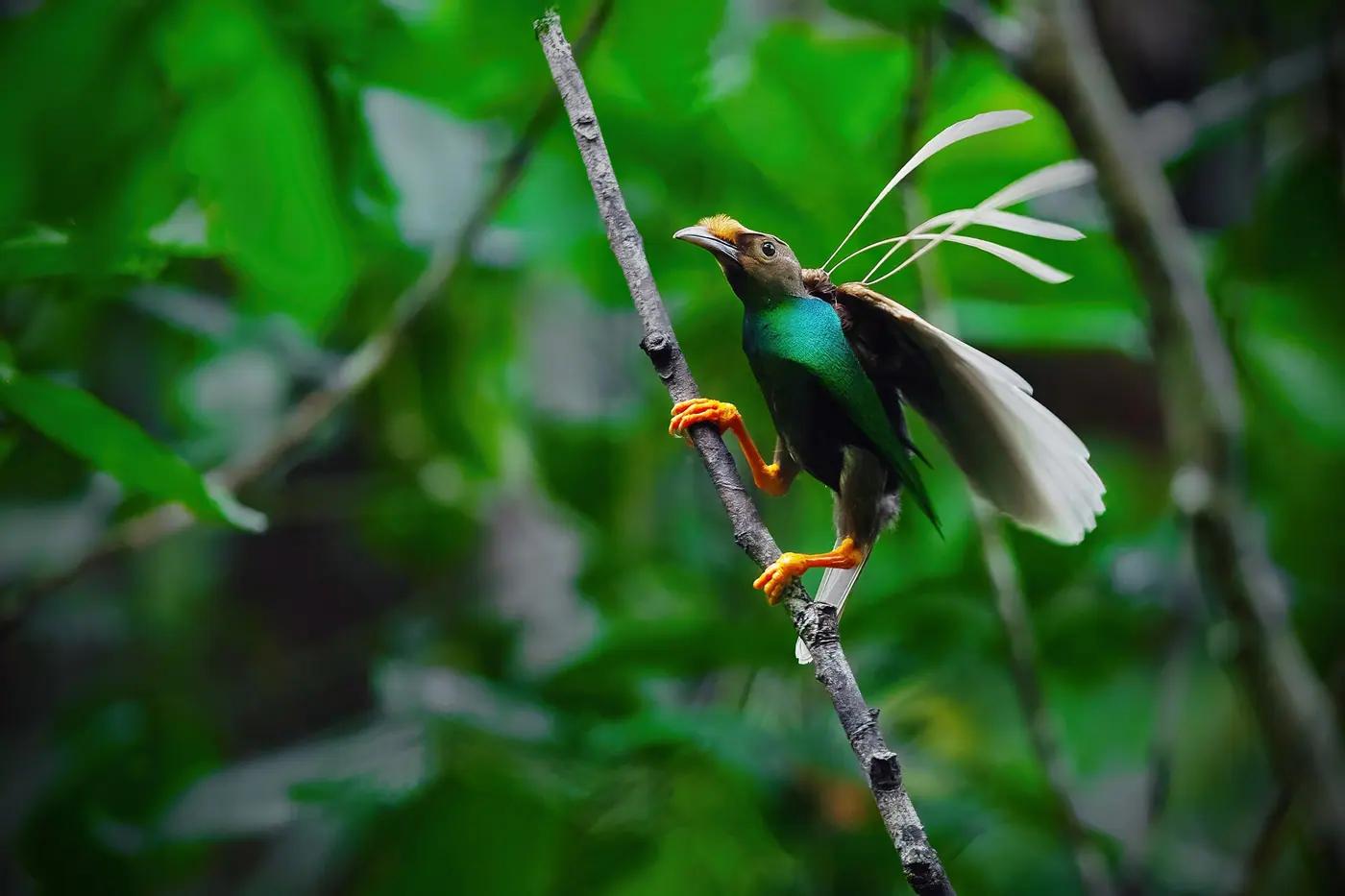
Standardwing Bird-of-paradiseC
Wallace's standardwing displays at dawn in communal trees in the Halmahera lowlands near Weda and Foli, raising white shoulder plumes and spinning.
Spotting note: Reliable at known display trees with a village guide; a 4.30 am start.
Read species guide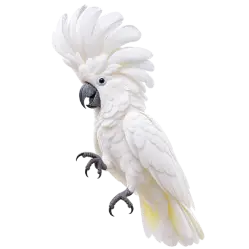
Umbrella CockatooC
Pure white cockatoos scream over the Halmahera forest edge and village coconut groves at dusk; logged by AnimalDex users at bird parks in West Java.
Spotting note: Fairly common on Halmahera, Bacan and Ternate forest edge.
Read species guide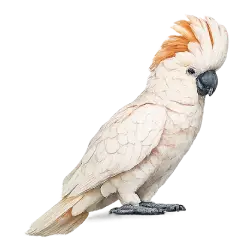
Salmon-crested CockatooC
Seram's own pink-tinged cockatoo feeds in fruiting trees around Manusela National Park and the Sawai coast.
Spotting note: Uncommon; best around Sawai and the Wae Fufa trail.
Read species guide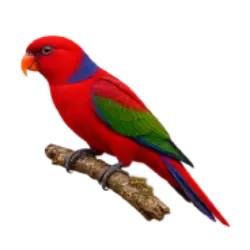
Red LoryD
Flocks of scarlet lories race between flowering trees on Ambon, Seram and Buru; the species is native only to these islands.
Spotting note: Common on Seram and in Ambon's hill gardens.
Read species guide
Eclectus ParrotC
Green males and red-and-blue females nest in hollows across Halmahera and Seram, calling with a harsh screech over the canopy.
Spotting note: Common in lowland forest across Maluku.
Read species guide
Goffin's CockatooC
Goffin's cockatoo is endemic to the Tanimbar islands in the far south of Maluku, feeding in flocks on coastal forest and gardens.
Spotting note: Common on Yamdena but a long way from anywhere.
Read species guide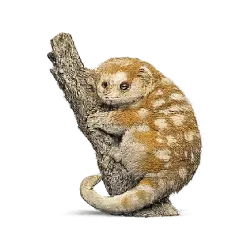
Spotted CuscusC
Seram, Ambon, Buru and the Kei islands are the western edge of its natural range; it rests in dense foliage by day.
Spotting note: Uncommon; spotlight fruiting trees near villages.
Read species guide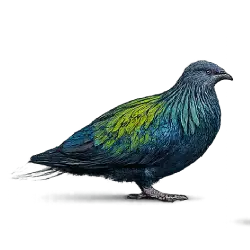
Nicobar PigeonC
Iridescent pigeons roost on small offshore islets around Halmahera and the Kei islands and fly to larger islands to feed.
Spotting note: Uncommon; boat trips to uninhabited islets at dawn.
Read species guide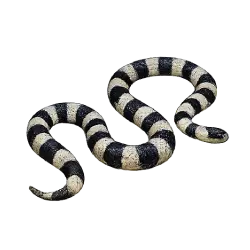
Sea KraitC
Banded sea kraits swarm around Gunung Api in the Banda islands and the Ambon Bay shoreline, coming ashore to rest in rock crevices.
Spotting note: Near-guaranteed on Banda dives; venomous but not aggressive.
Read species guide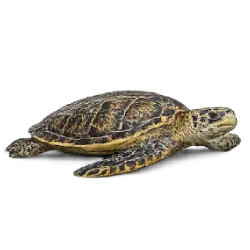
Hawksbill Sea TurtleC
Hawksbills nibble sponges on the Banda, Seram and Halmahera reefs and nest on remote Kei beaches.
Spotting note: Regular on reef dives throughout Maluku.
Read species guide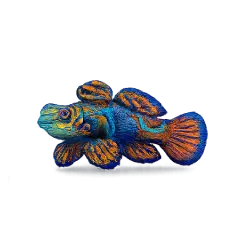
MandarinfishD
Pairs rise from the rubble at dusk to spawn in Ambon Bay and Banda harbour, a classic Maluku dive.
Spotting note: Reliable on dusk dives in Banda harbour and off Ambon.
Read species guide
Psychedelic FrogfishD
Discovered in Ambon Bay in 2008 and still found only here, hopping across the rubble with its swirled pattern.
Spotting note: Very rare; a few are found each year by Ambon dive guides.
Read species guide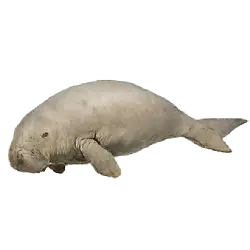
DugongC
Seagrass beds off Seram's north coast and the Kei islands still support small dugong groups.
Spotting note: Rare; fishermen at Sawai sometimes know where one is grazing.
Read species guide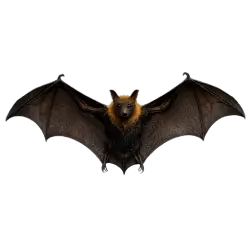
Fruit BatB
Maluku has its own flying foxes rather than the large flying fox of western Indonesia; they pour out of mangrove roosts over Ambon Bay and Ternate at dusk and feed in the clove and nutmeg groves.
Spotting note: Common at dusk across the islands.
Read species guideBest for
Use this section to decide whether the location fits your travel style, skill level, and AnimalDex goals.
- Standardwing dawn displays on Halmahera
- Wild cockatoos and lories on Seram and Ambon
- Sea kraits and big-fish diving in the Banda islands
- Muck diving and rare frogfish in Ambon Bay
Spotting tips
These tips are meant to make the page useful in the field, not just readable on the page.
- 01For the standardwing, sleep in Weda or Foli and be at the display tree before 5 am; the show lasts about an hour.
- 02Parrots and cockatoos are easiest at dusk from a village clearing or beach where they fly to roost.
- 03Banda is reached by Pelni ferry or small plane from Ambon; the sea kraits at Gunung Api are a snorkel, not a dive.
- 04Ambon Bay's rubble slopes reward slow, patient dives with a guide who knows where this week's frogfish are sitting.
Virtual Wildlife Guides
Wildlife guides to Maluku Islands
AnimalDex builds virtual guides from explorers' own wild sightings: which animals they found, how rare they are, and when. A guide is advice from someone who has been there, not a tour. Buying one unlocks the author's notes for every animal, a chat with the author, and introductions to local people they met. Wildlife is never guaranteed.
Checking for virtual guides to Maluku Islands...
How to choose a local wildlife guide in Maluku Islands
- Ask what they usually find in the season you are visiting. A good guide gives an honest answer, not a promised sighting.
- Check how they treat animals: no baiting, calling in, handling, or close flash photography for a better shot.
- Confirm the meeting area, duration, group size, total price, and how you pay before the day, plus any permits or park fees the place requires.
Track the animals you find in Maluku Islands
Build your collection while you travel through Maluku Islands, from easy wins to the species worth planning around.
Related locations
Keep exploring with nearby or similar destinations that support the same kind of AnimalDex discovery.
Animals in Papua: What You Can Spot, Learn, and Collect
Papua wildlife guide: birds-of-paradise in the Arfak hills, cassowaries and crowned pigeons, cuscus and wallabies at Wasur, and Cenderawasih Bay whale sharks.
Read location guideAnimals in Sulawesi: What You Can Spot, Learn, and Collect
Sulawesi wildlife guide: tarsiers and crested macaques at Tangkoko, babirusa and anoa at Nantu, knobbed hornbills, and the reefs of Bunaken and Lembeh.
Read location guideAnimals in Indonesia: What You Can Spot, Learn, and Collect
A practical guide to animals in Indonesia, from accessible birds and coastal wildlife to headline species that make the country one of the world's strongest wildlife-travel destinations.
Read location guideLocation FAQ
Short direct answers to the questions travelers usually ask before choosing a wildlife destination or zoo day.
What wildlife is there in the Maluku Islands?
Maluku has Wallace's standardwing bird-of-paradise, umbrella and salmon-crested cockatoos, red lories and eclectus parrots in its forests, spotted cuscus in its trees, and sea kraits, hawksbill turtles, mandarinfish and rare frogfish on its reefs.
What animals can be found in Maluku?
Halmahera has the standardwing and umbrella cockatoo, Seram has the salmon-crested cockatoo and Manusela's forest birds, Ambon has red lories and muck-diving species, and the Banda islands are famous for banded sea kraits. Flying foxes and sea turtles occur throughout.
Where is the best place to see Wallace's standardwing?
Halmahera, at display trees near Weda Bay on the east coast or Foli in the north-east. Village guides walk you in before dawn and the males display for about an hour after first light.
Are the Maluku Islands good for diving?
Yes, for two different reasons. Ambon Bay is a top muck-diving site for frogfish, rhinopias and mandarinfish, while the Banda islands have clear water, big reef fish, sea kraits and occasional hammerheads from September to December.
Have AnimalDex users found animals in Maluku Islands?
Yes. AnimalDex users have publicly logged 1 captures of 1 different species in Maluku Islands, including red junglefowl. Each one was photographed in the app at the moment of the sighting.
How do I find a wildlife guide to Maluku Islands?
Check the Wildlife Guides section on this page or browse Wildlife Guides on AnimalDex. Each one is a virtual guide built from an explorer's own wild sightings around Maluku Islands: the animals they found, how rare they are, and when. It is advice from someone who has been there, not a tour. If you want someone with you on the day, compare local guides on wildlife knowledge, how they treat animals, and clear pricing before you go.