

Animals in Switzerland: What You Can Spot, Learn, and Collect
Swiss wildlife: ibex, chamois and marmots in the Swiss National Park, Engadin eagles and bearded vultures, Jura lynx, wolves, red kites, Zurich foxes, Basel's rhinos.
Quick answer
Start with the direct answer, then use the sections below to see why the location matters and which animals are actually realistic to spot there.
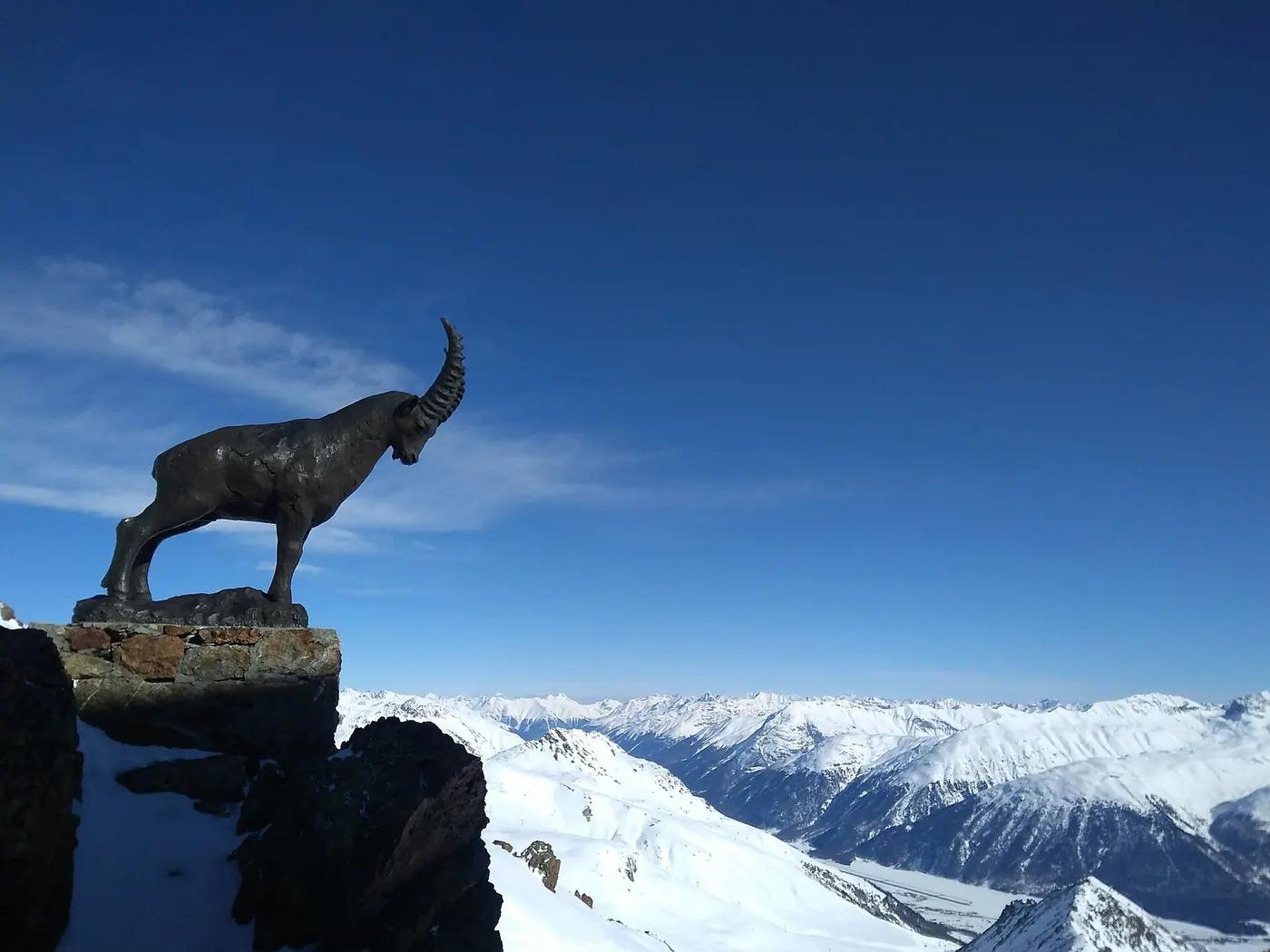
Switzerland's wildlife is Alpine and surprisingly easy: Alpine ibex, chamois and marmots sit beside the trails in the Swiss National Park and above Zermatt, golden eagles and bearded vultures patrol the Engadin skies, and red deer gather in herds of hundreds in the Val Trupchun. Lynx live in the Jura, wolves have formed packs in Graubünden and Valais, red kites drift over every Plateau village, and the lakes hold grebes and winter ducks.
There are no Swiss captures in AnimalDex yet, which makes it an open field. The country's wildlife is in plain sight: marmots whistle from the slopes beside every summer gondola station, ibex graze the Niederhorn ridge above Lake Thun, and foxes walk through Zurich's residential streets at night.
Zernez in the Engadin is the base for the Swiss National Park. Zurich, Bern and Basel give the lakes, kites and Basel Zoo. The Jura along the French border is lynx country, and the Valais has the biggest wolf packs.
Why this location matters
Good location pages explain why the place is worth your time, not just which names belong on a destination checklist.
The Swiss National Park, founded in 1914, is the oldest in the Alps and the strictest: no dogs, no leaving the trail, no picking anything. A century of protection means the red deer, chamois and ibex here are the most relaxed in Europe.
Switzerland also led the Alpine lynx and bearded vulture reintroductions and has become the test case for living with wolves, with over 30 packs by 2024 and a heated national debate about culling.
Where to look
Wildlife map of Switzerland
This guide covers the region shown below. Zoom in to get your bearings before planning a trip.
Positions are geocoded from OpenStreetMap. Habitat access and opening times change — check locally before travelling. Smaller pins are public AnimalDex captures, placed to the nearest kilometre.
Field proof
Found in Switzerland by AnimalDex users
Real captures logged in the AnimalDex app inside this area and shared publicly by their collectors, with the animal confirmed by the app's identification. Places are shown to the nearest region, never the exact spot.
- 1
- public captures
- 1
- species recorded
- 1
- collectors
- 1
- wild sightings
Recent captures from the field
Species people have actually logged here
Every name links to its species guide. The count is how many public captures of that animal sit inside this area.
Collectors choose to share these captures on Discover and can withdraw them at any time. Coordinates are rounded to about a kilometre and refreshed with each site build.
Animals to spot
These are intentionally practical species picks, balancing accessibility, excitement, and what travelers can realistically notice in the location.
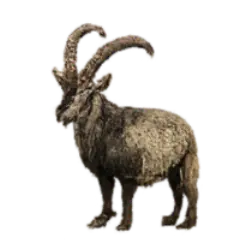
Alpine IbexC
Extinct in Switzerland by 1800 and smuggled back from Italy in 1906; now 17,000 strong, with easy herds on the Niederhorn above Lake Thun, in the Val Trupchun and above Pontresina.
Spotting note: Guaranteed on the Niederhorn ridge from June to September.
Read species guide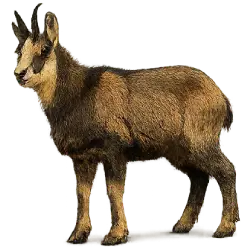
ChamoisC
Common on steep ground across the Alps and the Jura; the Swiss National Park and the Creux du Van cliffs in Neuchâtel are classic.
Spotting note: Reliable at dawn on cliffs and high meadows.
Read species guide
Alpine MarmotD
Whistles from every high meadow from Zermatt to the Engadin; the Murmeltier trail at Saas-Fee has marmots that take carrots from your hand.
Spotting note: Guaranteed in summer above 1,800 m.
Read species guide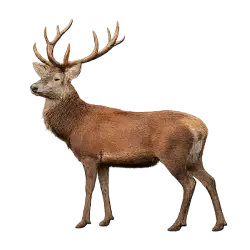
Red DeerB
The Val Trupchun in the Swiss National Park holds the densest red deer concentration in the Alps, with herds of several hundred visible in September.
Spotting note: Guaranteed in the Val Trupchun in late summer and the rut.
Read species guide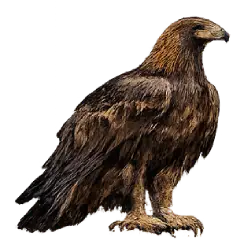
Golden EagleA
Around 350 pairs across Switzerland; the Swiss National Park, the Val Trupchun and the Aletsch region give regular views of birds hunting marmots.
Spotting note: Regular in the Engadin with a patient scan.
Read species guide
Bearded VultureB
Reintroduced in the Engadin from 1991 and now breeding in the Swiss National Park and across Graubünden and Valais, with over 20 pairs.
Spotting note: Scarce but regular over the Val Trupchun and Ofenpass.
Read species guide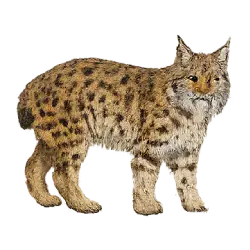
Eurasian LynxB
The Jura and the Simmental hold around 300 lynx, reintroduced in the 1970s and Western Europe's best-established population.
Spotting note: Very rare to see; tracks in Jura snow are the realistic record.
Read species guide
Gray WolfB
Wolves re-entered from Italy in 1995 and now form over 30 packs in Graubünden, Valais and Ticino, with the Calanda pack the first to breed in 2012.
Spotting note: Rare to see; howls in the Valais side valleys at dusk.
Read species guide
Spotted NutcrackerC
The loud, spotted crow of the Engadin and Arosa pine forests, burying arolla pine seeds and following hikers for crumbs.
Spotting note: Common in high pine forest.
Read species guide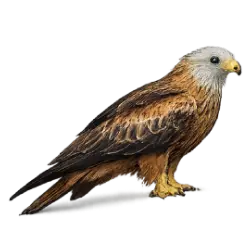
Red KiteC
Switzerland holds one of the world's densest red kite populations; they circle over every Plateau town from Bern to Winterthur year-round.
Spotting note: Guaranteed over farmland on the Swiss Plateau.
Read species guide
Great Crested GrebeD
Displays on Lake Zurich, Lake Geneva and Lake Constance in spring, and winters in thousands alongside red-crested pochards and tufted ducks.
Spotting note: Very common on all big lakes.
Read species guide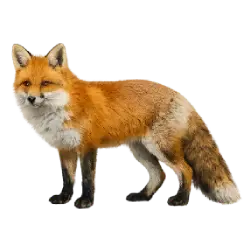
Red FoxC
Zurich has one of Europe's best-studied urban fox populations, with animals trotting through Kreis 6 gardens and sleeping on garage roofs.
Spotting note: Near-guaranteed at night in Zurich's suburbs.
Read species guide
Indian RhinocerosA
Basel Zoo has bred more Indian rhinos than any zoo on earth, over 30 calves since 1956, and runs the species' international breeding programme.
Spotting note: Guaranteed at Basel Zoo.
Read species guide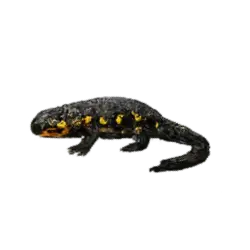
Alpine SalamanderD
A glossy black salamander that gives birth to live young and walks Alpine trails above 1,000 m on wet mornings in the Bernese Oberland and Glarus.
Spotting note: Seasonal; rainy summer mornings on high trails.
Read species guideBest for
Use this section to decide whether the location fits your travel style, skill level, and AnimalDex goals.
- Ibex, chamois, marmots and red deer in the Swiss National Park
- Golden eagles and bearded vultures over the Engadin
- Red kites, grebes and lake birds on the Swiss Plateau
- Basel Zoo's rhinos and a century of Alpine conservation history
Spotting tips
These tips are meant to make the page useful in the field, not just readable on the page.
- 01Take the first Niederhorn gondola from Beatenberg in summer; ibex graze the ridge path within metres before the crowds arrive.
- 02The Val Trupchun from S-chanf is the Swiss National Park's deer valley; mid-September rut mornings are spectacular.
- 03Marmots are most active in the cool early morning and late afternoon; midday heat sends them underground.
- 04Alpine salamanders only surface in rain or heavy dew; a wet July morning on the Grosse Scheidegg trail is ideal.
Virtual Wildlife Guides
Wildlife guides to Switzerland
AnimalDex builds virtual guides from explorers' own wild sightings: which animals they found, how rare they are, and when. A guide is advice from someone who has been there, not a tour. Buying one unlocks the author's notes for every animal, a chat with the author, and introductions to local people they met. Wildlife is never guaranteed.
Checking for virtual guides to Switzerland...
How to choose a local wildlife guide in Switzerland
- Ask what they usually find in the season you are visiting. A good guide gives an honest answer, not a promised sighting.
- Check how they treat animals: no baiting, calling in, handling, or close flash photography for a better shot.
- Confirm the meeting area, duration, group size, total price, and how you pay before the day, plus any permits or park fees the place requires.
Track the animals you find in Switzerland
Build your collection while you travel through Switzerland, from easy wins to the species worth planning around.
Related tier lists
These tier lists add broader context around the species that make this location interesting.
100 Most Agile Animals
Most agile animals ranked: turning, braking, and body control across land, air, and water — not a recycled fastest-animals list.
Read tier listRelated locations
Keep exploring with nearby or similar destinations that support the same kind of AnimalDex discovery.
Animals in Austria: What You Can Spot, Learn, and Collect
Austrian wildlife: Hohe Tauern bearded vultures, ibex and marmots, Tirol chamois and red deer, Lake Neusiedl egrets and bee-eaters, Rust's storks and Schönbrunn's pandas.
Read location guideAnimals in Auvergne-Rhône-Alpes: What You Can Spot, Learn, and Collect
Wildlife of the Vanoise, Ardèche and Auvergne: ibex, marmots and bearded vultures, Ardèche eagle owls, red kites over the volcanoes, Drôme bee-eaters and Lyon's zoo.
Read location guideAnimals in Italy: What You Can Spot, Learn, and Collect
Italy's wildlife from the Alps to Sicily: Gran Paradiso ibex, Apennine wolves, Marsican bears, Pelagos fin whales, loggerhead turtles, flamingos, porcupines and gulls.
Read location guideLocation FAQ
Short direct answers to the questions travelers usually ask before choosing a wildlife destination or zoo day.
What wildlife is there in Switzerland?
Alpine ibex, chamois, marmots, red and roe deer, lynx, wolves, foxes and beavers; golden eagles, bearded vultures, red kites, nutcrackers, ptarmigan and black grouse; alpine and fire salamanders; and huge winter duck and grebe flocks on the lakes.
What animals can be found in the Swiss Alps?
Ibex, chamois, marmot, red deer, mountain hare, ermine, golden eagle, bearded vulture, rock ptarmigan, alpine chough, nutcracker, wallcreeper and alpine salamander, most of them visible from marked trails in summer.
Are there bears in Switzerland?
Only wandering males from the Trentino population in Italy, one or two a year in Graubünden. There is no resident Swiss bear population; the Bern Bear Park keeps captive brown bears in the city.
When is the best time to see ibex and marmots in Switzerland?
Mid-June to September. Marmots hibernate from October to April and ibex move to inaccessible cliffs in winter. Early morning is best in both cases.
Have AnimalDex users found animals in Switzerland?
Yes. AnimalDex users have publicly logged 1 captures of 1 different species in Switzerland, including mute swan. Each one was photographed in the app at the moment of the sighting.
How do I find a wildlife guide to Switzerland?
Check the Wildlife Guides section on this page or browse Wildlife Guides on AnimalDex. Each one is a virtual guide built from an explorer's own wild sightings around Switzerland: the animals they found, how rare they are, and when. It is advice from someone who has been there, not a tour. If you want someone with you on the day, compare local guides on wildlife knowledge, how they treat animals, and clear pricing before you go.