

Animals in Auvergne-Rhône-Alpes: What You Can Spot, Learn, and Collect
Wildlife of the Vanoise, Ardèche and Auvergne: ibex, marmots and bearded vultures, Ardèche eagle owls, red kites over the volcanoes, Drôme bee-eaters and Lyon's zoo.
Quick answer
Start with the direct answer, then use the sections below to see why the location matters and which animals are actually realistic to spot there.
Auvergne-Rhône-Alpes is where France keeps its Alpine wildlife: the Vanoise National Park was created in 1963 to save the ibex, and now holds thousands alongside marmots, chamois, golden eagles and reintroduced bearded vultures. The Ardèche gorges add eagle owls and ocellated lizards, the Auvergne volcanoes red kites and rutting red deer, and the Drôme provençale bee-eaters, cicadas and wall lizards.
User captures here are mostly southern: wall lizards and rhinoceros beetles around Nyons, field crickets and stick insects in the Ardèche, rabbits and honey bees in the Drôme. The high Alps generate fewer photos because the animals are far away and the walk is steep, but the sightings are the best in France.
The region is large enough that one trip rarely covers it. Chambéry and the Lac du Bourget make a good base for the Vanoise and the Bauges; Vallon-Pont-d'Arc for the Ardèche; Clermont-Ferrand for the Auvergne volcanoes. Lyon's Parc de la Tête d'Or is a free zoo and lake for a city day.
Why this location matters
Good location pages explain why the place is worth your time, not just which names belong on a destination checklist.
The Vanoise ibex are the source of most reintroduced herds across the French Alps, and the park's Bargy and Haute-Savoie neighbours were the first bearded vulture release site in France. The whole region is a working example of mountain rewilding.
The Auvergne is also France's red kite stronghold and a major migration corridor over the Puy-de-Dome; in autumn thousands of kites, buzzards and cranes pass the Col de Prat de Bouc in a day.
Where to look
Wildlife map of Auvergne-Rhône-Alpes
This guide covers the region shown below. Zoom in to get your bearings before planning a trip.
Positions are geocoded from OpenStreetMap. Habitat access and opening times change — check locally before travelling. Smaller pins are public AnimalDex captures, placed to the nearest kilometre.
Field proof
Found in Auvergne-Rhône-Alpes by AnimalDex users
Real captures logged in the AnimalDex app inside this area and shared publicly by their collectors, with the animal confirmed by the app's identification. Places are shown to the nearest region, never the exact spot.
- 14
- public captures
- 11
- species recorded
- 5
- collectors
- 13
- wild sightings
Recent captures from the field
Species people have actually logged here
Every name links to its species guide. The count is how many public captures of that animal sit inside this area.
Collectors choose to share these captures on Discover and can withdraw them at any time. Coordinates are rounded to about a kilometre and refreshed with each site build.
Animals to spot
These are intentionally practical species picks, balancing accessibility, excitement, and what travelers can realistically notice in the location.
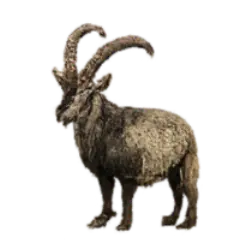
Alpine IbexC
The reason the Vanoise National Park exists; the herds around Pralognan, the Col de l'Iseran and Bonneval-sur-Arc number in the thousands and ignore walkers.
Spotting note: Guaranteed above 2,000 m in the Vanoise from June to September.
Read species guide
Alpine MarmotD
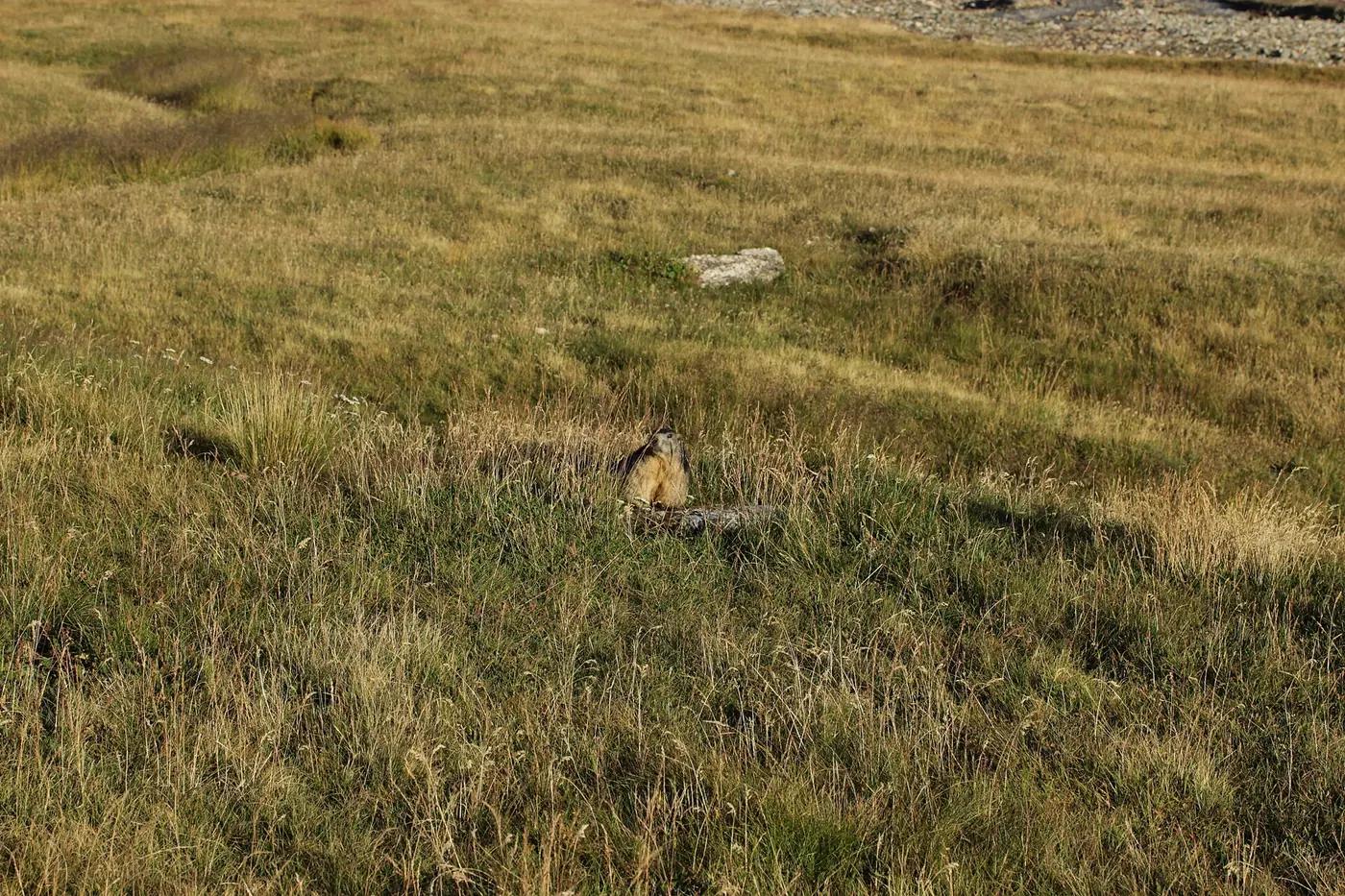
Whistles from every boulder slope in the Vanoise, the Ecrins and the Bauges; the Col de l'Iseran and the Pralognan meadows are classic.
Spotting note: Guaranteed in summer; they hibernate from October to April.
Read species guide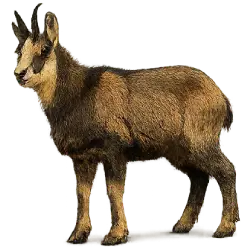
ChamoisC
Common on the cliffs of the Vanoise, the Chartreuse and the Vercors, and introduced into the Cantal volcanoes of the Auvergne too.
Spotting note: Reliable at dawn on steep grassy ledges.
Read species guide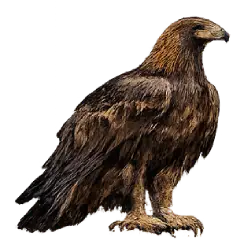
Golden EagleA
More than 20 pairs in the Vanoise alone; look for the huge dark silhouette quartering slopes for marmots in midsummer.
Spotting note: Regular overhead in the high Alps with a patient scan.
Read species guide
Bearded VultureB
First released in France at the Bargy massif in Haute-Savoie in 1987; pairs now breed in the Vanoise and over the Col de la Madeleine.
Spotting note: Scarce; the Bargy and Haute-Tarentaise cliffs are the best bets.
Read species guide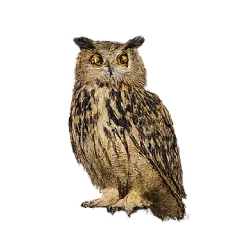
Eurasian Eagle-OwlB
The Gorges de l'Ardèche limestone cliffs hold several pairs; the deep hoot carries across the river at dusk near the Pont d'Arc.
Spotting note: Uncommon; listen from the gorge road viewpoints in February and March.
Read species guide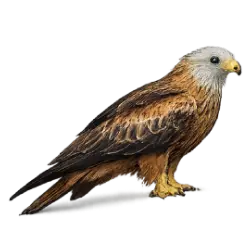
Red KiteC
The Auvergne is the species' French heartland, with kites drifting over the Puys and the Cantal pastures all summer and in thousands on autumn migration.
Spotting note: Common in the Auvergne from March to October.
Read species guide
Red-crested PochardC
The Lac du Bourget near Chambéry and the Dombes ponds north of Lyon are among the species' best French sites, with the orange-headed drakes obvious in winter.
Spotting note: Reliable on the Bourget from October to March.
Read species guide
European Bee-eaterD
Colonies dig into sandy river banks across the Drôme provençale around Nyons and along the lower Ardèche.
Spotting note: Common May to August in the Drôme and Ardèche.
Read species guide
Common Wall LizardE
Logged across the region from Nyons stone walls to Lyon's riverbanks; the default lizard of every sunny wall and dry-stone terrace.
Spotting note: Very common from March to October.
Read species guide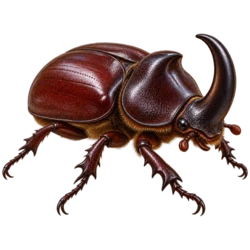
European Rhinoceros BeetleE
A frequent Drôme and Ardèche campsite capture, drawn to lights and woodchip piles on warm June nights.
Spotting note: Seasonal; check outdoor lights in June and July.
Read species guide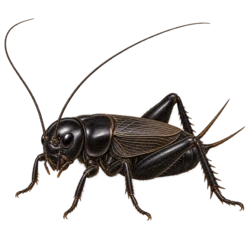
European Field CricketE
Chirps from burrows on dry south-facing slopes in the Ardèche and the Drôme from April, already logged by local users.
Spotting note: Common in spring; sit still near a burrow entrance.
Read species guide
European RabbitD
Grazes vineyard margins and campsite lawns across the Drôme provençale and the Rhône valley at dawn and dusk.
Spotting note: Common in the south of the region.
Read species guide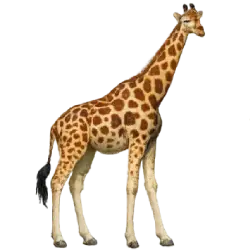
GiraffeB
Lyon's Parc de la Tête d'Or keeps a free-entry African plain with giraffes, zebras and antelope, a ten-minute walk from the Rhône.
Spotting note: Guaranteed, and free, in Lyon.
Read species guideBest for
Use this section to decide whether the location fits your travel style, skill level, and AnimalDex goals.
- Alpine ibex and marmots at close range in the Vanoise
- Golden eagles and bearded vultures over the Haute-Savoie and Tarentaise
- Eagle owls, bee-eaters and reptiles in the Ardèche and Drôme
- Autumn raptor migration and the red deer rut in the Auvergne
Spotting tips
These tips are meant to make the page useful in the field, not just readable on the page.
- 01Ibex and marmots in the Vanoise are best from the Pralognan or Bonneval trailheads in July and August; start early before the heat.
- 02Drive the Gorges de l'Ardèche tourist road at dusk in late winter and listen for eagle owls from the belvederes.
- 03The Col de Prat de Bouc in the Cantal counts migrating kites, buzzards and cranes from mid-September to October.
- 04Check outdoor lights at Drôme and Ardèche campsites on warm June nights for rhinoceros beetles and hawk-moths.
Virtual Wildlife Guides
Wildlife guides to Auvergne-Rhône-Alpes
AnimalDex builds virtual guides from explorers' own wild sightings: which animals they found, how rare they are, and when. A guide is advice from someone who has been there, not a tour. Buying one unlocks the author's notes for every animal, a chat with the author, and introductions to local people they met. Wildlife is never guaranteed.
Checking for virtual guides to Auvergne-Rhône-Alpes...
How to choose a local wildlife guide in Auvergne-Rhône-Alpes
- Ask what they usually find in the season you are visiting. A good guide gives an honest answer, not a promised sighting.
- Check how they treat animals: no baiting, calling in, handling, or close flash photography for a better shot.
- Confirm the meeting area, duration, group size, total price, and how you pay before the day, plus any permits or park fees the place requires.
Track the animals you find in Auvergne-Rhône-Alpes
Build your collection while you travel through Auvergne-Rhône-Alpes, from easy wins to the species worth planning around.
Related tier lists
These tier lists add broader context around the species that make this location interesting.
Animals with the Best Eyesight
A structured ranking of animals with the best eyesight, separating long-range daytime acuity, low-light vision, motion detection, and unusual visual systems.
Read tier listRelated locations
Keep exploring with nearby or similar destinations that support the same kind of AnimalDex discovery.
Animals in France: What You Can Spot, Learn, and Collect
What wildlife lives in France, from Alpine ibex and Mercantour wolves to Camargue flamingos, Alsace storks, Breton puffins and the garden birds people log most.
Read location guideAnimals on the French Riviera and in Provence: What You Can Spot, Learn, and Collect
Wildlife of Provence-Alpes-Côte d'Azur: Camargue flamingos and pond terrapins, Mercantour wolves and ibex, Hermann's tortoises in the Maures, and summer cicadas.
Read location guideAnimals in Switzerland: What You Can Spot, Learn, and Collect
Swiss wildlife: ibex, chamois and marmots in the Swiss National Park, Engadin eagles and bearded vultures, Jura lynx, wolves, red kites, Zurich foxes, Basel's rhinos.
Read location guideLocation FAQ
Short direct answers to the questions travelers usually ask before choosing a wildlife destination or zoo day.
What wildlife is there in Auvergne-Rhône-Alpes?
Alpine ibex, chamois, marmots, golden eagles and bearded vultures in the Vanoise and Haute-Savoie; eagle owls, beavers and ocellated lizards in the Ardèche gorges; red kites, red deer and wild boar in the Auvergne; and bee-eaters, cicadas and wall lizards in the Drôme provençale.
What animals can be found in the Vanoise National Park?
Around 2,000 Alpine ibex, several thousand chamois, marmots everywhere above the treeline, more than 20 pairs of golden eagles, bearded vultures, black grouse, rock ptarmigan and mountain hares.
Can you see wild animals near Lyon?
The Parc de la Tête d'Or has a free zoo with giraffes and zebras plus wild herons and grebes on the lake. The Dombes ponds 40 minutes north hold thousands of ducks, herons and red-crested pochards.
When should you visit the French Alps for wildlife?
Late June to mid-September for ibex, marmots and chamois above the treeline. Marmots hibernate from October, and most high trails are snowbound until June.
Have AnimalDex users found animals in Auvergne-Rhône-Alpes?
Yes. AnimalDex users have publicly logged 14 captures of 11 different species in Auvergne-Rhône-Alpes, including daddy long-legs spider, european rhinoceros beetle, house fly, common wall lizard. Each one was photographed in the app at the moment of the sighting.
How do I find a wildlife guide to Auvergne-Rhône-Alpes?
Check the Wildlife Guides section on this page or browse Wildlife Guides on AnimalDex. Each one is a virtual guide built from an explorer's own wild sightings around Auvergne-Rhône-Alpes: the animals they found, how rare they are, and when. It is advice from someone who has been there, not a tour. If you want someone with you on the day, compare local guides on wildlife knowledge, how they treat animals, and clear pricing before you go.