

Animals in Tanjung Puting National Park: What You Can Spot, Learn, and Collect
Tanjung Puting guide: Camp Leakey's orangutans, proboscis monkeys on the Sekonyer at dusk, hornbills from the klotok deck, crocodiles and fireflies.
Quick answer
Start with the direct answer, then use the sections below to see why the location matters and which animals are actually realistic to spot there.
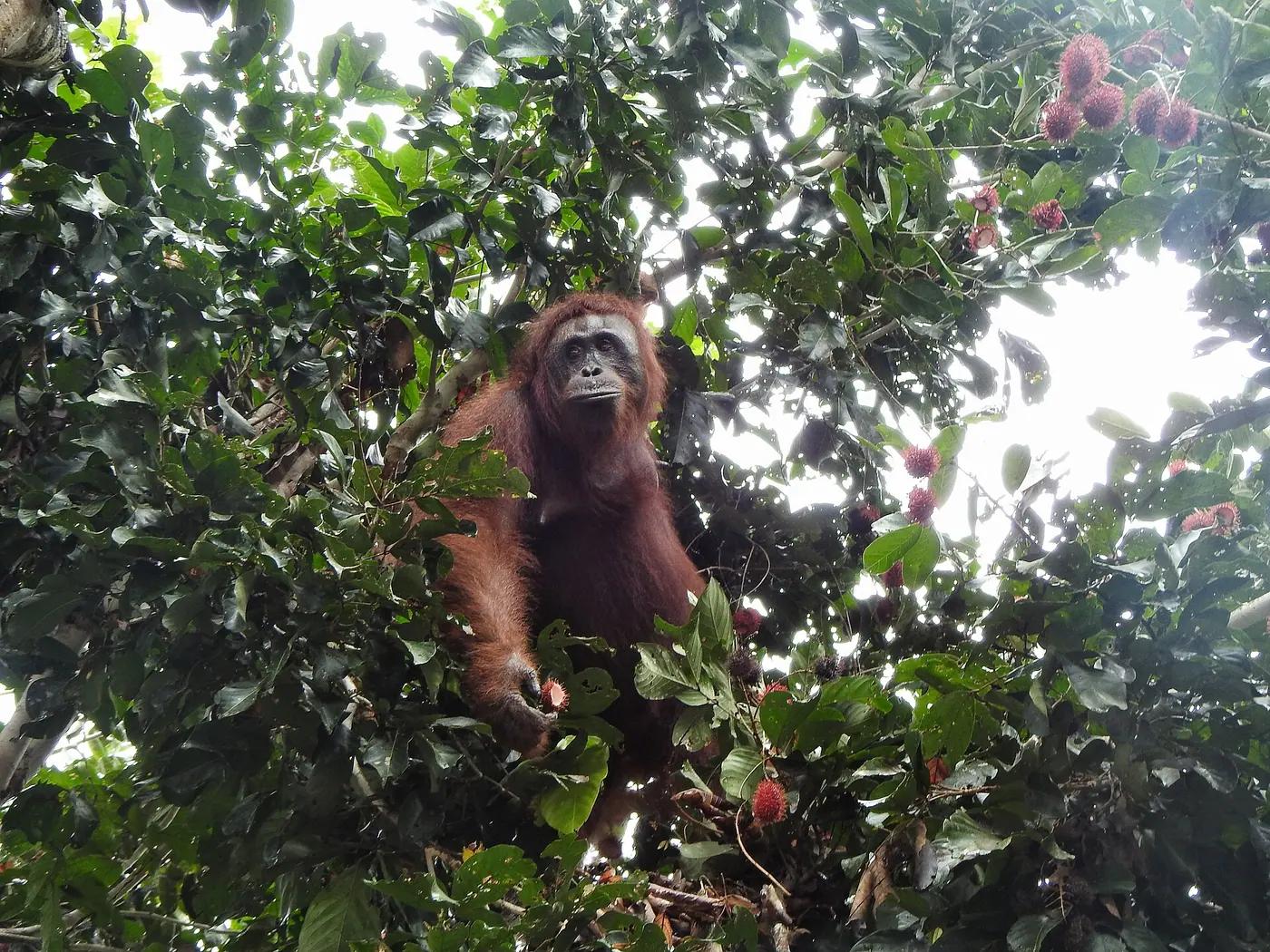
Tanjung Puting is the classic Bornean orangutan trip. From a slow klotok boat on the Sekonyer river you reach the feeding platforms at Tanjung Harapan, Pondok Tanggui and Camp Leakey, where rehabilitated and wild orangutans come in most afternoons. The river itself delivers proboscis monkeys in the trees at dusk, macaques, hornbills, kites, monitors, crocodiles and, after dark, trees full of fireflies.
Everything about Tanjung Puting happens from the water. You board a two-storey wooden klotok at Kumai, turn into the tea-coloured Sekonyer river and spend two or three days drifting between orangutan camps, eating and sleeping on the roof deck. The forest comes to the riverbank, which makes this the easiest serious wildlife trip in Kalimantan.
Camp Leakey, founded in 1971, is the oldest orangutan research station in the world and still the best place to see big flanged males at close range. The feeding platforms are a managed experience; the proboscis monkeys, crocodiles and birds along the river are entirely wild.
Why this location matters
Good location pages explain why the place is worth your time, not just which names belong on a destination checklist.
The park protects over 4,000 km2 of peat swamp and heath forest and one of the largest wild orangutan populations anywhere, with released rehabilitants mixing into it over fifty years.
The Sekonyer is also one of the best rivers in Borneo for proboscis monkeys, which are endemic to the island and gather in riverside trees every evening to sleep.
Where to look
Wildlife map of Tanjung Puting National Park
This guide covers the region shown below. Zoom in to get your bearings before planning a trip.
Positions are geocoded from OpenStreetMap. Habitat access and opening times change — check locally before travelling.
Animals to spot
These are intentionally practical species picks, balancing accessibility, excitement, and what travelers can realistically notice in the location.
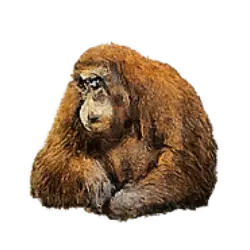
Bornean OrangutanA
Camp Leakey, Pondok Tanggui and Tanjung Harapan feeding platforms draw rehabilitated and wild orangutans most afternoons, including flanged males.
Spotting note: Near-guaranteed over a two-day trip; fruiting seasons reduce platform visits.
Read species guide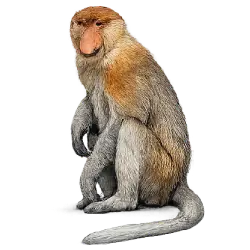
Proboscis MonkeyB
Harems settle into the riverside trees of the Sekonyer every evening and sit out in the open at dawn.
Spotting note: Guaranteed at dusk from the klotok deck.
Read species guide
Long-tailed MacaqueC
Troops forage on the riverbanks and raid the camp docks, swimming between trees when disturbed.
Spotting note: Guaranteed.
Read species guide
Bornean Bearded PigC
Wanders under the feeding platforms at Camp Leakey cleaning up dropped fruit.
Spotting note: Likely at Camp Leakey.
Read species guide Saltwater CrocodileA
The lower Sekonyer and Kumai river are crocodile water, and big animals bask on the mud at low water.
Spotting note: Occasional from the boat; never swim in the river.
Read species guide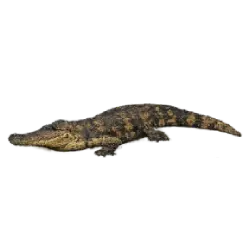
False GharialA
The slender-snouted peat-swamp crocodilian lives in the upper Sekonyer and its black-water tributaries.
Spotting note: Rare; spotlighting from the boat at night is the method.
Read species guide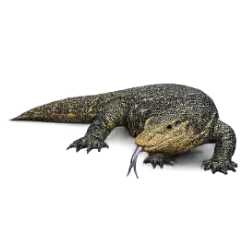
Water MonitorC
Swims the river edges and climbs onto fallen logs beside the klotok.
Spotting note: Regular.
Read species guide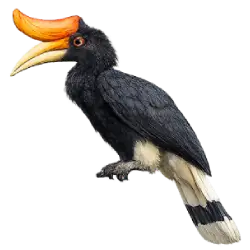
Rhinoceros HornbillB
Pairs cross the river with loud wingbeats and feed in figs along the Sekonyer Kanan branch.
Spotting note: Regular, especially early morning.
Read species guide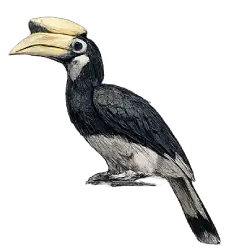
Oriental Pied HornbillC
The small, noisy hornbill of the river edge and the camp clearings.
Spotting note: Common.
Read species guide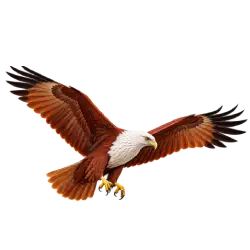
Brahminy KiteD
Patrols the Kumai estuary and the lower river beside the klotok.
Spotting note: Common.
Read species guide
FireflyE
Riverside trees along the Sekonyer light up with synchronised fireflies after dark, best seen with the boat engine off.
Spotting note: Near-nightly in the dry season.
Read species guide
Large Flying FoxD
Streams over the river at dusk toward fruiting trees in the swamp forest.
Spotting note: Regular at dusk.
Read species guide
Sun BearB
Claw marks on trees around the camps are common and the bears occasionally raid the platforms.
Spotting note: Rare to see; sign is easy.
Read species guide
Sunda Clouded LeopardA
Present in the park's forest and photographed by camera traps near Camp Leakey.
Spotting note: Almost never seen.
Read species guideBest for
Use this section to decide whether the location fits your travel style, skill level, and AnimalDex goals.
- Big male orangutans at Camp Leakey
- Proboscis monkeys from a boat deck at dusk
- River birds, monitors and crocodiles without walking
- Firefly trees after dark
Spotting tips
These tips are meant to make the page useful in the field, not just readable on the page.
- 01Book a three-day klotok so you reach all three feeding platforms and have a full dusk and dawn on the upper river.
- 02Sit on the roof deck with binoculars from 16:30; proboscis monkeys settle in the riverside trees before sunset.
- 03Ask the crew to cut the engine and drift at night for fireflies and to spotlight the banks for crocodiles.
- 04Dry season (June to September) has more orangutans at the platforms and clearer skies; wet season can flood the trails.
Virtual Wildlife Guides
Wildlife guides to Tanjung Puting National Park
AnimalDex builds virtual guides from explorers' own wild sightings: which animals they found, how rare they are, and when. A guide is advice from someone who has been there, not a tour. Buying one unlocks the author's notes for every animal, a chat with the author, and introductions to local people they met. Wildlife is never guaranteed.
Checking for virtual guides to Tanjung Puting National Park...
How to choose a local wildlife guide in Tanjung Puting National Park
- Ask what they usually find in the season you are visiting. A good guide gives an honest answer, not a promised sighting.
- Check how they treat animals: no baiting, calling in, handling, or close flash photography for a better shot.
- Confirm the meeting area, duration, group size, total price, and how you pay before the day, plus any permits or park fees the place requires.
Track the animals you find in Tanjung Puting National Park
Build your collection while you travel through Tanjung Puting National Park, from easy wins to the species worth planning around.
Related tier lists
These tier lists add broader context around the species that make this location interesting.
100 Smartest Animals Ranked
Animal intelligence ranking of 100 smartest animals, using AnimalDex intelligence profiles and a clear note that social skill, tool use, and solitary problem solving are different jobs.
Read tier listRelated locations
Keep exploring with nearby or similar destinations that support the same kind of AnimalDex discovery.
Animals in Kalimantan: What You Can Spot, Learn, and Collect
Kalimantan wildlife guide: Tanjung Puting orangutans by klotok, proboscis monkeys on the Sekonyer, Derawan turtles and mantas, and Kakaban's jellyfish lake.
Read location guideAnimals in Borneo: What You Can Spot and Why the Region Matters
A structured Borneo wildlife guide focused on realistic rainforest, river, and sanctuary-linked spotting with strong links into species pages and broader AnimalDex discovery.
Read location guideAnimals in Indonesia: What You Can Spot, Learn, and Collect
A practical guide to animals in Indonesia, from accessible birds and coastal wildlife to headline species that make the country one of the world's strongest wildlife-travel destinations.
Read location guideLocation FAQ
Short direct answers to the questions travelers usually ask before choosing a wildlife destination or zoo day.
What wildlife is there in Tanjung Puting National Park?
Bornean orangutans at three feeding platforms, proboscis monkeys and macaques along the Sekonyer river, bearded pigs, water monitors, saltwater crocodiles and false gharials, rhinoceros and pied hornbills, kites, flying foxes and fireflies. Sun bears and clouded leopards are present but rarely seen.
What animals can be found in Tanjung Puting?
Orangutans and proboscis monkeys are near-certain on a two-day trip. Macaques, monitors, hornbills and kites are daily, crocodiles are occasional, and fireflies light the riverbank trees most dry-season nights.
How do I visit Tanjung Puting?
Fly to Pangkalan Bun, transfer to Kumai and board a klotok houseboat with crew, cook and guide. Two nights is the minimum to reach Camp Leakey; three is better.
Are the orangutans wild?
Both. The feeding platforms attract released rehabilitants and their descendants, and wild orangutans also visit, especially when wild fruit is scarce. Flanged males at Camp Leakey are often fully wild.
How do I find a wildlife guide to Tanjung Puting National Park?
Check the Wildlife Guides section on this page or browse Wildlife Guides on AnimalDex. Each one is a virtual guide built from an explorer's own wild sightings around Tanjung Puting National Park: the animals they found, how rare they are, and when. It is advice from someone who has been there, not a tour. If you want someone with you on the day, compare local guides on wildlife knowledge, how they treat animals, and clear pricing before you go.