

Animals in the Visayas: What You Can Spot, Learn, and Collect
Visayas wildlife: tarsiers and fireflies on Bohol, thresher sharks at Malapascua, whale sharks at Oslob, warty pigs on Negros, dolphins and turtles off Apo Island.
Quick answer
Start with the direct answer, then use the sections below to see why the location matters and which animals are actually realistic to spot there.
The central Philippine islands are the country's marine wildlife core and home to its most famous small primate. Bohol has wild tarsiers at the Corella sanctuary and fireflies on the Abatan and Loboc rivers; Cebu has thresher sharks at Malapascua and the debated whale shark feeding at Oslob; the Tañon Strait between Cebu and Negros is dolphin water; Apo Island off Negros is the easiest turtle snorkel in the country; and Negros and Panay hold the last Visayan warty pigs.
The Visayas are a cluster of mid-sized islands separated by narrow, deep straits, and that geography shapes the wildlife. The straits funnel dolphins, whales and sharks close to shore, and the islands each kept their own endemics: Bohol its tarsiers, Negros and Panay their warty pigs and spotted deer, Cebu a handful of birds found nowhere else.
Forest is scarce here, so the land animals are concentrated in sanctuaries and a few mountain blocks, while the sea does most of the work. A week moving between Bohol, Cebu and Negros can include tarsiers, threshers, turtles, dolphins and fireflies without a single long hike.
Start with these animals
Why this location matters
Good location pages explain why the place is worth your time, not just which names belong on a destination checklist.
The Visayas lost almost all of their lowland forest, and the Visayan warty pig and spotted deer survive mainly because of breeding centres in Negros. The Corella tarsier sanctuary on Bohol is the model for how a tiny endemic can be protected and shown at the same time.
Marine tourism here is a live experiment. Malapascua's thresher dives and Apo Island's turtle rules work; Oslob's whale shark feeding is the case conservationists use to argue what not to do. Choosing well matters more here than almost anywhere in Asia.
Where to look
Wildlife map of Visayas
This guide covers the region shown below. Zoom in to get your bearings before planning a trip.
Positions are geocoded from OpenStreetMap. Habitat access and opening times change — check locally before travelling. Smaller pins are public AnimalDex captures, placed to the nearest kilometre.
Field proof
Found in Visayas by AnimalDex users
Real captures logged in the AnimalDex app inside this area and shared publicly by their collectors, with the animal confirmed by the app's identification. Places are shown to the nearest region, never the exact spot.
- 6
- public captures
- 6
- species recorded
- 3
- collectors
- 6
- wild sightings
Recent captures from the field
Species people have actually logged here
Every name links to its species guide. The count is how many public captures of that animal sit inside this area.
Collectors choose to share these captures on Discover and can withdraw them at any time. Coordinates are rounded to about a kilometre and refreshed with each site build.
Animals to spot
These are intentionally practical species picks, balancing accessibility, excitement, and what travelers can realistically notice in the location.

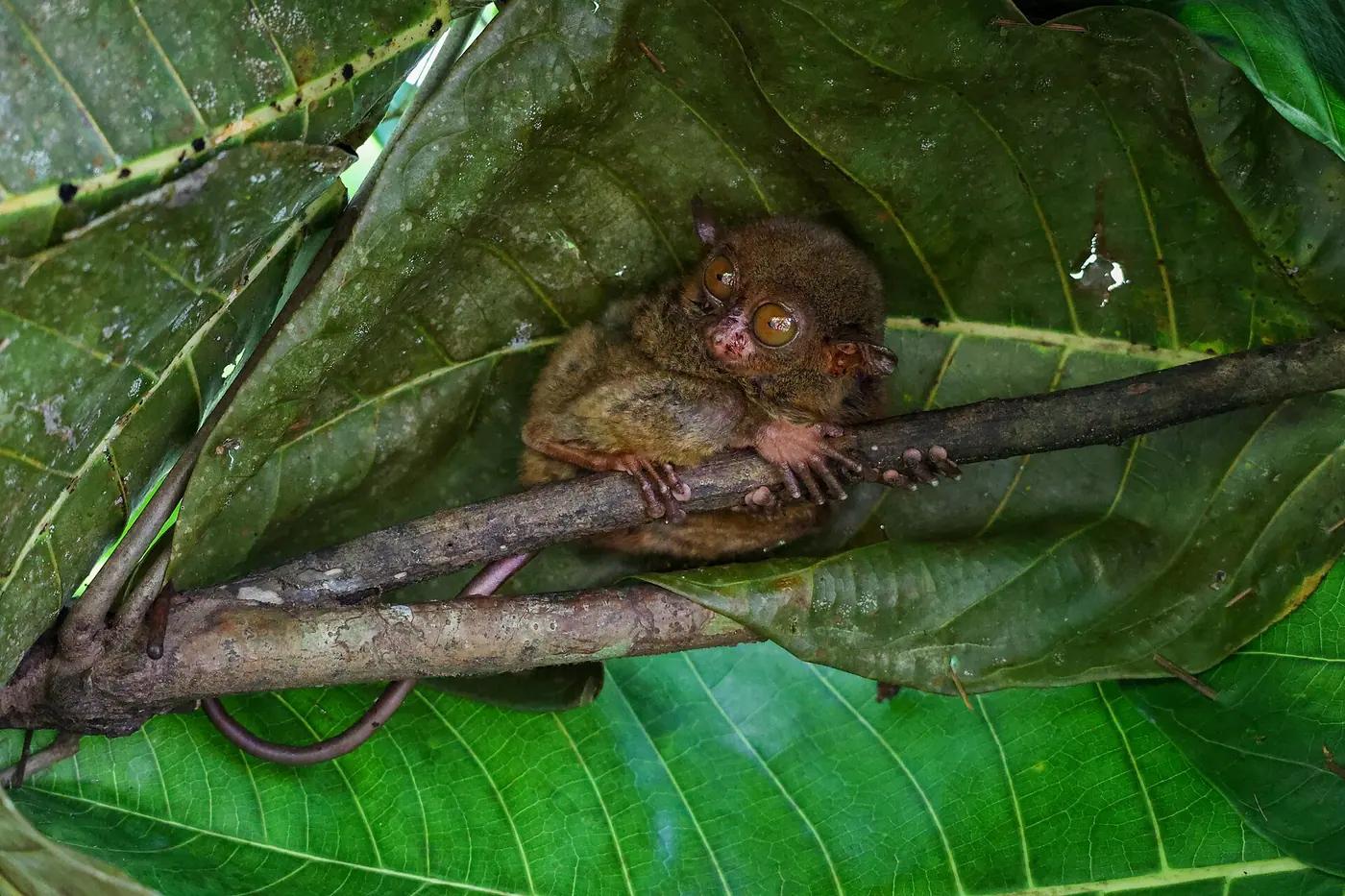
Philippine TarsierD
The Philippine Tarsier Foundation's sanctuary at Corella on Bohol protects wild tarsiers that roost in the forest and can be watched from a few metres without handling.
Spotting note: Near-certain at Corella; avoid the roadside 'tarsier' stops along the Loboc river.
Read species guide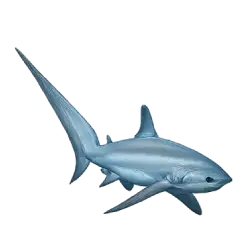
Thresher SharkA
Monad Shoal off Malapascua, Cebu is the only place on Earth where divers reliably see thresher sharks, here the pelagic species, which rise to the cleaning stations at first light.
Spotting note: Near-daily for divers at Monad Shoal before 7 am; certification required.
Read species guide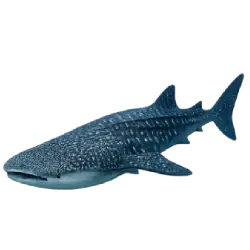
Whale SharkA
Oslob in southern Cebu feeds whale sharks daily to keep them in the bay, which guarantees a sighting and draws steady criticism from marine biologists.
Spotting note: Guaranteed at Oslob; consider Donsol on Luzon for an unfed, seasonal alternative.
Read species guide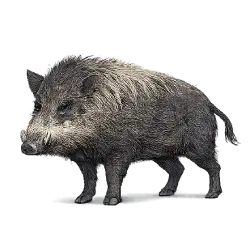
Visayan Warty PigB
A tufted wild pig endemic to Negros and Panay, bred at the Talarak Foundation and the Negros Forests and Ecological Foundation's centre in Bacolod with a few wild groups left in the mountains.
Spotting note: Rare in the wild; reliable at the Bacolod breeding centres.
Read species guide
Spinner DolphinA
Pods of spinners leap in the Tañon Strait off Bais in Negros Oriental, where morning dolphin-watching boats run in the calm season.
Spotting note: Regular from Bais between March and October.
Read species guide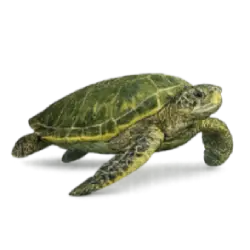
Green Sea TurtleC
Apo Island off Negros has a resident population grazing seagrass in the marine sanctuary, visible from the surface in a metre of water.
Spotting note: Near-guaranteed snorkelling at Apo Island's village beach.
Read species guide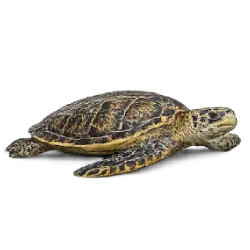
Hawksbill Sea TurtleC
Hawksbills feed on the sponge-rich reef walls of Apo Island, Moalboal and Balicasag off Bohol.
Spotting note: Regular for divers; occasional for snorkelers.
Read species guide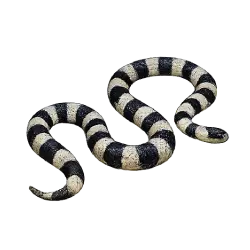
Sea KraitC
Banded sea kraits hunt the reefs of Apo Island and Gato Island near Malapascua, which is famous for them, and come ashore to rest on the rocks.
Spotting note: Common at Gato Island; docile unless handled.
Read species guide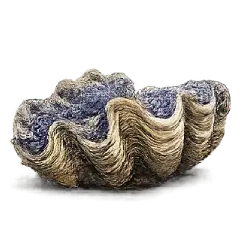
Giant ClamD
Metre-long giant clams sit in the shallow marine sanctuaries at Tulapos on Siquijor and Nalusuan off Olango, within easy snorkel reach.
Spotting note: Reliable at the managed clam sanctuaries.
Read species guide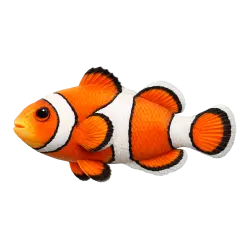
ClownfishE
Anemones on Balicasag, Pescador Island and Apo Island reefs hold clownfish within easy snorkel depth.
Spotting note: Guaranteed on any reef snorkel.
Read species guide
FireflyE
Mangrove trees along Bohol's Abatan and Loboc rivers light up with synchronised fireflies on paddle-boat tours after dark.
Spotting note: Reliable on moonless nights, best in the dry season.
Read species guide
Large Flying FoxD
Flying fox colonies roost in Bohol's Bilar and Rajah Sikatuna forests and stream out at dusk over the Chocolate Hills road.
Spotting note: Regular at dusk near Bilar.
Read species guide
Long-tailed MacaqueC
Troops live in Rajah Sikatuna Protected Landscape on Bohol and around the Loboc river's forest edge.
Spotting note: Regular at Rajah Sikatuna's trails.
Read species guide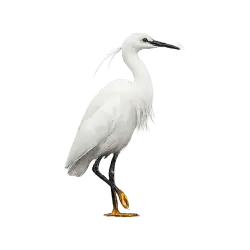
Little EgretD
Olango Island off Cebu is a Ramsar wetland where egrets, herons and thousands of migrant shorebirds feed on the tidal flats.
Spotting note: Common at Olango, best October to March.
Read species guideBest for
Use this section to decide whether the location fits your travel style, skill level, and AnimalDex goals.
- Divers and snorkelers: threshers, turtles, sea kraits and reef life island to island
- Primate fans making the pilgrimage to Bohol's wild tarsiers
- Families: fireflies, Chocolate Hills and Apo Island turtles are easy wins
- Shorebird watchers at Olango Island in the northern winter
Spotting tips
These tips are meant to make the page useful in the field, not just readable on the page.
- 01Book the Corella sanctuary on Bohol and go early; the roadside tarsier stops on the Loboc tourist loop handle animals and should be skipped.
- 02Thresher dives at Monad Shoal leave Malapascua at 5 am; go on your first morning so you have a second chance if the sharks do not show.
- 03Snorkel Apo Island from the village beach at mid-morning when the turtles graze the seagrass in a metre of water; no boat needed.
- 04Take the Abatan river firefly tour on a moonless night in the dry season and ask for a paddle boat rather than a motor boat.
Virtual Wildlife Guides
Wildlife guides to Visayas
AnimalDex builds virtual guides from explorers' own wild sightings: which animals they found, how rare they are, and when. A guide is advice from someone who has been there, not a tour. Buying one unlocks the author's notes for every animal, a chat with the author, and introductions to local people they met. Wildlife is never guaranteed.
Checking for virtual guides to Visayas...
How to choose a local wildlife guide in Visayas
- Ask what they usually find in the season you are visiting. A good guide gives an honest answer, not a promised sighting.
- Check how they treat animals: no baiting, calling in, handling, or close flash photography for a better shot.
- Confirm the meeting area, duration, group size, total price, and how you pay before the day, plus any permits or park fees the place requires.
Track the animals you find in Visayas
Build your collection while you travel through Visayas, from easy wins to the species worth planning around.
Related tier lists
These tier lists add broader context around the species that make this location interesting.
Animals with the Best Eyesight
A structured ranking of animals with the best eyesight, separating long-range daytime acuity, low-light vision, motion detection, and unusual visual systems.
Read tier listRelated locations
Keep exploring with nearby or similar destinations that support the same kind of AnimalDex discovery.
Animals in the Philippines: What You Can Spot, Learn, and Collect
Philippines wildlife guide: Philippine eagles in Mindanao, tarsiers on Bohol, whale sharks at Donsol, tamaraw on Mindoro, plus the geckos and sparrows users log daily.
Read location guideAnimals in Mindanao: What You Can Spot, Learn, and Collect
Mindanao wildlife: Philippine eagles at Davao's eagle centre and on Mount Apo, crocodiles in the Agusan marsh, Samal's bat cave, tarsiers and Siargao's turtles.
Read location guideAnimals in Luzon: What You Can Spot, Learn, and Collect
Luzon wildlife: cloud rats and eagles in the Sierra Madre, Philippine crocodiles at San Mariano, Subic's flying foxes, Candaba's waterbirds and Makiling's forest.
Read location guideLocation FAQ
Short direct answers to the questions travelers usually ask before choosing a wildlife destination or zoo day.
What wildlife is there in the Visayas?
Philippine tarsiers and fireflies on Bohol, thresher sharks at Malapascua, whale sharks at Oslob, spinner dolphins in the Tañon Strait, green and hawksbill turtles at Apo Island, sea kraits at Gato Island, Visayan warty pigs on Negros and migrant shorebirds at Olango. Flying foxes and macaques live in Bohol's forest.
What animals can be found in the Visayas?
Tarsiers, warty pigs, spotted deer, hornbills and flying foxes on land; thresher and whale sharks, dolphins, turtles, sea kraits, giant clams and rich reef fish in the straits and sanctuaries. Everyday species are tree sparrows, house geckos, egrets and the garden insects users log.
Where is the best place to see tarsiers?
The Philippine Tarsier Sanctuary at Corella, Bohol, run by the Philippine Tarsier Foundation. The animals are wild, roost in natural forest and are watched from a distance. Avoid roadside enclosures along the Loboc river where tarsiers are handled.
Should I swim with whale sharks at Oslob?
Oslob guarantees a sighting because the sharks are fed daily, which is exactly why marine biologists criticise it. If you can time a trip for February to May, Donsol on Luzon offers wild, unfed whale sharks under no-touch rules.
Have AnimalDex users found animals in Visayas?
Yes. AnimalDex users have publicly logged 6 captures of 6 different species in Visayas, including central bearded dragon, common house gecko, muscovy duck, red-eared slider. Each one was photographed in the app at the moment of the sighting.
How do I find a wildlife guide to Visayas?
Check the Wildlife Guides section on this page or browse Wildlife Guides on AnimalDex. Each one is a virtual guide built from an explorer's own wild sightings around Visayas: the animals they found, how rare they are, and when. It is advice from someone who has been there, not a tour. If you want someone with you on the day, compare local guides on wildlife knowledge, how they treat animals, and clear pricing before you go.