

Animals in Mindanao: What You Can Spot, Learn, and Collect
Mindanao wildlife: Philippine eagles at Davao's eagle centre and on Mount Apo, crocodiles in the Agusan marsh, Samal's bat cave, tarsiers and Siargao's turtles.
Quick answer
Start with the direct answer, then use the sections below to see why the location matters and which animals are actually realistic to spot there.
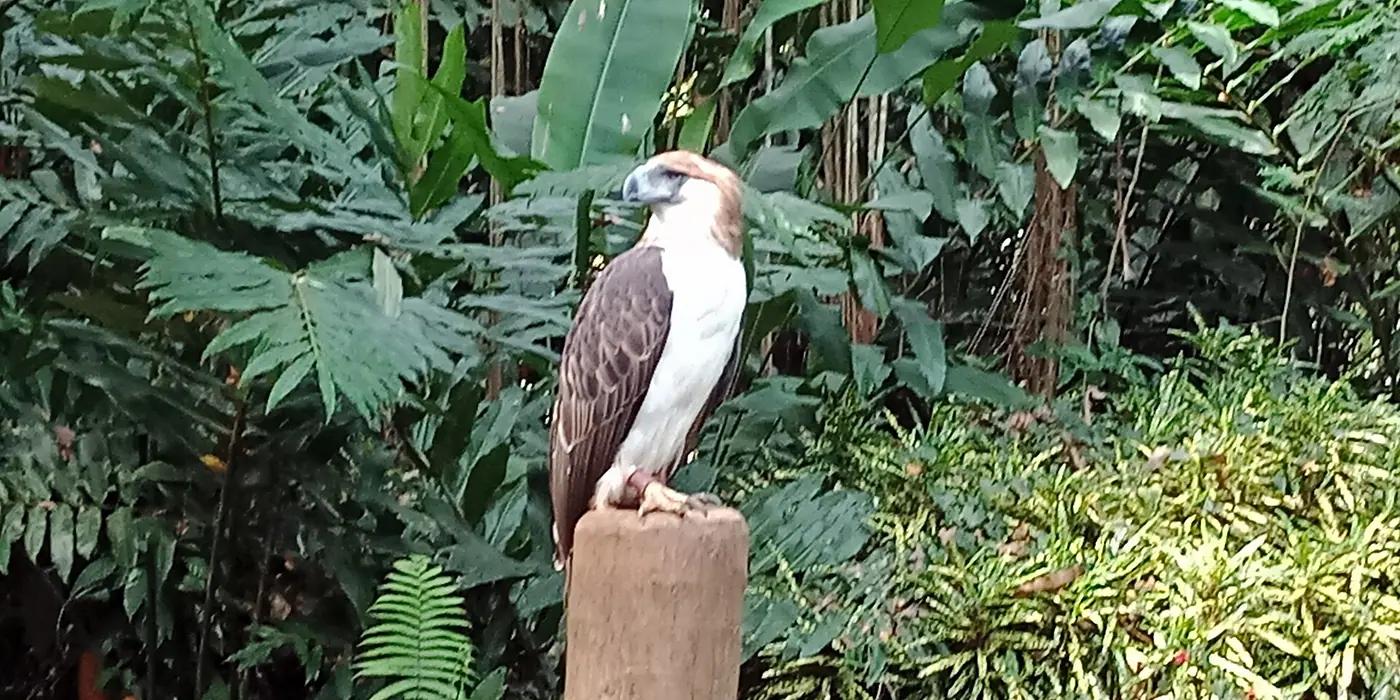
Mindanao is the Philippine eagle's island. The Philippine Eagle Center outside Davao guarantees a close look, and wild pairs nest on Mount Apo, Mount Kitanglad and in the Mount Hamiguitan range. The Agusan marsh holds the country's biggest saltwater crocodiles, Samal Island has a famous fruit-bat cave, tarsiers live in the eastern forests and Siargao's mangroves and reefs add turtles, monitors and sea kraits.
Mindanao holds the largest remaining forest in the Philippines and most of its endemic birds, which is why it is the country's top birding island despite a reputation that keeps many visitors away. Davao, the island's safe and well-connected hub, puts the eagle centre, Mount Apo and Samal Island within a day of each other.
The Agusan marsh in the northeast is a different world: a 19,000-hectare floodplain of lakes and floating villages where the Manobo people share the water with crocodiles, and where Lolong, the largest crocodile ever measured in captivity, was caught in 2011.
Why this location matters
Good location pages explain why the place is worth your time, not just which names belong on a destination checklist.
With fewer than 400 pairs, the Philippine eagle depends on Mindanao's mountain forests, and the Philippine Eagle Foundation's breeding and release work at Davao is the species' lifeline. Visiting funds it directly.
Mindanao's forests are being cleared for plantations faster than almost anywhere in the country. Birders and trekkers who log what they find on Kitanglad and Hamiguitan are building the record that supports keeping those mountains protected.
Where to look
Wildlife map of Mindanao
This guide covers the region shown below. Zoom in to get your bearings before planning a trip.
Positions are geocoded from OpenStreetMap. Habitat access and opening times change — check locally before travelling. Smaller pins are public AnimalDex captures, placed to the nearest kilometre.
Field proof
Found in Mindanao by AnimalDex users
Real captures logged in the AnimalDex app inside this area and shared publicly by their collectors, with the animal confirmed by the app's identification. Places are shown to the nearest region, never the exact spot.
- 1
- public captures
- 1
- species recorded
- 1
- collectors
- 1
- wild sightings
Recent captures from the field
Species people have actually logged here
Every name links to its species guide. The count is how many public captures of that animal sit inside this area.
Collectors choose to share these captures on Discover and can withdraw them at any time. Coordinates are rounded to about a kilometre and refreshed with each site build.
Animals to spot
These are intentionally practical species picks, balancing accessibility, excitement, and what travelers can realistically notice in the location.
Philippine EagleA
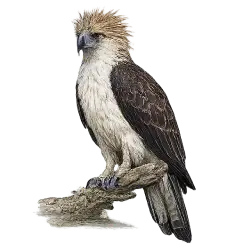
The Philippine Eagle Center at Malagos, Davao keeps and breeds the national bird in forest enclosures, and wild pairs nest on Mount Apo, Mount Kitanglad and Hamiguitan.
Spotting note: Guaranteed at the Davao centre; wild birds need a guided dawn trek at Kitanglad or Apo.
Read species guide Saltwater CrocodileA
The Agusan marsh holds the Philippines' largest wild saltwater crocodiles, watched from Manobo boats among the floating houses of Bunawan and Loreto.
Spotting note: Regular on marsh boat trips in the dry season; Lolong's home water.
Read species guide
Philippine TarsierD
Tarsiers live in the lowland and foothill forest of eastern Mindanao, from Surigao to Davao Oriental, far less visited than Bohol's.
Spotting note: Rare and hard to find without a local guide; Bohol is easier.
Read species guide
Large Flying FoxD
Flying foxes roost in Mindanao's lowland forest patches and the mangroves of Davao Gulf and stream out over the coconut groves at dusk; Samal's famous Monfort cave is a different, smaller fruit bat, the Geoffroy's rousette, in a colony of close to two million.
Spotting note: Regular at dusk along Davao Gulf; the Monfort rousettes are guaranteed but are not this species.
Read species guide
DugongC
Small numbers of dugongs still graze seagrass in Davao Gulf and Pujada Bay near Mati, among the last in the southern Philippines.
Spotting note: Rare; Pujada Bay boat trips have an outside chance.
Read species guide
Long-tailed MacaqueC
Macaque troops forage along Mount Apo's lower trails, in the Eden Nature Park forest above Davao and across Siargao's coconut groves.
Spotting note: Regular on forest-edge trails.
Read species guide
Asian Palm CivetD
Civets raid coffee and fruit farms on the slopes of Mount Apo and Mount Matutum, and their droppings are the source of local civet coffee.
Spotting note: Nocturnal and common on upland farms.
Read species guide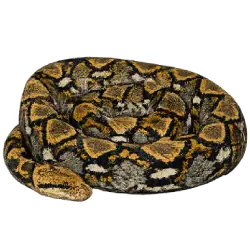
Reticulated PythonB
Big pythons live in the Agusan marsh, Mindanao's river forests and the coconut plantations, and are a regular barangay encounter after floods.
Spotting note: Occasional; most common in the wet season.
Read species guide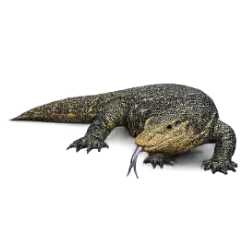
Water MonitorC
Monitors patrol Siargao's mangroves, the Agusan marsh edges and riverbanks across the island.
Spotting note: Common near water.
Read species guide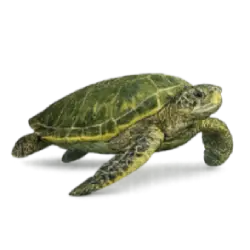
Green Sea TurtleC
Turtles graze the seagrass off Siargao's Daku and Naked islands and nest on quiet beaches of Davao Oriental.
Spotting note: Regular snorkelling around Siargao's island-hopping stops.
Read species guide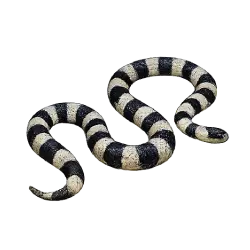
Sea KraitC
Banded sea kraits hunt the reef flats around Siargao and Samal and rest on exposed rocks at low tide.
Spotting note: Occasional on reef snorkels; harmless unless grabbed.
Read species guide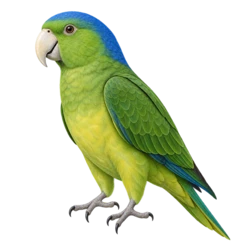
Blue-naped ParrotC
Small flocks of this green, blue-capped parrot fly over Mindanao's lowland forest edges and coconut groves, especially in the east and on Siargao.
Spotting note: Uncommon; listen for the loud screeching flight call at dawn.
Read species guide
Red JunglefowlD
Wild chickens crow from forest edges and abandoned clearings on Mount Apo's foothills and across rural Mindanao.
Spotting note: Heard constantly; seen crossing trails at dawn.
Read species guide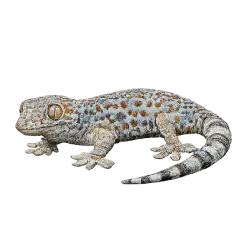
Tokay GeckoD
The tuko barks from the roofs of Davao's suburbs and every rural homestay on the island after dark.
Spotting note: Heard nightly; found with a torch on walls and trees.
Read species guideBest for
Use this section to decide whether the location fits your travel style, skill level, and AnimalDex goals.
- Birders: Mindanao has more endemic birds than any other Philippine island
- Travellers who want a guaranteed Philippine eagle at the Davao centre
- Boat-based wildlife in the Agusan marsh with Manobo guides
- Surfers on Siargao adding turtles, monitors and mangrove birds between sessions
Spotting tips
These tips are meant to make the page useful in the field, not just readable on the page.
- 01Visit the Philippine Eagle Center at opening time, when the birds are active and the Malagos forest around it is full of wild birds too.
- 02Mount Kitanglad in Bukidnon is the most reliable mountain for a wild eagle; book a guide through the local birding community and climb to the Del Monte lodge area before dawn.
- 03Arrange Agusan marsh boats from Bunawan in the dry season (March to May); water levels drop and crocodiles bask on exposed banks.
- 04Samal's Monfort bat sanctuary is a short ferry from Davao; go late afternoon to see the roost and stay for the dusk emergence.
Virtual Wildlife Guides
Wildlife guides to Mindanao
AnimalDex builds virtual guides from explorers' own wild sightings: which animals they found, how rare they are, and when. A guide is advice from someone who has been there, not a tour. Buying one unlocks the author's notes for every animal, a chat with the author, and introductions to local people they met. Wildlife is never guaranteed.
Checking for virtual guides to Mindanao...
How to choose a local wildlife guide in Mindanao
- Ask what they usually find in the season you are visiting. A good guide gives an honest answer, not a promised sighting.
- Check how they treat animals: no baiting, calling in, handling, or close flash photography for a better shot.
- Confirm the meeting area, duration, group size, total price, and how you pay before the day, plus any permits or park fees the place requires.
Track the animals you find in Mindanao
Build your collection while you travel through Mindanao, from easy wins to the species worth planning around.
Related tier lists
These tier lists add broader context around the species that make this location interesting.
Animals with the Best Eyesight
A structured ranking of animals with the best eyesight, separating long-range daytime acuity, low-light vision, motion detection, and unusual visual systems.
Read tier listBiggest Animals in the World
A structured ranking of the biggest animals in the world, using the AnimalDex size stat to compare body scale across sea, land, and air.
Read tier listRelated locations
Keep exploring with nearby or similar destinations that support the same kind of AnimalDex discovery.
Animals in the Philippines: What You Can Spot, Learn, and Collect
Philippines wildlife guide: Philippine eagles in Mindanao, tarsiers on Bohol, whale sharks at Donsol, tamaraw on Mindoro, plus the geckos and sparrows users log daily.
Read location guideAnimals in the Visayas: What You Can Spot, Learn, and Collect
Visayas wildlife: tarsiers and fireflies on Bohol, thresher sharks at Malapascua, whale sharks at Oslob, warty pigs on Negros, dolphins and turtles off Apo Island.
Read location guideAnimals in Palawan: What You Can Spot, Learn, and Collect
Palawan wildlife: monitors at the Puerto Princesa underground river, bearcats and hill mynas, dugongs off Busuanga, El Nido's swiftlets and Tubbataha's sharks and mantas.
Read location guideLocation FAQ
Short direct answers to the questions travelers usually ask before choosing a wildlife destination or zoo day.
What wildlife is there in Mindanao?
Philippine eagles at Davao's eagle centre and wild on Mounts Apo, Kitanglad and Hamiguitan; saltwater crocodiles in the Agusan marsh; tarsiers, flying foxes, civets, macaques, pythons and monitors in the forests; dugongs in Davao Gulf; and turtles, sea kraits and reef fish around Siargao and Samal.
What animals can be found in Mindanao?
Philippine eagle, Philippine tarsier, Philippine deer, warty pig, flying foxes, civets, macaques, saltwater crocodile, reticulated python, monitors, tokay geckos, hornbills, parrots and over 100 endemic bird species, plus sea turtles, dugongs and reef life offshore.
Is it safe to travel in Mindanao for wildlife?
Davao, Bukidnon, Siargao, Samal and Davao Oriental are regularly visited and considered safe for tourists. Check current advice for the Agusan marsh and the Bangsamoro region before going, and use local guides everywhere.
Where can I see a Philippine eagle?
The Philippine Eagle Center in Malagos, Davao City, about 45 minutes from downtown, has eagles in forest enclosures and runs the breeding programme. For a wild bird, Mount Kitanglad in Bukidnon with a local guide is the best bet.
Have AnimalDex users found animals in Mindanao?
Yes. AnimalDex users have publicly logged 1 captures of 1 different species in Mindanao, including mosquito. Each one was photographed in the app at the moment of the sighting.
How do I find a wildlife guide to Mindanao?
Check the Wildlife Guides section on this page or browse Wildlife Guides on AnimalDex. Each one is a virtual guide built from an explorer's own wild sightings around Mindanao: the animals they found, how rare they are, and when. It is advice from someone who has been there, not a tour. If you want someone with you on the day, compare local guides on wildlife knowledge, how they treat animals, and clear pricing before you go.