

Animals in Zanzibar: What You Can Spot, Learn, and Collect
Zanzibar wildlife guide: red colobus in Jozani forest, dolphins at Kizimkazi, turtles and reef fish at Mnemba, Prison Island giant tortoises and mangrove crabs.
Quick answer
Start with the direct answer, then use the sections below to see why the location matters and which animals are actually realistic to spot there.
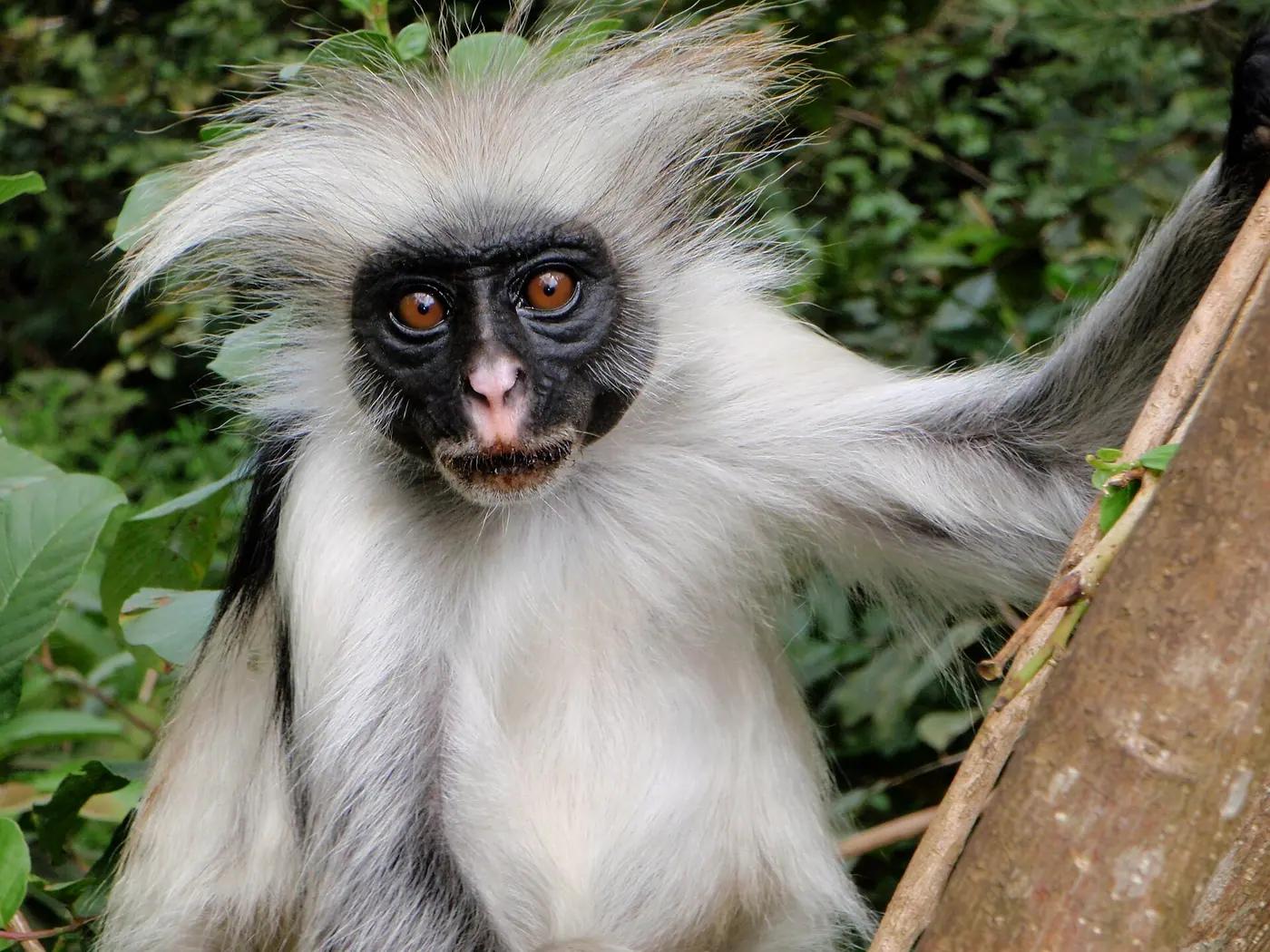
Zanzibar's wildlife headline is the Zanzibar red colobus, a monkey found nowhere else, which is easy to see in Jozani-Chwaka Bay National Park. Beyond that it is a marine island: dolphins off Kizimkazi, green and hawksbill turtles and reef fish around Mnemba atoll, blacktip reef sharks on the drop-offs, giant tortoises on Prison Island and fiddler crabs and mudskippers in the Jozani mangroves.
Zanzibar is better known for beaches and Stone Town than for animals, but the island of Unguja has one genuinely unique primate and a reef system that rewards anyone with a mask. Jozani forest is a half-hour from the east coast resorts and the red colobus troops sit in the trees beside the boardwalk. The Jozani mangrove walk adds crabs, mudskippers and kingfishers.
Offshore, Mnemba atoll off the north-east coast is the snorkelling and dive centre, Kizimkazi in the south runs dolphin trips, and Chumbe Island off Stone Town protects one of the best shallow reefs in East Africa. Pemba, the greener northern island, has its own flying fox and quieter reefs.
Start with these animals
Why this location matters
Good location pages explain why the place is worth your time, not just which names belong on a destination checklist.
The Zanzibar red colobus numbers only a few thousand and lives only on this island, so Jozani is one of those places where a tourist stop supports the survival of a whole species.
The island's reefs and turtle beaches are under pressure from fast-growing tourism, and operators that follow the rules at Mnemba and Kizimkazi are the ones worth choosing.
Where to look
Wildlife map of Zanzibar
This guide covers the region shown below. Zoom in to get your bearings before planning a trip.
Positions are geocoded from OpenStreetMap. Habitat access and opening times change — check locally before travelling.
Animals to spot
These are intentionally practical species picks, balancing accessibility, excitement, and what travelers can realistically notice in the location.

DolphinB
Indo-Pacific bottlenose and humpback dolphins live off Kizimkazi on the south coast, where boats go out at dawn; Mnemba also has regular pods.
Spotting note: Common at Kizimkazi in the morning; choose boats that do not chase or drop swimmers on the pods.
Read species guide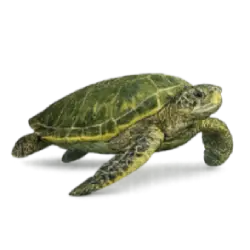
Green Sea TurtleC
Grazes the seagrass around Mnemba and nests on the quiet beaches of Mnemba island and the north-east; Nungwi and Baraka aquariums hold rescued ones in sea pools.
Spotting note: Regular for snorkellers at Mnemba; guaranteed at the Nungwi turtle pools (captive).
Read species guide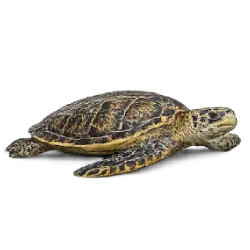
Hawksbill Sea TurtleC
Feeds on sponges along the Mnemba reef and the Chumbe Island coral garden and nests on a few east-coast beaches.
Spotting note: Less common than greens; divers see them at Mnemba and Chumbe.
Read species guide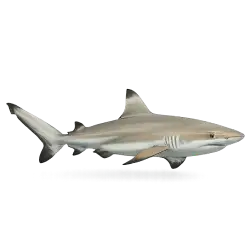
Blacktip Reef SharkC
Small sharks cruise the shallow reef edge and sandy channels at Mnemba and inside the Chumbe reef at high tide.
Spotting note: Regular for divers at Mnemba; harmless and skittish.
Read species guide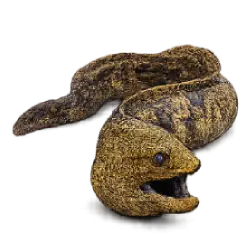
Moray EelC
Peers from coral heads on the Chumbe reef and the Mnemba drop-off, and from the rocks off Stone Town's Prison Island.
Spotting note: Common on every reef if you look into holes.
Read species guide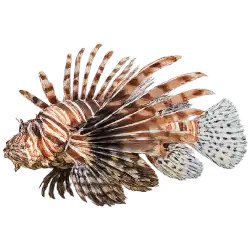
LionfishD
Hangs under ledges on the Mnemba wall and the Stone Town wrecks, fins fanned out.
Spotting note: Common on reef dives; keep hands clear.
Read species guide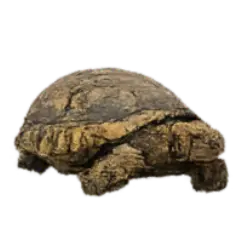
Aldabra Giant TortoiseC
A colony on Changuu (Prison Island), a short boat ride from Stone Town, descends from four tortoises gifted by the Seychelles in 1919 and now includes animals over a century old.
Spotting note: Guaranteed on Prison Island (a managed colony).
Read species guide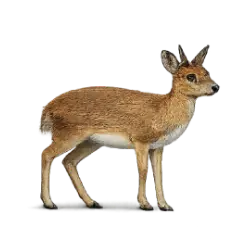
SuniC
The Zanzibar suni, a hare-sized antelope, slips through the undergrowth of Jozani forest and the coral-rag thickets of the south-east.
Spotting note: Uncommon and shy; dawn on the Jozani trails.
Read species guide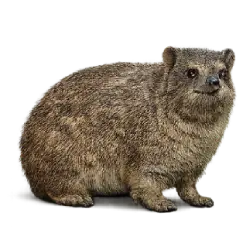
Tree HyraxC
Tree hyraxes scream from the Jozani canopy after dark; the island's form is usually treated as the eastern tree hyrax, a close relative of the mainland species, and shares the forest with the endemic red colobus.
Spotting note: Heard on night walks far more than seen.
Read species guide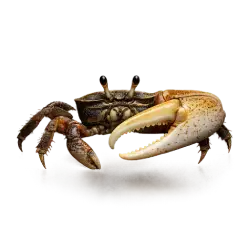
Fiddler CrabE
Thousands wave their single big claw on the mud below the Jozani mangrove boardwalk and along the Chwaka Bay flats at low tide.
Spotting note: Abundant at low tide on the mangrove walk.
Read species guide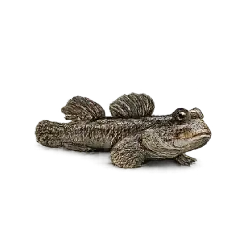
MudskipperE
Skips across the mud and climbs mangrove roots at Jozani and Michamvi, breathing air between tides.
Spotting note: Common on mangrove edges at low tide.
Read species guide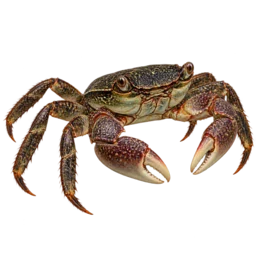
Mangrove CrabE
Mangrove crabs scuttle over the roots and boardwalk posts at Jozani and in the mangroves behind Stone Town's Maruhubi ruins.
Spotting note: Very common in any mangrove stand.
Read species guide
House CrowD
Introduced Indian house crows swarm Stone Town and the resort beaches, stealing from tables and raiding nests of native birds.
Spotting note: Abundant and invasive; log it as such.
Read species guide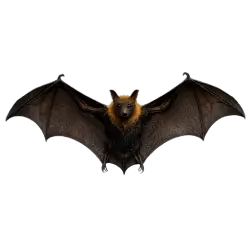
Fruit BatB
Pemba flying foxes roost in big colonies in Pemba's forests and the Kidike roost near Chake Chake, and smaller fruit bats stream over Stone Town at dusk.
Spotting note: Guaranteed at Kidike on Pemba; dusk flights over Unguja are common.
Read species guideBest for
Use this section to decide whether the location fits your travel style, skill level, and AnimalDex goals.
- Beach holidays that want one guaranteed unique mammal in Jozani.
- Snorkellers and divers using Nungwi, Matemwe or Paje as a base for Mnemba and Chumbe.
- Families who like Prison Island tortoises and the Jozani mangrove boardwalk.
- Birders and bat watchers heading to the quieter island of Pemba.
Spotting tips
These tips are meant to make the page useful in the field, not just readable on the page.
- 01Visit Jozani in the early morning or late afternoon when the colobus feed low in the trees near the car park and the forest is cooler.
- 02Go to Mnemba on a day with little wind; the snorkelling is from boats and turtles are easiest at slack water.
- 03Kizimkazi dolphin trips are best at first light before the fleet arrives; pick an operator that keeps engines off near the pod.
- 04Night walks at Jozani or near Michamvi bring out hyraxes, bushbabies and chameleons; bring a red-filtered torch.
Virtual Wildlife Guides
Wildlife guides to Zanzibar
AnimalDex builds virtual guides from explorers' own wild sightings: which animals they found, how rare they are, and when. A guide is advice from someone who has been there, not a tour. Buying one unlocks the author's notes for every animal, a chat with the author, and introductions to local people they met. Wildlife is never guaranteed.
Checking for virtual guides to Zanzibar...
How to choose a local wildlife guide in Zanzibar
- Ask what they usually find in the season you are visiting. A good guide gives an honest answer, not a promised sighting.
- Check how they treat animals: no baiting, calling in, handling, or close flash photography for a better shot.
- Confirm the meeting area, duration, group size, total price, and how you pay before the day, plus any permits or park fees the place requires.
Track the animals you find in Zanzibar
Build your collection while you travel through Zanzibar, from easy wins to the species worth planning around.
Related tier lists
These tier lists add broader context around the species that make this location interesting.
Rarest Animals in the World
A structured ranking of the rarest animals in the world, blending scarcity, vulnerability, and conservation pressure to answer the overlap between rarest and most endangered wildlife.
Read tier listRelated locations
Keep exploring with nearby or similar destinations that support the same kind of AnimalDex discovery.
Animals in Tanzania: What You Can Spot, Learn, and Collect
A practical Tanzania wildlife guide built around open-country density, famous safari mammals, and the supporting species that make the trip feel biologically complete.
Read location guideAnimals in Dar es Salaam: What You Can Spot, Learn, and Collect
Dar es Salaam wildlife guide: reef fish and hermit crabs on Bongoyo island, nesting turtles at Kigamboni, vervets in the Pugu hills and the city's crows and egrets.
Read location guideAnimals in the Serengeti: What You Can Spot, Learn, and Collect
Serengeti wildlife guide: the wildebeest migration and river crossings, lions, leopards and cheetahs, black rhinos on the Ngorongoro crater floor and big-sky birds.
Read location guideLocation FAQ
Short direct answers to the questions travelers usually ask before choosing a wildlife destination or zoo day.
What wildlife is there in Zanzibar?
The endemic Zanzibar red colobus in Jozani forest, dolphins off Kizimkazi, green and hawksbill turtles and reef fish at Mnemba and Chumbe, blacktip reef sharks, giant tortoises on Prison Island, suni antelope and tree hyrax in the forest, and mangrove crabs and mudskippers along the coast.
What animals can be found in Zanzibar?
A small land fauna led by the red colobus, Sykes' monkey, suni, bushbaby and Pemba flying fox, with a much larger marine fauna of reef fish, turtles, dolphins, rays and the occasional whale shark in season.
Where can you see the Zanzibar red colobus?
Jozani-Chwaka Bay National Park, about 35 kilometres south-east of Stone Town, where habituated troops feed in the trees along the road and beside the visitor centre. Guided walks run all day and the fee includes the mangrove boardwalk.
Is swimming with dolphins in Zanzibar ethical?
It depends on the operator. The Kizimkazi pods are resident and heavily visited; boats that chase, box in or drop swimmers on top of them cause real harm. Choose a guide who keeps distance and let the dolphins approach if they choose.
How do I find a wildlife guide to Zanzibar?
Check the Wildlife Guides section on this page or browse Wildlife Guides on AnimalDex. Each one is a virtual guide built from an explorer's own wild sightings around Zanzibar: the animals they found, how rare they are, and when. It is advice from someone who has been there, not a tour. If you want someone with you on the day, compare local guides on wildlife knowledge, how they treat animals, and clear pricing before you go.