

Animals in the Serengeti: What You Can Spot, Learn, and Collect
Serengeti wildlife guide: the wildebeest migration and river crossings, lions, leopards and cheetahs, black rhinos on the Ngorongoro crater floor and big-sky birds.
Quick answer
Start with the direct answer, then use the sections below to see why the location matters and which animals are actually realistic to spot there.
The Serengeti holds about 1.5 million wildebeest and hundreds of thousands of zebra and gazelle that circle the ecosystem all year, followed by the largest lion population in Africa. Leopards sit in the kopjes and sausage trees of the Seronera valley, cheetahs hunt the short-grass plains in the south, and the neighbouring Ngorongoro crater floor is the most reliable place in Tanzania to see black rhino. Elephants, giraffes, hyenas, crocodiles at the river crossings and birds from ostrich to lilac-breasted roller fill in the rest.
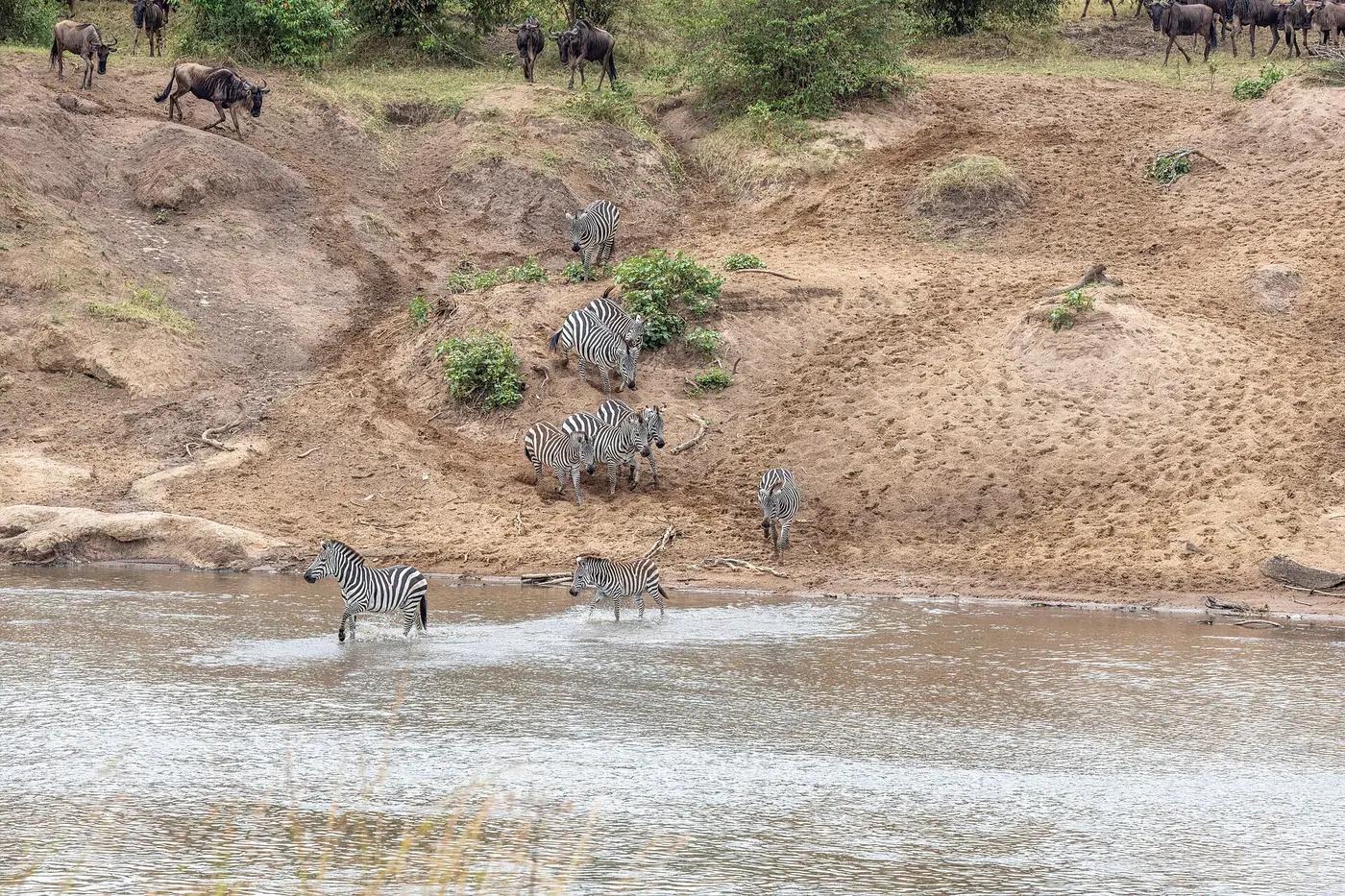
The Serengeti is the one safari destination that lives up to the brochure. The migration is not a single event but a year-long loop: calving on the southern short-grass plains around Ndutu in January to March, the long trek north-west through the Western Corridor and the Grumeti river in May and June, the Mara river crossings in the north from July to October, and the return south with the November rains.
Away from the herds, the central Seronera valley has resident lions, leopards and the big elephant herds, and the granite kopjes that break the plains are where cats rest and klipspringers stand sentry. The Ngorongoro crater on the ecosystem's eastern edge is a 260 square kilometre bowl with its own resident game, including black rhinos that are easy to find from the crater rim roads.
Why this location matters
Good location pages explain why the place is worth your time, not just which names belong on a destination checklist.
This is the last place on earth where a land migration of this size still runs unfenced. Watching a column of wildebeest stretch to the horizon, or a herd commit to a crocodile-filled river, is the closest thing to seeing Africa before people.
The Serengeti is also where much of what we know about lions, hyenas and wild dogs was learned, through decades of continuous research at Seronera. Every tourist sighting of a collared lioness is part of that record.
Where to look
Wildlife map of Serengeti
This guide covers the region shown below. Zoom in to get your bearings before planning a trip.
Positions are geocoded from OpenStreetMap. Habitat access and opening times change — check locally before travelling.
Animals to spot
These are intentionally practical species picks, balancing accessibility, excitement, and what travelers can realistically notice in the location.
LionB
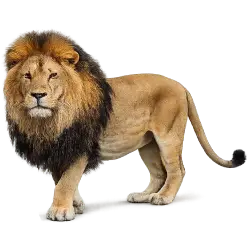
About 3,000 lions live in the ecosystem, the most anywhere in Africa; the Seronera and Moru kopjes prides are the most-watched and often rest on the rocks in plain view.
Spotting note: Near-certain on any multi-day safari.
Read species guide
LeopardB
The sausage trees and yellow-barked acacias along the Seronera river are the classic leopard spot, with cats draped over branches in the heat of the day.
Spotting note: Regular in Seronera; guides check the known trees each morning.
Read species guide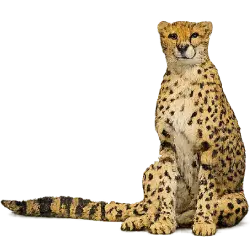
CheetahA
Hunts Thomson's gazelle on the open short-grass plains around Ndutu, Gol and the Namiri plains in the east, where it can be watched running at full speed.
Spotting note: Regular in the south and east, especially December to April.
Read species guide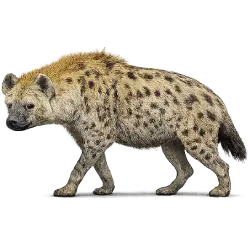
Spotted HyenaA
Clans of dozens follow the migration and dominate many kills; they den in culverts and old aardvark burrows and are vocal all night around the camps.
Spotting note: Abundant; dawn drives find them trotting home.
Read species guide
Blue WildebeestC
The migration itself: over a million animals calving at Ndutu in February, crossing the Grumeti in June and the Mara river in the north from July to October.
Spotting note: Guaranteed somewhere in the ecosystem; the location depends on the month.
Read species guide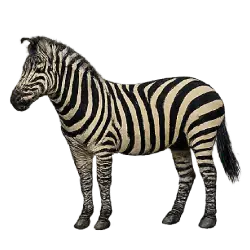
Plains ZebraB
A few hundred thousand zebra move ahead of the wildebeest, grazing the long grass down, and are the first to test the river crossings.
Spotting note: Abundant year-round.
Read species guide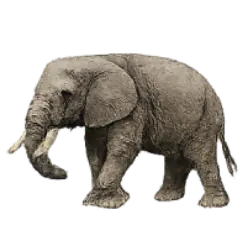
African Bush ElephantS
Big breeding herds live in the Seronera woodlands and the northern Lobo and Kogatende areas, and a few old bulls walk the Ngorongoro crater floor.
Spotting note: Common in central and northern Serengeti.
Read species guide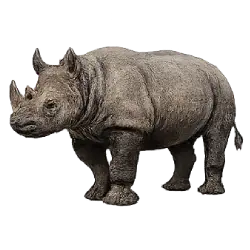
Black RhinocerosA
The Ngorongoro crater floor holds a closely guarded population that is seen from the crater roads most days, and the Moru kopjes in the Serengeti hold a small protected group.
Spotting note: Likely at Ngorongoro; rare in the Serengeti proper.
Read species guide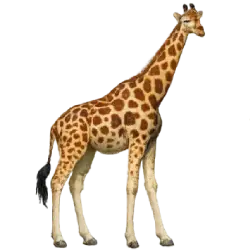
GiraffeB
Masai giraffes browse the acacias of the Seronera valley and the northern woodlands, often in groups of a dozen or more.
Spotting note: Common throughout the park except the open south.
Read species guide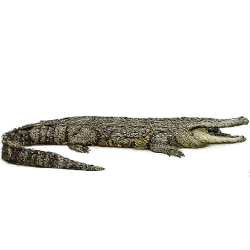
CrocodileC
The Grumeti and Mara rivers hold enormous Nile crocodiles that wait all year for the migration crossings and take wildebeest in the shallows.
Spotting note: Common at the river pools; dramatic at crossings.
Read species guide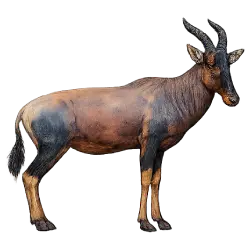
TopiB
Stands on termite mounds across the Western Corridor and the northern plains, a glossy, long-faced antelope that the Serengeti has in bigger numbers than anywhere else.
Spotting note: Common in the west and north.
Read species guide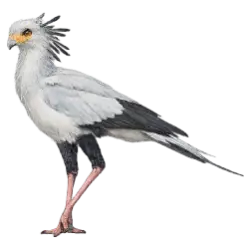
SecretarybirdB
Stalks the short grass in pairs, stamping on snakes and grasshoppers, and nests on flat-topped acacias across the plains.
Spotting note: Regular on the open plains.
Read species guide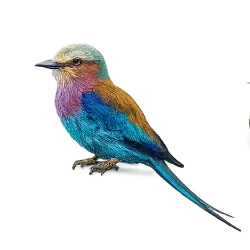
Lilac-breasted RollerD
The safari bird, perched on roadside shrubs and termite mounds across the whole park and flashing turquoise when it flies.
Spotting note: Abundant; the first bird most visitors photograph.
Read species guide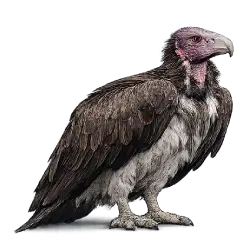
Lappet-faced VultureB
The biggest vulture on the plains, dominating carcasses after the hyenas leave and nesting on acacias in the south and around Ndutu.
Spotting note: Regular at kills; declining across Africa, so worth logging.
Read species guideBest for
Use this section to decide whether the location fits your travel style, skill level, and AnimalDex goals.
- First-time safari travellers who want the classic plains, big cats and the migration.
- Photographers at the Ndutu calving season or the Mara river crossings.
- People combining the park with the Ngorongoro crater for rhinos.
- Birders; the park has over 500 species, from ostrich to tiny cisticolas.
Spotting tips
These tips are meant to make the page useful in the field, not just readable on the page.
- 01Choose your month and your region together: Ndutu for January to March, the Western Corridor for May and June, the north around Kogatende for July to October, and Seronera for resident game any time.
- 02River crossings cannot be scheduled; park at a crossing point in the north and wait, sometimes for hours.
- 03Check every kopje and every large tree near a river with binoculars; lions and leopards use the same rocks and branches day after day.
- 04Ngorongoro crater is best entered at the 6am gate opening before the crowds; rhinos are easiest in the Lerai forest and Gorigor swamp areas early.
Virtual Wildlife Guides
Wildlife guides to Serengeti
AnimalDex builds virtual guides from explorers' own wild sightings: which animals they found, how rare they are, and when. A guide is advice from someone who has been there, not a tour. Buying one unlocks the author's notes for every animal, a chat with the author, and introductions to local people they met. Wildlife is never guaranteed.
Checking for virtual guides to Serengeti...
How to choose a local wildlife guide in Serengeti
- Ask what they usually find in the season you are visiting. A good guide gives an honest answer, not a promised sighting.
- Check how they treat animals: no baiting, calling in, handling, or close flash photography for a better shot.
- Confirm the meeting area, duration, group size, total price, and how you pay before the day, plus any permits or park fees the place requires.
Track the animals you find in Serengeti
Build your collection while you travel through Serengeti, from easy wins to the species worth planning around.
Related tier lists
These tier lists add broader context around the species that make this location interesting.
100 Fastest Animals in the World
Ranked list of the fastest animals in the world, with land, flying, and marine speed kept separate so a diving falcon is not treated as the same kind of fast as a cheetah.
Read tier listBest Hunters in the Animal World
A structured ranking of the best hunters in the animal world, balancing success rate, kill efficiency, tracking ability, coordination, and finishing power.
Read tier listBiggest Animals in the World
A structured ranking of the biggest animals in the world, using the AnimalDex size stat to compare body scale across sea, land, and air.
Read tier listRelated locations
Keep exploring with nearby or similar destinations that support the same kind of AnimalDex discovery.
Animals in Tanzania: What You Can Spot, Learn, and Collect
A practical Tanzania wildlife guide built around open-country density, famous safari mammals, and the supporting species that make the trip feel biologically complete.
Read location guideAnimals in the Masai Mara: What You Can Spot, Learn, and Collect
Masai Mara wildlife guide: Mara river wildebeest crossings, the Marsh and Topi lion prides, cheetahs on the plains, leopards along the Talek, hippos and elephants.
Read location guideAnimals in Kenya: What You Can Spot, Learn, and Collect
A practical Kenya wildlife guide built around open-country species, clean visibility, and the animals that make East African travel feel immediately iconic.
Read location guideLocation FAQ
Short direct answers to the questions travelers usually ask before choosing a wildlife destination or zoo day.
What wildlife is there in the Serengeti?
The migrating herds of wildebeest, zebra and gazelle; Africa's largest lion population plus leopards, cheetahs and spotted hyenas; elephants, giraffes, buffalo, hippos and crocodiles; black rhinos in the Ngorongoro crater and at Moru; and over 500 bird species.
What animals can be found in the Serengeti?
About 70 large mammal species and 500 birds. The Big Five are all present, with rhino the hardest to see outside Ngorongoro, and the park's specialities are the migration, cheetahs on the short-grass plains, topi herds and the kopje-dwelling leopards and klipspringers.
When is the great migration in the Serengeti?
It never stops. The herds calve in the south around Ndutu from January to March, move through the Western Corridor in May and June, cross the Mara river in the north from July to October, and return south with the short rains in November and December.
Is the Serengeti or the Masai Mara better?
They are the same ecosystem across a border. The Serengeti is far bigger, less crowded and holds the migration for most of the year; the Mara is smaller, closer to Nairobi and has the densest predator viewing and the famous crossings from July to October.
How do I find a wildlife guide to Serengeti?
Check the Wildlife Guides section on this page or browse Wildlife Guides on AnimalDex. Each one is a virtual guide built from an explorer's own wild sightings around Serengeti: the animals they found, how rare they are, and when. It is advice from someone who has been there, not a tour. If you want someone with you on the day, compare local guides on wildlife knowledge, how they treat animals, and clear pricing before you go.