

Animals in Dar es Salaam: What You Can Spot, Learn, and Collect
Dar es Salaam wildlife guide: reef fish and hermit crabs on Bongoyo island, nesting turtles at Kigamboni, vervets in the Pugu hills and the city's crows and egrets.
Quick answer
Start with the direct answer, then use the sections below to see why the location matters and which animals are actually realistic to spot there.
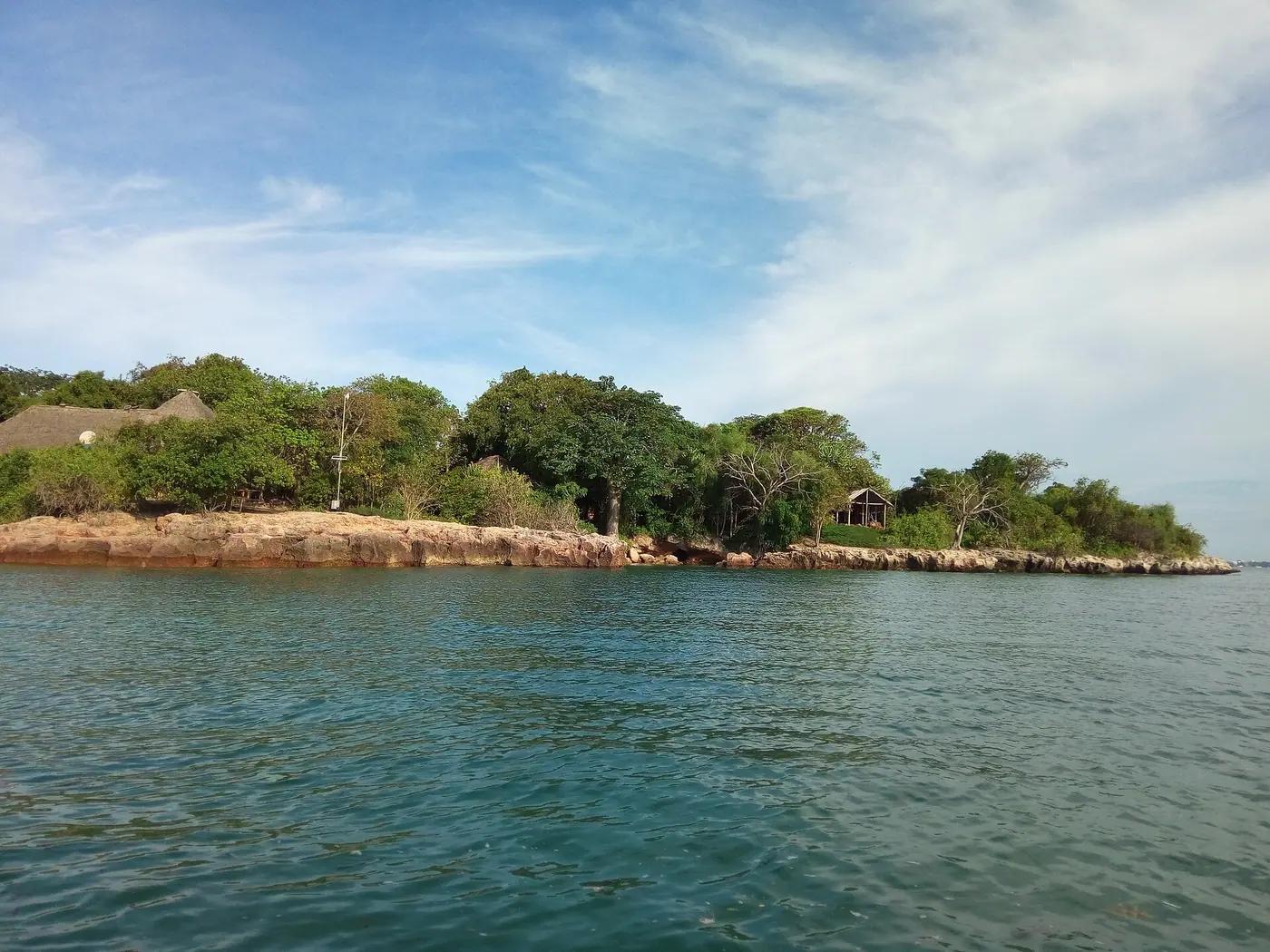
Dar es Salaam is a working port city, not a safari stop, but its coast is alive. Bongoyo and Mbudya islands in the marine reserve twenty minutes offshore have reef fish, morays and hermit crabs; the Kigamboni and Kunduchi beaches have nesting green turtles protected by Sea Sense; the Msimbazi creek and Kunduchi mangroves hold kingfishers, fiddler crabs and mudskippers; and the Pugu forest hills on the city edge have vervet monkeys, butterflies and forest birds. In the streets, pied crows, house crows and cattle egrets are the constant company.
Most travellers see Dar es Salaam only on the way to Zanzibar or the southern parks, which is a shame because the city sits on a coast with a protected marine reserve, mangrove creeks and the last coastal forest hills within reach of a daladala. A morning on Bongoyo island with a mask and an afternoon walk in the Pugu hills produce a surprisingly long list.
The city itself has its own wildlife rhythm: cattle egrets flying to roost over Oyster Bay at dusk, giant land snails crossing wet garden paths after rain, tropical house geckos on every veranda ceiling, and the big, slow dragonflies that patrol the Coco Beach seafront. These are the species AnimalDex users in Dar realistically log, and they count.
Why this location matters
Good location pages explain why the place is worth your time, not just which names belong on a destination checklist.
Dar es Salaam's beaches are among the last mainland Tanzanian nesting sites for green turtles, and the community monitors who guard the nests at Kigamboni and Ras Kutani are a model for how a city of seven million can share its shore with wildlife.
The Pugu and Kazimzumbwi forest reserves protect a remnant of East African coastal forest, one of the most threatened habitats on the continent, and public attention is part of what keeps the charcoal cutters out.
Where to look
Wildlife map of Dar es Salaam
This guide covers the region shown below. Zoom in to get your bearings before planning a trip.
Positions are geocoded from OpenStreetMap. Habitat access and opening times change — check locally before travelling. Smaller pins are public AnimalDex captures, placed to the nearest kilometre.
Field proof
Found in Dar es Salaam by AnimalDex users
Real captures logged in the AnimalDex app inside this area and shared publicly by their collectors, with the animal confirmed by the app's identification. Places are shown to the nearest region, never the exact spot.
- 1
- public captures
- 1
- species recorded
- 1
- collectors
- 1
- wild sightings
Recent captures from the field
Species people have actually logged here
Every name links to its species guide. The count is how many public captures of that animal sit inside this area.
Collectors choose to share these captures on Discover and can withdraw them at any time. Coordinates are rounded to about a kilometre and refreshed with each site build.
Animals to spot
These are intentionally practical species picks, balancing accessibility, excitement, and what travelers can realistically notice in the location.

House CrowD
The introduced Indian house crow is the most visible animal in Dar, mobbing fish markets, rooftops and hotel breakfast terraces across the whole city.
Spotting note: Abundant and invasive everywhere.
Read species guide
Pied CrowD
The native black-and-white crow holds its own against the house crows on the city edge, around the University of Dar es Salaam and the Pugu road.
Spotting note: Common on the outskirts, scarcer in the centre.
Read species guide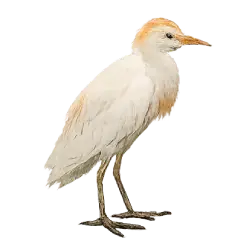
Cattle EgretD
Flocks follow the mowers on the golf course and the goats on the Kigamboni side, and stream over Oyster Bay to roost each evening.
Spotting note: Abundant, especially at dusk.
Read species guide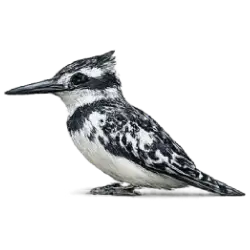
Pied KingfisherD
Hovers over the Msimbazi creek and the fish ponds along the Kunduchi road, and works the Kigamboni ferry channel at low tide.
Spotting note: Common on any open water.
Read species guide
Vervet MonkeyD
Troops live in the Pugu hills forest and along the Kigamboni coast around Ras Kutani, raiding fruit trees and beach bars.
Spotting note: Regular at Pugu and on the south coast beaches.
Read species guide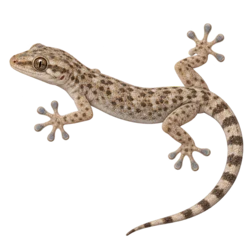
Tropical House GeckoE
The pale gecko on every lit veranda ceiling in Masaki and Mikocheni, snapping up moths and mosquitoes after dark.
Spotting note: Guaranteed on any warm night.
Read species guide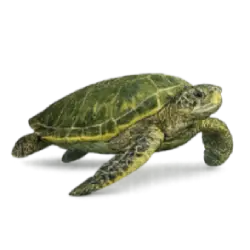
Green Sea TurtleC
Nests on the beaches south of the city at Kigamboni, Ras Kutani and Kimbiji, where Sea Sense monitors protect the nests and announce hatchings.
Spotting note: Nesting March to July; hatchling releases are advertised locally and worth attending.
Read species guide
DolphinB
Humpback and bottlenose dolphins pass the Kigamboni headlands and are seen from the Bongoyo and Mbudya boats on calm mornings.
Spotting note: Occasional from the island boats; more regular off Kigamboni's southern beaches.
Read species guide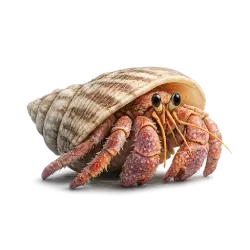
Hermit CrabE
Bongoyo island's beaches crawl with hermit crabs in borrowed shells, especially in the afternoon shade of the baobabs.
Spotting note: Very common on Bongoyo and Mbudya.
Read species guide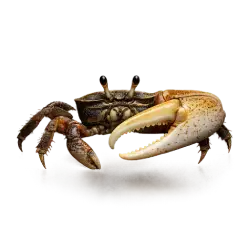
Fiddler CrabE
Carpets the mud of the Kunduchi and Mbweni mangroves and the Mtoni creek at low tide, waving one oversized claw.
Spotting note: Abundant at low tide in any mangrove.
Read species guide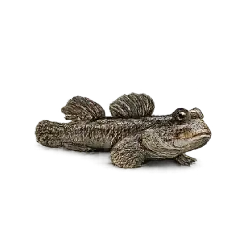
MudskipperE
Skips over the exposed mud at the Msimbazi river mouth and between mangrove roots at Kunduchi.
Spotting note: Common at low tide.
Read species guide
Giant African Land SnailE
Fist-sized snails cross garden paths and compound walls in Mikocheni and Mbezi after the long rains.
Spotting note: Common in the rainy seasons, March to May and November.
Read species guide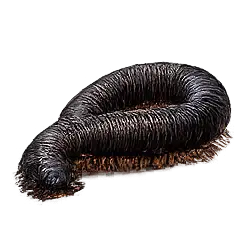
Giant African MillipedeE
Glossy black millipedes as long as a forearm cross the Pugu forest trails and suburban gardens after rain.
Spotting note: Common in the wet season on the city edge.
Read species guide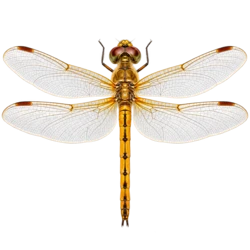
Wandering GliderE
The world's most widespread dragonfly patrols the Coco Beach seafront and every puddle and football pitch in the rains.
Spotting note: Abundant in and after the rainy seasons.
Read species guideBest for
Use this section to decide whether the location fits your travel style, skill level, and AnimalDex goals.
- Travellers with a day in Dar before or after a safari or Zanzibar ferry.
- Snorkellers who want an easy half-day on Bongoyo or Mbudya island.
- City residents who want to log the real local wildlife rather than wait for a park trip.
- Families keen on turtle hatchling releases on the Kigamboni beaches.
Spotting tips
These tips are meant to make the page useful in the field, not just readable on the page.
- 01Take the Bongoyo boat from the Slipway in the morning and snorkel the north-west reef before the wind picks up after midday.
- 02Follow Sea Sense for turtle hatchling release dates at Kigamboni; they happen in the early morning and are open to the public.
- 03Walk the Pugu hills with a local guide early; the forest birds and vervets are active before 9am and the trails are hard to follow alone.
- 04Mangroves at Kunduchi and Mbweni are best an hour either side of low tide for crabs, mudskippers and waders.
Virtual Wildlife Guides
Wildlife guides to Dar es Salaam
AnimalDex builds virtual guides from explorers' own wild sightings: which animals they found, how rare they are, and when. A guide is advice from someone who has been there, not a tour. Buying one unlocks the author's notes for every animal, a chat with the author, and introductions to local people they met. Wildlife is never guaranteed.
Checking for virtual guides to Dar es Salaam...
How to choose a local wildlife guide in Dar es Salaam
- Ask what they usually find in the season you are visiting. A good guide gives an honest answer, not a promised sighting.
- Check how they treat animals: no baiting, calling in, handling, or close flash photography for a better shot.
- Confirm the meeting area, duration, group size, total price, and how you pay before the day, plus any permits or park fees the place requires.
Track the animals you find in Dar es Salaam
Build your collection while you travel through Dar es Salaam, from easy wins to the species worth planning around.
Related tier lists
These tier lists add broader context around the species that make this location interesting.
Most Invasive Species in the World
A structured ranking of the most invasive species in the world, balancing establishment success, ecological disruption, spread potential, and how difficult the species is to remove once it takes hold.
Read tier listRelated locations
Keep exploring with nearby or similar destinations that support the same kind of AnimalDex discovery.
Animals in Tanzania: What You Can Spot, Learn, and Collect
A practical Tanzania wildlife guide built around open-country density, famous safari mammals, and the supporting species that make the trip feel biologically complete.
Read location guideAnimals in Zanzibar: What You Can Spot, Learn, and Collect
Zanzibar wildlife guide: red colobus in Jozani forest, dolphins at Kizimkazi, turtles and reef fish at Mnemba, Prison Island giant tortoises and mangrove crabs.
Read location guideAnimals in the Serengeti: What You Can Spot, Learn, and Collect
Serengeti wildlife guide: the wildebeest migration and river crossings, lions, leopards and cheetahs, black rhinos on the Ngorongoro crater floor and big-sky birds.
Read location guideLocation FAQ
Short direct answers to the questions travelers usually ask before choosing a wildlife destination or zoo day.
What wildlife is there in Dar es Salaam?
Reef fish, morays and hermit crabs on Bongoyo and Mbudya islands, nesting green turtles on the Kigamboni beaches, kingfishers, crabs and mudskippers in the mangroves, vervet monkeys and forest birds in the Pugu hills, and crows, egrets, geckos and giant snails throughout the city.
What animals can be found in Dar es Salaam?
No large game in the city, but a lively coastal fauna: green and hawksbill turtles, dolphins offshore, over 200 bird species including pied kingfishers and egrets, vervets and bushbabies in the Pugu forest, and plenty of insects, geckos and land snails in gardens.
Is there a zoo or wildlife park in Dar es Salaam?
There is no major zoo. The Dar es Salaam Marine Reserve islands (Bongoyo, Mbudya, Pangavini and Fungu Yasini) are the main protected area, and the Pugu Hills forest reserve on the western edge is the nearest wild forest. Saadani National Park, with elephants and a beach, is about four hours north.
Can you see turtles in Dar es Salaam?
Yes. Green turtles nest on the south-coast beaches at Kigamboni, Ras Kutani and Kimbiji from March to July, and Sea Sense runs public hatchling releases. Snorkellers at Bongoyo and Mbudya occasionally see turtles over the reef.
Have AnimalDex users found animals in Dar es Salaam?
Yes. AnimalDex users have publicly logged 1 captures of 1 different species in Dar es Salaam, including pied crow. Each one was photographed in the app at the moment of the sighting.
How do I find a wildlife guide to Dar es Salaam?
Check the Wildlife Guides section on this page or browse Wildlife Guides on AnimalDex. Each one is a virtual guide built from an explorer's own wild sightings around Dar es Salaam: the animals they found, how rare they are, and when. It is advice from someone who has been there, not a tour. If you want someone with you on the day, compare local guides on wildlife knowledge, how they treat animals, and clear pricing before you go.