

Animals in Romania: What You Can Spot, Learn, and Collect
Romania's wildlife: Europe's largest pelican colony in the Danube Delta, thousands of Carpathian bears, wolves, lynx and chamois, and Dobrogea's tortoises and jackals.
Quick answer
Start with the direct answer, then use the sections below to see why the location matters and which animals are actually realistic to spot there.
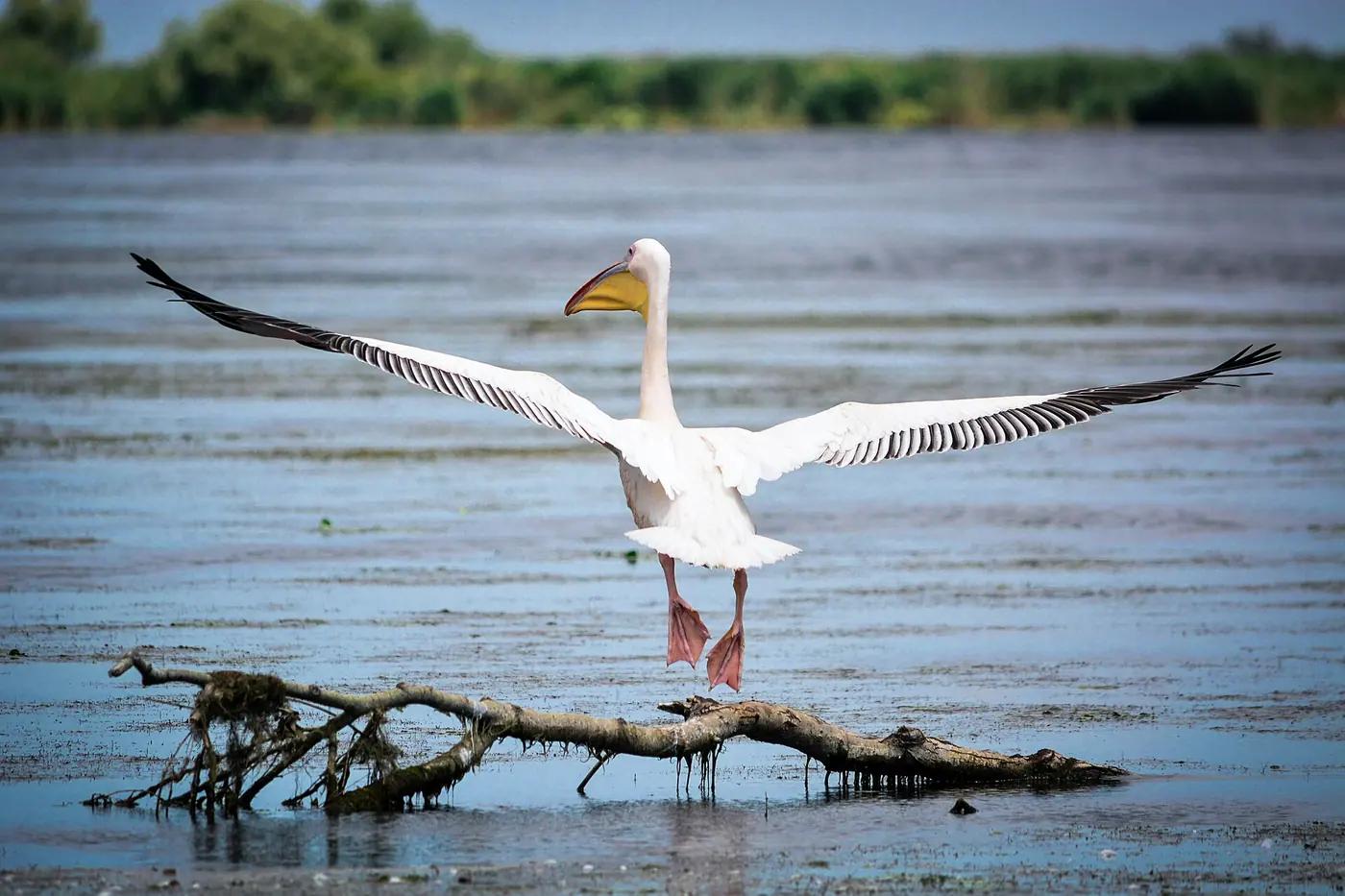
Romania has the largest brown bear population in the European Union, several thousand animals in the Carpathians, alongside wolves, lynx, wildcats and chamois. The Danube Delta holds Europe's biggest colony of great white pelicans and a large share of its Dalmatian pelicans, and the dry hills of Dobrogea between the Danube and the Black Sea have tortoises, rollers and golden jackals.
Romania is the wildest large country in the European Union. The Carpathian arc wraps around Transylvania with unbroken beech and spruce forest, and the bears, wolves and lynx that live there are the continent's largest populations outside Russia. Bear-watching hides in Harghita and Covasna counties and the Libearty sanctuary at Zărnești make the species easy to see.
The Danube finishes its journey here in a 2,500 square kilometre delta of reed, willow and channels. Pelicans, herons, spoonbills and glossy ibis breed in tens of thousands, and the lower Danube floodplain upstream, around Călărași where Romanian AnimalDex captures have been made, has fishponds and lakes that pelicans visit on feeding flights from the delta.
Start with these animals
Why this location matters
Good location pages explain why the place is worth your time, not just which names belong on a destination checklist.
Romania's Carpathians are the reason Europe still has large carnivores to reintroduce elsewhere. Around 8,000 bears, more than 2,500 wolves and over a thousand lynx live in a landscape of shepherds, villages and old forest that has somehow kept them all.
The Danube Delta is a UNESCO biosphere reserve and the largest wetland in Europe. For a wildlife traveller it offers something rare on this continent: days on the water with pelicans overhead and no roads in sight.
Where to look
Wildlife map of Romania
This guide covers the region shown below. Zoom in to get your bearings before planning a trip.
Positions are geocoded from OpenStreetMap. Habitat access and opening times change — check locally before travelling. Smaller pins are public AnimalDex captures, placed to the nearest kilometre.
Field proof
Found in Romania by AnimalDex users
Real captures logged in the AnimalDex app inside this area and shared publicly by their collectors, with the animal confirmed by the app's identification. Places are shown to the nearest region, never the exact spot.
- 3
- public captures
- 3
- species recorded
- 2
- collectors
- 3
- wild sightings
Recent captures from the field
Species people have actually logged here
Every name links to its species guide. The count is how many public captures of that animal sit inside this area.
Collectors choose to share these captures on Discover and can withdraw them at any time. Coordinates are rounded to about a kilometre and refreshed with each site build.
Animals to spot
These are intentionally practical species picks, balancing accessibility, excitement, and what travelers can realistically notice in the location.
Great White PelicanC
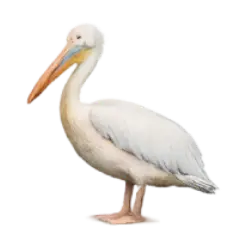
The Danube Delta hosts around 20,000 great white pelicans, Europe's largest colony, and feeding flocks cross the lower Danube to lakes like Iezer-Călărași and the Ciocănești fishponds.
Spotting note: Guaranteed on a delta boat trip from Tulcea or Murighiol between April and September.
Read species guide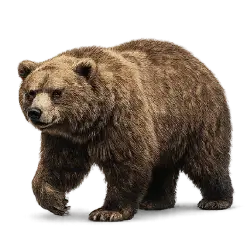
Brown BearA
Romania's Carpathians hold the EU's largest bear population, and hides near Băile Tușnad, Zărnești and in Covasna county show them most evenings from spring to autumn.
Spotting note: Very likely from a hide between May and October; also seen on the Transfăgărășan road.
Read species guide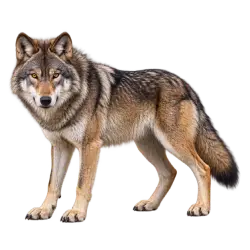
Eurasian WolfA
More than 2,500 wolves range across the Carpathians, with the Piatra Craiului and Făgăraș mountains well known for packs that follow the sheep flocks in summer.
Spotting note: Rarely seen; winter tracking with a guide in Piatra Craiului is the best bet.
Read species guide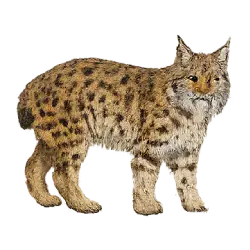
Eurasian LynxB
The Carpathians hold over a thousand lynx, the largest population west of Russia, hunting roe deer in the mixed forests of Harghita, Maramureș and the Apuseni.
Spotting note: Very rare. Camera traps and snow tracks are the usual evidence.
Read species guide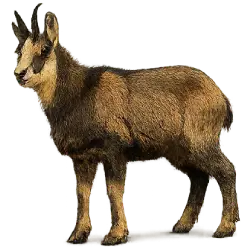
ChamoisC
Chamois graze the limestone ridges of Piatra Craiului and the alpine meadows of Retezat, Bucegi and Făgăraș, often within sight of the Transfăgărășan high road.
Spotting note: Regular above the treeline in summer; scan the cliffs early in the morning.
Read species guide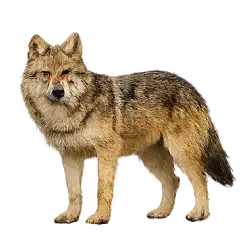
Golden JackalC
Dobrogea, the dry region between the Danube and the Black Sea, has one of Europe's densest jackal populations, calling from the Măcin hills and the delta edge at dusk.
Spotting note: Commonly heard at dusk in Dobrogea; seen crossing roads at night.
Read species guide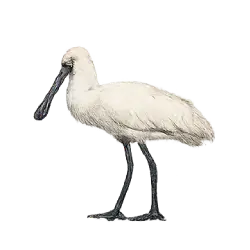
Eurasian SpoonbillC
Spoonbills breed in mixed heron colonies deep in the Danube Delta and feed in lines along the shallow lakes around Sfântu Gheorghe and Letea.
Spotting note: Regular on delta boat trips from May to August.
Read species guide
Red-breasted GooseC
Most of the world's red-breasted geese winter on the Razim-Sinoe lagoons, Lake Techirghiol and the Dobrogea fields, with tens of thousands in cold winters.
Spotting note: Reliable from December to February on the coast south of the delta.
Read species guide
Hermann's TortoiseE
Eastern Hermann's tortoises live in the Măcin and Babadag hills of Dobrogea and in the oak woods of the Iron Gates gorge in the south-west.
Spotting note: Fairly common in Dobrogea in April and May; they hide in summer heat.
Read species guide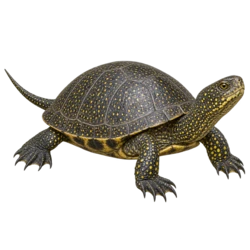
European Pond TerrapinE
The Danube's backwaters, the Călărași lakes and the delta channels have terrapins basking on every half-sunk log from April to October.
Spotting note: Common in slow water; they slip off the log when a boat gets close.
Read species guide
Fire SalamanderE
Fire salamanders are abundant in the wet beech forests of the Carpathians and appear on trails around Sinaia, Zărnești and the Apuseni after rain.
Spotting note: Common on damp spring and autumn days; look on the path after a shower.
Read species guide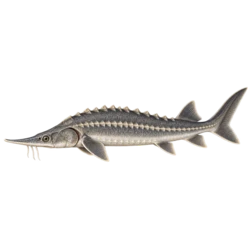
Sterlet SturgeonD
The sterlet is the smallest Danube sturgeon and the one still regularly recorded in the lower river between Călărași and the delta, where sturgeon fishing has been banned since 2006.
Spotting note: Rarely seen alive by visitors; the Tulcea museum aquarium and conservation releases are the realistic view.
Read species guide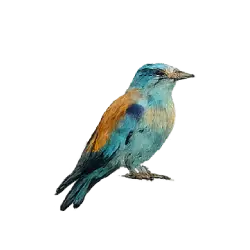
European RollerD
Rollers nest in roadside trees and nest boxes across Dobrogea and the southern plain, flashing turquoise over the fields between Călărași and Constanța.
Spotting note: Regular in the south-east from May to August.
Read species guide
Eurasian MagpieD
The magpie is in the Romanian capture record already and is the loud, obvious bird of every village, orchard and roadside poplar line in the country.
Spotting note: Abundant everywhere, all year.
Read species guideBest for
Use this section to decide whether the location fits your travel style, skill level, and AnimalDex goals.
- Pelicans, herons and spoonbills by boat in the Danube Delta
- Brown bears from hides in Harghita and Covasna counties
- Chamois and alpine hiking in Piatra Craiului and the Făgăraș mountains
- Tortoises, rollers and jackals in the dry Dobrogea hills
Spotting tips
These tips are meant to make the page useful in the field, not just readable on the page.
- 01For the delta base yourself in Murighiol or Crișan rather than Tulcea and take small boats into the side channels at dawn; the big tourist boats stay on the main arms where birds are fewer.
- 02Bear hides work best from late May to September; book through a licensed operator, arrive before 5 pm and expect to stay until dark.
- 03Drive the Transfăgărășan early in the morning in July or August and stop at the hairpins above Bâlea Lac to scan the cliffs for chamois.
- 04In Dobrogea walk the Măcin Mountains National Park trails in April or May for tortoises and rollers, then wait at the park edge at dusk for jackals to start calling.
Virtual Wildlife Guides
Wildlife guides to Romania
AnimalDex builds virtual guides from explorers' own wild sightings: which animals they found, how rare they are, and when. A guide is advice from someone who has been there, not a tour. Buying one unlocks the author's notes for every animal, a chat with the author, and introductions to local people they met. Wildlife is never guaranteed.
Checking for virtual guides to Romania...
How to choose a local wildlife guide in Romania
- Ask what they usually find in the season you are visiting. A good guide gives an honest answer, not a promised sighting.
- Check how they treat animals: no baiting, calling in, handling, or close flash photography for a better shot.
- Confirm the meeting area, duration, group size, total price, and how you pay before the day, plus any permits or park fees the place requires.
Track the animals you find in Romania
Build your collection while you travel through Romania, from easy wins to the species worth planning around.
Related tier lists
These tier lists add broader context around the species that make this location interesting.
Biggest Animals in the World
A structured ranking of the biggest animals in the world, using the AnimalDex size stat to compare body scale across sea, land, and air.
Read tier listBest Hunters in the Animal World
A structured ranking of the best hunters in the animal world, balancing success rate, kill efficiency, tracking ability, coordination, and finishing power.
Read tier listRelated locations
Keep exploring with nearby or similar destinations that support the same kind of AnimalDex discovery.
Animals in Bulgaria: What You Can Spot, Learn, and Collect
Bulgaria's wildlife: bears and chamois in Rila and Pirin, the Via Pontica stork migration, pelicans at Srebarna, red-breasted geese at Durankulak and dense jackals.
Read location guideAnimals in Hungary: What You Can Spot, Learn, and Collect
Hungary's wildlife guide: autumn crane roosts on the Hortobágy puszta, spoonbills and wels catfish at Lake Balaton, red deer in Gemenc and golden jackals in the south.
Read location guideAnimals in Ukraine: What You Can Spot, Learn, and Collect
Ukraine's wildlife: saiga and demoiselle cranes on the Askania-Nova steppe, pelicans in the Danube Biosphere Reserve, Carpathian bears and lynx, and Black Sea porpoises.
Read location guideLocation FAQ
Short direct answers to the questions travelers usually ask before choosing a wildlife destination or zoo day.
What wildlife is there in Romania?
Romania has Europe's largest populations of brown bears, wolves and lynx outside Russia, plus chamois, wildcats and red deer in the Carpathians. The Danube Delta holds huge colonies of pelicans, herons, spoonbills and ibis, and Dobrogea has tortoises, rollers and golden jackals.
What animals can be found in Romania?
Bears, wolves, lynx and chamois in the mountains; great white and Dalmatian pelicans, spoonbills and pond terrapins in the Danube Delta; red-breasted geese on the Black Sea coast in winter; and jackals, Hermann's tortoises and rollers in Dobrogea.
Is it safe to see bears in Romania?
From a hide with a licensed guide, yes, and that is how most visitors do it. On hiking trails carry food sealed, make noise on blind corners and never feed roadside bears on the Transfăgărășan, which is where almost all problem encounters happen.
When is the best time to visit the Danube Delta?
May and June for breeding pelicans, herons and spoonbills with the willows in leaf and mosquitoes still tolerable. September is quieter with large pelican flocks gathering before migration.
Have AnimalDex users found animals in Romania?
Yes. AnimalDex users have publicly logged 3 captures of 3 different species in Romania, including domestic pigeon, eurasian magpie, shield & stink bug. Each one was photographed in the app at the moment of the sighting.
How do I find a wildlife guide to Romania?
Check the Wildlife Guides section on this page or browse Wildlife Guides on AnimalDex. Each one is a virtual guide built from an explorer's own wild sightings around Romania: the animals they found, how rare they are, and when. It is advice from someone who has been there, not a tour. If you want someone with you on the day, compare local guides on wildlife knowledge, how they treat animals, and clear pricing before you go.