

Animals in the Czech Republic: What You Can Spot, Learn, and Collect
Czech wildlife from the lynx and wolves of Šumava to the carp ponds and night herons of Třeboň, eagle owls in the quarries and the gorillas and rhinos of Prague Zoo.
Quick answer
Start with the direct answer, then use the sections below to see why the location matters and which animals are actually realistic to spot there.
The Czech Republic has a lynx population of over a hundred in the Šumava forest on the Bavarian border, wolves that returned in the 2010s, red deer, wild boar and eagle owls across its hills, and a 500-year-old fishpond landscape at Třeboň full of carp, grebes, geese and a large night heron colony. Prague Zoo in Troja is one of Europe's best and adds gorillas, Indian rhinos and elephants to any visit.
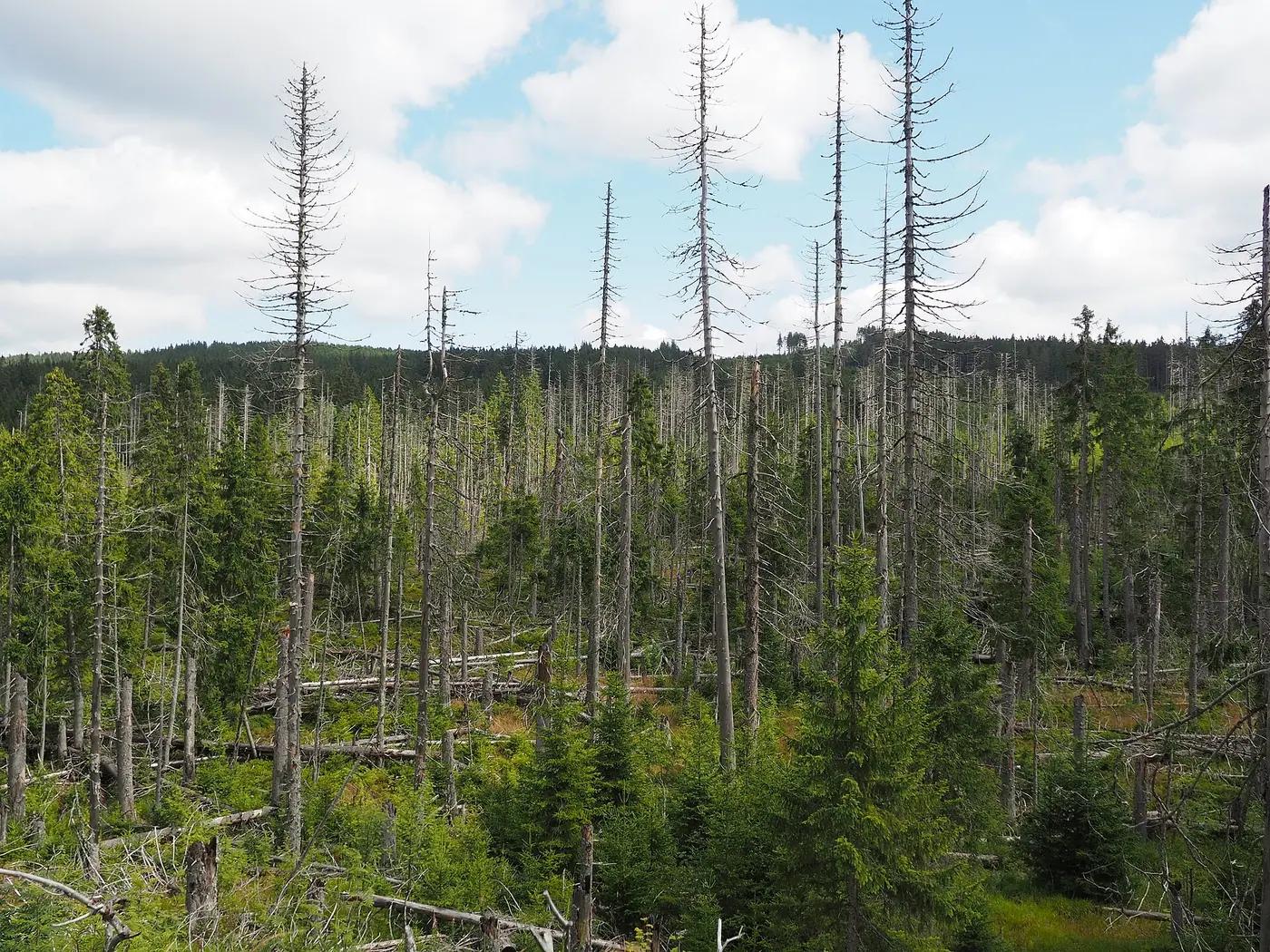
Czechia is a country of forested hills and managed ponds rather than wilderness, but the hills are big enough for lynx and the ponds are extraordinary. Šumava National Park, continuous with the Bavarian Forest across the border, holds the Bohemian-Bavarian lynx population and has had wolf packs again since 2015. The Krkonoše and Beskydy ranges add nutcrackers, alpine meadows and more deer than anywhere else in the country.
The Třeboň basin in South Bohemia is a UNESCO biosphere reserve built almost entirely by hand. Sixteenth-century engineers dug hundreds of fishponds, the largest, Rožmberk, nearly 500 hectares, and the result is a wetland of carp, greylag geese, great crested grebes, night herons and tree frogs that has been managed the same way for centuries. The October carp harvest at Rožmberk is as much a wildlife event as a festival.
Start with these animals
Why this location matters
Good location pages explain why the place is worth your time, not just which names belong on a destination checklist.
Czechia is where the return of large carnivores to central Europe can be watched happening. Lynx reintroduced to Šumava from Slovakia in the 1980s have spread into the Brdy hills and Krkonoše, and wolves from Germany and Poland now breed in Šumava, Broumovsko and the Kokořín sandstone country.
Prague Zoo also matters beyond the city. It led the reintroduction of Przewalski's horses to Mongolia, flying hundreds of animals back to the steppe, and it is one of the few zoos breeding Indian rhinos, so a day there connects to conservation on two continents.
Where to look
Wildlife map of Czech Republic
This guide covers the region shown below. Zoom in to get your bearings before planning a trip.
Positions are geocoded from OpenStreetMap. Habitat access and opening times change — check locally before travelling. Smaller pins are public AnimalDex captures, placed to the nearest kilometre.
Field proof
Found in Czech Republic by AnimalDex users
Real captures logged in the AnimalDex app inside this area and shared publicly by their collectors, with the animal confirmed by the app's identification. Places are shown to the nearest region, never the exact spot.
- 1
- public captures
- 1
- species recorded
- 1
- collectors
- 1
- wild sightings
Recent captures from the field
Species people have actually logged here
Every name links to its species guide. The count is how many public captures of that animal sit inside this area.
Collectors choose to share these captures on Discover and can withdraw them at any time. Coordinates are rounded to about a kilometre and refreshed with each site build.
Animals to spot
These are intentionally practical species picks, balancing accessibility, excitement, and what travelers can realistically notice in the location.
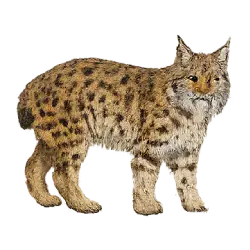
Eurasian LynxB
Šumava National Park and the Bavarian Forest share a lynx population of well over a hundred animals, the largest in central Europe west of the Carpathians, hunting roe deer in the spruce and beech.
Spotting note: Very rare to see; snow tracking near Modrava or Kvilda in winter is the usual approach.
Read species guide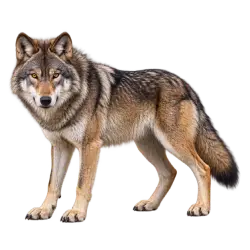
Eurasian WolfA
Wolves returned to Czechia in 2014 and now breed in Šumava, the Broumovsko sandstone hills and the Kokořín area north of Prague, with around 30 territories across the country.
Spotting note: Rarely seen; tracks and camera traps are the evidence, howling occasionally heard in Broumovsko.
Read species guide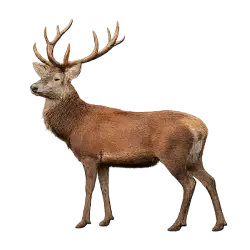
Red DeerB
Red deer are abundant in Šumava, the Krkonoše and the Brdy hills, and the September rut around Kvilda and Srní is loud enough to hear from the villages.
Spotting note: Common; dawn and dusk on forest meadows in late September for the rut.
Read species guide
Wild BoarB
Boar are everywhere in Czech forests and regularly wander into Prague's Kunratice and Šárka woods, where joggers meet them on the trails.
Spotting note: Very common; dusk at any forest edge.
Read species guide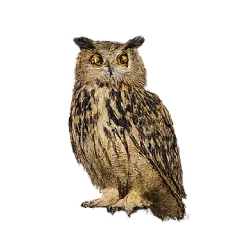
Eurasian Eagle-OwlB
Czechia has several hundred pairs of eagle owls, nesting in the limestone quarries of the Bohemian Karst near Prague and the sandstone cliffs of Bohemian Switzerland.
Spotting note: Uncommon; listen at a quarry rim at dusk in February and March when pairs call.
Read species guide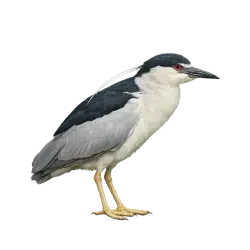
Black-crowned Night HeronD
The Třeboň fishponds hold the country's largest night heron colony, and the birds commute at dusk between the willow islands and the shallow pond margins.
Spotting note: Regular at Třeboňsko from April to August; watch the sky at dusk.
Read species guide
Greylag GooseC
Greylag geese breed around the Třeboň ponds and the South Moravian reservoirs in growing numbers and gather in flocks of thousands on the drained ponds in autumn.
Spotting note: Common at Třeboňsko; biggest flocks during the October pond harvests.
Read species guide
Great Crested GrebeD
Every large Třeboň pond has displaying grebes in spring, head-shaking and weed-dancing in the open water in front of the dykes.
Spotting note: Common on the fishponds from March to October.
Read species guide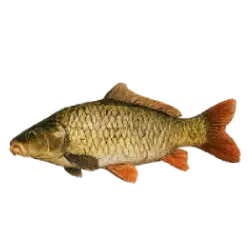
CarpE
Třeboň carp have been farmed in the same ponds since the 1500s and are the centre of the October výlov harvest at Rožmberk, where tonnes of fish are netted in front of crowds.
Spotting note: Guaranteed at an autumn pond harvest; carp also cruise the shallows of every pond in summer.
Read species guide
Fire SalamanderE
Fire salamanders live in the wet beech ravines of the Bohemian Karst, the Moravian Karst and the Beskydy, appearing on paths after rain.
Spotting note: Common on damp spring and autumn days in beech forest.
Read species guide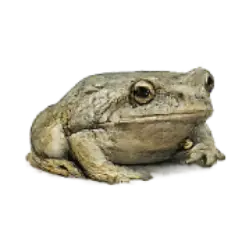
Common Tree FrogD
European tree frogs chorus from the reeds and bushes around the Třeboň ponds and the South Moravian wetlands on warm May evenings, loud enough to carry a kilometre.
Spotting note: Easy to hear in May at Třeboňsko; finding one on a reed takes a torch.
Read species guide
Spotted NutcrackerC
Nutcrackers inhabit the spruce forests of Šumava, Krkonoše and the Beskydy, raiding hazel and cone crops and calling harshly from the treetops.
Spotting note: Fairly common in mountain spruce forest all year.
Read species guide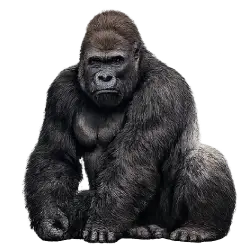
Western Lowland GorillaA
Prague Zoo's gorilla group lives in the Dja Reserve pavilion opened in 2022, one of the largest gorilla habitats in Europe, and is the zoo's biggest draw.
Spotting note: Guaranteed at Prague Zoo in Troja; mornings are quietest.
Read species guide
Indian RhinocerosA
Prague Zoo is one of the few European zoos to keep and breed Indian rhinos, with calves born in recent years in its Asian pavilion.
Spotting note: Guaranteed at Prague Zoo.
Read species guideBest for
Use this section to decide whether the location fits your travel style, skill level, and AnimalDex goals.
- Lynx and wolf tracking in Šumava National Park in winter
- Fishpond birds and the autumn carp harvest at Třeboň
- Eagle owls and salamanders in the Bohemian Karst near Prague
- Prague Zoo, one of the most visited zoos in Europe
Spotting tips
These tips are meant to make the page useful in the field, not just readable on the page.
- 01Šumava's lynx and wolves are best confirmed after fresh snow on the plateau trails around Modrava and Kvilda; go early before skiers cover the tracks.
- 02The Rožmberk pond harvest happens over a few days in mid-October; check the Třeboň fisheries calendar and arrive at dawn for the nets and the geese.
- 03Třeboň's cycle paths run along the pond dykes; a slow evening ride from Třeboň town to Rožmberk gives grebes, herons and frogs without leaving the path.
- 04Prague Zoo is on the Vltava in Troja; take the boat from the city centre in summer and arrive at opening before the school groups.
Virtual Wildlife Guides
Wildlife guides to Czech Republic
AnimalDex builds virtual guides from explorers' own wild sightings: which animals they found, how rare they are, and when. A guide is advice from someone who has been there, not a tour. Buying one unlocks the author's notes for every animal, a chat with the author, and introductions to local people they met. Wildlife is never guaranteed.
Checking for virtual guides to Czech Republic...
How to choose a local wildlife guide in Czech Republic
- Ask what they usually find in the season you are visiting. A good guide gives an honest answer, not a promised sighting.
- Check how they treat animals: no baiting, calling in, handling, or close flash photography for a better shot.
- Confirm the meeting area, duration, group size, total price, and how you pay before the day, plus any permits or park fees the place requires.
Track the animals you find in Czech Republic
Build your collection while you travel through Czech Republic, from easy wins to the species worth planning around.
Related tier lists
These tier lists add broader context around the species that make this location interesting.
Rarest Animals in the World
A structured ranking of the rarest animals in the world, blending scarcity, vulnerability, and conservation pressure to answer the overlap between rarest and most endangered wildlife.
Read tier list100 Strongest Animals in the World
Top 100 strongest animals in the world, ranked by biological power: body scale first, then how that force is used on land and in water.
Read tier listRelated locations
Keep exploring with nearby or similar destinations that support the same kind of AnimalDex discovery.
Animals in Germany: What You Can Spot, Learn, and Collect
A practical Germany wildlife guide for forest edges, rivers, farmland margins, and the kind of steady species list that rewards patience instead of spectacle.
Read location guideAnimals in Slovakia: What You Can Spot, Learn, and Collect
Slovakia's wildlife: Tatra chamois and marmots, one of Europe's densest brown bear populations, Carpathian lynx and wolves, and bats in the Slovak Karst caves.
Read location guideAnimals in Poland: What You Can Spot, Learn, and Collect
Poland's wildlife from Białowieża bison and Biebrza moose to Tatra chamois, Baltic grey seals at Hel and the white storks that nest on half the country's barns.
Read location guideLocation FAQ
Short direct answers to the questions travelers usually ask before choosing a wildlife destination or zoo day.
What wildlife is there in the Czech Republic?
Czechia has lynx and wolves in Šumava and the northern sandstone hills, red deer, roe deer, wild boar, badgers and foxes everywhere, eagle owls in quarries, and a rich pond birdlife at Třeboň with night herons, grebes, geese and bitterns. Fire salamanders and tree frogs are common in the right habitat.
What animals can be found in the Czech Republic?
Lynx in Šumava, wolves in Broumovsko and Kokořín, deer and boar in every forest, eagle owls in the Bohemian Karst, and carp, grebes and night herons at the Třeboň fishponds. Prague Zoo adds gorillas, Indian rhinos, elephants and Przewalski's horses.
Is Prague Zoo worth visiting?
Yes. It is regularly ranked among the best zoos in the world, covers a hillside above the Vltava in Troja with a chairlift between levels, and its gorilla, elephant and Indian rhino exhibits are outstanding. Allow a full day.
When is the carp harvest at Třeboň?
The big harvests at Rožmberk and the other large ponds run from mid-October into November, each lasting two or three days. The fisheries publish dates in advance and the Rožmberk harvest draws thousands of visitors and tens of thousands of geese.
Have AnimalDex users found animals in Czech Republic?
Yes. AnimalDex users have publicly logged 1 captures of 1 different species in Czech Republic, including moose. Each one was photographed in the app at the moment of the sighting.
How do I find a wildlife guide to Czech Republic?
Check the Wildlife Guides section on this page or browse Wildlife Guides on AnimalDex. Each one is a virtual guide built from an explorer's own wild sightings around Czech Republic: the animals they found, how rare they are, and when. It is advice from someone who has been there, not a tour. If you want someone with you on the day, compare local guides on wildlife knowledge, how they treat animals, and clear pricing before you go.