

Animals in Slovakia: What You Can Spot, Learn, and Collect
Slovakia's wildlife: Tatra chamois and marmots, one of Europe's densest brown bear populations, Carpathian lynx and wolves, and bats in the Slovak Karst caves.
Quick answer
Start with the direct answer, then use the sections below to see why the location matters and which animals are actually realistic to spot there.
Slovakia packs more large wildlife into a small country than almost anywhere in Europe: around 1,200 brown bears, several hundred lynx and wolves, chamois and marmots in the High Tatras, golden eagles over the ridges and wildcats in the Slovak Karst. Storks nest in the lowland villages and fire salamanders and alpine newts live in every wet mountain beech wood.
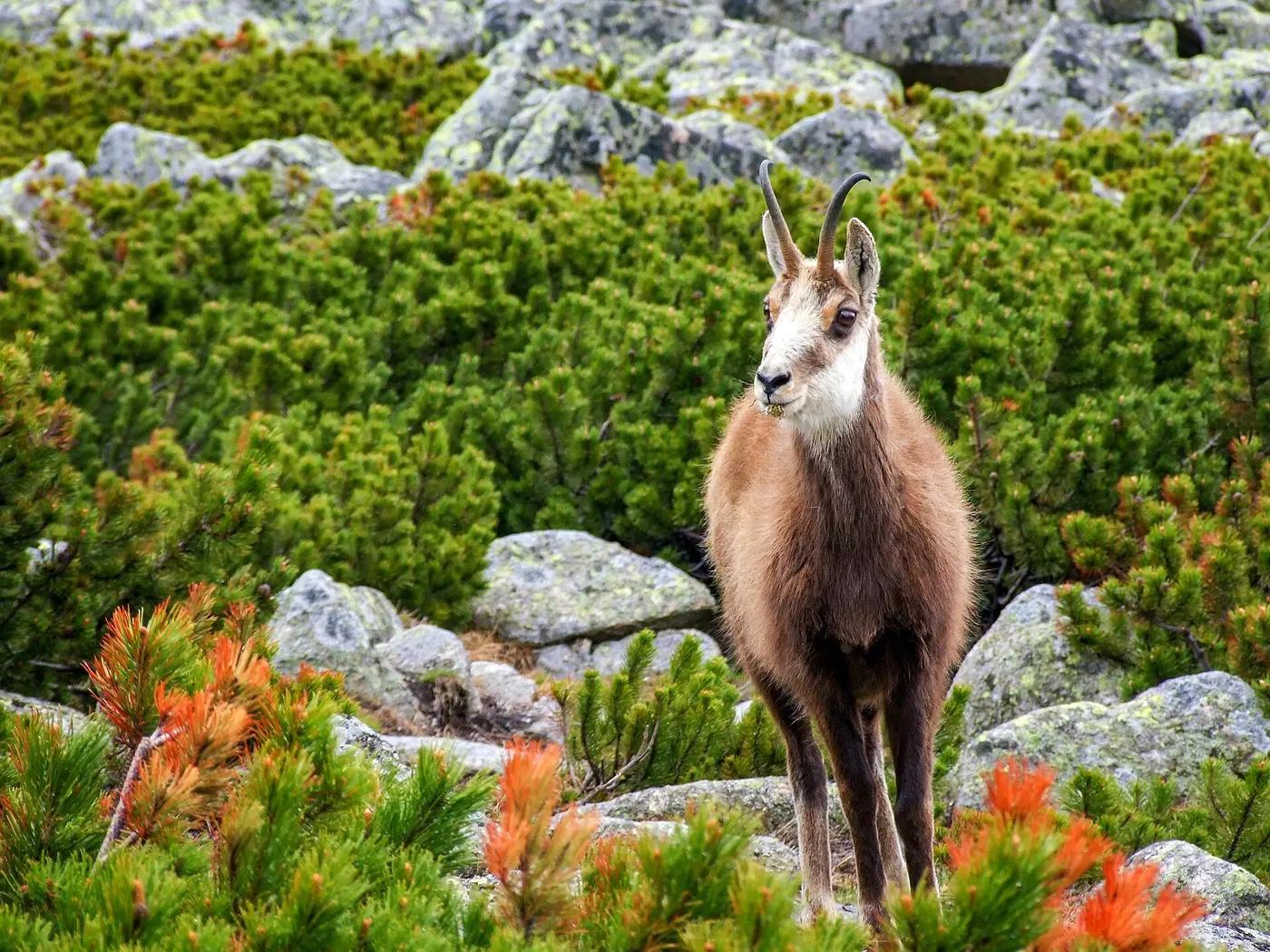
Slovakia is two-thirds mountains, and the mountains are full. The High Tatras on the Polish border are the smallest alpine range in the world, yet they hold their own chamois subspecies, marmots, golden eagles and a bear population that wanders down to the resort towns of Starý Smokovec and Tatranská Lomnica often enough to make local news. The Low Tatras, Veľká Fatra and Slovenský raj carry the same animals in bigger forests with fewer hikers.
The south is lowland, warmer and different. The Slovak Karst along the Hungarian border is a limestone plateau of caves, sinkholes and dry grassland with wildcats and cave-roosting bats, and the Nitra region, where Slovak AnimalDex captures have been made, is farmland and vineyards with storks, hoopoes, dice snakes in the rivers and hedgehogs in every garden.
Why this location matters
Good location pages explain why the place is worth your time, not just which names belong on a destination checklist.
Slovakia's bear density is among the highest in Europe, and the country has become a case study in living alongside them, with electric fences on beehives, bear-proof bins in Tatra resorts and heated arguments about hunting quotas every year.
It is also a compact, inexpensive mountain destination. Trains and buses reach the Tatra trailheads, hut-to-hut routes are well marked, and a hiker who starts early can expect chamois and marmots on most summer days above the treeline.
Where to look
Wildlife map of Slovakia
This guide covers the region shown below. Zoom in to get your bearings before planning a trip.
Positions are geocoded from OpenStreetMap. Habitat access and opening times change — check locally before travelling.
Animals to spot
These are intentionally practical species picks, balancing accessibility, excitement, and what travelers can realistically notice in the location.
ChamoisC
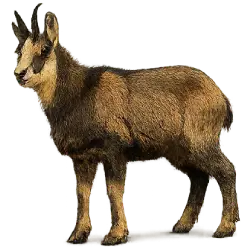
The Tatra chamois is an endemic subspecies of around a thousand animals shared with Poland, grazing the ledges above the Skalnaté pleso and Veľká Studená valleys within view of the trails.
Spotting note: Regular in the High Tatras in summer and autumn; scan the cliffs with binoculars early.
Read species guide
Alpine MarmotD
Marmots whistle from the boulder fields of the Tatras and the Low Tatras ridge, with the Velická and Mengusovská valleys reliable from late May to September.
Spotting note: Common above the treeline on warm mornings; heard first.
Read species guide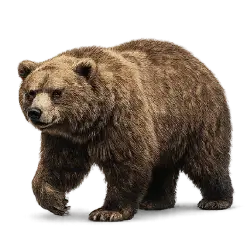
Brown BearA
Slovakia's 1,200 or so bears are densest in the Low Tatras, Veľká Fatra and Poľana, and they regularly feed on the forest edges around Tatra villages in autumn.
Spotting note: Likely from a guided evening watch in Poľana or the Low Tatras; occasional on Tatra trails.
Read species guide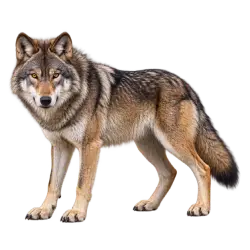
Eurasian WolfA
A few hundred wolves live in the eastern Carpathians and the central ranges, with Poloniny National Park on the Polish and Ukrainian border the classic place for tracks and howling.
Spotting note: Rarely seen; winter tracking in Poloniny is the realistic option.
Read species guide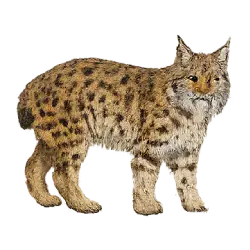
Eurasian LynxB
Slovakia has one of the strongest lynx populations in central Europe, and animals from here were used to restock the Alps and the Bohemian Forest.
Spotting note: Very rare to see; tracks in fresh snow in Veľká Fatra or Poloniny are the usual prize.
Read species guide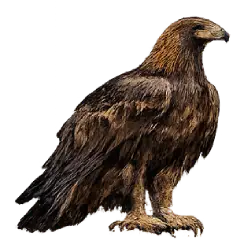
Golden EagleA
Around a hundred pairs nest on Slovak cliffs, and the Tatra ridges and the Slovenský raj gorges produce soaring birds on most clear days.
Spotting note: Regular over the high ridges in summer; look up when the thermals start mid-morning.
Read species guide
Spotted NutcrackerC
Nutcrackers crack Arolla pine cones in the upper spruce zone of the Tatras and sit openly on the stunted trees around Štrbské pleso and Hrebienok.
Spotting note: Common in the Tatra spruce forest all year; noisy and easy.
Read species guide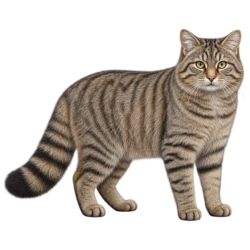
European WildcatC
Wildcats live in the oak forests of the Slovak Karst and the Malé Karpaty near Bratislava, hunting the dry grassland edges at dusk.
Spotting note: Rare and secretive; a dusk watch on a Karst forest edge gives a slim chance.
Read species guide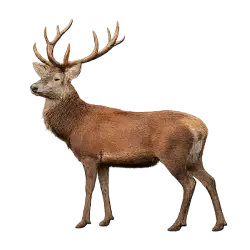
Red DeerB
Red deer are the main prey of Slovak wolves and roar through the Poľana and Low Tatras forests every September, with herds on the meadows at dawn.
Spotting note: Common; the rut in the second half of September is the time.
Read species guide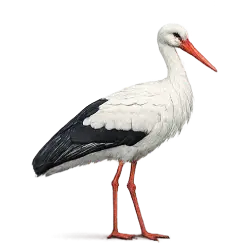
White StorkC
Around 1,300 pairs nest on poles and chimneys in the lowland villages of the Nitra, Danube and eastern Slovak plains.
Spotting note: Guaranteed in lowland villages from April to August.
Read species guide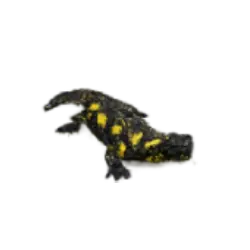
Fire SalamanderE
Fire salamanders crawl out onto the trails of the Tatra foothills, Slovenský raj and the Štiavnica hills after rain, black and yellow against the wet leaves.
Spotting note: Common on damp days in spring and autumn in beech forest.
Read species guide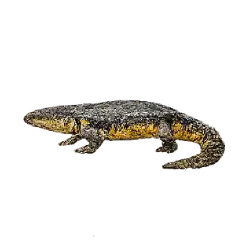
Alpine NewtD
Alpine newts breed in puddles, cart ruts and small tarns in the mountain forests, the males blue-flanked and orange-bellied in May.
Spotting note: Common in mountain pools from April to June; look in the water, not around it.
Read species guide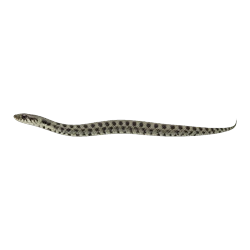
Dice SnakeE
Dice snakes fish the stony banks of the Danube, Hron and Nitra rivers, swimming openly in the shallows on hot afternoons.
Spotting note: Fairly common on sunny riverbanks from May to September; harmless.
Read species guide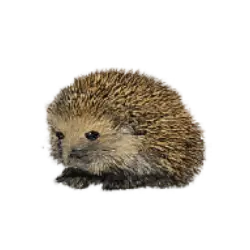
European HedgehogD
The hedgehog is the standard garden mammal of Nitra, Bratislava and every Slovak village, and one of the easiest captures for anyone staying in a house with a lawn.
Spotting note: Common at dusk from April to October.
Read species guideBest for
Use this section to decide whether the location fits your travel style, skill level, and AnimalDex goals.
- Chamois, marmots and golden eagles on High Tatras day hikes
- Bear watching in Poľana and the Low Tatras
- Wolf and lynx tracking in Poloniny National Park in winter
- Caves, bats and wildcats in the Slovak Karst
Spotting tips
These tips are meant to make the page useful in the field, not just readable on the page.
- 01Take the first cable car or start walking from Starý Smokovec at dawn; chamois and marmots feed in the cool and retreat once the trails get busy around ten.
- 02Bear country etiquette matters in Slovakia: keep food sealed, talk on blind forest corners and give any bear in a village street a wide berth rather than a photo.
- 03The Nitra and Hron rivers are good for dice snakes on hot afternoons; walk the stony margins slowly and look for a head held above the water.
- 04Fire salamanders appear on forest trails in the hour after rain stops; the Slovenský raj gorges in May are hard to beat.
Virtual Wildlife Guides
Wildlife guides to Slovakia
AnimalDex builds virtual guides from explorers' own wild sightings: which animals they found, how rare they are, and when. A guide is advice from someone who has been there, not a tour. Buying one unlocks the author's notes for every animal, a chat with the author, and introductions to local people they met. Wildlife is never guaranteed.
Checking for virtual guides to Slovakia...
How to choose a local wildlife guide in Slovakia
- Ask what they usually find in the season you are visiting. A good guide gives an honest answer, not a promised sighting.
- Check how they treat animals: no baiting, calling in, handling, or close flash photography for a better shot.
- Confirm the meeting area, duration, group size, total price, and how you pay before the day, plus any permits or park fees the place requires.
Track the animals you find in Slovakia
Build your collection while you travel through Slovakia, from easy wins to the species worth planning around.
Related tier lists
These tier lists add broader context around the species that make this location interesting.
100 Most Agile Animals
Most agile animals ranked: turning, braking, and body control across land, air, and water — not a recycled fastest-animals list.
Read tier listBiggest Animals in the World
A structured ranking of the biggest animals in the world, using the AnimalDex size stat to compare body scale across sea, land, and air.
Read tier listRelated locations
Keep exploring with nearby or similar destinations that support the same kind of AnimalDex discovery.
Animals in Poland: What You Can Spot, Learn, and Collect
Poland's wildlife from Białowieża bison and Biebrza moose to Tatra chamois, Baltic grey seals at Hel and the white storks that nest on half the country's barns.
Read location guideAnimals in Hungary: What You Can Spot, Learn, and Collect
Hungary's wildlife guide: autumn crane roosts on the Hortobágy puszta, spoonbills and wels catfish at Lake Balaton, red deer in Gemenc and golden jackals in the south.
Read location guideAnimals in the Czech Republic: What You Can Spot, Learn, and Collect
Czech wildlife from the lynx and wolves of Šumava to the carp ponds and night herons of Třeboň, eagle owls in the quarries and the gorillas and rhinos of Prague Zoo.
Read location guideLocation FAQ
Short direct answers to the questions travelers usually ask before choosing a wildlife destination or zoo day.
What wildlife is there in Slovakia?
Slovakia has brown bears, wolves, lynx, wildcats, red deer and wild boar in its Carpathian forests, chamois, marmots and golden eagles in the Tatras, and storks, hoopoes and dice snakes in the southern lowlands. Its caves hold large bat colonies.
What animals can be found in Slovakia?
In the High Tatras you can see Tatra chamois, alpine marmots, nutcrackers and golden eagles; in the Low Tatras and Poľana brown bears and red deer; in Poloniny wolves and lynx; and in the Slovak Karst wildcats and bats. Fire salamanders and alpine newts are common in wet mountain forest.
Are there bears in the Slovak Tatras?
Yes, and they are seen more often every year, including in the resort towns at the foot of the mountains. Attacks are rare but do happen; stay on trails, make noise and never approach a bear for a photograph.
Which zoo is best in Slovakia?
Bojnice Zoo, below the fairytale castle in central Slovakia, is the oldest and largest. Bratislava Zoo is a convenient half-day on a city visit and Košice Zoo is the biggest by area.
How do I find a wildlife guide to Slovakia?
Check the Wildlife Guides section on this page or browse Wildlife Guides on AnimalDex. Each one is a virtual guide built from an explorer's own wild sightings around Slovakia: the animals they found, how rare they are, and when. It is advice from someone who has been there, not a tour. If you want someone with you on the day, compare local guides on wildlife knowledge, how they treat animals, and clear pricing before you go.