

Animals in Laos: What You Can Spot, Learn, and Collect
Laos wildlife guide: elephants at Sayaboury, Irrawaddy dolphins at Si Phan Don, rescued bears at Kuang Si, gibbons in Bokeo, doucs in the Annamites, Mekong giant fish.
Quick answer
Start with the direct answer, then use the sections below to see why the location matters and which animals are actually realistic to spot there.
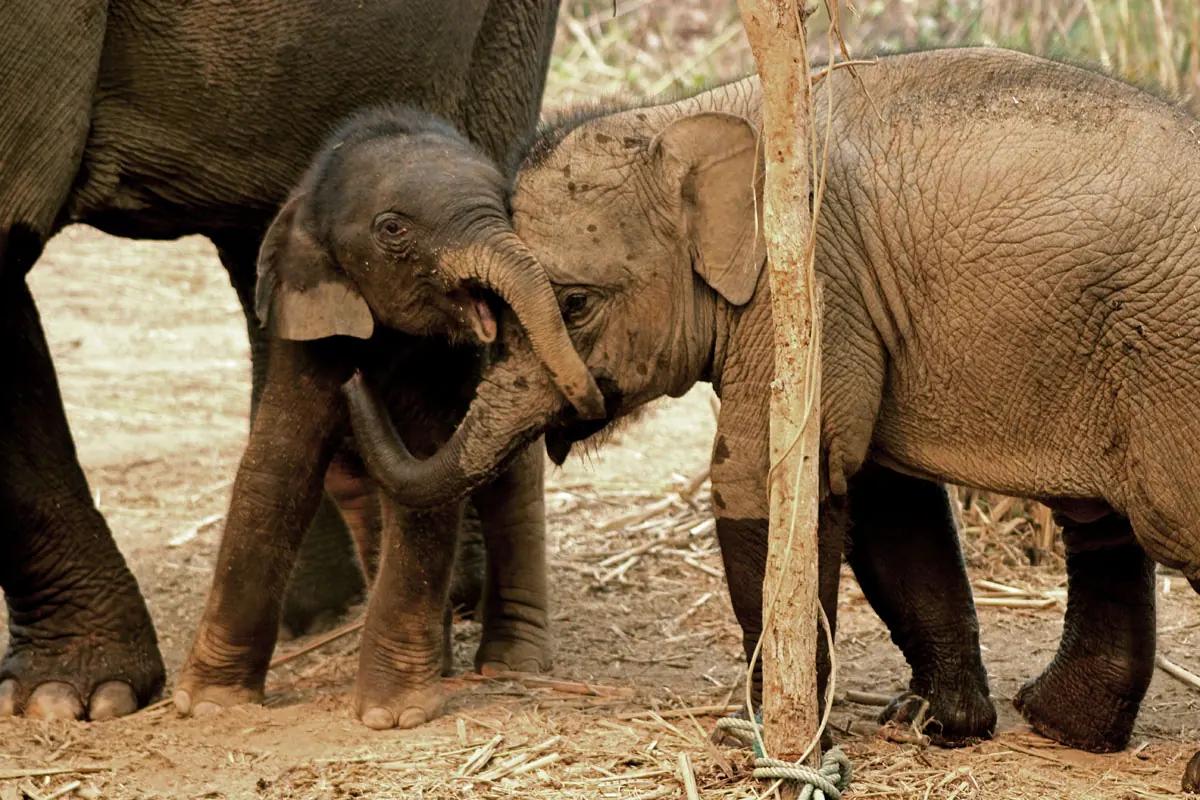
Laos is the most forested country in mainland Southeast Asia and one of the hardest to see wildlife in, because decades of hunting emptied much of it. The reliable encounters are managed ones: Asian elephants at the Elephant Conservation Center in Sayaboury, rescued sun bears and moon bears at the Free the Bears sanctuary beside Kuang Si waterfall, the last Irrawaddy dolphins in the Mekong pool at Si Phan Don in Champasak, and gibbons from the Gibbon Experience treehouses in Bokeo. The Mekong itself holds giant catfish, stingrays and the swamp eels users log in the south.
Laos has more forest cover than any of its neighbours and the Annamite range along the Vietnam border is one of the richest and least known wildlife areas in Asia, home to saola, red-shanked doucs and the large-antlered muntjac. The problem is that snaring has made most of it silent, and the country's parks have little infrastructure.
That makes Laos a destination for managed and community wildlife rather than safaris. The Elephant Conservation Center, Free the Bears, the Gibbon Experience and the dolphin boats at Don Khon are all built around animals that exist because someone protects them, and they are where visitors see wildlife. The capture record from Champasak is the Mekong's everyday fauna: swamp eels, ants and flies.
Start with these animals
Why this location matters
Good location pages explain why the place is worth your time, not just which names belong on a destination checklist.
The Mekong's Irrawaddy dolphins are down to a handful in the Laos-Cambodia border pool, and the Don Sahong dam sits a few kilometres upstream. The boat trips from Don Khon may be the last years anyone sees them from the Laos side.
Laos has a few hundred wild elephants left, and the Elephant Conservation Center in Sayaboury is the country's only breeding and release programme. The bear sanctuaries hold animals rescued from bile farms. Visiting these places is what funds them.
Where to look
Wildlife map of Laos
This guide covers the region shown below. Zoom in to get your bearings before planning a trip.
Positions are geocoded from OpenStreetMap. Habitat access and opening times change — check locally before travelling. Smaller pins are public AnimalDex captures, placed to the nearest kilometre.
Field proof
Found in Laos by AnimalDex users
Real captures logged in the AnimalDex app inside this area and shared publicly by their collectors, with the animal confirmed by the app's identification. Places are shown to the nearest region, never the exact spot.
- 3
- public captures
- 3
- species recorded
- 1
- collectors
- 3
- wild sightings
Recent captures from the field
Species people have actually logged here
Every name links to its species guide. The count is how many public captures of that animal sit inside this area.
Collectors choose to share these captures on Discover and can withdraw them at any time. Coordinates are rounded to about a kilometre and refreshed with each site build.
Animals to spot
These are intentionally practical species picks, balancing accessibility, excitement, and what travelers can realistically notice in the location.
Asian ElephantA
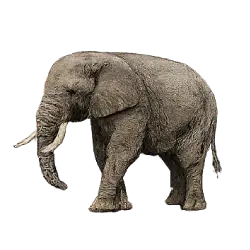
The Elephant Conservation Center on Nam Tien lake in Sayaboury rehabilitates and breeds logging elephants for release into Nam Pouy, with wild herds still in the Nam Pouy and Nakai-Nam Theun forests.
Spotting note: Guaranteed at the ECC with a multi-day stay; wild herds are rarely seen.
Read species guide
DolphinB
The last Irrawaddy dolphins in Laos live in the deep Mekong pool below Don Khon in Si Phan Don, where small boats take visitors out at dawn.
Spotting note: A handful of animals remain; sightings are regular from Don Khon in the dry season but numbers fall every year.
Read species guide
Asiatic Black BearA
The Free the Bears sanctuary at Tat Kuang Si waterfall outside Luang Prabang houses dozens of moon bears rescued from the bile trade in forested enclosures.
Spotting note: Guaranteed at Kuang Si; entry is included with the waterfall ticket.
Read species guide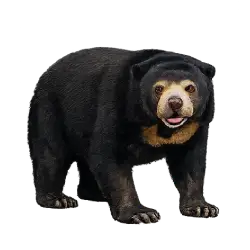
Sun BearB
Sun bears rescued from poachers share the Kuang Si sanctuary and the Free the Bears centre at Luang Prabang, and wild bears persist in the Nam Et-Phou Louey forest.
Spotting note: Guaranteed at the sanctuaries; wild sightings are exceptional.
Read species guide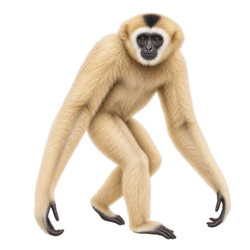
Lar GibbonB
White-handed gibbons hold on in the far northwest near the Thai border, and the Gibbon Experience treehouses in Nam Kan protect black crested gibbons that sing at dawn.
Spotting note: Gibbons are heard most mornings at Nam Kan; seeing any species takes luck.
Read species guide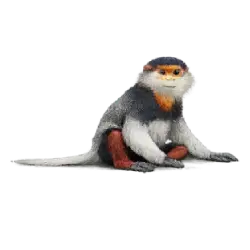
Red-shanked DoucB
Doucs live in the Annamite forests of central Laos, including Phou Hin Boun and the Nakai-Nam Theun watershed, more numerous here than in Vietnam.
Spotting note: Rare without a specialist guide; Nakai-Nam Theun community treks are the best route.
Read species guide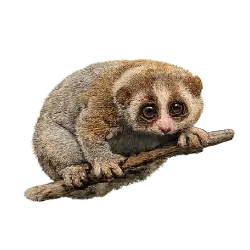
Pygmy Slow LorisD
A nocturnal primate of the Lao forests, often seen in confiscation at the Luang Prabang wildlife centre and occasionally on night walks in Nam Et-Phou Louey.
Spotting note: Rare in the wild; the Nam Nern night safari offers a slim chance.
Read species guide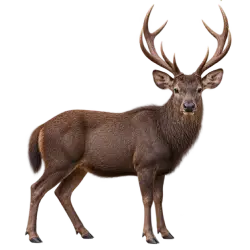
Sambar DeerB
Sambar are the main animal seen on the Nam Nern night safari boats in Nam Et-Phou Louey, eyes glowing on the riverbank.
Spotting note: Regular on the Nam Nern boats.
Read species guide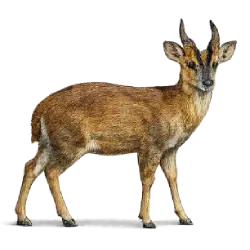
Indian MuntjacC
Barking deer are heard across the Lao hills and seen on the Nam Nern river at night and along Phou Khao Khouay's trails.
Spotting note: Heard often; seen occasionally.
Read species guide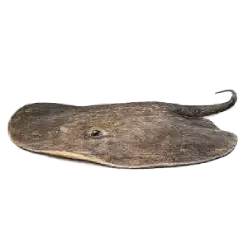
Giant Freshwater StingrayA
The Mekong around Pakse and Si Phan Don holds some of the largest freshwater fish on Earth, and stingrays over two metres are landed by fishermen.
Spotting note: Seen mainly at fish markets and landing sites, not in the water.
Read species guide
Asian Swamp EelE
Lives in the paddies and ponds of Champasak and was logged by a user there; a staple of every Lao wet market.
Spotting note: Common in paddies and markets across the south.
Read species guide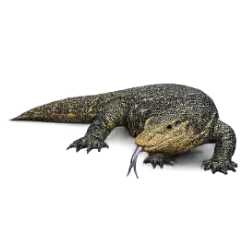
Water MonitorC
Monitors patrol the Mekong's banks and islands at Si Phan Don and the Vang Vieng river edges.
Spotting note: Common near water.
Read species guide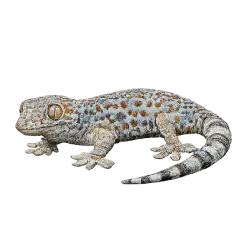
Tokay GeckoD
The barking tokay lives in every guesthouse roof from Luang Prabang to Pakse and calls through the night.
Spotting note: Heard nightly; seen with a torch.
Read species guide
Red JunglefowlD
Wild chickens crow from the forest edges of Phou Khao Khouay and the Bolaven plateau and cross the roads at dawn.
Spotting note: Common on quiet rural roads early in the day.
Read species guideBest for
Use this section to decide whether the location fits your travel style, skill level, and AnimalDex goals.
- Ethical elephant encounters with a multi-day stay at the Sayaboury centre
- Travelers combining Luang Prabang's temples with Kuang Si's bears
- Adventure travellers sleeping in the Bokeo gibbon treehouses
- Mekong river trips at Si Phan Don for dolphins, monitors and giant fish
Spotting tips
These tips are meant to make the page useful in the field, not just readable on the page.
- 01Book the Elephant Conservation Center for at least two nights; the day trips see the elephants bathing, the longer stays see the herd behaviour and the release forest.
- 02At Si Phan Don, take the dolphin boat from Don Khon at 7 am in the dry season when the water is low and the pool is calm.
- 03Visit the Kuang Si bear sanctuary before the waterfall crowds arrive at mid-morning; the bears are fed and active early.
- 04The Nam Nern night safari in Nam Et-Phou Louey is the only true wildlife safari in Laos: a boat drift at night with a spotlight for sambar, civets, owls and occasionally cats.
Virtual Wildlife Guides
Wildlife guides to Laos
AnimalDex builds virtual guides from explorers' own wild sightings: which animals they found, how rare they are, and when. A guide is advice from someone who has been there, not a tour. Buying one unlocks the author's notes for every animal, a chat with the author, and introductions to local people they met. Wildlife is never guaranteed.
Checking for virtual guides to Laos...
How to choose a local wildlife guide in Laos
- Ask what they usually find in the season you are visiting. A good guide gives an honest answer, not a promised sighting.
- Check how they treat animals: no baiting, calling in, handling, or close flash photography for a better shot.
- Confirm the meeting area, duration, group size, total price, and how you pay before the day, plus any permits or park fees the place requires.
Track the animals you find in Laos
Build your collection while you travel through Laos, from easy wins to the species worth planning around.
Related tier lists
These tier lists add broader context around the species that make this location interesting.
Rarest Animals in the World
A structured ranking of the rarest animals in the world, blending scarcity, vulnerability, and conservation pressure to answer the overlap between rarest and most endangered wildlife.
Read tier listRelated locations
Keep exploring with nearby or similar destinations that support the same kind of AnimalDex discovery.
Animals in Vietnam: What You Can Spot, Learn, and Collect
Vietnam wildlife guide: red-shanked doucs at Son Tra, langurs and lorises at Cuc Phuong, gaur and crocodiles in Cat Tien, sarus cranes at Tram Chim, geckos everywhere.
Read location guideAnimals in Cambodia: What You Can Spot, Learn, and Collect
Cambodia wildlife guide: giant ibis in the northern plains, Tonle Sap's stork colonies at Prek Toal, Irrawaddy dolphins at Kratie, Angkor macaques, Mondulkiri elephants.
Read location guideAnimals in Thailand: What You Can Spot, Learn, and Collect
A practical Thailand wildlife guide built around forests, coasts, reptiles, and the travel-friendly species that make the country feel biologically rewarding without extreme logistics.
Read location guideLocation FAQ
Short direct answers to the questions travelers usually ask before choosing a wildlife destination or zoo day.
What wildlife is there in Laos?
Asian elephants, sun and moon bears, gibbons, doucs, lorises, sambar, muntjac and civets in the forests, with tigers no longer confirmed; Irrawaddy dolphins and giant fish in the Mekong; and monitors, tokays, junglefowl and swamp eels in every village. Most reliable sightings are at the Sayaboury elephant centre, the Kuang Si bear sanctuary, the Nam Kan gibbon treehouses and the Don Khon dolphin pool.
What animals can be found in Laos?
Around 200 mammals including elephant, gaur, banteng, saola, doucs, gibbons and bears, 700 birds, and the Mekong's giant catfish, stingrays and dolphins. Everyday animals are tokay geckos, monitors, swamp eels, junglefowl, ants and flies, which is what Champasak users log.
Can you still see dolphins in Laos?
Yes, barely. A handful of Irrawaddy dolphins survive in the Mekong pool between Don Khon and the Cambodian border, and dry-season boat trips from Don Khon see them regularly. The population is critically low and the Don Sahong dam threatens it.
Are elephant rides in Laos ethical?
No. Choose observation-based programmes: the Elephant Conservation Center in Sayaboury and MandaLao near Luang Prabang are walking and watching only, and the ECC is the country's only breeding and release project.
Have AnimalDex users found animals in Laos?
Yes. AnimalDex users have publicly logged 3 captures of 3 different species in Laos, including asian swamp eel, black ant, house fly. Each one was photographed in the app at the moment of the sighting.
How do I find a wildlife guide to Laos?
Check the Wildlife Guides section on this page or browse Wildlife Guides on AnimalDex. Each one is a virtual guide built from an explorer's own wild sightings around Laos: the animals they found, how rare they are, and when. It is advice from someone who has been there, not a tour. If you want someone with you on the day, compare local guides on wildlife knowledge, how they treat animals, and clear pricing before you go.