

Animals in Lima: What You Can Spot, Learn, and Collect
Wildlife in Lima: sea lions and Humboldt penguins on the Palomino islands, Inca terns off Miraflores, Pantanos de Villa wetlands and the Parque de las Leyendas zoo.
Quick answer
Start with the direct answer, then use the sections below to see why the location matters and which animals are actually realistic to spot there.
Lima's wildlife lives on its coast. Boat trips from Callao to the Palomino islands reach thousands of South American sea lions, Humboldt penguins, Inca terns and boobies; the Pantanos de Villa wetland in Chorrillos holds herons, black skimmers and night herons inside the city; and the Costa Verde cliffs have pelicans, cormorants, vultures and the odd dolphin offshore.
The desert coast and the cold Humboldt Current make Lima a seabird city. Even from the Miraflores clifftop malecón you watch Inca terns, pelicans and neotropic cormorants working the surf, and from Callao a two-hour boat ride puts you in the water beside a sea lion colony.
Inland the city is dry and built up, but a few green pockets deliver: the Pantanos de Villa Ramsar wetland in the south, El Olivar park in San Isidro for parrotlets and hummingbirds, and the Parque de las Leyendas zoo on the Maranga ruins, which keeps Peru's Andean and Amazonian animals in one afternoon.
Why this location matters
Good location pages explain why the place is worth your time, not just which names belong on a destination checklist.
Most travellers treat Lima as a connection to Cusco or Iquitos. Spending a morning on the Palomino islands or at Pantanos de Villa changes that, and gives a first taste of the Humboldt Current ecosystem that makes Peru's coast one of the most productive seas on earth.
The city is also where Peru's wild and domestic animals meet: AnimalDex users log guinea pigs in the markets alongside cockroaches and jumping spiders in apartments, which is an honest picture of urban Peru.
Where to look
Wildlife map of Lima
This guide covers the region shown below. Zoom in to get your bearings before planning a trip.
Positions are geocoded from OpenStreetMap. Habitat access and opening times change — check locally before travelling. Smaller pins are public AnimalDex captures, placed to the nearest kilometre.
Field proof
Found in Lima by AnimalDex users
Real captures logged in the AnimalDex app inside this area and shared publicly by their collectors, with the animal confirmed by the app's identification. Places are shown to the nearest region, never the exact spot.
- 6
- public captures
- 6
- species recorded
- 1
- collectors
- 6
- wild sightings
Recent captures from the field
Species people have actually logged here
Every name links to its species guide. The count is how many public captures of that animal sit inside this area.
Collectors choose to share these captures on Discover and can withdraw them at any time. Coordinates are rounded to about a kilometre and refreshed with each site build.
Animals to spot
These are intentionally practical species picks, balancing accessibility, excitement, and what travelers can realistically notice in the location.

Humboldt PenguinD
Small groups of Humboldt penguins nest on the guano-white rocks of the Palomino and Cavinzas islands off Callao.
Spotting note: Likely on a Palomino boat trip, best September to March.
Read species guide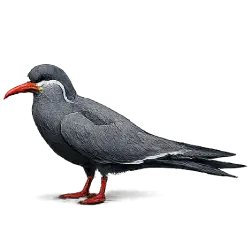
Inca TernC
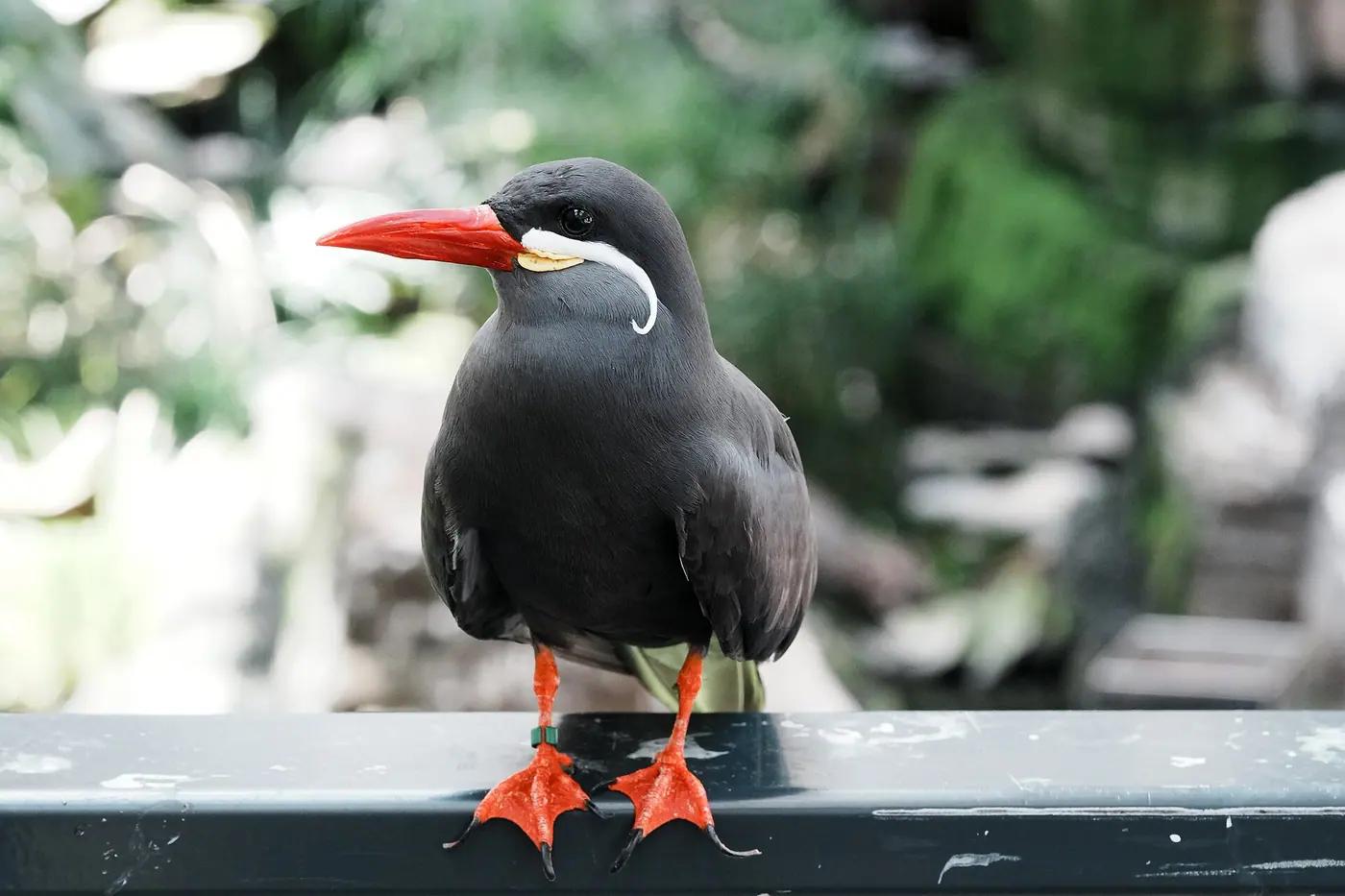
The grey tern with the white moustache nests in the Palomino cliffs and hunts the surf below the Miraflores clifftops.
Spotting note: Daily along the Costa Verde and on the islands.
Read species guide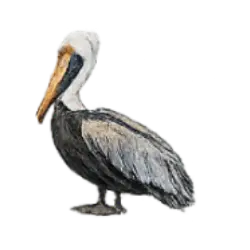
Brown PelicanC
Pelicans sit on the breakwaters at Chorrillos fishing pier and glide past the Larcomar cliffs in long lines.
Spotting note: Common along the entire city coast.
Read species guide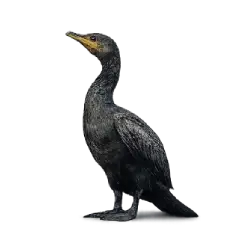
Neotropic CormorantC
Cormorants crowd the rocks at La Herradura and the Palomino islands and fish the surf zone off Barranco.
Spotting note: Abundant along the coast.
Read species guide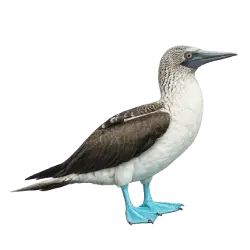
Blue-footed BoobyC
Boobies dive into the sea around the Palomino islands and perch on the guano-covered rocks beside the sea lions.
Spotting note: Regular on the island boat trips.
Read species guide
Black SkimmerC
Skimmers rest in flocks on the sandbars of Pantanos de Villa and cut the lagoon surface with their lower bills at dusk.
Spotting note: Regular at Pantanos de Villa.
Read species guide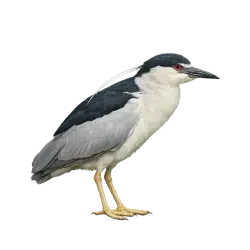
Black-crowned Night HeronD
Night herons roost in the reeds at Pantanos de Villa and hunt the lagoon edges from late afternoon.
Spotting note: Common at the wetland.
Read species guide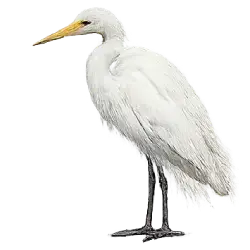
Great EgretD
Egrets stalk the Pantanos de Villa channels and the Chillón and Lurín river mouths at the city's edges.
Spotting note: Common in any wet habitat around Lima.
Read species guide
Pacific ParrotletD
Tiny green parrotlets chatter in the olive trees of El Olivar and the gardens of Miraflores and San Isidro.
Spotting note: Common in leafy districts; listen for the high chirps.
Read species guide
Andean SparrowE
The rufous-collared sparrow is the default small bird of Lima's parks and plazas, singing from hedges at dawn.
Spotting note: Abundant across the city.
Read species guide
Black VultureC
Vultures ride the sea breeze along the Costa Verde cliffs and roost on the Morro Solar above Chorrillos.
Spotting note: Daily over the coast.
Read species guide
DolphinB
Bottlenose dolphins follow the Palomino boats and are sometimes seen from the Miraflores cliffs on calm mornings.
Spotting note: Occasional; most likely on the island trips.
Read species guide
Spectacled BearB
Peru's only bear is kept at the Parque de las Leyendas zoo in San Miguel, the realistic way to see one before heading to the Andes.
Spotting note: Guaranteed at the zoo; wild bears are far from Lima.
Read species guide
Guinea PigE
Cuy are raised and sold across Lima's markets and are one of the animals users most often log in the city.
Spotting note: Everywhere in markets; a domestic animal, not a wild one.
Read species guideBest for
Use this section to decide whether the location fits your travel style, skill level, and AnimalDex goals.
- Boat trips to the sea lion and penguin colonies off Callao
- Clifftop seabird watching from Miraflores and Barranco
- Wetland birding at Pantanos de Villa inside the city
- A zoo afternoon covering Peru's Andean and Amazonian animals
Spotting tips
These tips are meant to make the page useful in the field, not just readable on the page.
- 01Book the Palomino islands boat from Callao for an early slot; the sea is calmer and sea lions, penguins and boobies are all active before noon.
- 02Walk the Miraflores malecón at dawn with binoculars; Inca terns and pelicans fish right below the cliffs.
- 03Pantanos de Villa opens around 08:30 and the skimmers and night herons are best in the last two hours before closing.
- 04Avoid the winter garúa (June to September) for boat trips; visibility drops and the islands are often fogged in.
Virtual Wildlife Guides
Wildlife guides to Lima
AnimalDex builds virtual guides from explorers' own wild sightings: which animals they found, how rare they are, and when. A guide is advice from someone who has been there, not a tour. Buying one unlocks the author's notes for every animal, a chat with the author, and introductions to local people they met. Wildlife is never guaranteed.
Checking for virtual guides to Lima...
How to choose a local wildlife guide in Lima
- Ask what they usually find in the season you are visiting. A good guide gives an honest answer, not a promised sighting.
- Check how they treat animals: no baiting, calling in, handling, or close flash photography for a better shot.
- Confirm the meeting area, duration, group size, total price, and how you pay before the day, plus any permits or park fees the place requires.
Track the animals you find in Lima
Build your collection while you travel through Lima, from easy wins to the species worth planning around.
Related locations
Keep exploring with nearby or similar destinations that support the same kind of AnimalDex discovery.
Animals in Peru: What You Can Spot, Learn, and Collect
A practical Peru wildlife guide built around tropical birds, wetlands, coast-linked species, and the layered habitat value that makes the country feel bigger than one simple nature stereotype.
Read location guideAnimals in the Amazon Rainforest: What You Can Spot, Learn, and Collect
What animals live in the Amazon rainforest: pink river dolphins, sloths, macaws, hoatzins, caimans and giant otters, and how realistic a jaguar sighting is.
Read location guideAnimals in Chile: What You Can Spot, Learn, and Collect
Wildlife in Chile: pumas and guanacos in Torres del Paine, Andean condors, Humboldt penguins at Punta de Choros, Darwin's foxes on Chiloé and blue whales offshore.
Read location guideLocation FAQ
Short direct answers to the questions travelers usually ask before choosing a wildlife destination or zoo day.
What wildlife is there in Lima?
Seabirds and marine mammals dominate: South American sea lions, Humboldt penguins, Inca terns, boobies, pelicans and cormorants on the coast and the Palomino islands, with herons, egrets and black skimmers at the Pantanos de Villa wetland and parrotlets and hummingbirds in the parks.
What animals can be found in Lima?
Pelicans, Inca terns, cormorants and vultures are visible from the Miraflores clifftops every day. The Palomino islands boat trip adds thousands of sea lions, penguins and boobies, and Pantanos de Villa adds wetland birds. The Parque de las Leyendas zoo covers spectacled bears, jaguars and condors.
Can you swim with sea lions in Lima?
Yes. Boat operators in Callao run trips to the Palomino islands where you can enter the water beside the colony. Expect cold water, a wetsuit and curious sea lions that approach on their own terms.
Is Pantanos de Villa worth visiting?
For birdwatchers, definitely. It is a Ramsar wetland inside the city with over 200 recorded species, boardwalks and hides, and it is the easiest place in Lima to see black skimmers, night herons, coots and migratory shorebirds.
Have AnimalDex users found animals in Lima?
Yes. AnimalDex users have publicly logged 6 captures of 6 different species in Lima, including cockroach, daddy long-legs spider, geometer moth, guinea pig. Each one was photographed in the app at the moment of the sighting.
How do I find a wildlife guide to Lima?
Check the Wildlife Guides section on this page or browse Wildlife Guides on AnimalDex. Each one is a virtual guide built from an explorer's own wild sightings around Lima: the animals they found, how rare they are, and when. It is advice from someone who has been there, not a tour. If you want someone with you on the day, compare local guides on wildlife knowledge, how they treat animals, and clear pricing before you go.