

Animals in the Masai Mara: What You Can Spot, Learn, and Collect
Masai Mara wildlife guide: Mara river wildebeest crossings, the Marsh and Topi lion prides, cheetahs on the plains, leopards along the Talek, hippos and elephants.
Quick answer
Start with the direct answer, then use the sections below to see why the location matters and which animals are actually realistic to spot there.
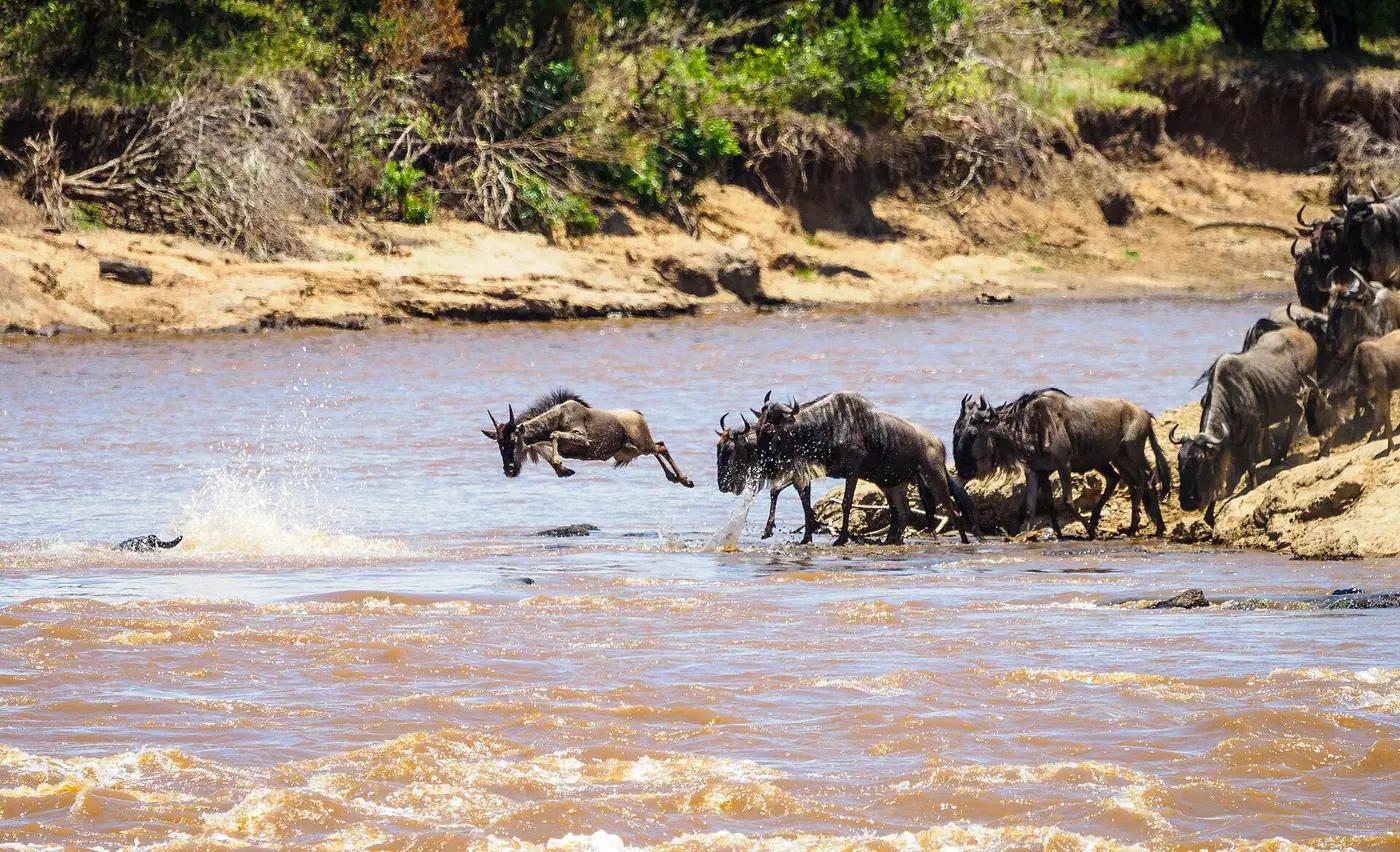
The Masai Mara has the densest big-cat viewing in Africa: lion prides made famous by television around Musiara marsh and the Talek river, cheetahs hunting on the open plains, and leopards along the wooded rivers. From July to October over a million wildebeest and zebra pour in from the Serengeti and cross the crocodile-filled Mara river. Elephants, buffalo, hippos, topi, eland, giraffes and more than 450 bird species fill the rest of the reserve and the surrounding conservancies.
The Mara is the Kenyan quarter of the Serengeti ecosystem, 1,500 square kilometres of rolling grassland cut by the Mara and Talek rivers. It is small enough that a good guide can find lions, cheetahs and leopards in a single day, and it is where the migration's river crossings happen, with wildebeest leaping from the banks into waiting crocodiles between July and October.
Around the reserve, Maasai-owned conservancies such as Mara North, Naboisho, Olare Motorogi and Ol Kinyei limit vehicle numbers, allow night drives and walking, and now hold some of the best cheetah and lion viewing in the ecosystem with a fraction of the traffic.
Why this location matters
Good location pages explain why the place is worth your time, not just which names belong on a destination checklist.
The Mara's prides have been filmed and studied for decades, and they are the reason most people can picture a lion hunt. Seeing the Marsh pride's descendants, or a cheetah mother teaching cubs on the Posee plains, is watching those stories continue.
The conservancy model around the reserve pays Maasai landowners to keep land open for wildlife instead of fencing it for cattle and crops, which is what has kept the ecosystem from shrinking.
Where to look
Wildlife map of Masai Mara
This guide covers the region shown below. Zoom in to get your bearings before planning a trip.
Positions are geocoded from OpenStreetMap. Habitat access and opening times change — check locally before travelling.
Animals to spot
These are intentionally practical species picks, balancing accessibility, excitement, and what travelers can realistically notice in the location.
LionB
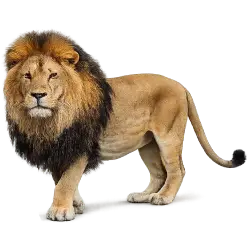
The Mara has one of the highest lion densities anywhere, with the Marsh, Topi, Rekero and Paradise prides holding territories along Musiara marsh, the Talek and the Mara river that guides check every morning.
Spotting note: Near-certain daily.
Read species guide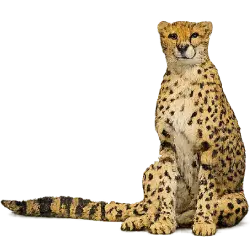
CheetahA
Hunts Thomson's gazelle on the open plains of the Mara triangle, the Posee plains and the Naboisho and Olare Motorogi conservancies, often using vehicles as shade and lookout posts.
Spotting note: Regular; the conservancies give the calmest views.
Read species guide
LeopardB
Lives in the riverine forest along the Talek, Olare Orok and Mara rivers and is regularly found in fig trees above the water.
Spotting note: Regular along the rivers with a patient guide.
Read species guide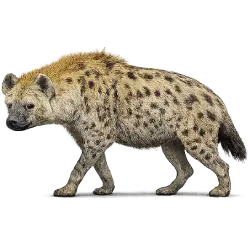
Spotted HyenaA
Clans here outnumber lions and have been studied continuously since 1988; they follow the herds, den beside the tracks and contest kills at dawn.
Spotting note: Abundant, especially early morning.
Read species guide
Blue WildebeestC
The migration arrives from the Serengeti in July and masses on the Mara plains until October, with the crossings at the Mara river's Lookout, Serena and Cul-de-sac points.
Spotting note: Guaranteed July to October; resident Loita herds year-round.
Read species guide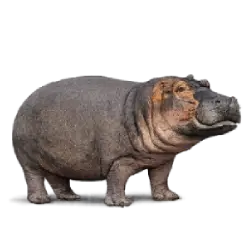
HippopotamusB
Pods crowd the deep pools of the Mara river at the Hippo Pools and below the Mara Serena bridge, grunting all day and grazing the banks at night.
Spotting note: Guaranteed at the Mara river pools.
Read species guide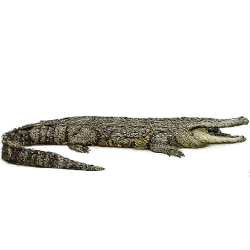
CrocodileC
Five-metre Nile crocodiles lie on the Mara river sandbanks all year and feed heavily at the wildebeest crossings.
Spotting note: Common on the Mara river banks.
Read species guide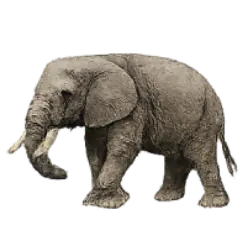
African Bush ElephantS
Breeding herds move between the Musiara marsh, the Mara triangle forest and the conservancies, and a few huge bulls still carry long tusks.
Spotting note: Common throughout the reserve.
Read species guide
Cape BuffaloB
Herds of several hundred graze the marsh edges and old bulls wallow in the Talek, a favourite target of the bigger lion prides.
Spotting note: Abundant.
Read species guide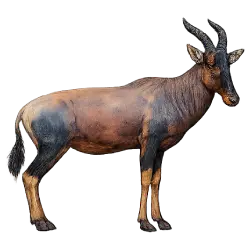
TopiB
The Mara's signature antelope, standing on termite mounds across the plains with its purple thigh patches, and the namesake of the Topi pride.
Spotting note: Abundant on the open grassland.
Read species guide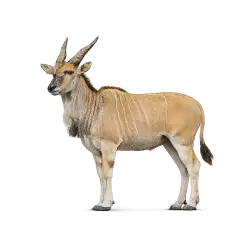
Common ElandB
Africa's largest antelope grazes the Mara plains and the conservancies in herds of twenty or more, with dewlapped bulls that weigh close to a tonne.
Spotting note: Regular; bigger herds in the conservancies.
Read species guide
Superb StarlingD
The glossy blue-and-orange starling that works every picnic site, lodge lawn and Maasai village in the ecosystem.
Spotting note: Abundant and fearless at camps.
Read species guide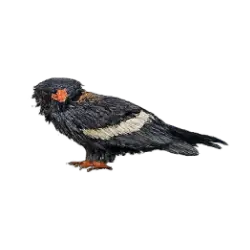
BateleurC
A short-tailed eagle that rocks from side to side as it quarters the plains at low level, scanning for carcasses and small game.
Spotting note: Regular overhead on sunny days.
Read species guide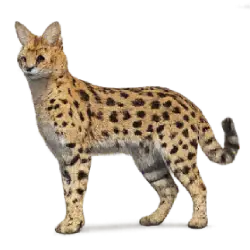
ServalB
The long-legged cat hunts rodents in the tall grass of the Musiara marsh and the conservancies, and the Mara is one of Africa's best places to see one by day.
Spotting note: Uncommon but regular in the marsh and at dawn in the conservancies.
Read species guideBest for
Use this section to decide whether the location fits your travel style, skill level, and AnimalDex goals.
- Big-cat fans who want lions, cheetahs and leopards in the same day.
- Migration watchers aiming for the Mara river crossings in August and September.
- Travellers who want night drives, walking safaris and fewer vehicles in the conservancies.
- Photographers; the open country and resident prides make for close, predictable sightings.
Spotting tips
These tips are meant to make the page useful in the field, not just readable on the page.
- 01Stay in a conservancy such as Mara North or Naboisho for calmer cat viewing, and drive into the reserve for the crossings.
- 02Crossings happen when the herds decide; park at a crossing point mid-morning and wait, and let the guide read the lead animals.
- 03Early morning is cheetah time; they hunt before the heat and before the vehicles, so leave camp at first light.
- 04Scan the fig and sausage trees along the Talek and Olare Orok for leopards, and the termite mounds for topi, cheetahs and servals.
Virtual Wildlife Guides
Wildlife guides to Masai Mara
AnimalDex builds virtual guides from explorers' own wild sightings: which animals they found, how rare they are, and when. A guide is advice from someone who has been there, not a tour. Buying one unlocks the author's notes for every animal, a chat with the author, and introductions to local people they met. Wildlife is never guaranteed.
Checking for virtual guides to Masai Mara...
How to choose a local wildlife guide in Masai Mara
- Ask what they usually find in the season you are visiting. A good guide gives an honest answer, not a promised sighting.
- Check how they treat animals: no baiting, calling in, handling, or close flash photography for a better shot.
- Confirm the meeting area, duration, group size, total price, and how you pay before the day, plus any permits or park fees the place requires.
Track the animals you find in Masai Mara
Build your collection while you travel through Masai Mara, from easy wins to the species worth planning around.
Related tier lists
These tier lists add broader context around the species that make this location interesting.
100 Fastest Animals in the World
Ranked list of the fastest animals in the world, with land, flying, and marine speed kept separate so a diving falcon is not treated as the same kind of fast as a cheetah.
Read tier listBest Hunters in the Animal World
A structured ranking of the best hunters in the animal world, balancing success rate, kill efficiency, tracking ability, coordination, and finishing power.
Read tier listStealthiest Hunters in the Animal World
A structured ranking of the stealthiest hunters in the animal world, focusing on concealment, approach discipline, ambush control, and the ability to stay unread until the final moment.
Read tier listRelated locations
Keep exploring with nearby or similar destinations that support the same kind of AnimalDex discovery.
Animals in Kenya: What You Can Spot, Learn, and Collect
A practical Kenya wildlife guide built around open-country species, clean visibility, and the animals that make East African travel feel immediately iconic.
Read location guideAnimals in the Serengeti: What You Can Spot, Learn, and Collect
Serengeti wildlife guide: the wildebeest migration and river crossings, lions, leopards and cheetahs, black rhinos on the Ngorongoro crater floor and big-sky birds.
Read location guideAnimals in Tanzania: What You Can Spot, Learn, and Collect
A practical Tanzania wildlife guide built around open-country density, famous safari mammals, and the supporting species that make the trip feel biologically complete.
Read location guideLocation FAQ
Short direct answers to the questions travelers usually ask before choosing a wildlife destination or zoo day.
What wildlife is there in the Masai Mara?
Lions, cheetahs, leopards and spotted hyenas at some of the highest densities in Africa, the migrating wildebeest and zebra from July to October, resident elephants, buffalo, hippos, crocodiles, giraffes, topi and eland, and over 450 bird species.
What animals can be found in the Masai Mara?
About 95 mammal species including the Big Five (black rhino is present but scarce), plus servals, bat-eared foxes, jackals, hyenas, Masai giraffe, topi, eland, impala and the full savanna bird list from ostrich and secretarybird to lilac-breasted roller.
When is the best time to visit the Masai Mara?
July to October for the migration and the river crossings, when the reserve is also busiest. January to March is quieter with excellent resident cat viewing and newborn animals; April and May are wet and cheapest.
Is the Masai Mara safe for children?
Yes, most camps welcome children and the game drives are in open vehicles with experienced guides. Some conservancy camps set minimum ages for walking safaris and bush dinners, so check before booking.
How do I find a wildlife guide to Masai Mara?
Check the Wildlife Guides section on this page or browse Wildlife Guides on AnimalDex. Each one is a virtual guide built from an explorer's own wild sightings around Masai Mara: the animals they found, how rare they are, and when. It is advice from someone who has been there, not a tour. If you want someone with you on the day, compare local guides on wildlife knowledge, how they treat animals, and clear pricing before you go.