

Animals in Nova Scotia: What You Can Spot, Learn, and Collect
Nova Scotia wildlife guide: Bay of Fundy humpbacks, Sable Island grey seals, Cape Breton moose and eagles, Halifax harbour seals, puffins on the Bird Islands, and Shubenacadie Wildlife Park.
Quick answer
Start with the direct answer, then use the sections below to see why the location matters and which animals are actually realistic to spot there.
Nova Scotia's best wildlife is on and beside the sea: humpback, fin and minke whales in the Bay of Fundy and off Cape Breton, grey seals breeding by the hundred thousand on Sable Island, harbour seals in Halifax Harbour and puffins on the Bird Islands. On land, Cape Breton Highlands has moose and the densest bald eagles in eastern Canada, while red squirrels, chipmunks, juncos and foxes fill every woodlot.
The Bay of Fundy's 16-metre tides stir up the richest feeding ground in the northwest Atlantic, and the whales that follow the herring arrive off Brier Island and Digby Neck each June. A zodiac from Westport can put you alongside a humpback before the fog lifts.
Inland, the province is spruce woods, lakes and small farms, and its everyday animals are exactly what AnimalDex users here log: red squirrels, eastern chipmunks, red foxes, juncos and nuthatches, with cunners, periwinkles and shore crabs in the tide pools below.
Why this location matters
Good location pages explain why the place is worth your time, not just which names belong on a destination checklist.
Sable Island, 300 kilometres offshore, holds the largest grey seal breeding colony on earth with over 300,000 animals, alongside its famous wild horses. It is a national park reserve reachable only by chartered flight, but the same seals haul out around the province's coast all winter.
Shubenacadie Wildlife Park near Halifax is the province's own zoo of native species, where cougars, lynx, moose and swift foxes give visitors the animals they are unlikely to meet in the woods, and its captures already appear in the Nova Scotia record.
Where to look
Wildlife map of Nova Scotia
This guide covers the region shown below. Zoom in to get your bearings before planning a trip.
Positions are geocoded from OpenStreetMap. Habitat access and opening times change — check locally before travelling. Smaller pins are public AnimalDex captures, placed to the nearest kilometre.
Field proof
Found in Nova Scotia by AnimalDex users
Real captures logged in the AnimalDex app inside this area and shared publicly by their collectors, with the animal confirmed by the app's identification. Places are shown to the nearest region, never the exact spot.
- 23
- public captures
- 22
- species recorded
- 1
- collectors
- 14
- wild sightings
Recent captures from the field
Species people have actually logged here
Every name links to its species guide. The count is how many public captures of that animal sit inside this area.
- Cunner2 captures
- American Red Squirrel1 capture
- Artichoke Plume Moth1 capture
- Buff-tip Moth1 capture
- Carolina Wolf Spider1 capture
- Chain Pickerel1 capture
- Dark-eyed Junco1 capture
- Eastern Chipmunk1 capture
- Fisher1 capture
- Giant Honey Bee1 capture
- Harbor Seal1 capture
- Indian Peafowl1 capture
- Mute Swan1 capture
- North American Raccoon1 capture
- Patagonian Mara1 capture
- Periwinkle1 capture
- Red Fox1 capture
- Red Junglefowl1 capture
- Red-breasted Nuthatch1 capture
- Shore Crab1 capture
- Swift Fox1 capture
- Turkey Vulture1 capture
Collectors choose to share these captures on Discover and can withdraw them at any time. Coordinates are rounded to about a kilometre and refreshed with each site build.
Animals to spot
These are intentionally practical species picks, balancing accessibility, excitement, and what travelers can realistically notice in the location.
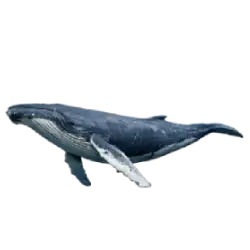
Humpback WhaleA
Feeds in the Bay of Fundy off Brier Island and Long Island from June to October, and off Cape Breton's Pleasant Bay in late summer.
Spotting note: Near-guaranteed on a Brier Island zodiac trip July to September.
Read species guide
Grey SealB
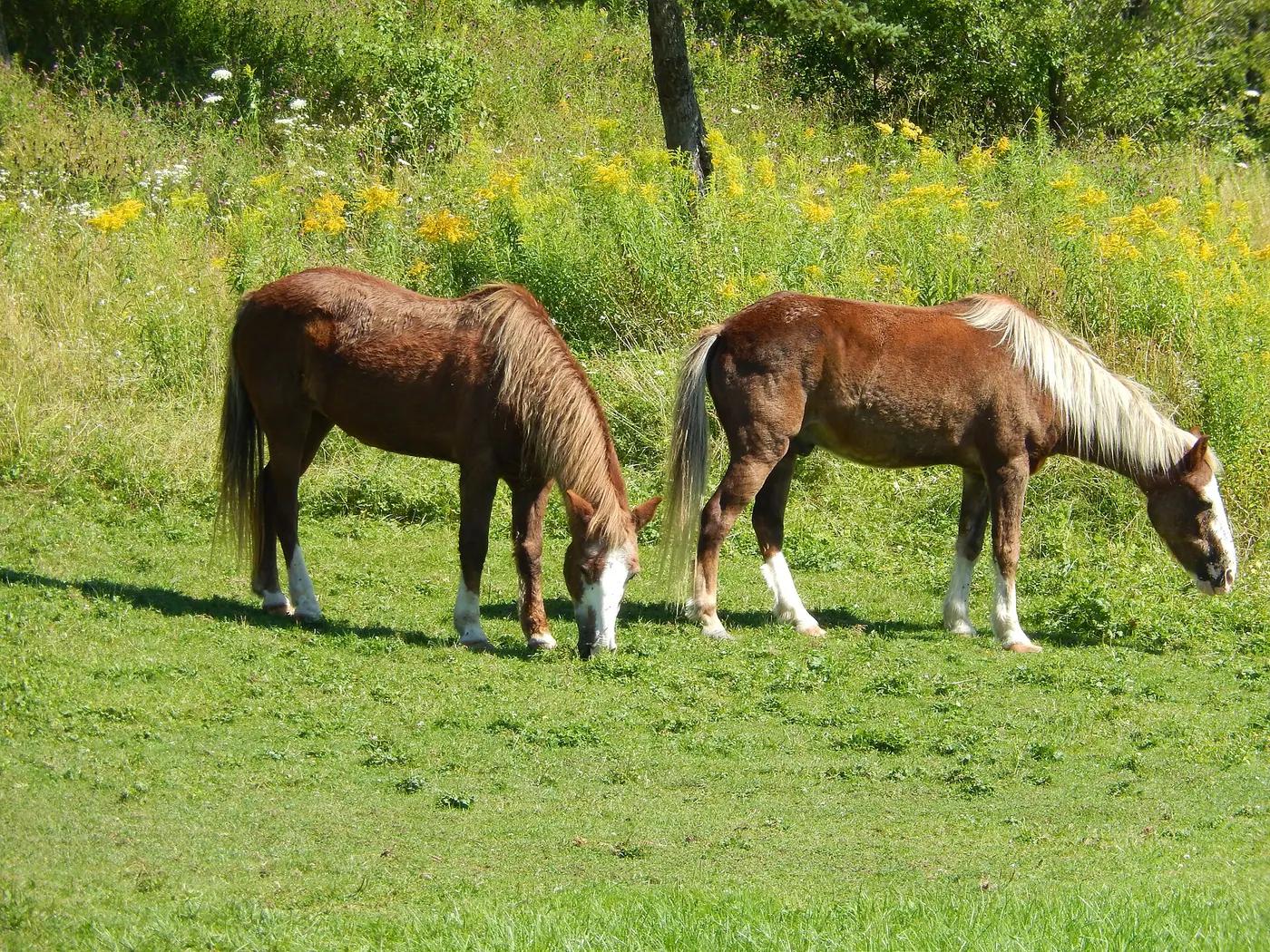
Sable Island's colony is the world's largest, and in winter the same seals pack the rocks and beaches of Hay Island, the Eastern Shore and the Bay of Fundy's Brier Island.
Spotting note: Common along the coast; winter haul-outs at Brier Island and Taylor Head are reliable.
Read species guide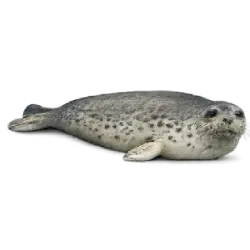
Harbor SealC
Rests on ledges in Halifax Harbour near McNabs Island and Point Pleasant Park, and already logged in Nova Scotia by AnimalDex users.
Spotting note: Likely at low tide from a Halifax harbour tour or the McNabs Island ferry.
Read species guide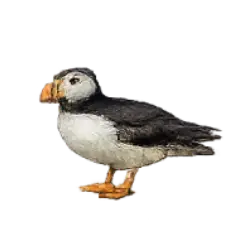
Atlantic PuffinC
Nests on the Bird Islands off Cape Breton's Big Bras d'Or, where boat tours circle the cliffs from May to August.
Spotting note: Reliable on Bird Islands tours June to July; seen from land only on rare occasions.
Read species guide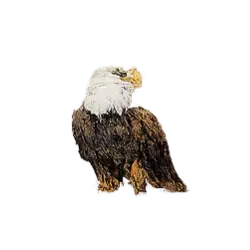
Bald EagleB
Cape Breton has the densest nesting eagles in northeastern North America, perched over the Bras d'Or Lake and the Margaree River, and winter feedings at Sheffield Mills in the Annapolis Valley draw dozens.
Spotting note: Common year-round around the Bras d'Or; Sheffield Mills Eagle Watch runs in January and February.
Read species guide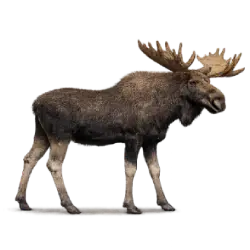
MooseA
Cape Breton Highlands National Park's plateau holds a dense population introduced from Alberta in the 1940s, browsing beside the Skyline Trail and the Cabot Trail at dusk.
Spotting note: Likely at dusk on the Skyline Trail or French Mountain in summer; the mainland population is small and endangered.
Read species guide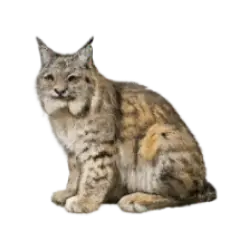
Canada LynxB
A few hundred survive on the Cape Breton Highlands plateau, and Shubenacadie Wildlife Park keeps lynx for the many who never meet one in the wild.
Spotting note: Rare in the wild, tracks in snow are realistic; guaranteed at Shubenacadie.
Read species guide
American LobsterE
The province's economic backbone, hauled onto wharves from Yarmouth to Cape Breton and visible in tide pools and under docks for snorkellers.
Spotting note: Guaranteed at any working wharf in season; small ones in rocky shallows at low tide.
Read species guide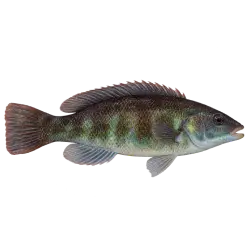
CunnerE
A chunky wrasse that hangs around wharf pilings and rock pools all around the province, and the most-logged Nova Scotia fish in AnimalDex.
Spotting note: Common under any wharf in summer; peer down from the dock.
Read species guide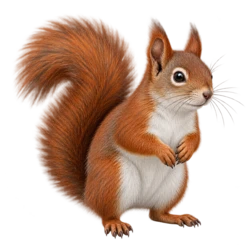
American Red SquirrelE
Scolds from spruce branches in every Nova Scotia woodlot and campground, and tops the province's mammal captures in AnimalDex.
Spotting note: Guaranteed anywhere with conifers.
Read species guide
Eastern ChipmunkE
Stripes through the stone walls and campgrounds of the Annapolis Valley and the South Shore, cheeks packed with beech nuts.
Spotting note: Common from April to October.
Read species guide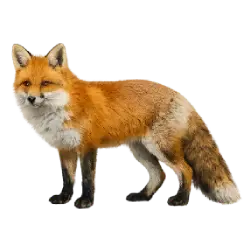
Red FoxC
Trots along Halifax streets, the Cabot Trail roadsides and beaches at dawn, and is logged across the province.
Spotting note: Common; dawn on a quiet beach or golf course is near-certain.
Read species guide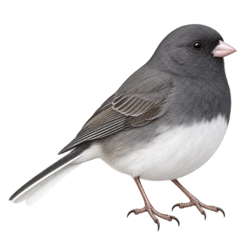
Dark-eyed JuncoD
The slate-grey sparrow that flicks white tail feathers from every woodland edge and winter feeder in the province.
Spotting note: Abundant year-round.
Read species guide
FisherC
A big tree-climbing weasel relative reintroduced to the mainland, now spreading through the Cobequid Hills and the South Shore woods.
Spotting note: Rare and mostly nocturnal; winter tracks are the realistic find.
Read species guideBest for
Use this section to decide whether the location fits your travel style, skill level, and AnimalDex goals.
- Bay of Fundy whale watching from Brier Island
- Grey and harbour seals on winter haul-outs
- Cape Breton moose, eagles and puffins
- Native wildlife at Shubenacadie Wildlife Park
Spotting tips
These tips are meant to make the page useful in the field, not just readable on the page.
- 01Drive to Westport on Brier Island and book a zodiac from mid-July to September; the 20-knot run to the whales is wet and cold, so bring full waterproofs.
- 02Walk the Cape Breton Highlands Skyline Trail in the last two hours of daylight for moose; stay on the boardwalk and give any animal 30 metres.
- 03The Bird Islands puffin boats leave Big Bras d'Or from May to August; mornings are calmer and the light is better.
- 04At low tide on any rocky shore, turn over small stones for shore crabs and periwinkles and watch wharf pilings for cunners; replace everything as you found it.
Virtual Wildlife Guides
Wildlife guides to Nova Scotia
AnimalDex builds virtual guides from explorers' own wild sightings: which animals they found, how rare they are, and when. A guide is advice from someone who has been there, not a tour. Buying one unlocks the author's notes for every animal, a chat with the author, and introductions to local people they met. Wildlife is never guaranteed.
Checking for virtual guides to Nova Scotia...
How to choose a local wildlife guide in Nova Scotia
- Ask what they usually find in the season you are visiting. A good guide gives an honest answer, not a promised sighting.
- Check how they treat animals: no baiting, calling in, handling, or close flash photography for a better shot.
- Confirm the meeting area, duration, group size, total price, and how you pay before the day, plus any permits or park fees the place requires.
Track the animals you find in Nova Scotia
Build your collection while you travel through Nova Scotia, from easy wins to the species worth planning around.
Related tier lists
These tier lists add broader context around the species that make this location interesting.
Biggest Animals in the World
A structured ranking of the biggest animals in the world, using the AnimalDex size stat to compare body scale across sea, land, and air.
Read tier listRelated locations
Keep exploring with nearby or similar destinations that support the same kind of AnimalDex discovery.
Animals in Canada: What You Can Spot, Learn, and Collect
A practical Canada wildlife guide built around coasts, forests, migration, and the cold-region species that make the country feel spacious and serious.
Read location guideAnimals in Quebec: What You Can Spot, Learn, and Collect
Quebec wildlife guide: Tadoussac belugas and blue whales, Bonaventure Island's gannets, Cap Tourmente snow geese, Forillon moose and seals, Parc Omega's wolves and bison, and winter snowy owls.
Read location guideAnimals in Ontario: What You Can Spot, Learn, and Collect
Ontario wildlife guide: Algonquin moose and wolf howls, Toronto raccoons and the Toronto Zoo, Point Pelee's monarch and warbler migrations, loons on cottage lakes and polar bears on Hudson Bay.
Read location guideLocation FAQ
Short direct answers to the questions travelers usually ask before choosing a wildlife destination or zoo day.
What wildlife is there in Nova Scotia?
Humpback, fin and minke whales, grey and harbour seals, puffins and gannets on the coast; moose, black bears, lynx, bobcats and bald eagles in Cape Breton; and red squirrels, chipmunks, red foxes, porcupines and juncos throughout the province's woods and farmland.
What animals can be found in Nova Scotia's Bay of Fundy?
Humpback, fin and minke whales from June to October, with occasional endangered North Atlantic right whales in late summer, plus harbour porpoises, grey seals, puffins, shearwaters and huge flocks of migrating shorebirds on the mudflats in August.
When is the best time to visit Nova Scotia for wildlife?
July to September for whales and puffins, June to October for Cape Breton moose, and January to February for the Sheffield Mills eagle gatherings and winter seal haul-outs.
Is Shubenacadie Wildlife Park worth visiting?
Yes, especially with children. It is a provincial park of mostly native species, including moose, cougar, lynx, black bear, Arctic wolf and a swift fox breeding programme, 40 minutes from Halifax.
Have AnimalDex users found animals in Nova Scotia?
Yes. AnimalDex users have publicly logged 23 captures of 22 different species in Nova Scotia, including cunner, american red squirrel, artichoke plume moth, buff-tip moth. Each one was photographed in the app at the moment of the sighting.
How do I find a wildlife guide to Nova Scotia?
Check the Wildlife Guides section on this page or browse Wildlife Guides on AnimalDex. Each one is a virtual guide built from an explorer's own wild sightings around Nova Scotia: the animals they found, how rare they are, and when. It is advice from someone who has been there, not a tour. If you want someone with you on the day, compare local guides on wildlife knowledge, how they treat animals, and clear pricing before you go.