

Animals in Palawan: What You Can Spot, Learn, and Collect
Palawan wildlife: monitors at the Puerto Princesa underground river, bearcats and hill mynas, dugongs off Busuanga, El Nido's swiftlets and Tubbataha's sharks and mantas.
Quick answer
Start with the direct answer, then use the sections below to see why the location matters and which animals are actually realistic to spot there.
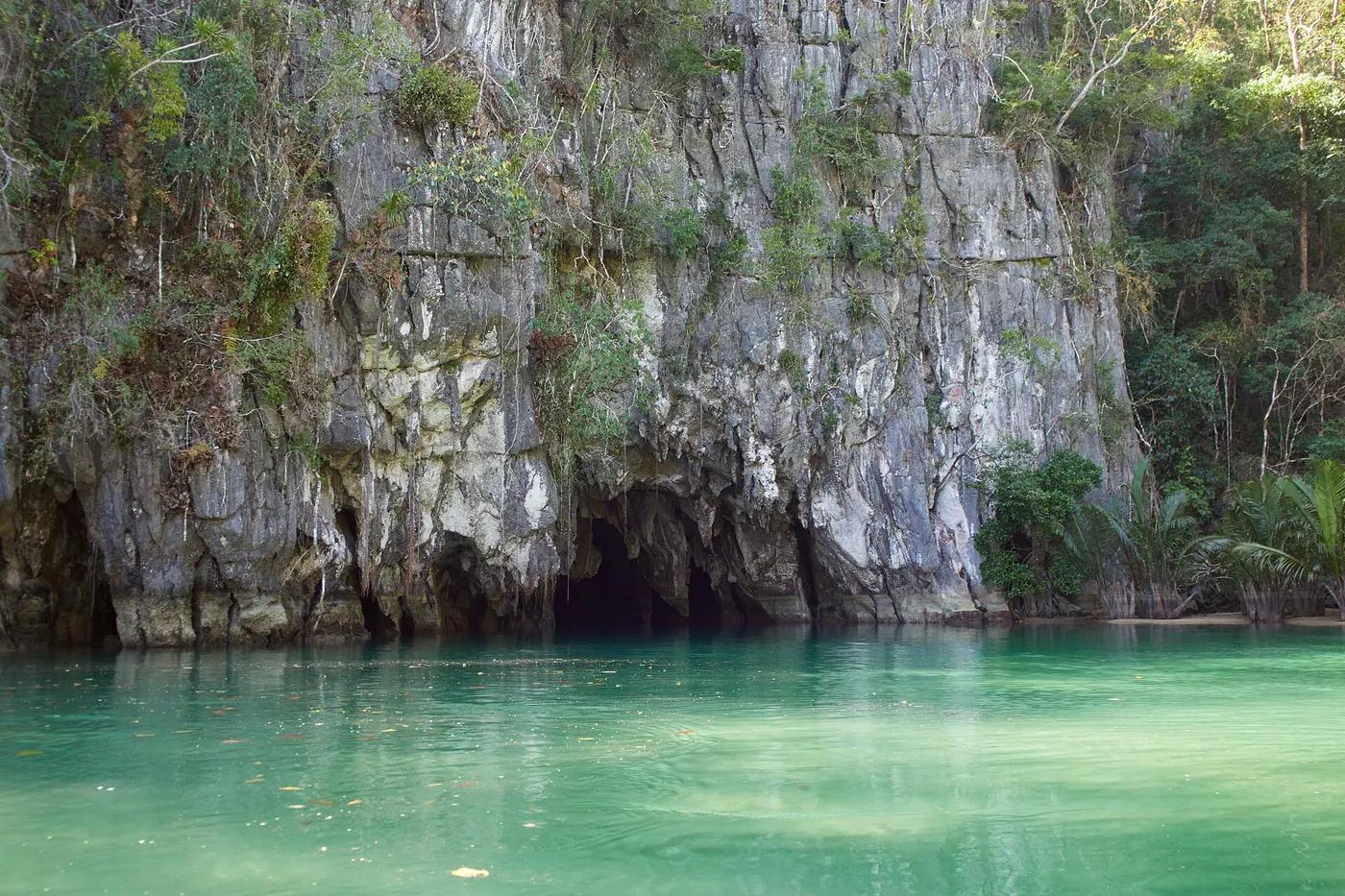
Palawan's fauna is closer to Borneo's than to the rest of the Philippines, which is why it has bearcats, hill mynas and pangolins that no other Philippine island does. Monitor lizards and macaques greet boats at the Puerto Princesa underground river, dugongs graze off Busuanga, edible-nest swiftlets nest in the limestone that gave El Nido its name, and Tubbataha Reef has sharks, mantas and turtles on every dive. The Iwahig river near Puerto Princesa has fireflies every night.
Palawan is a long limestone spine between the Sulu and South China seas, and its animals arrived from Borneo when sea levels were lower. The result is a mix found nowhere else in the country: Palawan bearcats, Palawan hornbills, hill mynas and a pangolin species of its own, alongside the usual Philippine monitors, macaques and geckos.
For most visitors the island is beaches and boat trips, and the wildlife fits in around them. The underground river boat passes monitors on the beach, El Nido's island hopping passes swiftlet caves and turtles, and Coron's reefs and seagrass hold dugongs.
Why this location matters
Good location pages explain why the place is worth your time, not just which names belong on a destination checklist.
Palawan is the Philippines' 'last frontier' and its most heavily marketed, with El Nido and Coron under real pressure from boats and resorts. Tubbataha, two days offshore and strictly managed, is the benchmark for what the island's reefs could be.
The Palawan pangolin is critically endangered from trafficking, and the Palawan Wildlife Rescue and Conservation Center in Puerto Princesa holds confiscated animals and breeds Philippine crocodiles. Logging the island's endemics builds a public record that trafficking thrives on erasing.
Where to look
Wildlife map of Palawan
This guide covers the region shown below. Zoom in to get your bearings before planning a trip.
Positions are geocoded from OpenStreetMap. Habitat access and opening times change — check locally before travelling. Smaller pins are public AnimalDex captures, placed to the nearest kilometre.
Field proof
Found in Palawan by AnimalDex users
Real captures logged in the AnimalDex app inside this area and shared publicly by their collectors, with the animal confirmed by the app's identification. Places are shown to the nearest region, never the exact spot.
- 4
- public captures
- 4
- species recorded
- 2
- collectors
- 3
- wild sightings
Recent captures from the field
Species people have actually logged here
Every name links to its species guide. The count is how many public captures of that animal sit inside this area.
Collectors choose to share these captures on Discover and can withdraw them at any time. Coordinates are rounded to about a kilometre and refreshed with each site build.
Animals to spot
These are intentionally practical species picks, balancing accessibility, excitement, and what travelers can realistically notice in the location.
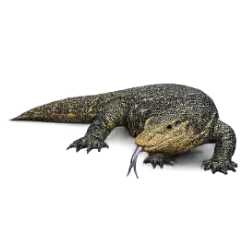
Water MonitorC
Big monitors bask on the beach at Sabang where the underground river boats land, and patrol the mangroves of Honda Bay and Bacuit.
Spotting note: Near-guaranteed at the underground river landing.
Read species guide
Long-tailed MacaqueC
A troop works the Sabang beach and the underground river boardwalk, snatching food from bags, and others range the forest around El Nido.
Spotting note: Guaranteed at Sabang; secure everything.
Read species guide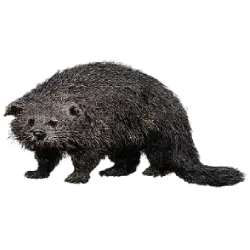
BinturongC
The Palawan bearcat lives in the island's remaining forest and is the mascot of the Puerto Princesa area, with rescued animals at the wildlife centre and wild ones in the Cleopatra's Needle forest.
Spotting note: Rare in the wild and nocturnal; reliable at the rescue centre.
Read species guide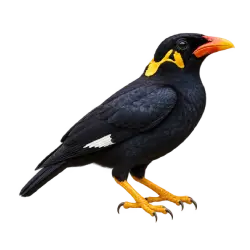
Common Hill MynaD
Palawan's hill myna, a glossy black talker with yellow wattles, is the only wild population in the Philippines, whistling from tall trees in the north and on Busuanga.
Spotting note: Uncommon; forest edges around El Nido and Taytay at dawn.
Read species guide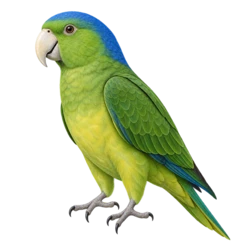
Blue-naped ParrotC
Palawan is the species' stronghold, with flocks over Puerto Princesa's outskirts and the Bacuit forest in the early morning.
Spotting note: Regular at dawn; loud flight calls give them away.
Read species guide
Edible-nest SwiftletD
El Nido is named after the nests these swiftlets glue to its limestone cliffs, and they pour out of the Bacuit cave mouths every dawn.
Spotting note: Guaranteed around El Nido's cliffs; nests are harvested under permit.
Read species guide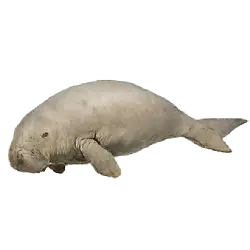
DugongC
Dugongs graze the seagrass beds off Busuanga's Dimakya Island and around Calauit, one of the last reliable Philippine populations.
Spotting note: Dedicated dugong snorkel trips from Busuanga succeed on perhaps half of mornings.
Read species guide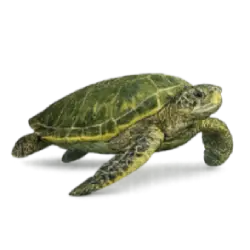
Green Sea TurtleC
Turtles feed on seagrass at El Nido's Shimizu and Helicopter islands and nest on quiet beaches across the Calamianes.
Spotting note: Regular on El Nido island-hopping snorkels.
Read species guide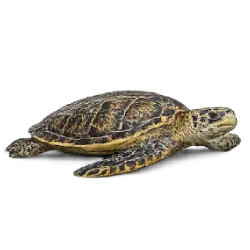
Hawksbill Sea TurtleC
Hawksbills feed on the sponge-covered walls of Tubbataha and the El Nido drop-offs, and nest at Tubbataha's bird islet.
Spotting note: Common on Tubbataha dives; occasional at El Nido.
Read species guide
Reef Manta RayB
Mantas sweep the walls and cleaning stations of Tubbataha Reef during the March to June dive season.
Spotting note: Regular on Tubbataha liveaboards.
Read species guide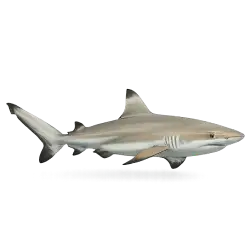
Blacktip Reef SharkC
Blacktips patrol the shallows of Tubbataha's lagoons and the reef flats of El Nido's outer islands.
Spotting note: Common at Tubbataha; occasional for El Nido snorkelers.
Read species guide Saltwater CrocodileA
Wild saltwater crocodiles persist in southern Palawan's rivers and mangroves around Balabac and Rizal, and the Puerto Princesa rescue centre keeps large ones.
Spotting note: Rare in the wild; guaranteed at the Palawan Wildlife Rescue and Conservation Center.
Read species guide
FireflyE
The Iwahig river outside Puerto Princesa runs paddle-boat firefly tours past mangroves that flicker every night of the year.
Spotting note: Reliable nightly; best on moonless nights.
Read species guide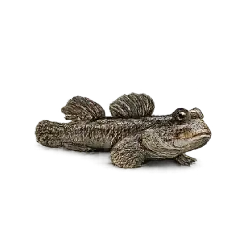
MudskipperE
Skips across the mud of the Iwahig and Sabang mangroves and Honda Bay's fringes at low tide.
Spotting note: Abundant at low tide.
Read species guideBest for
Use this section to decide whether the location fits your travel style, skill level, and AnimalDex goals.
- Divers heading to Tubbataha for sharks, mantas and turtles
- Island-hoppers at El Nido and Coron adding turtles, swiftlets and dugongs
- Families: the underground river, Iwahig fireflies and the rescue centre in two days
- Birders after Palawan endemics: hornbill, peacock-pheasant, hill myna and parrots
Spotting tips
These tips are meant to make the page useful in the field, not just readable on the page.
- 01Take the first underground river boat from Sabang; monitors and macaques are on the beach before the crowds, and the cave's bats and swiftlets are still returning.
- 02For dugongs, book a dedicated early-morning trip from Busuanga rather than hoping on a general island-hop; calm water and low sun are essential for spotting them.
- 03Tubbataha is liveaboard-only from mid-March to mid-June; book months ahead and expect sharks, mantas and turtles on most dives.
- 04Combine the Iwahig firefly tour with a dusk walk along the river's mangrove edge for mudskippers, herons and the last monitors of the day.
Virtual Wildlife Guides
Wildlife guides to Palawan
AnimalDex builds virtual guides from explorers' own wild sightings: which animals they found, how rare they are, and when. A guide is advice from someone who has been there, not a tour. Buying one unlocks the author's notes for every animal, a chat with the author, and introductions to local people they met. Wildlife is never guaranteed.
Checking for virtual guides to Palawan...
How to choose a local wildlife guide in Palawan
- Ask what they usually find in the season you are visiting. A good guide gives an honest answer, not a promised sighting.
- Check how they treat animals: no baiting, calling in, handling, or close flash photography for a better shot.
- Confirm the meeting area, duration, group size, total price, and how you pay before the day, plus any permits or park fees the place requires.
Track the animals you find in Palawan
Build your collection while you travel through Palawan, from easy wins to the species worth planning around.
Related tier lists
These tier lists add broader context around the species that make this location interesting.
Rarest Animals in the World
A structured ranking of the rarest animals in the world, blending scarcity, vulnerability, and conservation pressure to answer the overlap between rarest and most endangered wildlife.
Read tier listBiggest Animals in the World
A structured ranking of the biggest animals in the world, using the AnimalDex size stat to compare body scale across sea, land, and air.
Read tier listRelated locations
Keep exploring with nearby or similar destinations that support the same kind of AnimalDex discovery.
Animals in the Philippines: What You Can Spot, Learn, and Collect
Philippines wildlife guide: Philippine eagles in Mindanao, tarsiers on Bohol, whale sharks at Donsol, tamaraw on Mindoro, plus the geckos and sparrows users log daily.
Read location guideAnimals in Borneo: What You Can Spot and Why the Region Matters
A structured Borneo wildlife guide focused on realistic rainforest, river, and sanctuary-linked spotting with strong links into species pages and broader AnimalDex discovery.
Read location guideAnimals in the Visayas: What You Can Spot, Learn, and Collect
Visayas wildlife: tarsiers and fireflies on Bohol, thresher sharks at Malapascua, whale sharks at Oslob, warty pigs on Negros, dolphins and turtles off Apo Island.
Read location guideLocation FAQ
Short direct answers to the questions travelers usually ask before choosing a wildlife destination or zoo day.
What wildlife is there in Palawan?
Monitor lizards, macaques, bearcats, hill mynas, blue-naped parrots and Palawan hornbills on land; dugongs off Busuanga; green and hawksbill turtles, mantas, reef sharks and rich coral at El Nido and Tubbataha; swiftlets in El Nido's cliffs; fireflies on the Iwahig river; and saltwater crocodiles in the south.
What animals can be found in Palawan?
Palawan bearcat, Palawan pangolin, Palawan hornbill, Palawan peacock-pheasant, hill myna, blue-naped parrot, long-tailed macaque, water monitor, saltwater and Philippine crocodiles, dugong, sea turtles, manta rays, sharks and hundreds of reef fish species. Geckos, fruit bats and fireflies are everyday sightings.
What animals are at the Puerto Princesa underground river?
Water monitors and long-tailed macaques on Sabang beach and the boardwalk, swiftlets and several bat species inside the cave, and herons, kingfishers and mudskippers in the mangroves. Boats run from early morning; the first ones see the most.
Can you see dugongs in Palawan?
Yes, off Busuanga in the Calamianes, where operators run early-morning dugong snorkels around Dimakya Island and Calauit. Success is roughly even odds on any given morning, better in calm weather from November to May.
Have AnimalDex users found animals in Palawan?
Yes. AnimalDex users have publicly logged 4 captures of 4 different species in Palawan, including black ant, common house gecko, goldfish, red junglefowl. Each one was photographed in the app at the moment of the sighting.
How do I find a wildlife guide to Palawan?
Check the Wildlife Guides section on this page or browse Wildlife Guides on AnimalDex. Each one is a virtual guide built from an explorer's own wild sightings around Palawan: the animals they found, how rare they are, and when. It is advice from someone who has been there, not a tour. If you want someone with you on the day, compare local guides on wildlife knowledge, how they treat animals, and clear pricing before you go.