

Animals in Raja Ampat: What You Can Spot, Learn, and Collect
Raja Ampat wildlife guide: reef mantas at Manta Sandy, walking sharks and wobbegongs, record reef fish counts, and red and Wilson's birds-of-paradise on Waigeo.
Quick answer
Start with the direct answer, then use the sections below to see why the location matters and which animals are actually realistic to spot there.
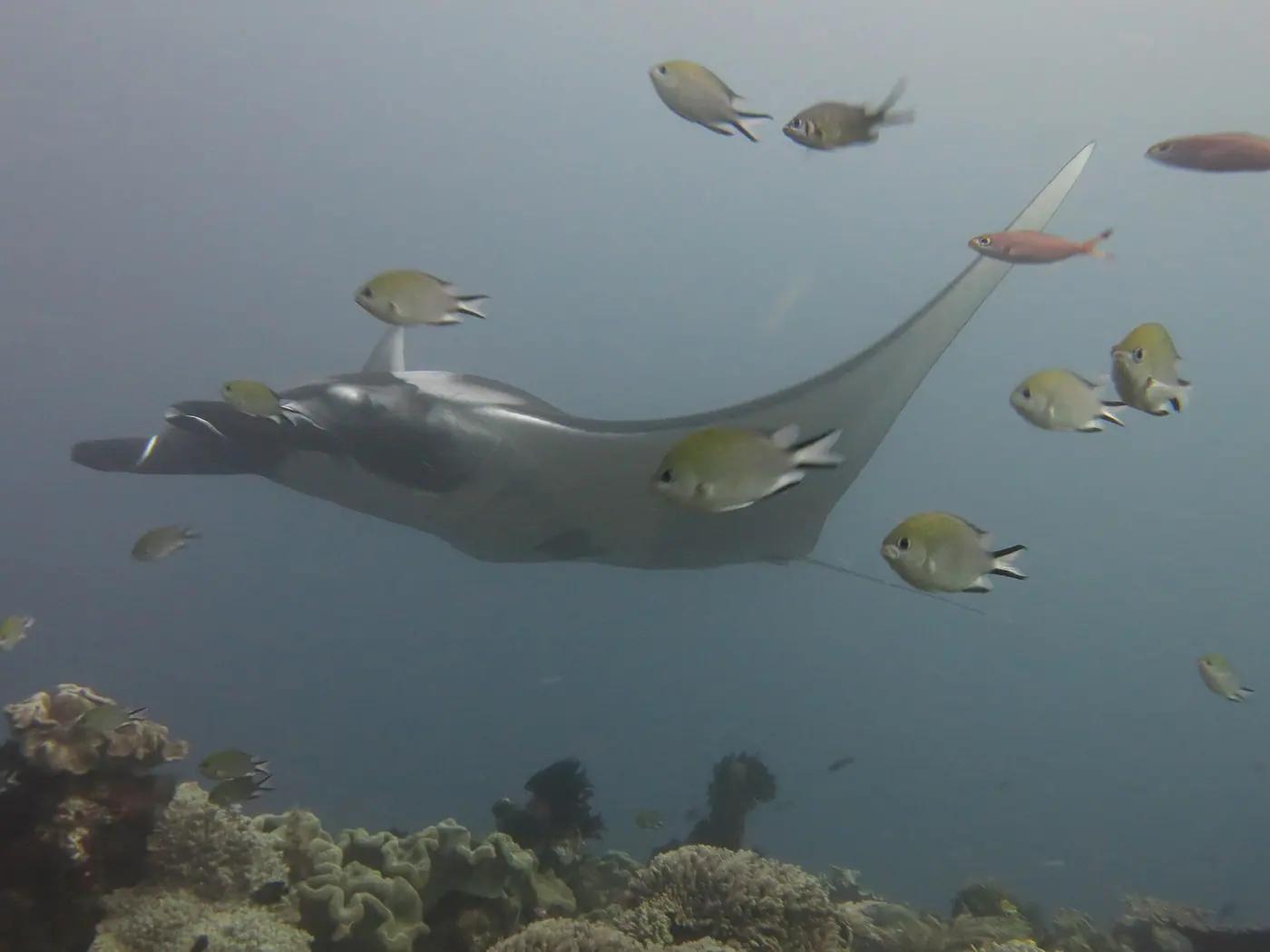
Raja Ampat has the highest reef fish diversity ever recorded, with more than 1,600 species. Expect reef mantas at Manta Sandy and Manta Ridge, oceanic mantas at Blue Magic, walking sharks and tasselled wobbegongs on night dives, turtles on almost every reef, and on Waigeo the red and Wilson's birds-of-paradise displaying at dawn.
The Four Kings, Waigeo, Batanta, Salawati and Misool, sit off the Bird's Head peninsula of West Papua, reached by ferry from Sorong to Waisai. Homestays on Kri, Gam and Arborek and liveaboards cover the central Dampier Strait; Misool in the south is a separate trip.
The Dampier Strait funnels plankton past Cape Kri, where a single dive once counted 374 fish species. The forest behind the beaches is Papuan, with cockatoos, hornbills and two birds-of-paradise found only here.
Why this location matters
Good location pages explain why the place is worth your time, not just which names belong on a destination checklist.
Raja Ampat's marine protected area network covers over 2 million hectares and has banned shark and manta fishing since 2010; reef shark and manta numbers have recovered visibly as a result.
Blue tree monitors, found only on Batanta, and Wilson's bird-of-paradise, found only on Waigeo and Batanta, are both targeted by collectors, so documented sightings here carry real weight.
Where to look
Wildlife map of Raja Ampat
This guide covers the region shown below. Zoom in to get your bearings before planning a trip.
Positions are geocoded from OpenStreetMap. Habitat access and opening times change — check locally before travelling.
Animals to spot
These are intentionally practical species picks, balancing accessibility, excitement, and what travelers can realistically notice in the location.

Reef Manta RayB
Reef mantas queue at the cleaning station of Manta Sandy off Arborek and barrel-roll through plankton at Manta Ridge in the Dampier Strait.
Spotting note: Near-guaranteed October to April; regular the rest of the year.
Read species guide
Manta RayA
The giant oceanic manta turns up at Blue Magic and Magic Mountain, sometimes alongside its smaller reef cousin.
Spotting note: Regular in season at Blue Magic; a six-metre wingspan is possible.
Read species guide
Epaulette SharkD
Raja Ampat's walking sharks are close relatives of the epaulette shark, and AnimalDex logs them under this entry; they crawl over the reef flat on their fins at night.
Spotting note: Regular on night dives and shallow night snorkels off Kri and Arborek.
Read species guide
Tasselled WobbegongC
A fringed carpet shark that lies under table corals at Cape Kri and Sardine Reef by day, almost invisible until it moves.
Spotting note: Common once your guide shows you where to look.
Read species guide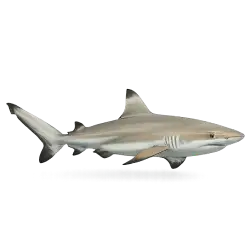
Blacktip Reef SharkC
Patrols the shallows off the Kri and Arborek jetties in knee-deep water, especially at dusk.
Spotting note: Guaranteed from any homestay jetty.
Read species guide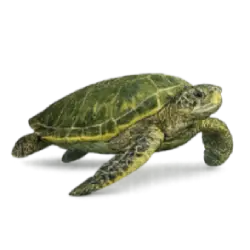
Green Sea TurtleC
Green and hawksbill turtles graze and rest on every central Raja Ampat reef, including right under the homestay jetties.
Spotting note: Guaranteed on most dives and snorkels.
Read species guide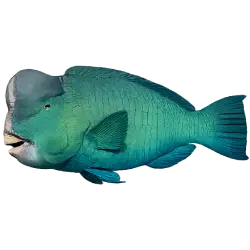
Humphead ParrotfishC
Schools of metre-long bumphead parrotfish crunch coral at Cape Kri and sleep in caves at Mioskon.
Spotting note: Common in the Dampier Strait.
Read species guide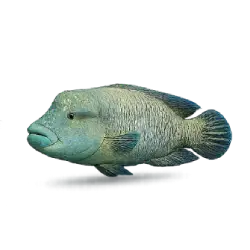
Napoleon WrasseB
Big humphead wrasse cruise the drop-offs at Cape Kri and Blue Magic, now protected across the park.
Spotting note: Regular on current-swept points.
Read species guide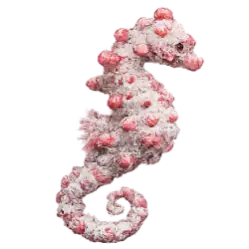
Pygmy SeahorseE
Bargibant's and Denise's pygmy seahorses live on sea fans at Melissa's Garden and Mike's Point.
Spotting note: Reliable with a guide who knows the fans.
Read species guide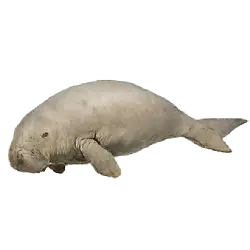
DugongC
Seagrass beds off Waigeo, Gam and Misool still carry dugongs, occasionally seen from homestay jetties at dawn.
Spotting note: Rare and memorable.
Read species guide
Red Bird-of-paradiseC
Found only on Waigeo and Batanta; males display in a tall tree above Saporkren village on Waigeo at dawn.
Spotting note: Reliable at the Saporkren display tree with a village guide.
Read species guide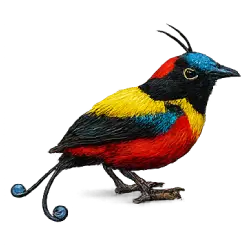
Wilson's Bird-of-paradiseC
A tiny bird with a bare blue skullcap that clears a ground court in the Waigeo hills near Saporkren and Yenbekwan.
Spotting note: Regular from hides at dawn; the hike starts at 4 am.
Read species guide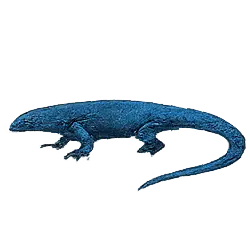
Blue Tree MonitorC
A turquoise-spotted monitor found only on Batanta island, hunting insects high in the trees.
Spotting note: Very rare; most seen by researchers rather than visitors.
Read species guide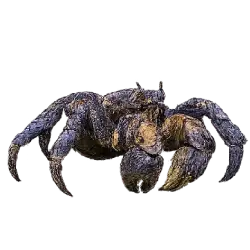
Coconut CrabD
Robber crabs emerge on the smaller uninhabited islets at night to crack fallen coconuts.
Spotting note: Uncommon; ask homestay hosts which islets still have them.
Read species guideBest for
Use this section to decide whether the location fits your travel style, skill level, and AnimalDex goals.
- Manta cleaning stations at Manta Sandy and Manta Ridge
- Fish-count record dives at Cape Kri
- Walking sharks and wobbegongs on night dives
- Red and Wilson's birds-of-paradise on Waigeo
Spotting tips
These tips are meant to make the page useful in the field, not just readable on the page.
- 01Pay the marine park entry fee in Waisai; it funds the patrols that keep sharks and mantas on the reefs.
- 02Manta Sandy has a rope line; stay behind it and let the mantas come to the cleaning station.
- 03Night snorkel off your homestay jetty with a torch for walking sharks, octopus and hunting lionfish.
- 04For the birds-of-paradise, arrange a guide at Saporkren the day before and leave by 4.30 am; both species finish displaying soon after sunrise.
Virtual Wildlife Guides
Wildlife guides to Raja Ampat
AnimalDex builds virtual guides from explorers' own wild sightings: which animals they found, how rare they are, and when. A guide is advice from someone who has been there, not a tour. Buying one unlocks the author's notes for every animal, a chat with the author, and introductions to local people they met. Wildlife is never guaranteed.
Checking for virtual guides to Raja Ampat...
How to choose a local wildlife guide in Raja Ampat
- Ask what they usually find in the season you are visiting. A good guide gives an honest answer, not a promised sighting.
- Check how they treat animals: no baiting, calling in, handling, or close flash photography for a better shot.
- Confirm the meeting area, duration, group size, total price, and how you pay before the day, plus any permits or park fees the place requires.
Track the animals you find in Raja Ampat
Build your collection while you travel through Raja Ampat, from easy wins to the species worth planning around.
Related locations
Keep exploring with nearby or similar destinations that support the same kind of AnimalDex discovery.
Animals in Papua: What You Can Spot, Learn, and Collect
Papua wildlife guide: birds-of-paradise in the Arfak hills, cassowaries and crowned pigeons, cuscus and wallabies at Wasur, and Cenderawasih Bay whale sharks.
Read location guideAnimals in the Maluku Islands: What You Can Spot, Learn, and Collect
Maluku wildlife guide: Wallace's standardwing on Halmahera, umbrella and salmon-crested cockatoos, red lories on Ambon, and the sea kraits of the Banda islands.
Read location guideAnimals in Indonesia: What You Can Spot, Learn, and Collect
A practical guide to animals in Indonesia, from accessible birds and coastal wildlife to headline species that make the country one of the world's strongest wildlife-travel destinations.
Read location guideLocation FAQ
Short direct answers to the questions travelers usually ask before choosing a wildlife destination or zoo day.
What wildlife is there in Raja Ampat?
Raja Ampat has reef and oceanic manta rays, blacktip reef sharks, walking sharks, tasselled wobbegongs, green and hawksbill turtles, bumphead parrotfish and more than 1,600 reef fish species. On land Waigeo has the red and Wilson's birds-of-paradise.
What animals can be found in Raja Ampat?
Marine life dominates: mantas, reef sharks, turtles, pygmy seahorses, napoleon wrasse and huge fish schools. The islands also hold cockatoos, hornbills, coconut crabs, the Batanta blue tree monitor and two endemic birds-of-paradise.
When is the best time to see mantas in Raja Ampat?
October to April is peak manta season in the Dampier Strait, with the calmest seas from October to December. Mantas are present year-round in smaller numbers.
Can you snorkel Raja Ampat without diving?
Yes. The reefs off the Kri, Arborek and Gam homestays start in a metre of water, and Manta Sandy and the Arborek jetty are regularly snorkelled. Many homestay guests never dive.
How do I find a wildlife guide to Raja Ampat?
Check the Wildlife Guides section on this page or browse Wildlife Guides on AnimalDex. Each one is a virtual guide built from an explorer's own wild sightings around Raja Ampat: the animals they found, how rare they are, and when. It is advice from someone who has been there, not a tour. If you want someone with you on the day, compare local guides on wildlife knowledge, how they treat animals, and clear pricing before you go.