

Animals in Rwanda: What You Can Spot, Learn, and Collect
Rwanda wildlife guide: mountain gorillas and golden monkeys in Volcanoes NP, Nyungwe chimpanzees and colobus, Akagera's reintroduced lions and rhinos.
Quick answer
Start with the direct answer, then use the sections below to see why the location matters and which animals are actually realistic to spot there.
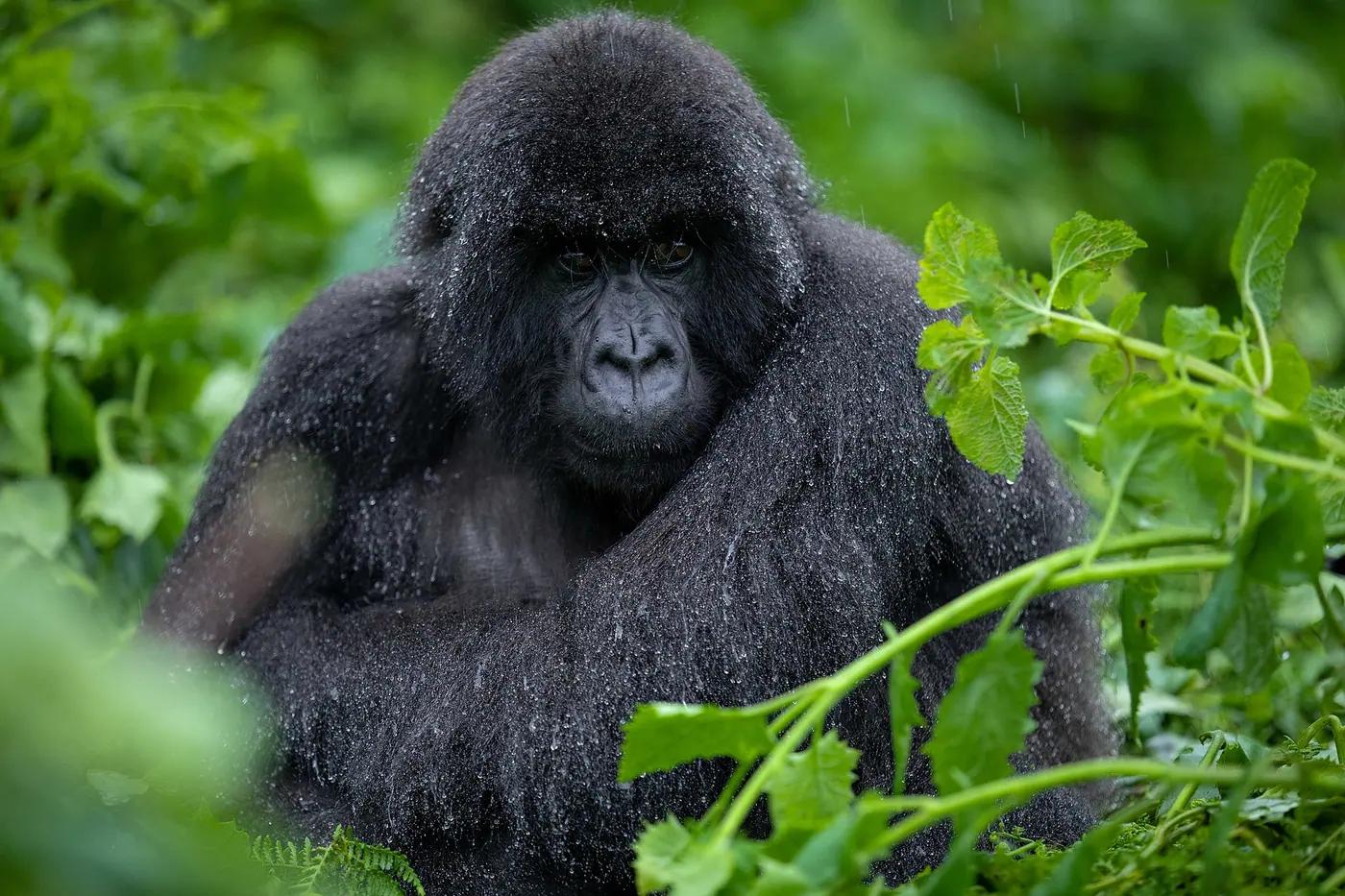
Rwanda packs three very different parks into a country you can cross in a day. Volcanoes National Park on the Virunga slopes has a dozen habituated mountain gorilla families and troops of golden monkeys in the bamboo; Nyungwe Forest in the south-west has chimpanzees, huge colobus troops and a canopy walkway; and Akagera in the east has become a Big Five park again with reintroduced lions and black rhinos alongside hippos, giraffes and crowned cranes.
Rwanda rebuilt its wildlife with intent. Akagera, almost emptied of large animals by the late 1990s, now has lions brought in from South Africa, eastern black rhinos from across Africa and Europe, and growing herds of elephant, buffalo and giraffe on the lake-studded savanna. Volcanoes National Park's gorilla families are the most visited in the world and the permit income has transformed the villages around the park.
The country is small and the roads are good, so gorillas in the morning and Kigali by evening is normal. Add Nyungwe, one of Africa's oldest montane rainforests, for chimpanzees, Ruwenzori colobus in troops of several hundred, and a forest bird list that keeps serious birders busy for days.
Why this location matters
Good location pages explain why the place is worth your time, not just which names belong on a destination checklist.
Rwanda proved that a densely populated country can bring large animals back. Akagera went from poached-out to Big Five in under a decade and the gorilla population in the Virungas has roughly doubled since the 1980s.
The annual Kwita Izina ceremony, where baby gorillas are named in front of thousands of Rwandans, is the clearest sign anywhere in Africa that wildlife has become part of national identity.
Where to look
Wildlife map of Rwanda
This guide covers the region shown below. Zoom in to get your bearings before planning a trip.
Positions are geocoded from OpenStreetMap. Habitat access and opening times change — check locally before travelling.
Animals to spot
These are intentionally practical species picks, balancing accessibility, excitement, and what travelers can realistically notice in the location.
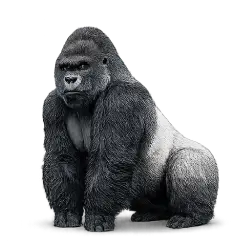
Mountain GorillaA
Volcanoes National Park has about a dozen habituated families on the slopes of Karisimbi, Bisoke and Sabyinyo, where Dian Fossey did her research, with treks starting from Kinigi.
Spotting note: Guaranteed with a permit; hikes range from one to five hours.
Read species guide
ChimpanzeeA
Nyungwe Forest has habituated communities tracked from the Uwinka and Gisakura sides, and a smaller group in Cyamudongo forest.
Spotting note: Good odds at Nyungwe; the chimps move fast through steep forest.
Read species guide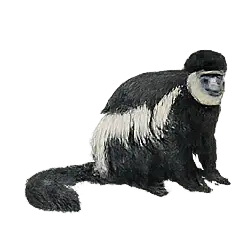
Black-and-white ColobusC
Nyungwe's Ruwenzori colobus, the Angolan form of the black-and-white colobus rather than the guereza of Uganda and Kenya, live in troops of 300 to 400, the largest primate groups in Africa, crashing through the canopy near Gisakura.
Spotting note: Near-certain on the colobus trek at Gisakura.
Read species guide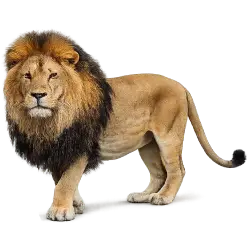
LionB
Reintroduced to Akagera in 2015 after a twenty-year absence, the prides now hunt on the plains around the Kilala and Mutumba hills.
Spotting note: Regular in Akagera, especially on the northern plains.
Read species guide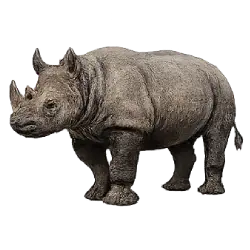
Black RhinocerosA
Eastern black rhinos were returned to Akagera in 2017 and 2019 and now breed in the park's thicket country.
Spotting note: Uncommon; a guide and a full day in the north give the best chance.
Read species guide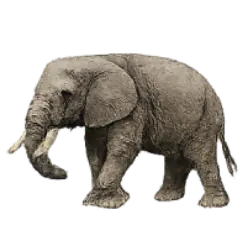
African Bush ElephantS
Akagera's herds feed along the lakeshores and papyrus edges of Lake Ihema and Lake Hago.
Spotting note: Regular around the lakes in Akagera.
Read species guide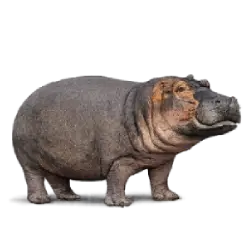
HippopotamusB
Lake Ihema holds one of the densest hippo populations in East Africa, seen from the boat trips that leave the Akagera park headquarters.
Spotting note: Guaranteed on the Lake Ihema boat.
Read species guide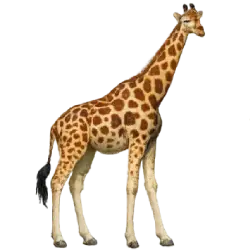
GiraffeB
Masai giraffes introduced from Kenya in the 1980s browse the acacia of central Akagera in growing numbers.
Spotting note: Common in the central and southern park.
Read species guide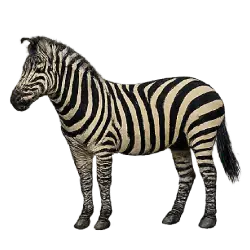
Plains ZebraB
Herds graze the open Mutumba plains in northern Akagera alongside topi and buffalo.
Spotting note: Common in Akagera.
Read species guide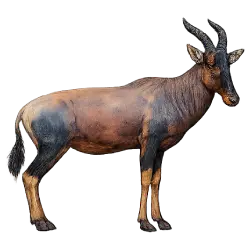
TopiB
Akagera is one of the few places outside the Serengeti ecosystem to see big topi herds, standing on termite mounds as lookouts.
Spotting note: Common on the northern plains.
Read species guide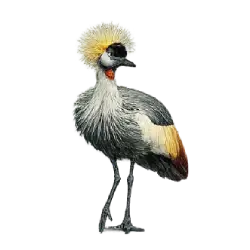
Grey Crowned CraneC
Rwanda's wetlands hold a recovering population after a campaign to free captive cranes; Rugezi marsh and the Akagera lakes are the strongholds.
Spotting note: Regular in Akagera's wetlands and at Rugezi; also in Kigali's Umusambi Village (a rehabilitation centre).
Read species guide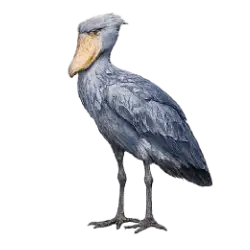
ShoebillB
A handful live in the papyrus swamps along the Akagera river and Lake Ihema, one of the species' southernmost outposts.
Spotting note: Rare; a boat trip with a bird guide is the only realistic chance.
Read species guide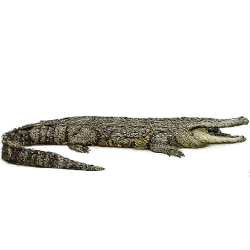
CrocodileC
Nile crocodiles bask on the shores of Lake Ihema and the Akagera river channels.
Spotting note: Common on the Lake Ihema boat trip.
Read species guide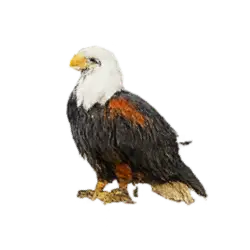
African Fish EagleB
Pairs call from the fig trees along Akagera's lakes and perch above Lake Kivu's shoreline near Gisenyi and Kibuye.
Spotting note: Common on all the lakes.
Read species guideBest for
Use this section to decide whether the location fits your travel style, skill level, and AnimalDex goals.
- Gorilla trekkers who want short transfers and good lodges near the park.
- Travellers combining primates in Nyungwe with a classic savanna safari in Akagera.
- Birders; Nyungwe has over 300 species including 29 Albertine Rift endemics.
- People interested in how a country rebuilds its wildlife and ties it to community benefit.
Spotting tips
These tips are meant to make the page useful in the field, not just readable on the page.
- 01Gorilla permits are limited and expensive; book well ahead and stay in Kinigi or Musanze the night before to make the 7am briefing.
- 02In Nyungwe, do the canopy walkway early for turacos and sunbirds, then the colobus trek at Gisakura in the afternoon.
- 03Akagera is best as a two-night trip; take the Lake Ihema boat at sunset for hippos, crocodiles and fish eagles, and drive the northern plains at dawn for lions.
- 04Golden monkeys in Volcanoes National Park are a separate permit and an easier walk than the gorillas, good for a second day.
Virtual Wildlife Guides
Wildlife guides to Rwanda
AnimalDex builds virtual guides from explorers' own wild sightings: which animals they found, how rare they are, and when. A guide is advice from someone who has been there, not a tour. Buying one unlocks the author's notes for every animal, a chat with the author, and introductions to local people they met. Wildlife is never guaranteed.
Checking for virtual guides to Rwanda...
How to choose a local wildlife guide in Rwanda
- Ask what they usually find in the season you are visiting. A good guide gives an honest answer, not a promised sighting.
- Check how they treat animals: no baiting, calling in, handling, or close flash photography for a better shot.
- Confirm the meeting area, duration, group size, total price, and how you pay before the day, plus any permits or park fees the place requires.
Track the animals you find in Rwanda
Build your collection while you travel through Rwanda, from easy wins to the species worth planning around.
Related tier lists
These tier lists add broader context around the species that make this location interesting.
Rarest Animals in the World
A structured ranking of the rarest animals in the world, blending scarcity, vulnerability, and conservation pressure to answer the overlap between rarest and most endangered wildlife.
Read tier list100 Smartest Animals Ranked
Animal intelligence ranking of 100 smartest animals, using AnimalDex intelligence profiles and a clear note that social skill, tool use, and solitary problem solving are different jobs.
Read tier listRelated locations
Keep exploring with nearby or similar destinations that support the same kind of AnimalDex discovery.
Animals in Uganda: What You Can Spot, Learn, and Collect
Uganda wildlife guide: mountain gorillas in Bwindi, Kibale chimpanzees, shoebills at Mabamba swamp, Murchison Falls hippos and elephants, tree-climbing lions in Ishasha.
Read location guideAnimals in Tanzania: What You Can Spot, Learn, and Collect
A practical Tanzania wildlife guide built around open-country density, famous safari mammals, and the supporting species that make the trip feel biologically complete.
Read location guideAnimals in Kenya: What You Can Spot, Learn, and Collect
A practical Kenya wildlife guide built around open-country species, clean visibility, and the animals that make East African travel feel immediately iconic.
Read location guideLocation FAQ
Short direct answers to the questions travelers usually ask before choosing a wildlife destination or zoo day.
What wildlife is there in Rwanda?
Mountain gorillas and golden monkeys in Volcanoes National Park, chimpanzees and Ruwenzori colobus in Nyungwe Forest, and the Big Five plus hippos, giraffes, zebra, topi and crowned cranes in Akagera National Park. The country lists over 700 bird species.
What animals can be found in Rwanda?
Thirteen primate species headed by the mountain gorilla, reintroduced lions and black rhinos in Akagera, elephants, buffalo, hippos, crocodiles, Masai giraffe and a rich wetland bird fauna including grey crowned cranes and a few shoebills.
How hard is gorilla trekking in Rwanda?
It varies with the family you are assigned. Some groups are an hour from the trailhead through farmland and bamboo; others are four or five hours up steep, muddy slopes at over 3,000 metres. Porters are available and worth hiring.
Can you see the Big Five in Rwanda?
Yes, in Akagera National Park, since lions were reintroduced in 2015 and black rhinos in 2017. Leopards are present but shy, so a full Big Five sighting takes luck and a couple of days.
How do I find a wildlife guide to Rwanda?
Check the Wildlife Guides section on this page or browse Wildlife Guides on AnimalDex. Each one is a virtual guide built from an explorer's own wild sightings around Rwanda: the animals they found, how rare they are, and when. It is advice from someone who has been there, not a tour. If you want someone with you on the day, compare local guides on wildlife knowledge, how they treat animals, and clear pricing before you go.