

Animals in Sabah: What You Can Spot, Learn, and Collect
Sabah wildlife guide: orangutans at Sepilok, proboscis monkeys and pygmy elephants on the Kinabatangan, clouded leopards at Danum Valley and turtles at Sipadan.
Quick answer
Start with the direct answer, then use the sections below to see why the location matters and which animals are actually realistic to spot there.
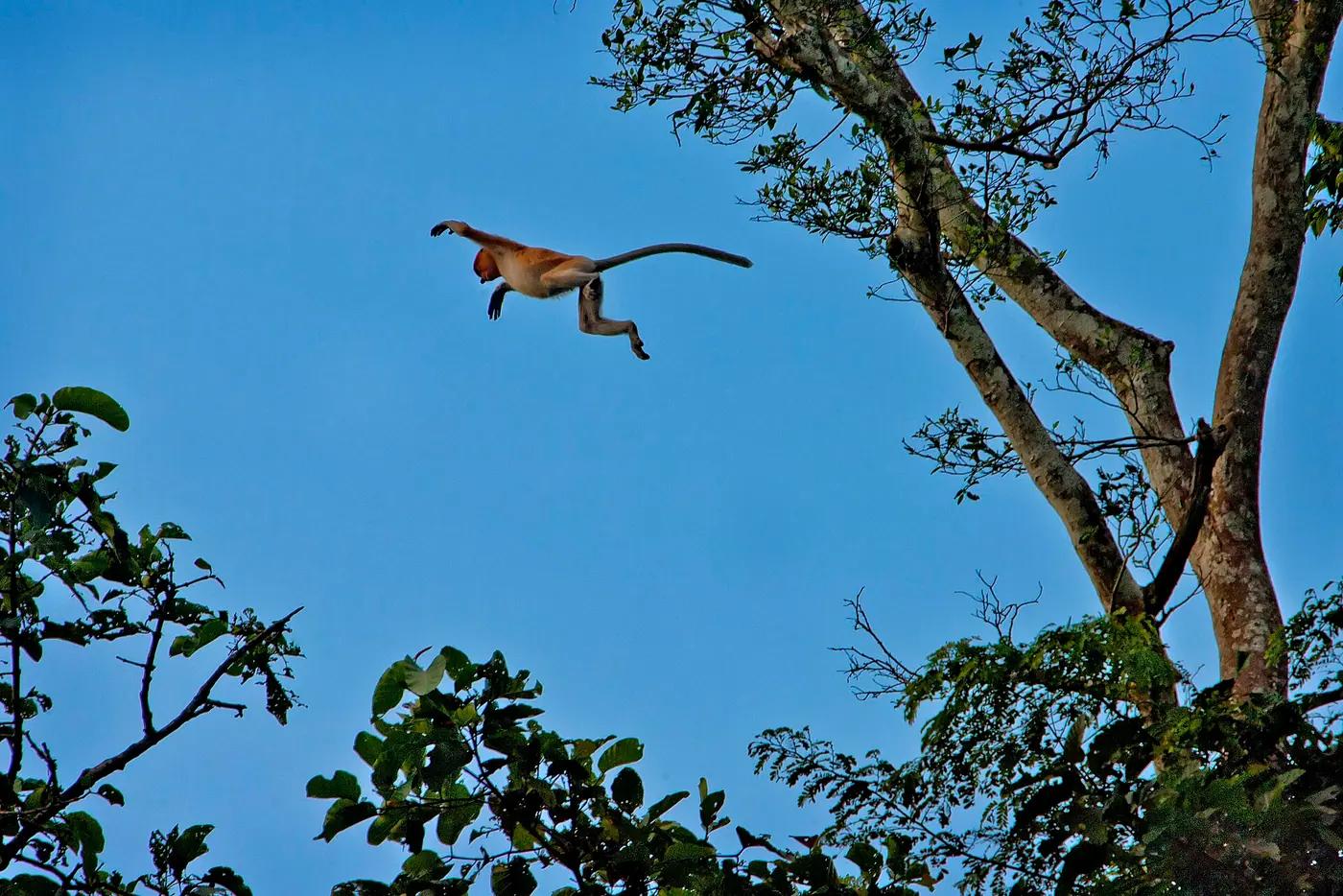
Sabah is the easiest place on Borneo to see the island's big five: orangutans at Sepilok and along the Kinabatangan, proboscis monkeys on every river cruise, Bornean pygmy elephants when the herds reach the water, saltwater crocodiles on the mudbanks and eight hornbill species overhead. Danum Valley adds clouded leopards, bearded pigs and bristleheads, and Sipadan has green turtles on every dive.
Sabah packs Borneo's wildlife into a corridor a few hours' drive from Sandakan. Sepilok's orangutan and sun bear centres sit at one end, the Kinabatangan's oxbow lakes and riverside lodges in the middle, and the Danum Valley and Tabin reserves beyond, where the forest is still tall enough for clouded leopards.
This is a boat-and-lodge destination rather than a hiking one. The river does the work: primates come down to roost at dusk, elephants come to drink, crocodiles haul out on the mud, and the lodges run the dawn and night cruises that make the sightings routine.
Start with these animals
Why this location matters
Good location pages explain why the place is worth your time, not just which names belong on a destination checklist.
The Kinabatangan is a wildlife corridor by default, a strip of forest between oil-palm estates that holds animals because they have nowhere else to go. That concentration is why sightings are so good and why the corridor's survival is a live question.
Sabah is also where Borneo's rarest cats and the last Bornean elephants, estimated at around 1,500, can be watched by ordinary travellers. Logging a pygmy elephant or a flat-headed cat here is a real contribution to how little is known about both.
Where to look
Wildlife map of Sabah
This guide covers the region shown below. Zoom in to get your bearings before planning a trip.
Positions are geocoded from OpenStreetMap. Habitat access and opening times change — check locally before travelling. Smaller pins are public AnimalDex captures, placed to the nearest kilometre.
Field proof
Found in Sabah by AnimalDex users
Real captures logged in the AnimalDex app inside this area and shared publicly by their collectors, with the animal confirmed by the app's identification. Places are shown to the nearest region, never the exact spot.
- 6
- public captures
- 5
- species recorded
- 3
- collectors
- 6
- wild sightings
Recent captures from the field
Species people have actually logged here
Every name links to its species guide. The count is how many public captures of that animal sit inside this area.
Collectors choose to share these captures on Discover and can withdraw them at any time. Coordinates are rounded to about a kilometre and refreshed with each site build.
Animals to spot
These are intentionally practical species picks, balancing accessibility, excitement, and what travelers can realistically notice in the location.
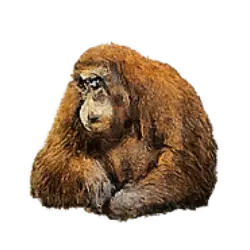
Bornean OrangutanA
Sepilok rehabilitates orphans and releases them into the Kabili-Sepilok reserve, and wild orangutans build night nests in the trees above the lower Kinabatangan.
Spotting note: Guaranteed at Sepilok's 10 am and 3 pm feedings; wild nests on most river trips, animals on about half.
Read species guide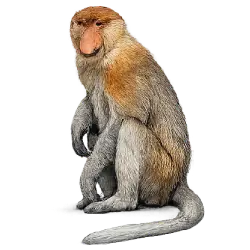
Proboscis MonkeyB
Troops gather in riverside trees every evening between Sukau and Bilit, and the Labuk Bay sanctuary near Sandakan has habituated groups at feeding platforms.
Spotting note: Reliable on any dusk cruise; near-certain at Labuk Bay.
Read species guide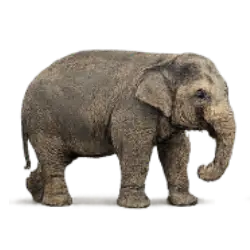
Bornean Pygmy ElephantA
Herds of 20 to 50 move along the Kinabatangan and through Tabin, feeding on riverside grass where boats can watch them for an hour at a time.
Spotting note: Seasonal and mobile; ask the lodge where the herd was yesterday.
Read species guide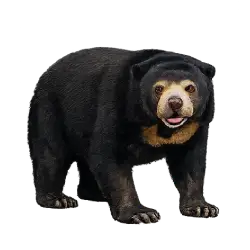
Sun BearB
The Bornean Sun Bear Conservation Centre next to Sepilok rehabilitates rescued bears in forested enclosures viewed from a canopy walkway.
Spotting note: Guaranteed at the centre; wild bears at Danum are rare but leave fresh claw marks.
Read species guide
Sunda Clouded LeopardA
Danum Valley and the Deramakot forest reserve are the most reliable places in the world to see Borneo's big cat on night drives.
Spotting note: Rare; a five-night Deramakot trip gives a realistic chance.
Read species guide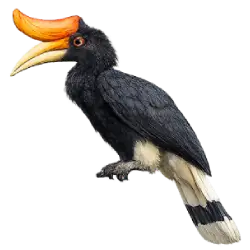
Rhinoceros HornbillB
Pairs commute over the Kinabatangan and perch above the Danum canopy walkway, the loudest of the eight hornbills in the state.
Spotting note: Common on the river and at Danum.
Read species guide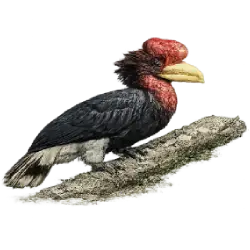
Helmeted HornbillB
The critically endangered 'ivory' hornbill still laughs its maniacal call over Danum Valley and the Maliau Basin.
Spotting note: Rare and heard more than seen; Danum is the best chance.
Read species guide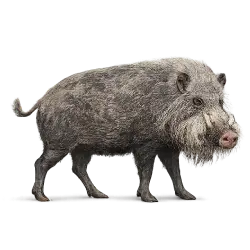
Bornean Bearded PigC
Wanders the lodge grounds at Danum and Tabin and roots along the Kinabatangan banks, bristled and unbothered by people.
Spotting note: Regular at Danum lodges and on Tabin's roads.
Read species guide Saltwater CrocodileA
Big crocodiles haul out on Kinabatangan mudbanks and drift past the boats at eye level; the river has one of Borneo's densest populations.
Spotting note: Seen on most cruises; never swim or wade.
Read species guide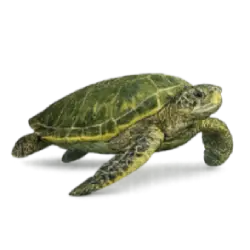
Green Sea TurtleC
Sipadan's reef has turtles on every dive and snorkel, and Selingan in the Turtle Islands Park lets visitors watch nesting and hatchling releases most nights.
Spotting note: Guaranteed at Sipadan; nightly on Selingan in season.
Read species guide
Flat-headed CatC
A small fishing cat of swamp forest that night-cruise boats on the Kinabatangan and Menanggul tributary pick up by eyeshine on the bank.
Spotting note: Rare; the Kinabatangan is the single best place on Earth to try.
Read species guide
Bornean Slow LorisD
Night walks at Danum and Sepilok's Rainforest Discovery Centre find lorises by the orange eyeshine in mid-canopy vines.
Spotting note: Uncommon but regular with a good guide and torch.
Read species guide
Bornean BristleheadC
Borneo's strangest endemic bird, a red-headed crow-like oddity in its own family, roams the canopy at Danum and the Sepilok discovery centre's towers.
Spotting note: Uncommon; the RDC canopy towers at dawn are the easiest shot.
Read species guide
Long-tailed MacaqueC
The common riverside monkey of the Kinabatangan, moving in big troops along the banks and raiding lodge kitchens.
Spotting note: Guaranteed on every cruise.
Read species guideBest for
Use this section to decide whether the location fits your travel style, skill level, and AnimalDex goals.
- First-time Borneo visitors who want orangutans, proboscis monkeys and elephants in one week
- Divers and snorkelers heading to Sipadan and Mabul for turtles and reef life
- Night-safari fans chasing clouded leopards and small cats at Deramakot and Danum
- Families: Sepilok, Labuk Bay and the river lodges work for all ages
Spotting tips
These tips are meant to make the page useful in the field, not just readable on the page.
- 01Stay two nights on the Kinabatangan and take every cruise offered: dawn, dusk and the night boat. Primates come at dusk, elephants and crocodiles at any hour, cats only at night.
- 02At Sepilok, arrive before the 10 am feeding and walk the boardwalk to the outdoor nursery afterwards; the youngsters are more active there than at the platform.
- 03Book Deramakot or Danum's night drives for cats, and sit on the side of the vehicle facing the forest edge rather than the road.
- 04Climb the Rainforest Discovery Centre canopy towers at Sepilok at 6 am for hornbills, bristleheads and flying squirrels before the heat sets in.
Virtual Wildlife Guides
Wildlife guides to Sabah
AnimalDex builds virtual guides from explorers' own wild sightings: which animals they found, how rare they are, and when. A guide is advice from someone who has been there, not a tour. Buying one unlocks the author's notes for every animal, a chat with the author, and introductions to local people they met. Wildlife is never guaranteed.
Checking for virtual guides to Sabah...
How to choose a local wildlife guide in Sabah
- Ask what they usually find in the season you are visiting. A good guide gives an honest answer, not a promised sighting.
- Check how they treat animals: no baiting, calling in, handling, or close flash photography for a better shot.
- Confirm the meeting area, duration, group size, total price, and how you pay before the day, plus any permits or park fees the place requires.
Track the animals you find in Sabah
Build your collection while you travel through Sabah, from easy wins to the species worth planning around.
Related tier lists
These tier lists add broader context around the species that make this location interesting.
Rarest Animals in the World
A structured ranking of the rarest animals in the world, blending scarcity, vulnerability, and conservation pressure to answer the overlap between rarest and most endangered wildlife.
Read tier list100 Smartest Animals Ranked
Animal intelligence ranking of 100 smartest animals, using AnimalDex intelligence profiles and a clear note that social skill, tool use, and solitary problem solving are different jobs.
Read tier listRelated locations
Keep exploring with nearby or similar destinations that support the same kind of AnimalDex discovery.
Animals in Borneo: What You Can Spot and Why the Region Matters
A structured Borneo wildlife guide focused on realistic rainforest, river, and sanctuary-linked spotting with strong links into species pages and broader AnimalDex discovery.
Read location guideAnimals in Malaysia: What You Can Spot, Learn, and Collect
Malaysia wildlife guide: Malayan tigers and tapirs in Taman Negara, orangutans and proboscis monkeys in Sabah, hornbills at Belum, plus everyday macaques and monitors.
Read location guideAnimals in Indonesia: What You Can Spot, Learn, and Collect
A practical guide to animals in Indonesia, from accessible birds and coastal wildlife to headline species that make the country one of the world's strongest wildlife-travel destinations.
Read location guideLocation FAQ
Short direct answers to the questions travelers usually ask before choosing a wildlife destination or zoo day.
What wildlife is there in Sabah?
Bornean orangutans, proboscis monkeys, pygmy elephants, sun bears, clouded leopards, bearded pigs, saltwater crocodiles, eight hornbill species and slow lorises on land, with green turtles, reef sharks and barracuda at Sipadan. The Kinabatangan River and Sepilok are the two places most visitors see them.
What animals can be found in Sabah?
Around 200 mammals including orangutan, pygmy elephant, proboscis monkey, red leaf monkey, gibbon, clouded leopard, flat-headed cat and bearded pig; roughly 500 birds including rhinoceros, helmeted and wrinkled hornbills and the Bornean bristlehead; crocodiles, monitors and sea turtles. Macaques and crocodiles are the everyday sightings.
Where is the best place to see orangutans in Sabah?
Sepilok for guaranteed close views of rehabilitated animals at feeding times, and the Kinabatangan or Danum Valley for wild ones. Danum has the highest wild density; the Kinabatangan is cheaper and easier.
When is the best time to visit Sabah for wildlife?
March to October is drier and better for river travel and diving. Elephants on the Kinabatangan are seen in every month but move unpredictably, so ask lodges for recent sightings before choosing between Sukau and Bilit.
Have AnimalDex users found animals in Sabah?
Yes. AnimalDex users have publicly logged 6 captures of 5 different species in Sabah, including daddy long-legs spider, cabbage cluster moth, eurasian tree sparrow, malayan box turtle. Each one was photographed in the app at the moment of the sighting.
How do I find a wildlife guide to Sabah?
Check the Wildlife Guides section on this page or browse Wildlife Guides on AnimalDex. Each one is a virtual guide built from an explorer's own wild sightings around Sabah: the animals they found, how rare they are, and when. It is advice from someone who has been there, not a tour. If you want someone with you on the day, compare local guides on wildlife knowledge, how they treat animals, and clear pricing before you go.