

Animals in Malaysia: What You Can Spot, Learn, and Collect
Malaysia wildlife guide: Malayan tigers and tapirs in Taman Negara, orangutans and proboscis monkeys in Sabah, hornbills at Belum, plus everyday macaques and monitors.
Quick answer
Start with the direct answer, then use the sections below to see why the location matters and which animals are actually realistic to spot there.
Malaysia splits into two very different wildlife countries. The Peninsula has Malayan tigers, tapirs, elephants and ten hornbill species in Taman Negara and Belum-Temengor, while Sabah and Sarawak on Borneo hold orangutans, proboscis monkeys and pygmy elephants along the Kinabatangan. Everywhere in between, long-tailed macaques, water monitors, dragonflies and crickets are the animals people actually photograph day to day.
Malaysia is one of the few countries where a two-week trip can include a 130-million-year-old rainforest, a river full of wild primates and a coral reef with nesting turtles, all on domestic flights. The Peninsula and Malaysian Borneo share a language and a currency but almost nothing in their megafauna, which is why this page points you to the right half for each animal.
AnimalDex users in Malaysia log more wild captures than in any other Southeast Asian country, and most of them come from ordinary places: paddies in Terengganu, kampung gardens in Kelantan, a monsoon drain in Selangor. Crickets, skimmer dragonflies, orb-weavers and porcupines fill the real list long before anyone meets a tiger.
Start with these animals
Why this location matters
Good location pages explain why the place is worth your time, not just which names belong on a destination checklist.
The Peninsula's forests are some of the oldest on Earth and still connected enough for tigers and tapirs to move through them, though the Malayan tiger is down to an estimated 150 animals. Seeing one is close to impossible; supporting the parks that protect them is not.
Borneo's lowland forest has been cut back to river corridors and reserves, and those corridors are exactly where visitors go. A boat on the Kinabatangan at dusk is a genuine wildlife safari, and every logged sighting of an orangutan or elephant there adds to the case for keeping the corridor intact.
Where to look
Wildlife map of Malaysia
This guide covers the region shown below. Zoom in to get your bearings before planning a trip.
Positions are geocoded from OpenStreetMap. Habitat access and opening times change — check locally before travelling. Smaller pins are public AnimalDex captures, placed to the nearest kilometre.
Field proof
Found in Malaysia by AnimalDex users
Real captures logged in the AnimalDex app inside this area and shared publicly by their collectors, with the animal confirmed by the app's identification. Places are shown to the nearest region, never the exact spot.
- 190
- public captures
- 127
- species recorded
- 20
- collectors
- 177
- wild sightings
Recent captures from the field
Species people have actually logged here
Every name links to its species guide. The count is how many public captures of that animal sit inside this area.
- House Fly6 captures
- Mosquito6 captures
- Two-spotted Cricket5 captures
- Cockroach4 captures
- Daddy Long-Legs Spider4 captures
- Slender Skimmer4 captures
- Snail4 captures
- Asian Common Toad3 captures
- Black Planthopper3 captures
- Eurasian Tree Sparrow3 captures
- Long-tailed Macaque3 captures
- Malayan Porcupine3 captures
- Orb-weaver Spider3 captures
- Potato Leafhopper3 captures
- Rice Grasshopper3 captures
- Tobacco Grasshopper3 captures
- Carolina Wolf Spider2 captures
- Carpenter Ant2 captures
- Common House Gecko2 captures
- Crane Fly2 captures
- Dung Beetle2 captures
- Flower Crab Spider2 captures
- Fruit Fly2 captures
- Geometer Moth2 captures
- Indian Earthworm2 captures
- Ladybird Beetle2 captures
- Long-legged Fly2 captures
- Patagonian Mara2 captures
- Sambar Deer2 captures
- Shield & Stink Bug2 captures
- Stalk-eyed Fly2 captures
- Stick Insect2 captures
- Tropical Leatherleaf Slug2 captures
- Water Monitor2 captures
- Water Strider2 captures
- Asian Honey Bee1 capture
- Asian Palm Civet1 capture
- Asian Tramp Snail1 capture
- Asian Weaver Ant1 capture
- Asiatic Rhinoceros Beetle1 capture
Collectors choose to share these captures on Discover and can withdraw them at any time. Coordinates are rounded to about a kilometre and refreshed with each site build.
Animals to spot
These are intentionally practical species picks, balancing accessibility, excitement, and what travelers can realistically notice in the location.
Malayan TigerS
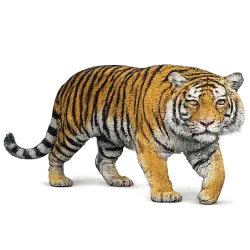
Malaysia's national animal and the Peninsula's own subspecies, holding on in Taman Negara, Belum-Temengor and the Kenyir forests with a wild population estimated at around 150.
Spotting note: Wild sightings are a once-a-decade event even for rangers; Zoo Negara in Kuala Lumpur is the realistic option.
Read species guide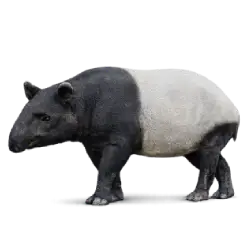
Malayan TapirB
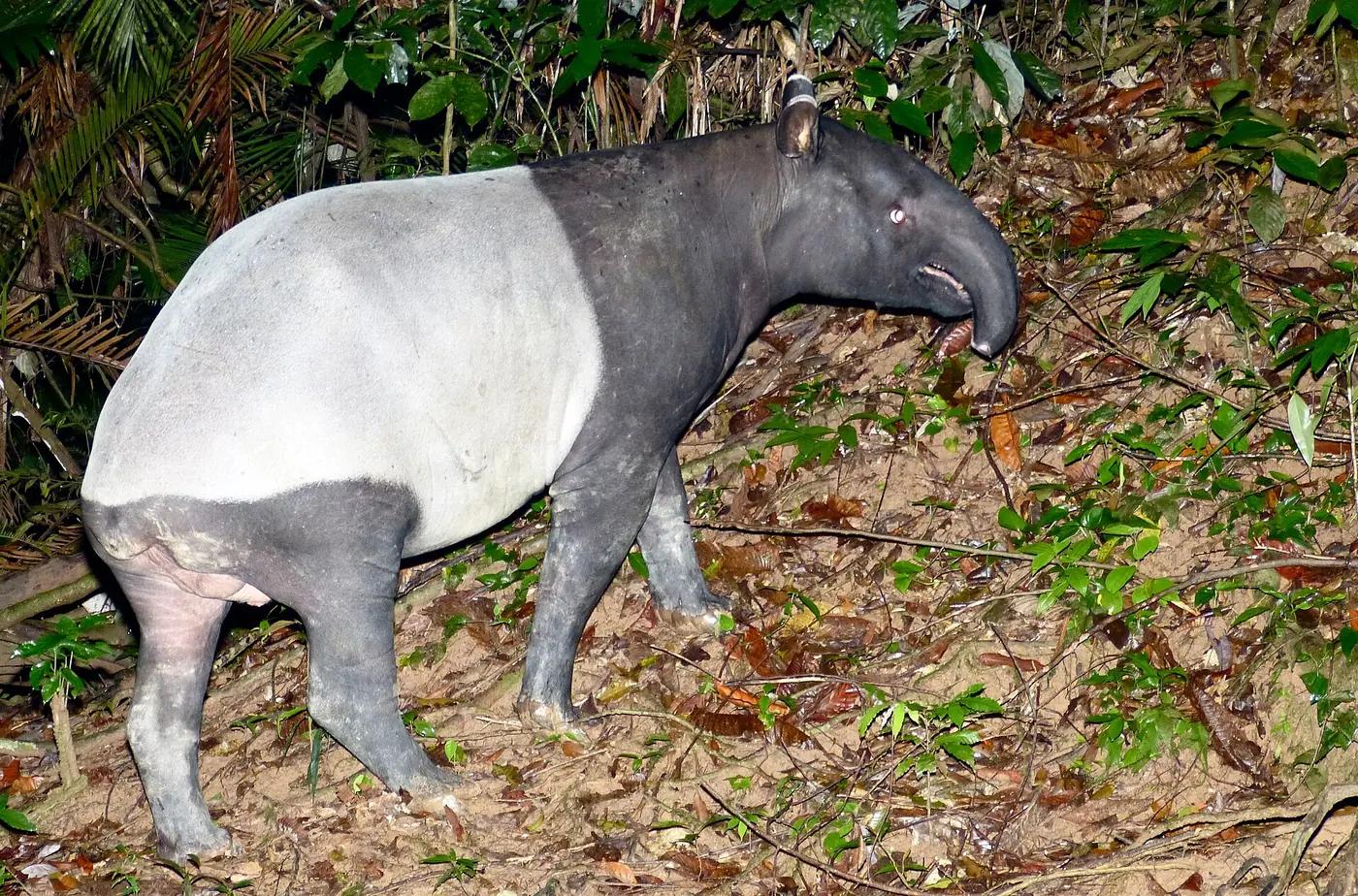
The black-and-white tapir walks Taman Negara's salt licks at night and turns up on the roads around Kenyir and Kuala Gandah far more often than its size suggests.
Spotting note: Uncommon but realistic at the Tahan and Kumbang hides on a multi-night stay.
Read species guide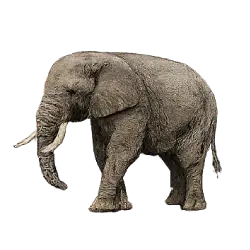
Asian ElephantA
Peninsular herds move through Belum-Temengor, Kenyir and the Gua Musang forests, and the Kuala Gandah conservation centre in Pahang handles translocated animals.
Spotting note: Regular along the Gerik-Jeli highway at dawn; guaranteed at Kuala Gandah.
Read species guide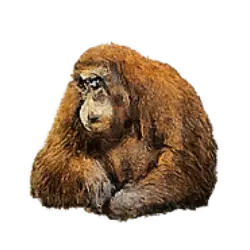
Bornean OrangutanA
Sabah's Sepilok centre releases rehabilitated orangutans into the surrounding reserve, and wild ones feed in fig trees along the lower Kinabatangan.
Spotting note: Near-certain at Sepilok feeding times; wild sightings on roughly half of Kinabatangan cruises.
Read species guide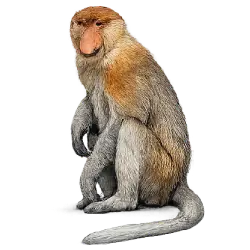
Proboscis MonkeyB
Found only on Borneo, and the Kinabatangan and Labuk Bay in Sabah are the two easiest places on the whole island to watch big-nosed males lead troops to riverside roost trees.
Spotting note: Reliable on any evening river cruise from Sukau or Bilit.
Read species guide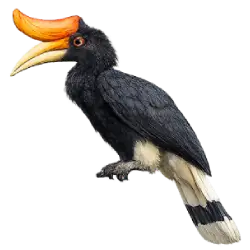
Rhinoceros HornbillB
Sarawak's state bird and a constant presence over Taman Negara, Belum and Kenyir, where the whoosh of its wings carries across the water before the bird appears.
Spotting note: Common in the big Peninsular parks; listen for the barking call at dawn.
Read species guide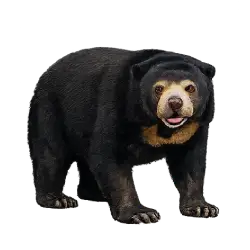
Sun BearB
The world's smallest bear is rescued and rehabilitated at the Bornean Sun Bear Conservation Centre beside Sepilok, with wild bears leaving claw marks on trees across Danum and Taman Negara.
Spotting note: Guaranteed at the Sepilok centre; wild claw marks are easier to find than the bear.
Read species guide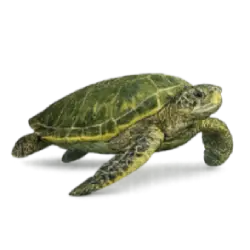
Green Sea TurtleC
Nests on Redang and Perhentian in Terengganu and on Selingan in Sabah's Turtle Islands, where rangers release hatchlings most nights of the season.
Spotting note: Nightly on Selingan from May to September; snorkelers see adults off Redang year-round.
Read species guide
Long-tailed MacaqueC
The monkey of every Malaysian car park, temple stair and beach, from Batu Caves to the Perhentian jetty, and the most-logged mammal in the country.
Spotting note: Guaranteed; hold onto bags and food.
Read species guide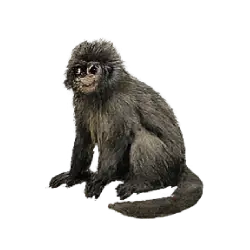
Dusky Leaf MonkeyC
The spectacled langur lives in roadside and hill forest on Penang, Langkawi and the Kuala Lumpur fringe, far gentler than the macaques it shares trees with.
Spotting note: Regular at Penang Hill, Bukit Nanas and Fraser's Hill; look up early in the morning.
Read species guide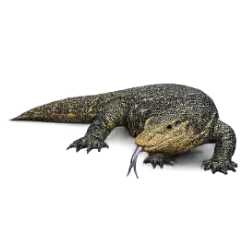
Water MonitorC
Two-metre monitors patrol monsoon drains, mangrove edges and lake margins in every state, and users log them from Perak to Sabah.
Spotting note: Very common near any water with a bank to bask on.
Read species guide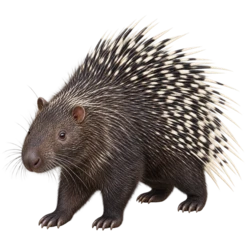
Malayan PorcupineD
One of the most frequently logged wild mammals in Malaysia, caught by users on kampung edges in Kelantan where it raids tapioca and fruit at night.
Spotting note: Nocturnal and common; quills on a trail are a sure sign.
Read species guide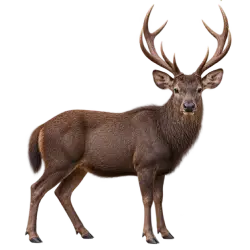
Sambar DeerB
Malaysia's largest deer stands at salt licks in Taman Negara and wanders the forest-edge farmland of Kelantan, where users have photographed it in the open.
Spotting note: Regular at the Kumbang hide; shy elsewhere.
Read species guide Slender SkimmerE
The pale green dragonfly over every flooded paddy and drain, and the most-captured insect in the Malaysian database after the house fly.
Spotting note: Abundant wherever water stands in the sun.
Read species guideBest for
Use this section to decide whether the location fits your travel style, skill level, and AnimalDex goals.
- Travelers who want rainforest megafauna and reef life in the same trip
- Families: hides, boardwalks and feeding-time centres make big animals accessible
- Birders chasing hornbills, pittas and broadbills in Taman Negara and Belum
- Collectors who like a long insect list: paddies and kampung gardens are full
Spotting tips
These tips are meant to make the page useful in the field, not just readable on the page.
- 01Pick one half of the country per trip. Tigers, tapirs and ten hornbill species are Peninsular; orangutans, proboscis monkeys and pygmy elephants are Bornean.
- 02Book a night in a Taman Negara hide (Kumbang or Tahan) rather than a day trip; tapir, sambar and porcupine all come to the salt licks after dark.
- 03On the Kinabatangan, take the dawn and dusk cruises and skip the midday one; primates and hornbills move to the riverside only in the cool hours.
- 04Turn over the paddy edges. Skimmers, rice grasshoppers, crickets and orb-weavers make up most of what Malaysian users capture, and they are everywhere between October and February.
Virtual Wildlife Guides
Wildlife guides to Malaysia
AnimalDex builds virtual guides from explorers' own wild sightings: which animals they found, how rare they are, and when. A guide is advice from someone who has been there, not a tour. Buying one unlocks the author's notes for every animal, a chat with the author, and introductions to local people they met. Wildlife is never guaranteed.
Checking for virtual guides to Malaysia...
How to choose a local wildlife guide in Malaysia
- Ask what they usually find in the season you are visiting. A good guide gives an honest answer, not a promised sighting.
- Check how they treat animals: no baiting, calling in, handling, or close flash photography for a better shot.
- Confirm the meeting area, duration, group size, total price, and how you pay before the day, plus any permits or park fees the place requires.
Track the animals you find in Malaysia
Build your collection while you travel through Malaysia, from easy wins to the species worth planning around.
Related tier lists
These tier lists add broader context around the species that make this location interesting.
Rarest Animals in the World
A structured ranking of the rarest animals in the world, blending scarcity, vulnerability, and conservation pressure to answer the overlap between rarest and most endangered wildlife.
Read tier listBiggest Animals in the World
A structured ranking of the biggest animals in the world, using the AnimalDex size stat to compare body scale across sea, land, and air.
Read tier listRelated locations
Keep exploring with nearby or similar destinations that support the same kind of AnimalDex discovery.
Animals in Terengganu: What You Can Spot, Learn, and Collect
What lives in Terengganu: elephants and hornbills at Kenyir Lake, green turtles on Redang and Perhentian, reef sharks, Setiu wetland monitors and paddy-field insects.
Read location guideAnimals in Sabah: What You Can Spot, Learn, and Collect
Sabah wildlife guide: orangutans at Sepilok, proboscis monkeys and pygmy elephants on the Kinabatangan, clouded leopards at Danum Valley and turtles at Sipadan.
Read location guideAnimals in Kuala Lumpur: What You Can Spot, Learn, and Collect
Wildlife in Kuala Lumpur: macaques at Batu Caves, dusky leaf monkeys under the KL Tower, colugos at FRIM, monitors in the Lake Gardens and Zoo Negara's tigers.
Read location guideLocation FAQ
Short direct answers to the questions travelers usually ask before choosing a wildlife destination or zoo day.
What wildlife is there in Malaysia?
Malayan tigers, tapirs, Asian elephants, sun bears, gibbons and ten hornbill species on the Peninsula; orangutans, proboscis monkeys, pygmy elephants and clouded leopards in Sabah and Sarawak; sea turtles and reef sharks off Terengganu and Sipadan. Macaques, water monitors, porcupines and a huge insect fauna fill out every day in between.
What animals can be found in Malaysia?
Roughly 300 mammal species, 700 birds and 250 reptiles. The ones visitors actually see most are long-tailed macaques, water monitors, dusky leaf monkeys, hornbills, flying foxes and dragonflies, with orangutans and proboscis monkeys reliable on the Kinabatangan and elephants regular around Kenyir and Belum.
Where is the best place to see wildlife in Malaysia?
The Kinabatangan River in Sabah for primates and elephants from a boat, Taman Negara for Peninsular forest animals at the hides, and Sepilok for orangutans and sun bears up close. Add Redang or the Perhentians for turtles if you have beach days.
Is it safe to see wild animals in Malaysia?
Yes with ordinary care. Macaques bite when fed, so keep food packed away; saltwater crocodiles live in Sabah's rivers, so never swim in the Kinabatangan; and dengue is the real risk, so use repellent at dawn and dusk.
Have AnimalDex users found animals in Malaysia?
Yes. AnimalDex users have publicly logged 190 captures of 127 different species in Malaysia, including house fly, mosquito, two-spotted cricket, cockroach. Each one was photographed in the app at the moment of the sighting.
How do I find a wildlife guide to Malaysia?
Check the Wildlife Guides section on this page or browse Wildlife Guides on AnimalDex. Each one is a virtual guide built from an explorer's own wild sightings around Malaysia: the animals they found, how rare they are, and when. It is advice from someone who has been there, not a tour. If you want someone with you on the day, compare local guides on wildlife knowledge, how they treat animals, and clear pricing before you go.