

Animals in Tangkoko Nature Reserve: What You Can Spot, Learn, and Collect
Tangkoko guide: spectral tarsiers at dusk, Celebes crested macaques in the beach forest, knobbed hornbills in the figs, flying dragons and pythons.
Quick answer
Start with the direct answer, then use the sections below to see why the location matters and which animals are actually realistic to spot there.
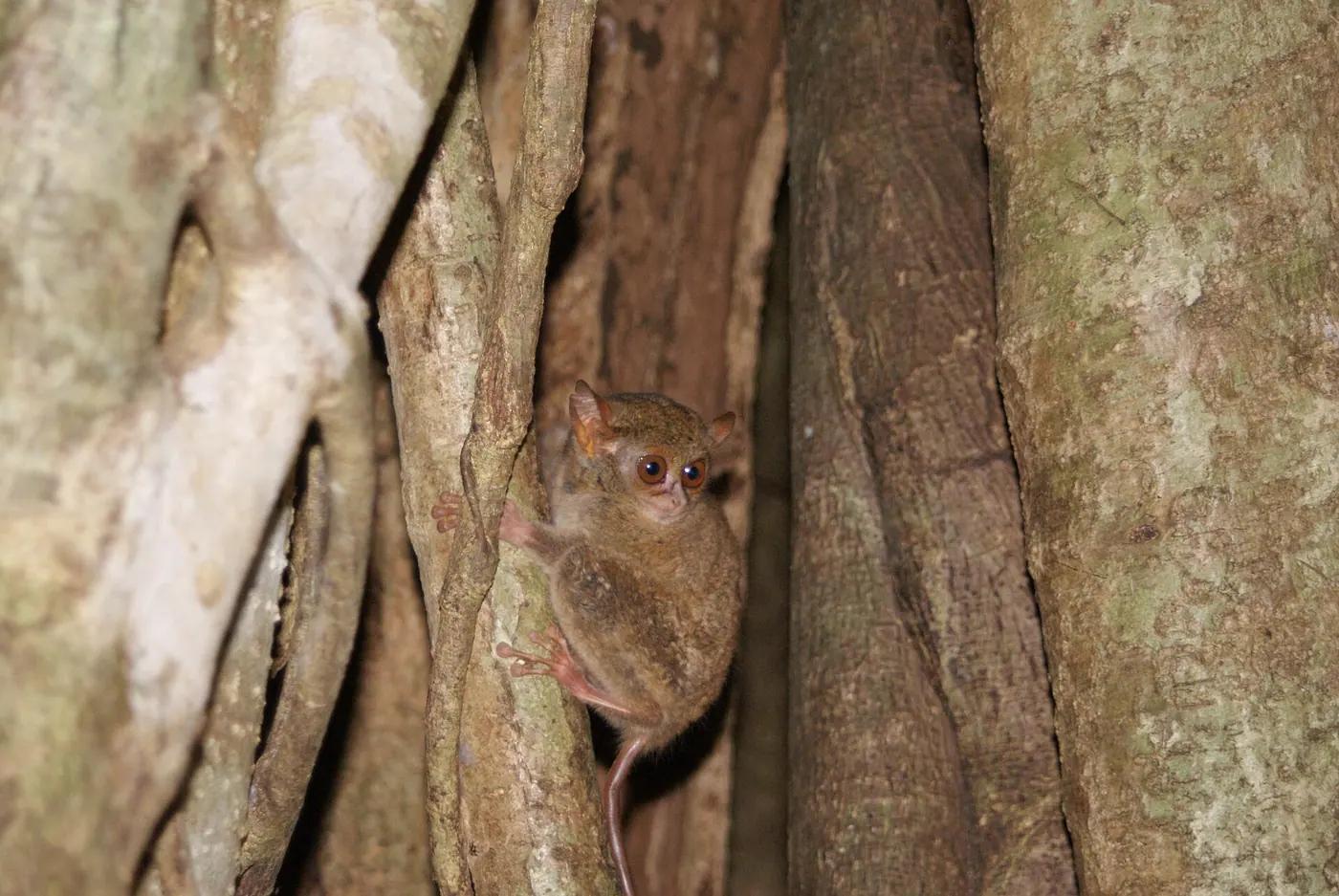
Tangkoko is where Sulawesi's endemics are easiest. Spectral tarsiers emerge from strangler-fig roosts at dusk a short walk from the gate, troops of Celebes crested macaques forage along the beach forest at dawn, and knobbed hornbills feed in the fig trees overhead. Flying dragons, water monitors, reticulated pythons, sea eagles and a wealth of insects fill in the rest of a very productive day.
The reserve covers the lowland forest between the dormant Tangkoko volcano and a black-sand beach on the Molucca Sea, less than two hours from Manado. It is small, flat and crossed by well-kept trails, which is why it has become the standard place to see the animals that make Sulawesi different from the rest of Indonesia.
Two sessions make a visit: a dawn walk with the macaques, and a dusk vigil at a tarsier tree. Both are led by local rangers from Batu Putih village, and both work almost every day of the year.
Why this location matters
Good location pages explain why the place is worth your time, not just which names belong on a destination checklist.
Tangkoko's crested macaques are the best-studied and best-protected population of a critically endangered primate, and the troops are habituated enough that you can sit among them without changing their behaviour.
Alfred Russel Wallace collected here in 1859, and the reserve still shows the faunal break he described: the macaques and hornbills are Asian in origin, the cuscus is a marsupial from the Australian side, and none of them live on Java.
Where to look
Wildlife map of Tangkoko Nature Reserve
This guide covers the region shown below. Zoom in to get your bearings before planning a trip.
Positions are geocoded from OpenStreetMap. Habitat access and opening times change — check locally before travelling. Smaller pins are public AnimalDex captures, placed to the nearest kilometre.
Field proof
Found in Tangkoko Nature Reserve by AnimalDex users
Real captures logged in the AnimalDex app inside this area and shared publicly by their collectors, with the animal confirmed by the app's identification. Places are shown to the nearest region, never the exact spot.
- 3
- public captures
- 3
- species recorded
- 1
- collectors
- 3
- wild sightings
Recent captures from the field
Species people have actually logged here
Every name links to its species guide. The count is how many public captures of that animal sit inside this area.
Collectors choose to share these captures on Discover and can withdraw them at any time. Coordinates are rounded to about a kilometre and refreshed with each site build.
Animals to spot
These are intentionally practical species picks, balancing accessibility, excitement, and what travelers can realistically notice in the location.
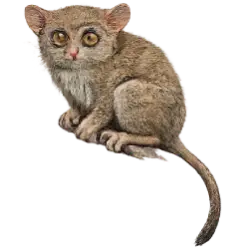
Spectral TarsierD
Family groups roost in the hollows of strangler figs near the main trail and emerge at dusk with high-pitched duets.
Spotting note: Near-guaranteed with a ranger at a known roost; be in place by 17:30.
Read species guide
Celebes Crested MacaqueB
Troops of up to a hundred forage along the beach forest and the Batu Putih trail every morning, grooming and fighting at close range.
Spotting note: Very likely on a dawn walk.
Read species guide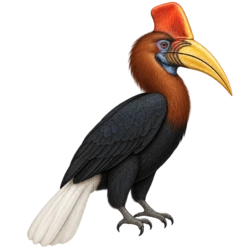
Knobbed HornbillC
Feeds in the big fruiting figs along the main trail and nests in tree cavities the rangers monitor.
Spotting note: Regular; heard crashing into the canopy.
Read species guide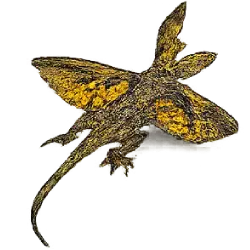
Flying DragonD
Draco lizards glide between trunks along the sunlit trail edges, flashing orange dewlaps.
Spotting note: Common on sunny mornings if you watch tree trunks at eye level.
Read species guide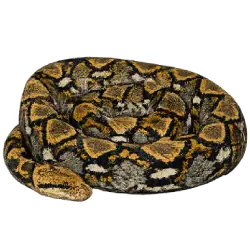
Reticulated PythonB
Big pythons hunt the forest floor and the stream edges and are met occasionally on night walks.
Spotting note: Uncommon; a real possibility after dark.
Read species guide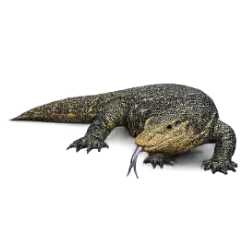
Water MonitorC
Patrols the stream that runs to the beach and basks on the black sand at midday.
Spotting note: Regular around the stream mouth.
Read species guide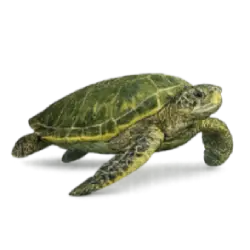
Green Sea TurtleC
Surfaces off the reserve's beach and occasionally nests on the black sand.
Spotting note: Occasional from the shore; nesting is rare.
Read species guide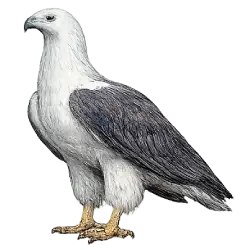
White-bellied Sea EagleB
Patrols the shoreline below the volcano and perches on dead trees at the forest edge.
Spotting note: Regular along the coast.
Read species guide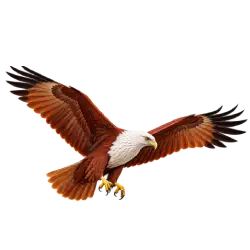
Brahminy KiteD
Hunts the beach and the Batu Putih fishing boats for scraps.
Spotting note: Common.
Read species guide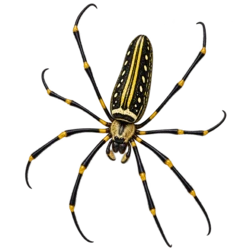
Giant Golden Orb-weaverE
Strings huge golden webs across trail gaps; walk with a stick in front of your face.
Spotting note: Abundant, especially in the wet season.
Read species guide
Stick InsectE
Found on night walks on shrubs along the trail, where torches catch them moving.
Spotting note: Common after dark with a torch.
Read species guide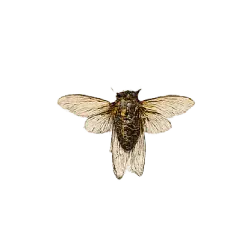
CicadaE
The reserve's dusk soundtrack, deafening in the half hour before the tarsiers emerge.
Spotting note: Heard every evening.
Read species guide
Asian Weaver AntE
Leaf nests in the beach-edge trees and the village fruit trees; a logged user capture in the province.
Spotting note: Abundant.
Read species guideBest for
Use this section to decide whether the location fits your travel style, skill level, and AnimalDex goals.
- Tarsiers at dusk a short walk from the gate
- Sitting with habituated crested macaques
- Sulawesi's endemic hornbill
- Night walks for reptiles and insects
Spotting tips
These tips are meant to make the page useful in the field, not just readable on the page.
- 01Sleep in Batu Putih; the macaque walk starts at 05:30 and the tarsier roost needs you in place before 17:30.
- 02Keep two metres from the macaques and do not make eye contact with the males; the rangers will tell you when to sit.
- 03Use red light at the tarsier tree and no flash; white light and flash make the animals stay inside.
- 04Add a night walk for pythons, stick insects and spiders; the rangers run them on request.
Virtual Wildlife Guides
Wildlife guides to Tangkoko Nature Reserve
AnimalDex builds virtual guides from explorers' own wild sightings: which animals they found, how rare they are, and when. A guide is advice from someone who has been there, not a tour. Buying one unlocks the author's notes for every animal, a chat with the author, and introductions to local people they met. Wildlife is never guaranteed.
Checking for virtual guides to Tangkoko Nature Reserve...
How to choose a local wildlife guide in Tangkoko Nature Reserve
- Ask what they usually find in the season you are visiting. A good guide gives an honest answer, not a promised sighting.
- Check how they treat animals: no baiting, calling in, handling, or close flash photography for a better shot.
- Confirm the meeting area, duration, group size, total price, and how you pay before the day, plus any permits or park fees the place requires.
Track the animals you find in Tangkoko Nature Reserve
Build your collection while you travel through Tangkoko Nature Reserve, from easy wins to the species worth planning around.
Related tier lists
These tier lists add broader context around the species that make this location interesting.
Animals with the Best Eyesight
A structured ranking of animals with the best eyesight, separating long-range daytime acuity, low-light vision, motion detection, and unusual visual systems.
Read tier listRelated locations
Keep exploring with nearby or similar destinations that support the same kind of AnimalDex discovery.
Animals in North Sulawesi: What You Can Spot, Learn, and Collect
North Sulawesi wildlife guide: Tangkoko's tarsiers and crested macaques, Bunaken's turtles and walls, Lembeh's mimic octopus, Sulawesi's endemic hornbills.
Read location guideAnimals in Bunaken National Park: What You Can Spot, Learn, and Collect
Bunaken marine park guide: green and hawksbill turtles on the walls, pygmy seahorses on the fans, reef sharks, Napoleon wrasse, bumphead parrotfish, dugong.
Read location guideAnimals in Sulawesi: What You Can Spot, Learn, and Collect
Sulawesi wildlife guide: tarsiers and crested macaques at Tangkoko, babirusa and anoa at Nantu, knobbed hornbills, and the reefs of Bunaken and Lembeh.
Read location guideLocation FAQ
Short direct answers to the questions travelers usually ask before choosing a wildlife destination or zoo day.
What wildlife is there in Tangkoko Nature Reserve?
Spectral tarsiers, Celebes crested macaques, knobbed hornbills, bear cuscus, flying dragons, water monitors, reticulated pythons, sea eagles and kites, and a wealth of forest insects and spiders, all within a small lowland forest reserve on the coast.
What animals can be found in Tangkoko?
The two reliable headline species are the tarsier and the crested macaque, and almost every visitor sees both in a day. Hornbills, flying dragons and monitors are regular, pythons and cuscus are occasional.
How do I see the tarsiers?
Hire a ranger at the Batu Putih gate for the dusk walk. The roost trees are about 20 minutes along a flat trail, and the family emerges around 18:00. Red light only, no flash.
Is Tangkoko suitable for children?
Yes. The trails are flat and short, the macaques are habituated, and the tarsier vigil is an hour at most. Keep children close around the macaque troop and away from the males.
Have AnimalDex users found animals in Tangkoko Nature Reserve?
Yes. AnimalDex users have publicly logged 3 captures of 3 different species in Tangkoko Nature Reserve, including asian weaver ant, cockroach, ghost ant. Each one was photographed in the app at the moment of the sighting.
How do I find a wildlife guide to Tangkoko Nature Reserve?
Check the Wildlife Guides section on this page or browse Wildlife Guides on AnimalDex. Each one is a virtual guide built from an explorer's own wild sightings around Tangkoko Nature Reserve: the animals they found, how rare they are, and when. It is advice from someone who has been there, not a tour. If you want someone with you on the day, compare local guides on wildlife knowledge, how they treat animals, and clear pricing before you go.