

Animals in Bunaken National Park: What You Can Spot, Learn, and Collect
Bunaken marine park guide: green and hawksbill turtles on the walls, pygmy seahorses on the fans, reef sharks, Napoleon wrasse, bumphead parrotfish, dugong.
Quick answer
Start with the direct answer, then use the sections below to see why the location matters and which animals are actually realistic to spot there.
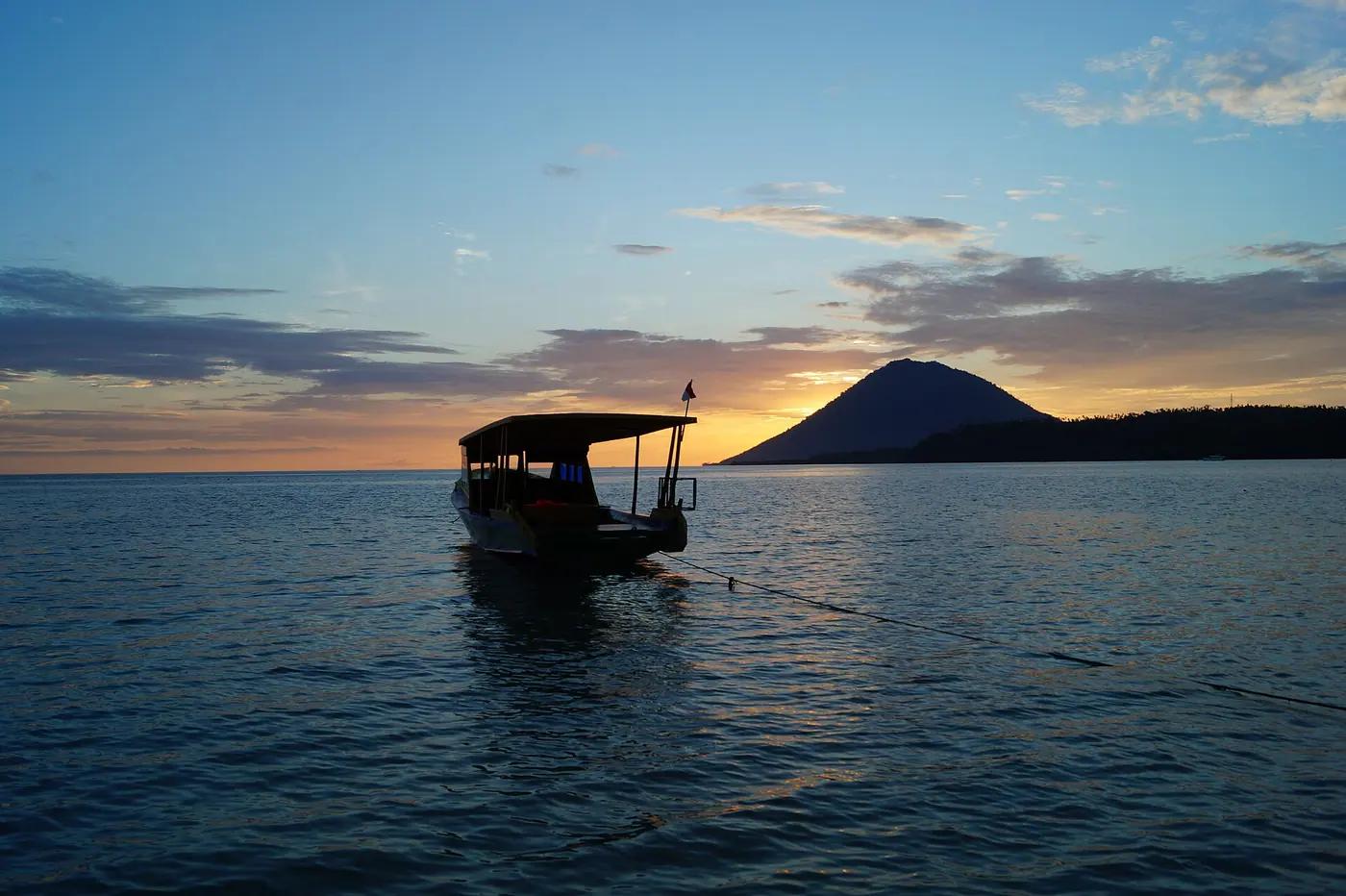
Bunaken is a marine park of vertical reef walls off Manado, and its animals are reef animals. Green turtles are seen on almost every dive and snorkel, hawksbills are regular, pygmy seahorses live on the gorgonian fans, blacktip reef sharks patrol the shallows, and Napoleon wrasse and bumphead parrotfish cruise the drop-offs. The seagrass beds between the islands hold a few dugongs and sea kraits, and spinner dolphins cross Manado Bay on the boat ride out.
Five islands, 20 kilometres of coral wall dropping into water over a kilometre deep, and a half-hour boat ride from a provincial capital: Bunaken is one of the easiest world-class reefs to reach in Indonesia. Its walls are so sheer that snorkellers on the reef flat look straight down at divers on the wall below.
The park's fame rests on turtles. Bunaken has some of the densest green turtle numbers in the region, and seeing six or eight on a single dive is normal rather than exceptional. Everything else on this page is a bonus to that baseline.
Why this location matters
Good location pages explain why the place is worth your time, not just which names belong on a destination checklist.
Bunaken was one of Indonesia's first marine parks and one of the first to fund itself with a visitor fee that goes to local villages and patrols. It is a working example of reef tourism paying for reef protection.
The combination of wall diving, calm reef-flat snorkelling and short boat rides makes it a park where mixed-ability groups and families can all see turtles and sharks on the same day.
Where to look
Wildlife map of Bunaken National Park
This guide covers the region shown below. Zoom in to get your bearings before planning a trip.
Positions are geocoded from OpenStreetMap. Habitat access and opening times change — check locally before travelling.
Animals to spot
These are intentionally practical species picks, balancing accessibility, excitement, and what travelers can realistically notice in the location.
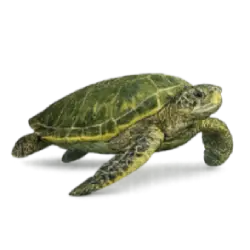
Green Sea TurtleC
Rests on ledges along the Lekuan and Fukui walls and grazes the reef flat under snorkellers; the park's signature animal.
Spotting note: Near-guaranteed on every dive and most snorkels.
Read species guide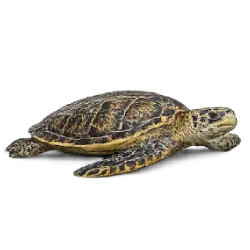
Hawksbill Sea TurtleC
Picks at sponges on the wall at Mandolin and Siladen, distinguished by its hooked beak and serrated shell edge.
Spotting note: Regular; expect one for every several green turtles.
Read species guide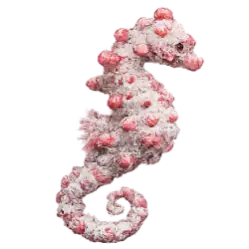
Pygmy SeahorseE
Lives on pink and orange gorgonian fans on the Lekuan walls, where dive guides know the individual fans.
Spotting note: Reliable with a guide; invisible without one.
Read species guide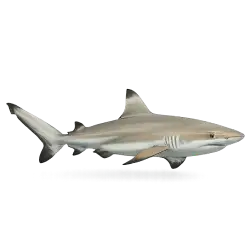
Blacktip Reef SharkC
Hunts the shallow reef flats off Bunaken village and Siladen at high tide.
Spotting note: Regular for snorkellers at high tide; shy of divers.
Read species guide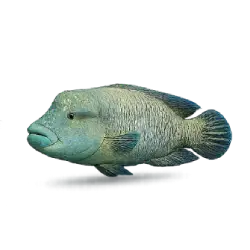
Napoleon WrasseB
Big, humped individuals patrol the drop-offs at Lekuan and Alung Banua.
Spotting note: Regular on the walls, especially early morning.
Read species guide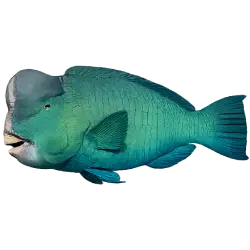
Humphead ParrotfishC
Schools of these metre-long bumpheads crunch coral along the Mandolin and Fukui reef tops at dawn.
Spotting note: Likely on early-morning dives.
Read species guide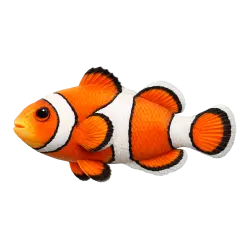
ClownfishE
Every anemone on the reef flat has a family, and the shallow water makes them easy for snorkellers.
Spotting note: Guaranteed.
Read species guide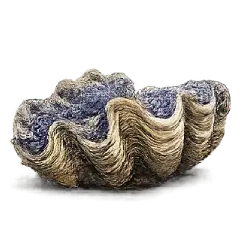
Giant ClamD
Metre-wide clams with electric blue and green mantles sit in the shallows off Siladen.
Spotting note: Common on the reef flats.
Read species guide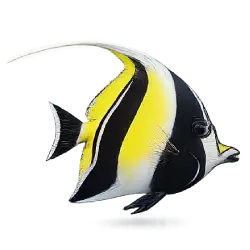
Moorish IdolE
Pairs and small groups drift along the wall tops at every site.
Spotting note: Very common.
Read species guide
Bluestreak Cleaner WrasseD
Runs cleaning stations on the wall where turtles and big wrasse queue to be picked clean.
Spotting note: Guaranteed; watch the stations rather than the fish.
Read species guide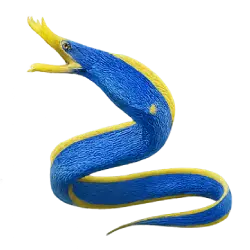
Ribbon EelD
Blue-and-yellow males poke their heads from sand burrows at the base of the walls at Siladen and Timur.
Spotting note: Regular with a guide who knows the burrows.
Read species guide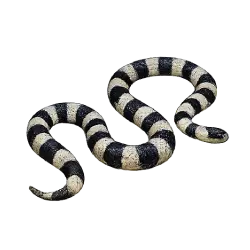
Sea KraitC
Banded sea kraits hunt the reef flats and come ashore on Bunaken's beaches to rest.
Spotting note: Regular; venomous but placid, never handle.
Read species guide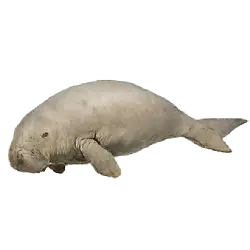
DugongC
A few dugongs graze the seagrass between Bunaken and Manado Tua and are occasionally met by boats.
Spotting note: Rare and lucky; calm mornings give the best odds.
Read species guide
Spinner DolphinA
Pods cross Manado Bay between the mainland and the park on most calm mornings.
Spotting note: Likely from the dive boat on the way out.
Read species guideBest for
Use this section to decide whether the location fits your travel style, skill level, and AnimalDex goals.
- Turtle-dense wall dives
- Beginner-friendly reef-flat snorkelling
- Macro life on the gorgonian fans
- A quick marine park from a city base
Spotting tips
These tips are meant to make the page useful in the field, not just readable on the page.
- 01Dive the Lekuan sites early; the bumphead parrotfish schools and Napoleon wrasse are on the wall before the day boats arrive.
- 02Snorkel the reef flat at high tide when the blacktip reef sharks come in over the coral.
- 03Ask your guide for the pygmy seahorse fans by name; every operator knows a few and they rarely move.
- 04Watch the water on the boat ride from Manado; spinner dolphins and, rarely, a dugong surface in the bay.
Virtual Wildlife Guides
Wildlife guides to Bunaken National Park
AnimalDex builds virtual guides from explorers' own wild sightings: which animals they found, how rare they are, and when. A guide is advice from someone who has been there, not a tour. Buying one unlocks the author's notes for every animal, a chat with the author, and introductions to local people they met. Wildlife is never guaranteed.
Checking for virtual guides to Bunaken National Park...
How to choose a local wildlife guide in Bunaken National Park
- Ask what they usually find in the season you are visiting. A good guide gives an honest answer, not a promised sighting.
- Check how they treat animals: no baiting, calling in, handling, or close flash photography for a better shot.
- Confirm the meeting area, duration, group size, total price, and how you pay before the day, plus any permits or park fees the place requires.
Track the animals you find in Bunaken National Park
Build your collection while you travel through Bunaken National Park, from easy wins to the species worth planning around.
Related tier lists
These tier lists add broader context around the species that make this location interesting.
Biggest Animals in the World
A structured ranking of the biggest animals in the world, using the AnimalDex size stat to compare body scale across sea, land, and air.
Read tier listRelated locations
Keep exploring with nearby or similar destinations that support the same kind of AnimalDex discovery.
Animals in North Sulawesi: What You Can Spot, Learn, and Collect
North Sulawesi wildlife guide: Tangkoko's tarsiers and crested macaques, Bunaken's turtles and walls, Lembeh's mimic octopus, Sulawesi's endemic hornbills.
Read location guideAnimals in Tangkoko Nature Reserve: What You Can Spot, Learn, and Collect
Tangkoko guide: spectral tarsiers at dusk, Celebes crested macaques in the beach forest, knobbed hornbills in the figs, flying dragons and pythons.
Read location guideAnimals in Sulawesi: What You Can Spot, Learn, and Collect
Sulawesi wildlife guide: tarsiers and crested macaques at Tangkoko, babirusa and anoa at Nantu, knobbed hornbills, and the reefs of Bunaken and Lembeh.
Read location guideLocation FAQ
Short direct answers to the questions travelers usually ask before choosing a wildlife destination or zoo day.
What wildlife is there in Bunaken National Park?
Green and hawksbill turtles, blacktip reef sharks, Napoleon wrasse, bumphead parrotfish, pygmy seahorses, ribbon eels, giant clams, sea kraits and a huge range of reef fish along vertical coral walls. Dugongs and spinner dolphins are seen in the bay.
What animals can be found in Bunaken?
Turtles are the headline and are seen on almost every dive. Snorkellers also get clownfish, giant clams, Moorish idols and reef sharks on the shallow flats, and divers add pygmy seahorses and big wrasse on the walls.
Can you snorkel with turtles in Bunaken?
Yes. Green turtles rest on the wall tops at two to five metres and graze the reef flats, so snorkellers see them routinely at sites like Lekuan and Fukui.
When is the best time to dive Bunaken?
May to October has the calmest seas and best visibility. The park is diveable year-round, but December to February can bring wind and rain from the north.
How do I find a wildlife guide to Bunaken National Park?
Check the Wildlife Guides section on this page or browse Wildlife Guides on AnimalDex. Each one is a virtual guide built from an explorer's own wild sightings around Bunaken National Park: the animals they found, how rare they are, and when. It is advice from someone who has been there, not a tour. If you want someone with you on the day, compare local guides on wildlife knowledge, how they treat animals, and clear pricing before you go.