

Animals in Way Kambas National Park: What You Can Spot, Learn, and Collect
Way Kambas guide: wild and patrol-herd Sumatran elephants, the world's only Sumatran rhino sanctuary, tiger tracks, storks and hornbills on the Way Kanan.
Quick answer
Start with the direct answer, then use the sections below to see why the location matters and which animals are actually realistic to spot there.
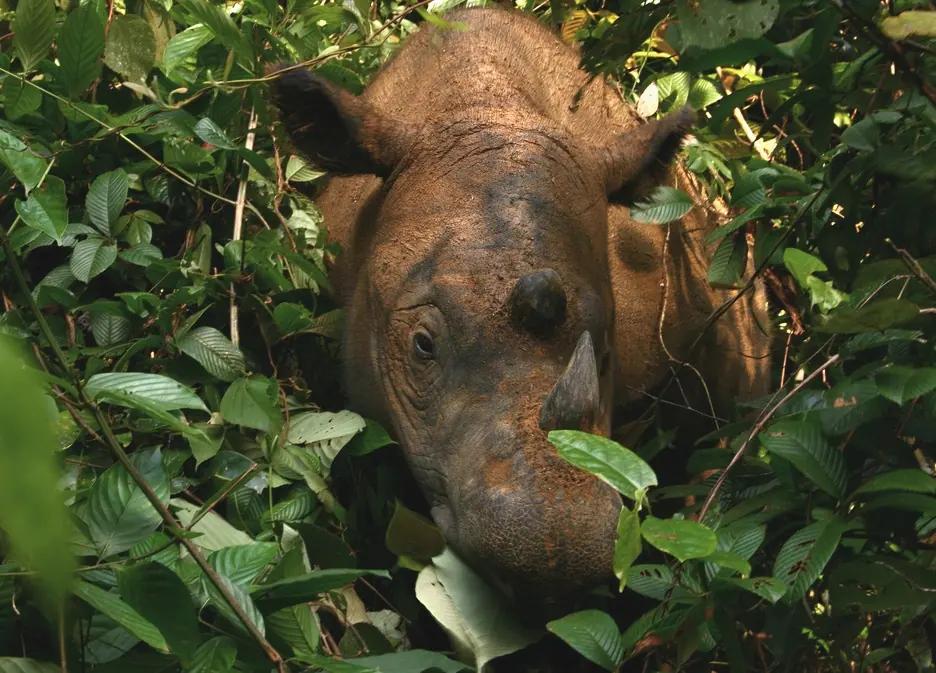
Way Kambas is Sumatra's flat, accessible big-mammal park. Sumatran elephants are the certainty, both the trained patrol herd at the Elephant Response Unit camps and wild herds in the swamp grassland. The Sumatran Rhino Sanctuary inside the park is the only place a visitor can see the species. Tigers and tapirs are present but known from tracks, while the Way Kanan river gives storks, hornbills, macaques, monitors and sambar deer from a boat.
The park occupies 1,300 km2 of lowland swamp forest and grassland on Lampung's east coast, two hours from Bandar Lampung. Logging and fire flattened much of it before protection, and the result is unusually open country for Sumatra, which is why elephants and deer are easier to see here than in the hill parks.
Way Kambas is also a place to see conservation at work. The Elephant Response Units keep wild herds out of crops, the rhino sanctuary is breeding the rarest large mammal in Asia, and the Way Kanan research station monitors tigers that nobody will ever meet on foot.
Why this location matters
Good location pages explain why the place is worth your time, not just which names belong on a destination checklist.
The Sumatran Rhino Sanctuary has produced the only captive-born Sumatran rhinos in Asia and holds most of the species' managed population; a visit, where permitted, is a look at a species with fewer than 50 animals left.
Human-elephant conflict is the defining problem on this coast, and the patrol herds here are the model that other Sumatran parks have copied.
Where to look
Wildlife map of Way Kambas National Park
This guide covers the region shown below. Zoom in to get your bearings before planning a trip.
Positions are geocoded from OpenStreetMap. Habitat access and opening times change — check locally before travelling.
Animals to spot
These are intentionally practical species picks, balancing accessibility, excitement, and what travelers can realistically notice in the location.
Asian ElephantA
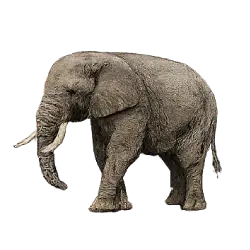
Wild herds graze the Way Kambas swamp grassland at dusk and the Elephant Response Unit camps keep trained Sumatran elephants that visitors walk with.
Spotting note: Guaranteed at the camps; wild herds likely on dry-season evening drives.
Read species guide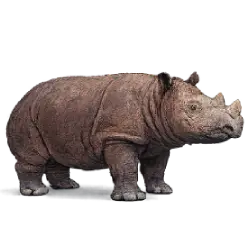
Sumatran RhinocerosA
The Sumatran Rhino Sanctuary's forest enclosures hold a small breeding group, the only viewable Sumatran rhinos anywhere.
Spotting note: Captive, by prior arrangement only.
Read species guide
Sumatran TigerA
Way Kambas holds a monitored tiger population and fresh pugmarks on the Way Kanan sandbanks are a common find.
Spotting note: Almost never seen; tracks are realistic.
Read species guide
Malayan TapirB
Tapirs use the swamp forest trails around Way Kanan and leave distinctive three-toed prints.
Spotting note: Rare; night walks near wallows give a slim chance.
Read species guide
SiamangB
Duets from the taller forest behind Way Kanan carry across the river at dawn.
Spotting note: Heard most mornings; seen occasionally.
Read species guide
Lesser Adjutant StorkB
Stalks the Way Kanan river margins and the open swamp grassland.
Spotting note: Regular on boat trips.
Read species guide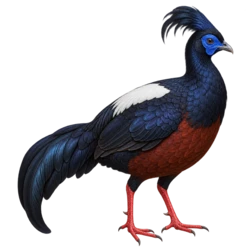
Crested FirebackC
Pairs scratch along the forest trails near Way Kanan at first light.
Spotting note: Regular on quiet early walks.
Read species guide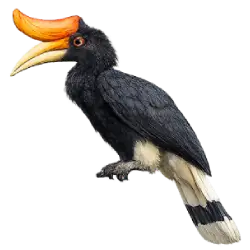
Rhinoceros HornbillB
Crosses the Way Kanan river with heavy wingbeats and feeds in riverside figs.
Spotting note: Regular.
Read species guide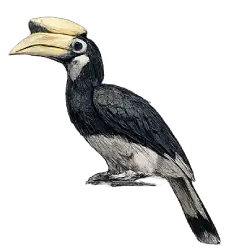
Oriental Pied HornbillC
The common hornbill of the forest edge around the camps and the park road.
Spotting note: Common.
Read species guide
Long-tailed MacaqueC
Troops at the Way Kanan landing and the elephant camps.
Spotting note: Guaranteed.
Read species guide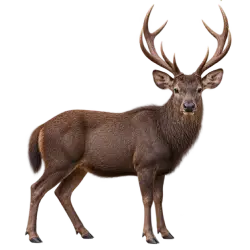
Sambar DeerB
Steps out onto the swamp grassland and the park road at dusk.
Spotting note: Likely on evening drives.
Read species guide
Wild BoarB
Rootles along the park road and the grassland edge, often in family groups.
Spotting note: Common at dusk.
Read species guide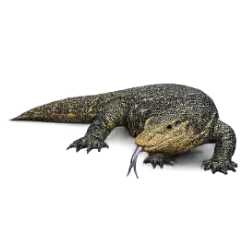
Water MonitorC
Swims the Way Kanan and basks on the banks below the research station.
Spotting note: Regular.
Read species guide
Large Flying FoxD
Streams out over the swamp forest at dusk from roosts along the river.
Spotting note: Regular at dusk.
Read species guideBest for
Use this section to decide whether the location fits your travel style, skill level, and AnimalDex goals.
- Sumatran elephants, wild and at the response units
- The only Sumatran rhinos a visitor can see
- River boat trips for storks, hornbills and deer
- Tiger country you can actually reach by road
Spotting tips
These tips are meant to make the page useful in the field, not just readable on the page.
- 01Come between June and October; the grassland dries, the wild elephants gather at remaining water and the roads are passable.
- 02Book the Way Kanan boat for early morning and an open-vehicle drive for the last two hours of light.
- 03Arrange any rhino sanctuary visit weeks ahead through the park; access is limited and never guaranteed.
- 04Stay at a Labuhan Ratu homestay by the gate so you can be inside the park before dawn.
Virtual Wildlife Guides
Wildlife guides to Way Kambas National Park
AnimalDex builds virtual guides from explorers' own wild sightings: which animals they found, how rare they are, and when. A guide is advice from someone who has been there, not a tour. Buying one unlocks the author's notes for every animal, a chat with the author, and introductions to local people they met. Wildlife is never guaranteed.
Checking for virtual guides to Way Kambas National Park...
How to choose a local wildlife guide in Way Kambas National Park
- Ask what they usually find in the season you are visiting. A good guide gives an honest answer, not a promised sighting.
- Check how they treat animals: no baiting, calling in, handling, or close flash photography for a better shot.
- Confirm the meeting area, duration, group size, total price, and how you pay before the day, plus any permits or park fees the place requires.
Track the animals you find in Way Kambas National Park
Build your collection while you travel through Way Kambas National Park, from easy wins to the species worth planning around.
Related tier lists
These tier lists add broader context around the species that make this location interesting.
Rarest Animals in the World
A structured ranking of the rarest animals in the world, blending scarcity, vulnerability, and conservation pressure to answer the overlap between rarest and most endangered wildlife.
Read tier listBiggest Animals in the World
A structured ranking of the biggest animals in the world, using the AnimalDex size stat to compare body scale across sea, land, and air.
Read tier listRelated locations
Keep exploring with nearby or similar destinations that support the same kind of AnimalDex discovery.
Animals in Lampung: What You Can Spot, Learn, and Collect
Lampung wildlife guide: Sumatran elephants and the rhino sanctuary at Way Kambas, tigers and tapirs in Bukit Barisan Selatan, spinner dolphins off Kiluan.
Read location guideAnimals in Sumatra: What You Can Spot, Learn, and Collect
Sumatra wildlife guide: orangutans at Bukit Lawang, Way Kambas elephants, tigers and tapirs in Kerinci, hornbills, and the macaques and monitors you will see.
Read location guideAnimals in Indonesia: What You Can Spot, Learn, and Collect
A practical guide to animals in Indonesia, from accessible birds and coastal wildlife to headline species that make the country one of the world's strongest wildlife-travel destinations.
Read location guideLocation FAQ
Short direct answers to the questions travelers usually ask before choosing a wildlife destination or zoo day.
What wildlife is there in Way Kambas National Park?
Sumatran elephants, Sumatran rhinos at the sanctuary, Sumatran tigers and Malayan tapirs (mostly tracks), siamang, sambar deer, wild boar, lesser adjutant storks, crested firebacks, rhinoceros and pied hornbills, macaques, monitors and flying foxes.
What animals can be found in Way Kambas?
Elephants, macaques, deer, boar, storks, hornbills and monitors are realistic on a two-day visit. Tigers and tapirs are present but seen only on camera traps, and the rhinos are in the sanctuary's forest enclosures.
Can I see wild elephants at Way Kambas?
Often, yes, in the dry season on an evening drive through the grassland or from the Way Kanan boat. The Elephant Response Unit herds are a guaranteed close encounter if the wild ones stay in the forest.
Is the rhino sanctuary open to visitors?
Only by prior arrangement and in small numbers, because the animals are part of a breeding programme. Ask the park office well in advance and be prepared for a no.
How do I find a wildlife guide to Way Kambas National Park?
Check the Wildlife Guides section on this page or browse Wildlife Guides on AnimalDex. Each one is a virtual guide built from an explorer's own wild sightings around Way Kambas National Park: the animals they found, how rare they are, and when. It is advice from someone who has been there, not a tour. If you want someone with you on the day, compare local guides on wildlife knowledge, how they treat animals, and clear pricing before you go.