
Rarest Animals in the World: Top 250 Tier List
A structured ranking of the rarest animals in the world, blending scarcity, vulnerability, and conservation pressure to answer the overlap between rarest and most endangered wildlife.
Jawaban cepat
If you want a clean headline answer, black rhinoceros, Sunda pangolin, aye-aye, bonobo, harpy eagle, orangutan, snow leopard, giant panda, Tasmanian devil, and other highly pressured species belong near the top. The exact order depends on whether you prioritize tiny range, low numbers, or broader extinction risk.
Black rhinoceros and Sunda pangolin are the cleanest quotable answers here because both rarity and human pressure are central to their story. Aye-aye, bonobo, and harpy eagle rise because restriction and habitat dependence make them unusually vulnerable even before a species disappears completely.
Tabel tier list
Tabel tier list ini memuat 250 spesies berperingkat, ikon hewan, label tier, dan tautan kembali ke halaman spesies.
Menampilkan 250 dari 250
| Peringkat | Hewan | Tier | Metrik utama | Kenapa masuk ranking | Baca panduan spesies |
|---|---|---|---|---|---|
| #1 |  | S | 100/100 rarity stat | 100/100 rarity profile. Vaquita is a marine mammal known for small dark-ringed eye patch, compact coastal porpoise body, and quiet shallow-water movement, which places it in S tier for this list. | Baca panduan spesies |
| #2 | 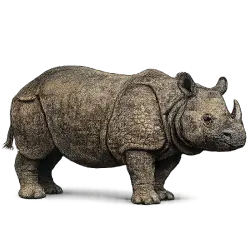 | S | 99/100 rarity stat | 99/100 rarity profile. Javan Rhinoceros is a mammal known for single short horn, plate-folded grey skin, and dense lowland forest browsing, which places it in S tier for this list. | Baca panduan spesies |
| #3 |  | S | 99/100 rarity stat | 99/100 rarity profile. Rain Frog Stone teaches Rain Timing through moisture awareness, still waiting, nocturnal calling, and sudden climbing movement, which places it in S tier for this list. | Baca panduan spesies |
| #4 | 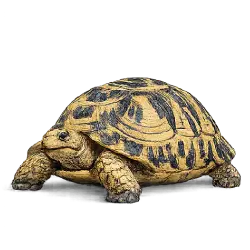 | S | 99/100 rarity stat | 99/100 rarity profile. Ploughshare Tortoise is a reptile known for high-domed golden shell, front shell projection, and slow dry-forest grazing, which places it in S tier for this list. | Baca panduan spesies |
| #5 | 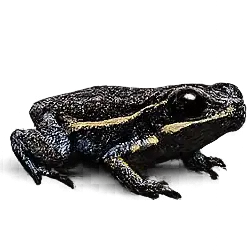 | S | 99/100 rarity stat | 99/100 rarity profile. Monte Iberia Eleuth is a amphibian known for extremely tiny frog body, leaf-litter camouflage, and high forest-floor moisture dependence, which places it in S tier for this list. | Baca panduan spesies |
| #6 | 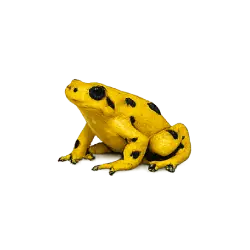 | S | 99/100 rarity stat | 99/100 rarity profile. Panamanian Golden Frog is a amphibian known for bright yellow body, semaphore foot-waving signals, and fast mountain-stream life, which places it in S tier for this list. | Baca panduan spesies |
| #7 | 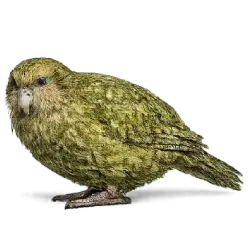 | S | 99/100 rarity stat | 99/100 rarity profile. The kakapo is a heavy flightless parrot from New Zealand, known for nocturnal habits, climbing skill, and extreme rarity, which places it in S tier for this list. | Baca panduan spesies |
| #8 | 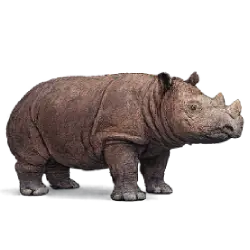 | S | 98/100 rarity stat | 98/100 rarity profile. Sumatran Rhinoceros is a mammal known for hairy compact rhino build, prehensile browsing lip, and steep rainforest movement, which places it in S tier for this list. | Baca panduan spesies |
| #9 | 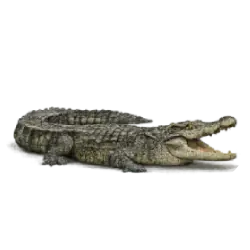 | S | 98/100 rarity stat | 98/100 rarity profile. Philippine Crocodile is a reptile known for short broad snout, heavy armored scales, and shy riverbank basking, which places it in S tier for this list. | Baca panduan spesies |
| #10 | 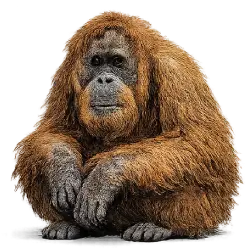 | S | 98/100 rarity stat | 98/100 rarity profile. Tapanuli Orangutan is a primate known for shaggy mountain coat, isolated forest adaptation, and careful branch and ridge travel, which places it in S tier for this list. | Baca panduan spesies |
| #11 |  | S | 98/100 rarity stat | 98/100 rarity profile. Steppe Turtle teaches Moving Shelter through burrowing, drought tolerance, compact armor, and patient movement, which places it in S tier for this list. | Baca panduan spesies |
| #12 | 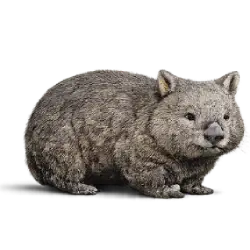 | S | 98/100 rarity stat | 98/100 rarity profile. Northern Hairy-nosed Wombat is a mammal known for broad blunt muzzle, strong burrowing forelimbs, and night-grazing dryland movement, which places it in S tier for this list. | Baca panduan spesies |
| #13 | 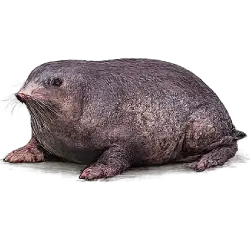 | S | 98/100 rarity stat | 98/100 rarity profile. Saimaa Ringed Seal is a mammal known for ringed gray coat, thick freshwater seal body, and snow-lair breeding on lake ice, which places it in S tier for this list. | Baca panduan spesies |
| #14 | 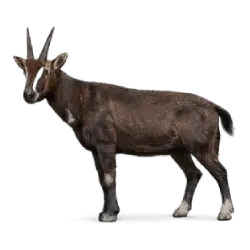 | S | 98/100 rarity stat | 98/100 rarity profile. Saola is a mammal known for long parallel horns, secretive forest behavior, and narrow mountain rainforest range, which places it in S tier for this list. | Baca panduan spesies |
| #15 |  | S | 98/100 rarity stat | 98/100 rarity profile. Hawaiian Crow is the AnimalDex expression of Crow Comeback Mind: Keep intelligence alive even when the forest goes quiet, which places it in S tier for this list. | Baca panduan spesies |
| #16 | 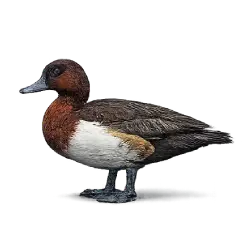 | S | 98/100 rarity stat | 98/100 rarity profile. Madagascar Pochard is a bird known for chestnut diving-duck body, pale alert eyes, and deep freshwater diving, which places it in S tier for this list. | Baca panduan spesies |
| #17 | 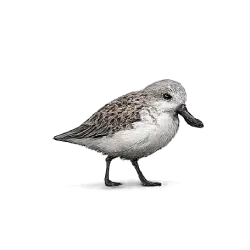 | S | 98/100 rarity stat | 98/100 rarity profile. Spoon-billed Sandpiper is a bird known for tiny spoon-shaped bill tip, small shorebird running gait, and long-distance migratory route, which places it in S tier for this list. | Baca panduan spesies |
| #18 | 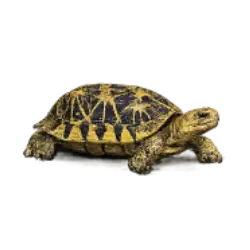 | S | 98/100 rarity stat | 98/100 rarity profile. Geometric Tortoise is a reptile known for bold yellow geometric shell lines, high-domed small body, and fynbos browsing, which places it in S tier for this list. | Baca panduan spesies |
| #19 | 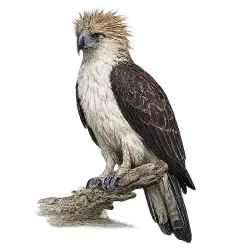 | S | 97/100 rarity stat | 97/100 rarity profile. Philippine Eagle is a bird of prey known for massive hooked bill, long crest feathers, and broad rainforest hunting wings, which places it in S tier for this list. | Baca panduan spesies |
| #20 | 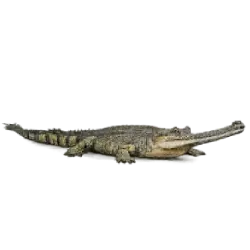 | S | 97/100 rarity stat | 97/100 rarity profile. Gharial is a reptile known for long narrow fish-catching snout, river-specialist body, and sandbank nesting, which places it in S tier for this list. | Baca panduan spesies |
| #21 | 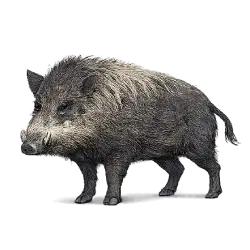 | S | 97/100 rarity stat | 97/100 rarity profile. Visayan Warty Pig is a mammal known for bristled dark island coat, facial wart bumps, and forest-rooting herd behavior, which places it in S tier for this list. | Baca panduan spesies |
| #22 | 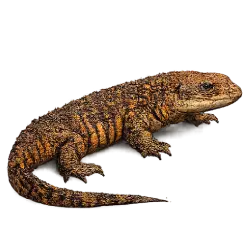 | S | 97/100 rarity stat | 97/100 rarity profile. Earless Monitor Lizard is a reptile known for bead-scaled dark brown body, small external-earless head, and secretive streamside burrowing, which places it in S tier for this list. | Baca panduan spesies |
| #23 | 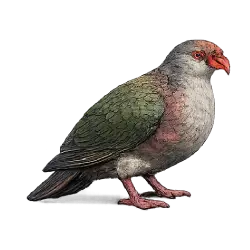 | S | 97/100 rarity stat | 97/100 rarity profile. Tooth-billed Pigeon is a bird known for heavy curved bill, dark island-forest body, and ground-and-branch fruit foraging, which places it in S tier for this list. | Baca panduan spesies |
| #24 | 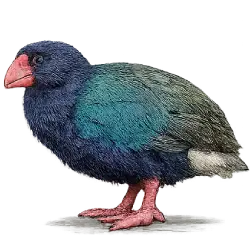 | S | 97/100 rarity stat | 97/100 rarity profile. Takahe is a bird known for heavy cobalt flightless body, thick red bill, and alpine tussock grazing, which places it in S tier for this list. | Baca panduan spesies |
| #25 | 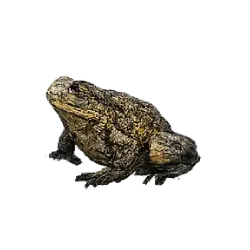 | S | 97/100 rarity stat | 97/100 rarity profile. Dusky Gopher Frog is a amphibian known for squat dark-spotted body, deep burrow sheltering, and explosive rain breeding, which places it in S tier for this list. | Baca panduan spesies |
| #26 |  | S | 96/100 rarity stat | 96/100 rarity profile. Naga Snake teaches Crowned Warning through height, hood display, nest defense, and snake-hunting specialization, which places it in S tier for this list. | Baca panduan spesies |
| #27 | 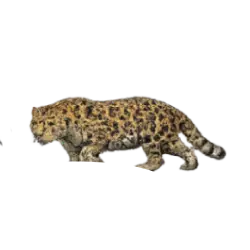 | S | 96/100 rarity stat | 96/100 rarity profile. Amur Leopard is a mammal known for thick winter rosette coat, long cold-ready limbs, and solitary forest stalking behavior, which places it in S tier for this list. | Baca panduan spesies |
| #28 | 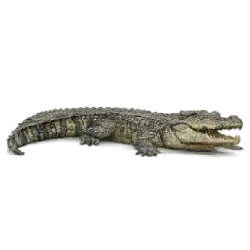 | S | 96/100 rarity stat | 96/100 rarity profile. Siamese Crocodile is a reptile known for narrow armored snout, olive ridged body, and freshwater ambush stillness, which places it in S tier for this list. | Baca panduan spesies |
| #29 |  | S | 96/100 rarity stat | 96/100 rarity profile. Sinai Dragon teaches Heat Stillness through desert endurance, burrow safety, armored scales, and careful energy use, which places it in S tier for this list. | Baca panduan spesies |
| #30 |  | S | 96/100 rarity stat | 96/100 rarity profile. Sleeping Sea Lion teaches Rested Surge through shore resting, underwater speed, social calls, and reef hunting, which places it in S tier for this list. | Baca panduan spesies |
| #31 |  | S | 96/100 rarity stat | 96/100 rarity profile. Coastal Seal Stone teaches Element Switch through rocky hauling grounds, agile swimming, social breeding colonies, and marine hunting, which places it in S tier for this list. | Baca panduan spesies |
| #32 |  | S | 96/100 rarity stat | 96/100 rarity profile. Desert Camel Sentinel teaches Reserve March through fat-storing humps, tough feet, dryland endurance, and steady movement, which places it in S tier for this list. | Baca panduan spesies |
| #33 | 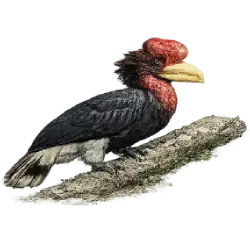 | S | 96/100 rarity stat | 96/100 rarity profile. Helmeted Hornbill is a bird known for solid casque-topped bill, long central tail feathers, and far-carrying forest calls, which places it in S tier for this list. | Baca panduan spesies |
| #34 | 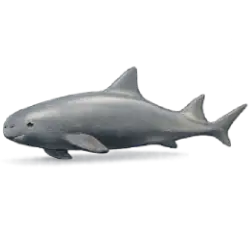 | S | 96/100 rarity stat | 96/100 rarity profile. Yangtze Finless Porpoise is a freshwater mammal known for finless smooth-backed body, rounded echo-focused forehead, and turbid river-surface rolling, which places it in S tier for this list. | Baca panduan spesies |
| #35 | 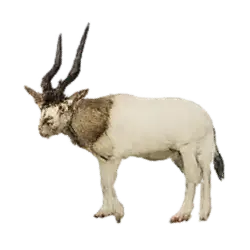 | S | 96/100 rarity stat | 96/100 rarity profile. Addax is a mammal known for pale desert coat, wide spreading hooves, and slow-energy dryland survival, which places it in S tier for this list. | Baca panduan spesies |
| #36 | 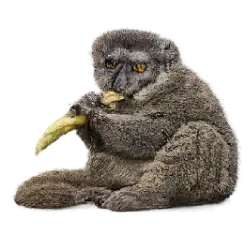 | S | 96/100 rarity stat | 96/100 rarity profile. Greater Bamboo Lemur is a mammal known for powerful bamboo-chewing jaws, gray-brown lemur coat, and tall-culm climbing, which places it in S tier for this list. | Baca panduan spesies |
| #37 |  | S | 96/100 rarity stat | 96/100 rarity profile. Scaly-foot Snail teaches Armor because its real biology turns metal-armored vent snail traits into a usable survival lesson, which places it in S tier for this list. | Baca panduan spesies |
| #38 | 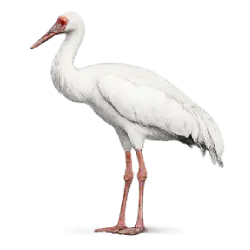 | S | 96/100 rarity stat | 96/100 rarity profile. Siberian Crane is a bird known for tall white marsh body, red bare face, and long-distance wetland migration, which places it in S tier for this list. | Baca panduan spesies |
| #39 | 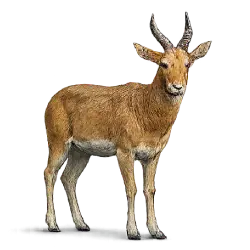 | S | 96/100 rarity stat | 96/100 rarity profile. Hirola is a mammal known for long alert face, lyre-shaped horns, and dry grassland herd vigilance, which places it in S tier for this list. | Baca panduan spesies |
| #40 | 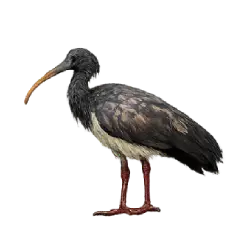 | S | 96/100 rarity stat | 96/100 rarity profile. Giant Ibis is a bird known for long down-curved bill, deep dark body, and seasonal wetland probing walk, which places it in S tier for this list. | Baca panduan spesies |
| #41 | 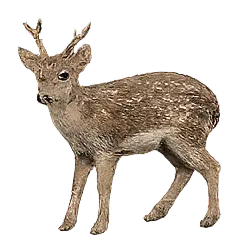 | S | 96/100 rarity stat | 96/100 rarity profile. Bawean Deer is a mammal known for small island deer frame, short upright antlers, and low-cover forest browsing, which places it in S tier for this list. | Baca panduan spesies |
| #42 |  | S | 96/100 rarity stat | 96/100 rarity profile. The Marvellous Spatuletail is not just beautiful; it is controlled, which places it in S tier for this list. | Baca panduan spesies |
| #43 |  | S | 96/100 rarity stat | 96/100 rarity profile. The Red Handfish teaches that movement does not need to look normal to matter, which places it in S tier for this list. | Baca panduan spesies |
| #44 | 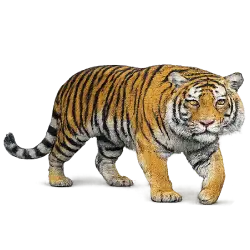 | S | 95/100 rarity stat | 95/100 rarity profile. Malayan Tiger is a mammal known for tight striped forest coat, compact tropical-cat frame, and dense-cover ambush movement, which places it in S tier for this list. | Baca panduan spesies |
| #45 | 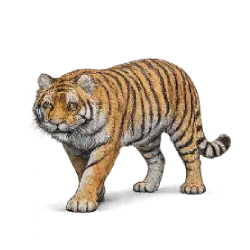 | S | 95/100 rarity stat | 95/100 rarity profile. Sumatran Tiger is a mammal known for dense dark striping, compact forest-hunting build, and thick-cover stealth movement, which places it in S tier for this list. | Baca panduan spesies |
| #46 |  | S | 95/100 rarity stat | 95/100 rarity profile. Fairy-Tomb Elephant teaches Gentle Weight through family bonds, quiet strength, trunk skill, and long memory, which places it in S tier for this list. | Baca panduan spesies |
| #47 |  | S | 95/100 rarity stat | 95/100 rarity profile. Dragon's Back Ridge Serpent teaches Visible Boundary through hood display, fast warning, venom defense, and ridge-like body movement, which places it in S tier for this list. | Baca panduan spesies |
| #48 | 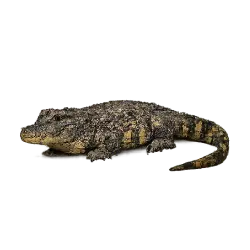 | S | 95/100 rarity stat | 95/100 rarity profile. Chinese Alligator is a reptile known for short broad snout, armored dark body, and burrowed winter dormancy, which places it in S tier for this list. | Baca panduan spesies |
| #49 |  | S | 95/100 rarity stat | 95/100 rarity profile. Jeju Dragon Head teaches Route Flex through climbing, constriction, habitat variety, and quiet movement, which places it in S tier for this list. | Baca panduan spesies |
| #50 | 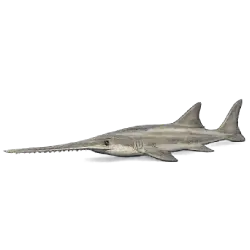 | S | 95/100 rarity stat | 95/100 rarity profile. Smalltooth Sawfish is a fish known for saw-like toothy snout, shallow coastal movement, and bottom-hunting glide, which places it in S tier for this list. | Baca panduan spesies |
| #51 | 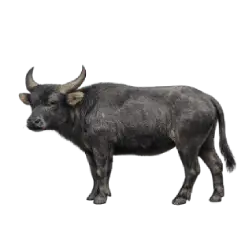 | S | 95/100 rarity stat | 95/100 rarity profile. Tamaraw explains Islandhold through a body and routine shaped for its exact problem, which places it in S tier for this list. | Baca panduan spesies |
| #52 | 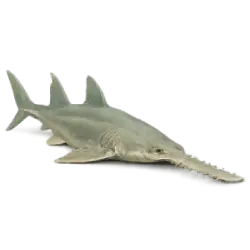 | S | 95/100 rarity stat | 95/100 rarity profile. Largetooth Sawfish is a fish known for long tooth-lined saw rostrum, broad estuary-moving body, and muddy-water bottom cruising, which places it in S tier for this list. | Baca panduan spesies |
| #53 | 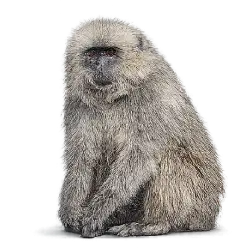 | S | 95/100 rarity stat | 95/100 rarity profile. Kipunji is a mammal known for upright crest of head hair, loud honking contact calls, and montane forest troop movement, which places it in S tier for this list. | Baca panduan spesies |
| #54 | 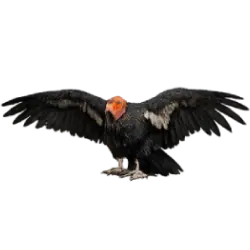 | S | 95/100 rarity stat | 95/100 rarity profile. The California condor is a giant soaring scavenger famous for its enormous wingspan and conservation comeback efforts, which places it in S tier for this list. | Baca panduan spesies |
| #55 | 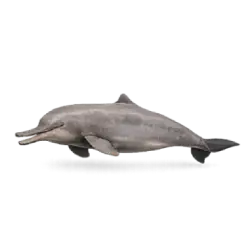 | S | 95/100 rarity stat | 95/100 rarity profile. Indus River Dolphin is a freshwater mammal known for long narrow beak, tiny vision-reduced eyes, and muddy-channel sonar movement, which places it in S tier for this list. | Baca panduan spesies |
| #56 | 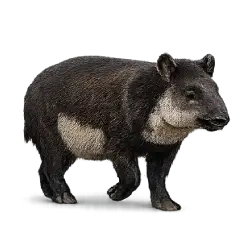 | S | 95/100 rarity stat | 95/100 rarity profile. Mountain Tapir is a mammal known for woolly highland coat, short flexible snout, and cold-cloud-forest browsing, which places it in S tier for this list. | Baca panduan spesies |
| #57 | 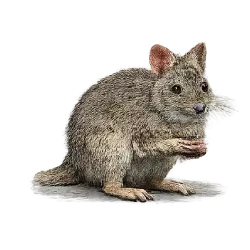 | S | 95/100 rarity stat | 95/100 rarity profile. Woylie is a mammal known for long pointed digging snout, brush-tipped tail, and fungus-finding nocturnal hopping, which places it in S tier for this list. | Baca panduan spesies |
| #58 | 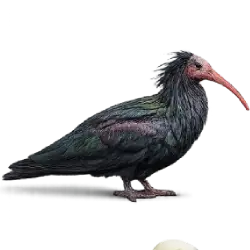 | S | 95/100 rarity stat | 95/100 rarity profile. Northern Bald Ibis is a bird known for bare red wrinkled head, shaggy black body sheen, and cliff-colony nesting, which places it in S tier for this list. | Baca panduan spesies |
| #59 | 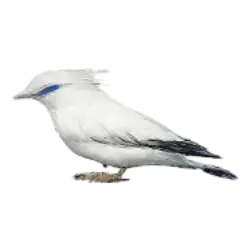 | S | 95/100 rarity stat | 95/100 rarity profile. The Bali myna is a striking white starling with blue skin around the eye, a crest, and an extremely limited natural range on the island of Bali, which places it in S tier for this list. | Baca panduan spesies |
| #60 | 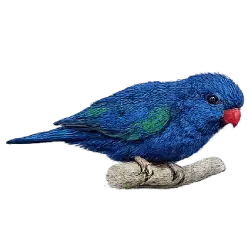 | S | 95/100 rarity stat | 95/100 rarity profile. Ultramarine Lorikeet is a bird known for deep ultramarine-blue plumage, brush-tipped nectar tongue, and flowering-canopy flock movement, which places it in S tier for this list. | Baca panduan spesies |
| #61 | 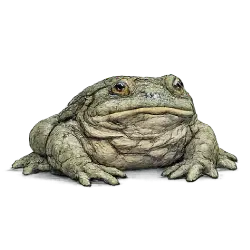 | S | 95/100 rarity stat | 95/100 rarity profile. Titicaca Water Frog is a amphibian known for deeply wrinkled water-breathing skin, large lake-dwelling body, and cold high-altitude aquatic life, which places it in S tier for this list. | Baca panduan spesies |
| #62 | 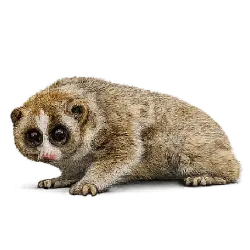 | S | 95/100 rarity stat | 95/100 rarity profile. Javan Slow Loris is a mammal known for huge forward-facing eyes, toxic defensive bite, and slow branch-crawling grip, which places it in S tier for this list. | Baca panduan spesies |
| #63 |  | S | 95/100 rarity stat | 95/100 rarity profile. Night Parrots are elusive Australian desert birds associated with spinifex, night movement, and extremely low detectability, which places it in S tier for this list. | Baca panduan spesies |
| #64 | 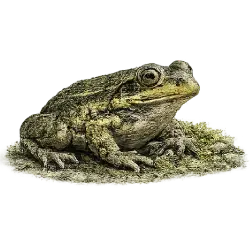 | S | 95/100 rarity stat | 95/100 rarity profile. Hamilton's Frog is a amphibian known for tiny ancient frog body, earless low-sound anatomy, and rock-shelter moisture dependence, which places it in S tier for this list. | Baca panduan spesies |
| #65 | 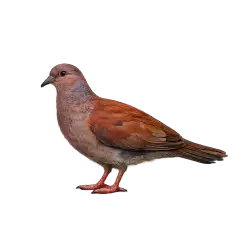 | S | 95/100 rarity stat | 95/100 rarity profile. Socorro Dove expresses Lost-Island Gentleness through real survival details, not a generic symbol, which places it in S tier for this list. | Baca panduan spesies |
| #66 | 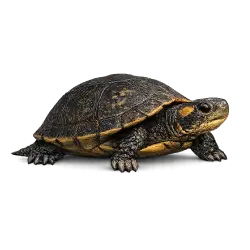 | S | 95/100 rarity stat | 95/100 rarity profile. Bog Turtle is the AnimalDex expression of Bog-Shell Caution: Trust the wet ground slowly, then disappear into cover, which places it in S tier for this list. | Baca panduan spesies |
| #67 |  | S | 94/100 rarity stat | 94/100 rarity profile. Stone Dragon teaches Apex Patience through ambush hunting, immense size, serrated teeth, and island dominance, which places it in S tier for this list. | Baca panduan spesies |
| #68 |  | S | 94/100 rarity stat | 94/100 rarity profile. Stone Shark Fin teaches Apex Signal through dorsal silhouette, sensory range, ambush speed, and ocean dominance, which places it in S tier for this list. | Baca panduan spesies |
| #69 |  | S | 94/100 rarity stat | 94/100 rarity profile. Sky Tigress teaches Silent Ascent through solitary range control, striped camouflage, patient stalking, and decisive attack, which places it in S tier for this list. | Baca panduan spesies |
| #70 |  | S | 94/100 rarity stat | 94/100 rarity profile. Troll Rhino Beast teaches Living Monolith through armor-like skin, mass, grazing endurance, and territorial force, which places it in S tier for this list. | Baca panduan spesies |
| #71 |  | S | 94/100 rarity stat | 94/100 rarity profile. AlUla Sand Elephant teaches Memory Path through matriarchal groups, long-range movement, water knowledge, and immense strength, which places it in S tier for this list. | Baca panduan spesies |
| #72 |  | S | 94/100 rarity stat | 94/100 rarity profile. Nargun Stone Beast teaches Scent Trail through climbing, scavenging, forked-tongue investigation, and forest-edge alertness, which places it in S tier for this list. | Baca panduan spesies |
| #73 | 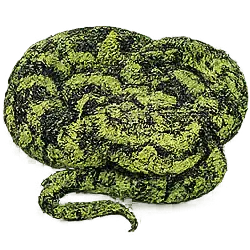 | S | 94/100 rarity stat | 94/100 rarity profile. Mangshan Pit Viper is a reptile known for jade green patterned body, heat-sensing pit organs, and heavy still ambush coils, which places it in S tier for this list. | Baca panduan spesies |
| #74 |  | S | 94/100 rarity stat | 94/100 rarity profile. Monkey Pillar teaches Social Compass through troop structure, seasonal adaptation, alert faces, and social learning, which places it in S tier for this list. | Baca panduan spesies |
| #75 | 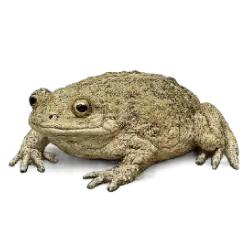 | S | 94/100 rarity stat | 94/100 rarity profile. Lake Oku Clawed Frog is a amphibian known for fully aquatic clawed feet, smooth dark lake body, and high-altitude crater-lake life, which places it in S tier for this list. | Baca panduan spesies |
| #76 | 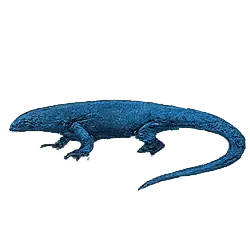 | S | 94/100 rarity stat | 94/100 rarity profile. Blue Tree Monitor is a reptile known for electric blue body pattern, long prehensile tail, and canopy climbing agility, which places it in S tier for this list. | Baca panduan spesies |
| #77 |  | S | 94/100 rarity stat | 94/100 rarity profile. The Psychedelic Frogfish shows that invisibility can be active strategy, which places it in S tier for this list. | Baca panduan spesies |
| #78 | 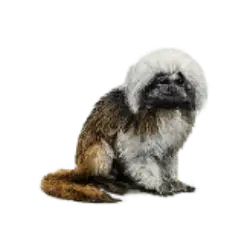 | S | 94/100 rarity stat | 94/100 rarity profile. Cotton-top Tamarin is a mammal known for wild white crest hair, tiny agile monkey body, and cooperative troop life, which places it in S tier for this list. | Baca panduan spesies |
| #79 | 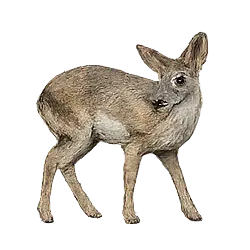 | S | 94/100 rarity stat | 94/100 rarity profile. Beira is a mammal known for oversized alert ears, tiny gray-tan body, and rocky scrub sure-footing, which places it in S tier for this list. | Baca panduan spesies |
| #80 |  | S | 94/100 rarity stat | 94/100 rarity profile. The Spotted Handfish teaches local responsibility, which places it in S tier for this list. | Baca panduan spesies |
| #81 | 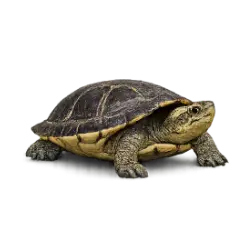 | S | 94/100 rarity stat | 94/100 rarity profile. Indochinese Box Turtle is a reptile known for hinged closing shell, striped yellow head, and leaf-litter forest hiding, which places it in S tier for this list. | Baca panduan spesies |
| #82 |  | S | 94/100 rarity stat | 94/100 rarity profile. The Pink See-through Fantasia teaches vulnerable adaptation, which places it in S tier for this list. | Baca panduan spesies |
| #83 | 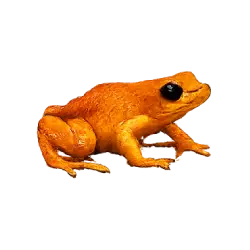 | S | 94/100 rarity stat | 94/100 rarity profile. Golden Mantella is a amphibian known for bright orange warning skin, tiny leaf-litter body, and mossy wet-forest hopping, which places it in S tier for this list. | Baca panduan spesies |
| #84 |  | S | 93/100 rarity stat | 93/100 rarity profile. Royal Lion Rock teaches Pride Command through social hunting, territorial roaring, coalition power, and cub defense, which places it in S tier for this list. | Baca panduan spesies |
| #85 |  | S | 93/100 rarity stat | 93/100 rarity profile. Stone Whale Pod teaches Deep Signal through echolocation, deep diving, social pods, and pressure endurance, which places it in S tier for this list. | Baca panduan spesies |
| #86 | 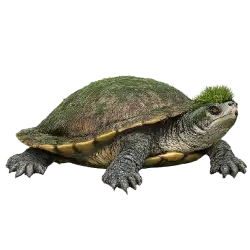 | S | 93/100 rarity stat | 93/100 rarity profile. Mary River Turtle is a reptile known for green algae-growing head hair, large paddle feet, and river-bottom basking and grazing, which places it in S tier for this list. | Baca panduan spesies |
| #87 | 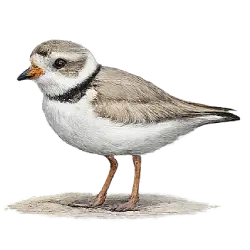 | S | 93/100 rarity stat | 93/100 rarity profile. Piping Plover is a bird known for small sand-colored shorebird body, thin black neck band, and stop-start beach running, which places it in S tier for this list. | Baca panduan spesies |
| #88 | 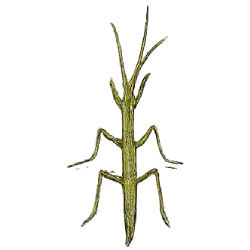 | S | 93/100 rarity stat | 93/100 rarity profile. Giant Stick Insect is a insect known for extra-long twig body, bark-brown camouflage, and nocturnal branch climbing, which places it in S tier for this list. | Baca panduan spesies |
| #89 |  | S | 92/100 rarity stat | 92/100 rarity profile. Great Bear Claw Guardian teaches Claw Boundary through power, range awareness, maternal defense, and seasonal patience, which places it in S tier for this list. | Baca panduan spesies |
| #90 | 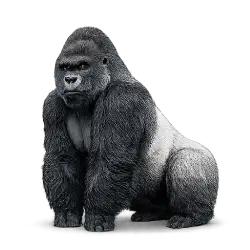 | S | 92/100 rarity stat | 92/100 rarity profile. Mountain Gorilla Silverback teaches Silverback Center through the way mountain Gorilla silverbacks lead and protect family groups using size, displays, and social awareness more than constant aggression, which places it in S tier for this list. | Baca panduan spesies |
| #91 | 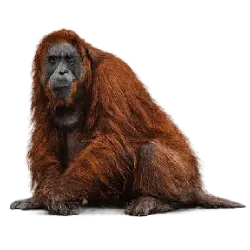 | S | 92/100 rarity stat | 92/100 rarity profile. Sumatran Orangutan is a primate known for slimmer canopy build, long flexible reach, and fine-scale branch navigation, which places it in S tier for this list. | Baca panduan spesies |
| #92 | 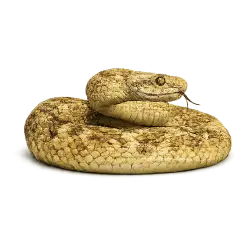 | S | 92/100 rarity stat | 92/100 rarity profile. Golden Lancehead teaches Island Specialization through island pit viper shaped by one rare place, which places it in S tier for this list. | Baca panduan spesies |
| #93 | 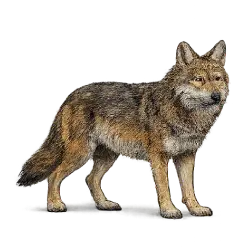 | S | 92/100 rarity stat | 92/100 rarity profile. Red Wolf is a mammal known for slim reddish canid frame, long-legged wetland stride, and pair-and-pack territory calling, which places it in S tier for this list. | Baca panduan spesies |
| #94 |  | S | 92/100 rarity stat | 92/100 rarity profile. The Wonderpus Octopus teaches adaptive intelligence, which places it in S tier for this list. | Baca panduan spesies |
| #95 | 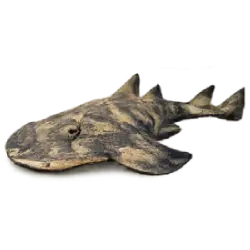 | S | 92/100 rarity stat | 92/100 rarity profile. Bowmouth Guitarfish is a fish known for broad shark-ray body, white-spotted armored back, and bottom-resting reef patrol, which places it in S tier for this list. | Baca panduan spesies |
| #96 | 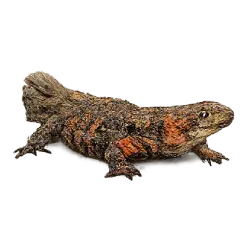 | S | 92/100 rarity stat | 92/100 rarity profile. Chinese Crocodile Lizard is a reptile known for armor-like ridged tail, semi-aquatic stillness, and narrow stream habitat dependence, which places it in S tier for this list. | Baca panduan spesies |
| #97 |  | S | 92/100 rarity stat | 92/100 rarity profile. Darwin's Bark Spider turns empty air into hunting ground, which places it in S tier for this list. | Baca panduan spesies |
| #98 | 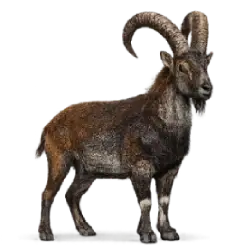 | S | 92/100 rarity stat | 92/100 rarity profile. Walia Ibex is a mammal known for heavy ridged scimitar horns, tan cliff-running body, and high escarpment grazing, which places it in S tier for this list. | Baca panduan spesies |
| #99 | 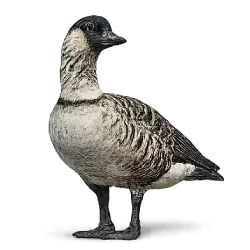 | S | 92/100 rarity stat | 92/100 rarity profile. Nene is a bird known for buff-barred neck, reduced webbing, and lava-field grazing, which places it in S tier for this list. | Baca panduan spesies |
| #100 | 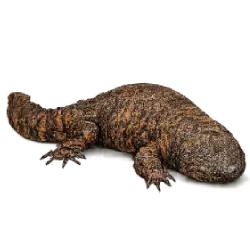 | S | 92/100 rarity stat | 92/100 rarity profile. The Chinese giant salamander is one of the world’s largest amphibians, a river-bottom predator built for cool fast water and hidden rocky shelter, which places it in S tier for this list. | Baca panduan spesies |
| #101 | 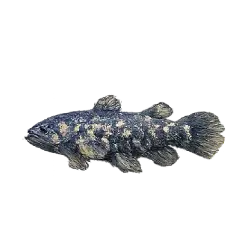 | S | 92/100 rarity stat | 92/100 rarity profile. Coelacanth is a fish known for ancient lobe-finned body plan, deep cave-sea life, and slow nocturnal movement, which places it in S tier for this list. | Baca panduan spesies |
| #102 | 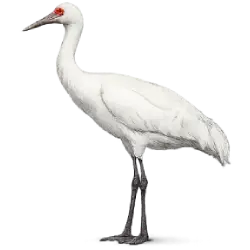 | S | 92/100 rarity stat | 92/100 rarity profile. The whooping crane is a tall white wetland bird known for its red crown, bugling call, and conservation story, which places it in S tier for this list. | Baca panduan spesies |
| #103 |  | S | 92/100 rarity stat | 92/100 rarity profile. The Hoff Crab teaches that survival is local, which places it in S tier for this list. | Baca panduan spesies |
| #104 | 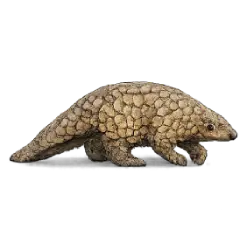 | S | 92/100 rarity stat | 92/100 rarity profile. The Sunda pangolin is a scale-covered Southeast Asian mammal specialized for feeding on ants and termites with strong claws and a long adhesive tongue, which places it in S tier for this list. | Baca panduan spesies |
| #105 | 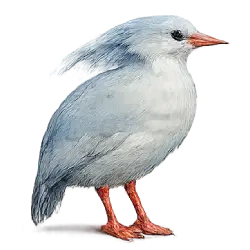 | S | 92/100 rarity stat | 92/100 rarity profile. Kagu is a bird known for ash-gray crested body, broad barred wings for display, and ground-living forest patrol, which places it in S tier for this list. | Baca panduan spesies |
| #106 |  | S | 92/100 rarity stat | 92/100 rarity profile. The Ribbon-tailed Astrapia teaches that bold signals have weight, which places it in S tier for this list. | Baca panduan spesies |
| #107 | 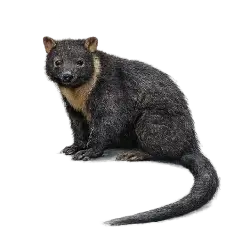 | S | 92/100 rarity stat | 92/100 rarity profile. Tenkile carries New Direction as a kangaroo body reimagined upward: strong limbs, gripping paws, and a mountain canopy turn an old ground plan into a rare forest future, which places it in S tier for this list. | Baca panduan spesies |
| #108 | 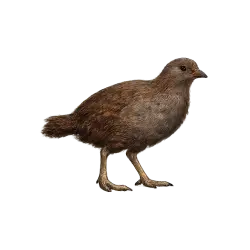 | S | 92/100 rarity stat | 92/100 rarity profile. Lord Howe Woodhen expresses Grounded Island Return through real survival details, not a generic symbol, which places it in S tier for this list. | Baca panduan spesies |
| #109 | 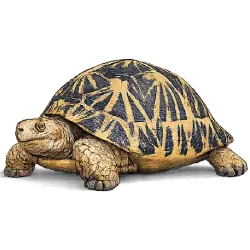 | S | 92/100 rarity stat | 92/100 rarity profile. Radiated Tortoise is a reptile known for starburst shell pattern, domed dryland shell, and slow thorn-scrub grazing, which places it in S tier for this list. | Baca panduan spesies |
| #110 |  | S | 92/100 rarity stat | 92/100 rarity profile. The Mirror Spider is a lesson in adjustable visibility, which places it in S tier for this list. | Baca panduan spesies |
| #111 | 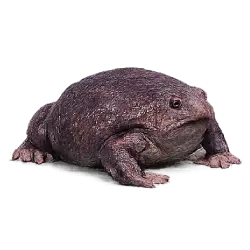 | S | 92/100 rarity stat | 92/100 rarity profile. Purple Frog is a amphibian known for round purple burrowing body, tiny eyes, and short yearly surface window, which places it in S tier for this list. | Baca panduan spesies |
| #112 |  | S | 92/100 rarity stat | 92/100 rarity profile. The Brazilian Treehopper shows that structure can be signal, which places it in S tier for this list. | Baca panduan spesies |
| #113 |  | S | 92/100 rarity stat | 92/100 rarity profile. The Skeleton Panda Sea Squirt teaches the visual power of repetition, which places it in S tier for this list. | Baca panduan spesies |
| #114 | 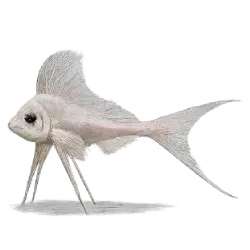 | S | 91/100 rarity stat | 91/100 rarity profile. Tripod Fish is a fish known for extra-long fin stilts, deep-sea standing posture, and current-facing ambush waiting, which places it in S tier for this list. | Baca panduan spesies |
| #115 | 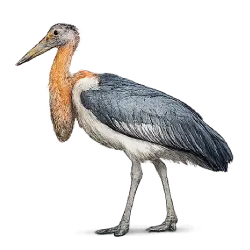 | S | 91/100 rarity stat | 91/100 rarity profile. Greater Adjutant is a bird known for massive bald-headed stork frame, dangling neck pouch, and slow scavenging wetland stride, which places it in S tier for this list. | Baca panduan spesies |
| #116 | 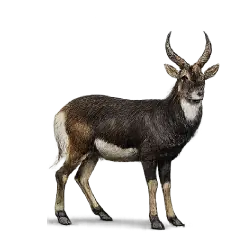 | S | 91/100 rarity stat | 91/100 rarity profile. Nile Lechwe is a mammal known for elongated marsh-running hooves, golden-brown wetland coat, and shallow-water herd movement, which places it in S tier for this list. | Baca panduan spesies |
| #117 | 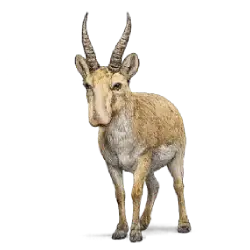 | S | 91/100 rarity stat | 91/100 rarity profile. Saiga Antelope is a mammal known for strange inflatable nose, dust-filtering steppe adaptation, and mass migration across open country, which places it in S tier for this list. | Baca panduan spesies |
| #118 | 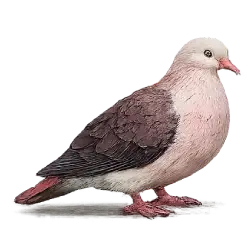 | S | 91/100 rarity stat | 91/100 rarity profile. Pink Pigeon is a bird known for soft pink body, red bill, and island woodland flock life, which places it in S tier for this list. | Baca panduan spesies |
| #119 | 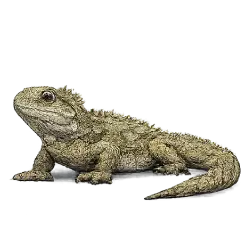 | S | 91/100 rarity stat | 91/100 rarity profile. The tuatara is an ancient reptile of New Zealand, valued for slow growth, long life, and unusual evolutionary history, which places it in S tier for this list. | Baca panduan spesies |
| #120 |  | S | 91/100 rarity stat | 91/100 rarity profile. The Twelve-wired Bird-of-paradise reminds us that communication is not only seen or heard, which places it in S tier for this list. | Baca panduan spesies |
| #121 | 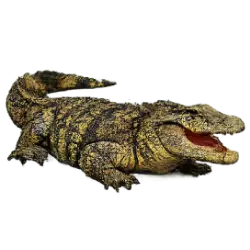 | S | 90/100 rarity stat | 90/100 rarity profile. Cuban Crocodile is a reptile known for long-legged athletic build, broad powerful jaws, and restricted island swamp range, which places it in S tier for this list. | Baca panduan spesies |
| #122 |  | S | 90/100 rarity stat | 90/100 rarity profile. Galápagos Sea Lion is a mammal known for stored resting power, surf agility bursts, and island haul-out balance, which places it in S tier for this list. | Baca panduan spesies |
| #123 | 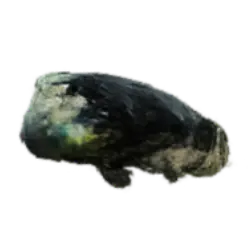 | S | 90/100 rarity stat | 90/100 rarity profile. Barreleye is a fish known for transparent head shield, upward-pointing tubular eyes, and midwater deep-sea hovering, which places it in S tier for this list. | Baca panduan spesies |
| #124 | 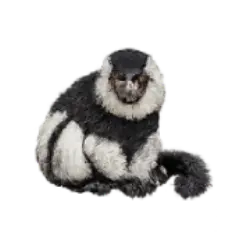 | S | 90/100 rarity stat | 90/100 rarity profile. Black-and-white Ruffed Lemur is a mammal known for black-and-white shaggy coat, loud carrying calls, and fruit-heavy canopy feeding, which places it in S tier for this list. | Baca panduan spesies |
| #125 |  | S | 90/100 rarity stat | 90/100 rarity profile. The Trilobite Beetle feels like a message from deep time, which places it in S tier for this list. | Baca panduan spesies |
| #126 | 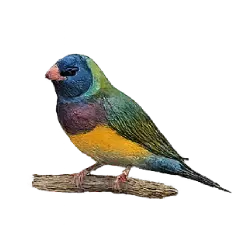 | S | 90/100 rarity stat | 90/100 rarity profile. Gouldian Finch is a bird known for purple chest and green back, bright tri-color face, and grass-seed flocking, which places it in S tier for this list. | Baca panduan spesies |
| #127 |  | S | 90/100 rarity stat | 90/100 rarity profile. The Standardwing Bird-of-paradise shows that performance is design in motion, which places it in S tier for this list. | Baca panduan spesies |
| #128 |  | S | 90/100 rarity stat | 90/100 rarity profile. Wahnes's Parotia teaches that performance is built before it is seen, which places it in S tier for this list. | Baca panduan spesies |
| #129 | 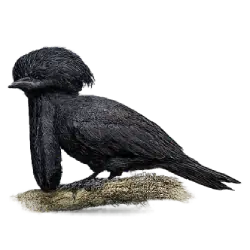 | S | 90/100 rarity stat | 90/100 rarity profile. Long-wattled Umbrellabird is a bird known for umbrella-like head crest, long chest wattle, and deep booming display calls, which places it in S tier for this list. | Baca panduan spesies |
| #130 | 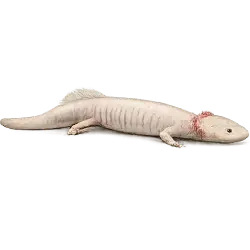 | S | 90/100 rarity stat | 90/100 rarity profile. Olm is a amphibian known for blind cave-dwelling body, external gills, and extreme low-energy underground life, which places it in S tier for this list. | Baca panduan spesies |
| #131 |  | S | 90/100 rarity stat | 90/100 rarity profile. The Horned Sungem teaches the power of a brief, brilliant signal, which places it in S tier for this list. | Baca panduan spesies |
| #132 |  | S | 90/100 rarity stat | 90/100 rarity profile. The Sea Bunny Nudibranch is a reminder that softness can be sophisticated, which places it in S tier for this list. | Baca panduan spesies |
| #133 |  | S | 90/100 rarity stat | 90/100 rarity profile. The Harp Sponge teaches structural patience, which places it in S tier for this list. | Baca panduan spesies |
| #134 | 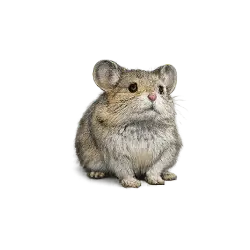 | S | 90/100 rarity stat | 90/100 rarity profile. Ili Pika teaches Alpine Preparation through small mountain pika stacking survival before winter, which places it in S tier for this list. | Baca panduan spesies |
| #135 | 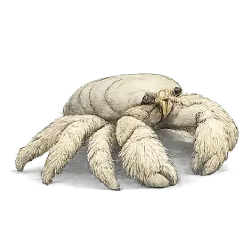 | S | 90/100 rarity stat | 90/100 rarity profile. Yeti Crab teaches Vent Gardening through a deep-sea life that tends food where sunlight never reaches, which places it in S tier for this list. | Baca panduan spesies |
| #136 | 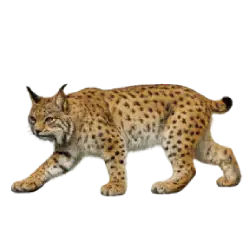 | A | 89/100 rarity stat | 89/100 rarity profile. Iberian Lynx is a mammal known for tufted ears and beard, short powerful tail, and rabbit-focused scrub hunting, which places it in A tier for this list. | Baca panduan spesies |
| #137 |  | A | 89/100 rarity stat | 89/100 rarity profile. Orangutans are large arboreal apes famous for deliberate movement, long learning periods, and strong dependence on complex tropical forest canopies, which places it in A tier for this list. | Baca panduan spesies |
| #138 | 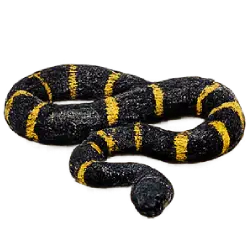 | A | 89/100 rarity stat | 89/100 rarity profile. Boelen's Python is a reptile known for iridescent dark scales, pale banding across body, and cool-mountain forest climbing, which places it in A tier for this list. | Baca panduan spesies |
| #139 | 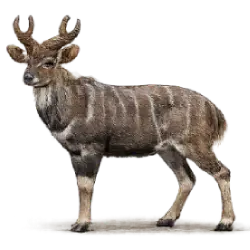 | A | 89/100 rarity stat | 89/100 rarity profile. Mountain Nyala is a mammal known for white body stripes, spiraled horns, and misty highland browsing, which places it in A tier for this list. | Baca panduan spesies |
| #140 | 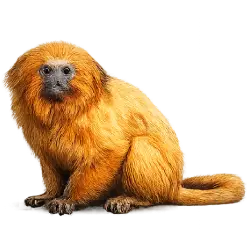 | A | 89/100 rarity stat | 89/100 rarity profile. Golden Lion Tamarin is a primate known for bright orange mane-like fur, tiny agile tree body, and family-group canopy life, which places it in A tier for this list. | Baca panduan spesies |
| #141 | 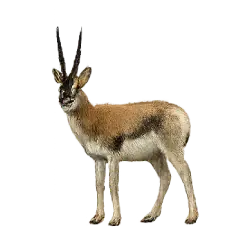 | A | 89/100 rarity stat | 89/100 rarity profile. Chiru is a mammal known for pale high-altitude coat, slender black horns, and long-distance plateau running, which places it in A tier for this list. | Baca panduan spesies |
| #142 | 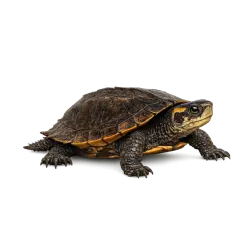 | A | 89/100 rarity stat | 89/100 rarity profile. Black-breasted Leaf Turtle is a reptile known for sharply keeled shell, leaf-litter camouflage, and steep-forest walking, which places it in A tier for this list. | Baca panduan spesies |
| #143 |  | A | 88/100 rarity stat | 88/100 rarity profile. Giant Squid carries Deep-Grip Mystery through a specific body plan, habitat choice, and survival rhythm, which places it in A tier for this list. | Baca panduan spesies |
| #144 | 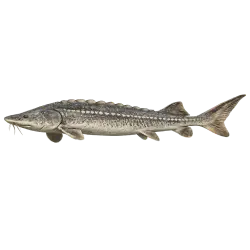 | A | 88/100 rarity stat | 88/100 rarity profile. Beluga Sturgeon is a fish known for armored scute rows, protrusible bottom-feeding mouth, and immense migratory river size, which places it in A tier for this list. | Baca panduan spesies |
| #145 | 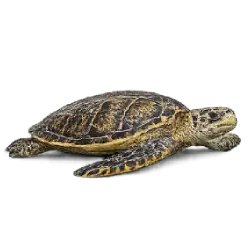 | A | 88/100 rarity stat | 88/100 rarity profile. Hawksbill Sea Turtle is a reptile known for narrow hawk-like beak, reef-feeding specialization, and beautiful overlapping shell scutes, which places it in A tier for this list. | Baca panduan spesies |
| #146 | 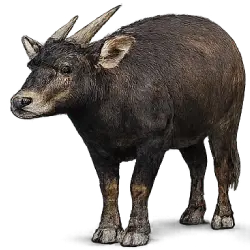 | A | 88/100 rarity stat | 88/100 rarity profile. Lowland Anoa is a mammal known for small buffalo body, straight pointed horns, and forest-shadow browsing, which places it in A tier for this list. | Baca panduan spesies |
| #147 | 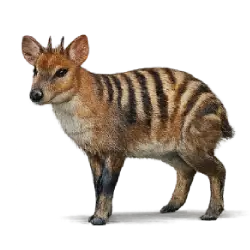 | A | 88/100 rarity stat | 88/100 rarity profile. Zebra Duiker is a mammal known for striped forest coat, small sturdy antelope frame, and fruit-and-leaf browsing, which places it in A tier for this list. | Baca panduan spesies |
| #148 | 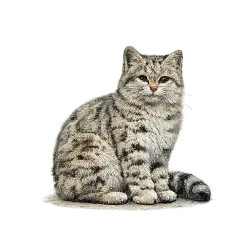 | A | 88/100 rarity stat | 88/100 rarity profile. Andean Mountain Cat expresses Thin-Air Solitude through real survival details, not a generic symbol, which places it in A tier for this list. | Baca panduan spesies |
| #149 | 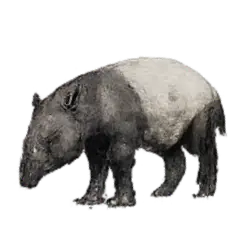 | A | 88/100 rarity stat | 88/100 rarity profile. Baird's Tapir is a mammal known for short trunk-like nose, forest seed-spreading habit, and strong swimming ability, which places it in A tier for this list. | Baca panduan spesies |
| #150 | 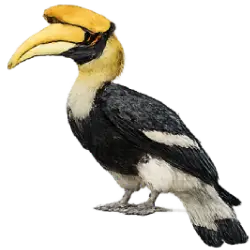 | A | 88/100 rarity stat | 88/100 rarity profile. Great Hornbill is a bird known for massive yellow casque bill, black-and-white wings, and fruit-carrying canopy flight, which places it in A tier for this list. | Baca panduan spesies |
| #151 |  | A | 88/100 rarity stat | 88/100 rarity profile. Gulper Eel's power is Wide-Mouth Opportunity: huge expandable mouth and elastic deep-sea feeding design, which places it in A tier for this list. | Baca panduan spesies |
| #152 |  | A | 88/100 rarity stat | 88/100 rarity profile. The Splendid Toadfish shows that brilliance can live close to the ground, which places it in A tier for this list. | Baca panduan spesies |
| #153 | 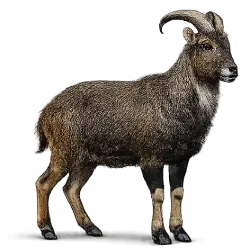 | A | 88/100 rarity stat | 88/100 rarity profile. Nilgiri Tahr is a mammal known for stocky mountain goat body, curving heavy horns, and grass-slope sure-footing, which places it in A tier for this list. | Baca panduan spesies |
| #154 | 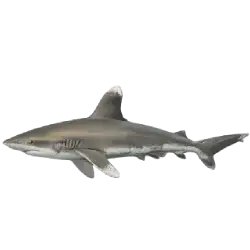 | A | 88/100 rarity stat | 88/100 rarity profile. Oceanic Whitetip Shark is a fish known for long rounded white-tipped fins, open-ocean cruising, and patrolling pelagic hunting, which places it in A tier for this list. | Baca panduan spesies |
| #155 |  | A | 88/100 rarity stat | 88/100 rarity profile. The Peacock Tarantula is a reminder that beauty is not softness, which places it in A tier for this list. | Baca panduan spesies |
| #156 |  | A | 88/100 rarity stat | 88/100 rarity profile. Red-shanked Douc is a primate known for bright multi-colored fur, leaf-eating monkey diet, and high-canopy social life, which places it in A tier for this list. | Baca panduan spesies |
| #157 |  | A | 88/100 rarity stat | 88/100 rarity profile. Dibatag is a mammal known for very long thin neck, slender pointed face, and light desert step running, which places it in A tier for this list. | Baca panduan spesies |
| #158 |  | A | 88/100 rarity stat | 88/100 rarity profile. Glass Octopus expresses Transparent Deep Wonder through real survival details, not a generic symbol, which places it in A tier for this list. | Baca panduan spesies |
| #159 | 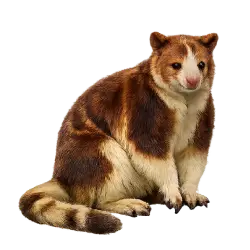 | A | 88/100 rarity stat | 88/100 rarity profile. Matschie's Tree Kangaroo is a mammal known for strong branch-climbing limbs, dense mountain-forest fur, and tail-balanced canopy movement, which places it in A tier for this list. | Baca panduan spesies |
| #160 | 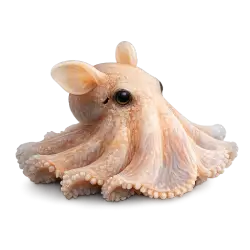 | A | 88/100 rarity stat | 88/100 rarity profile. Dumbo Octopus teaches Ease because its real biology turns deep-sea finned octopus traits into a usable survival lesson, which places it in A tier for this list. | Baca panduan spesies |
| #161 | 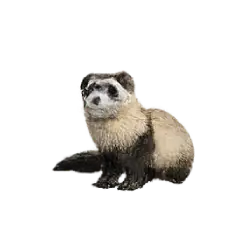 | A | 88/100 rarity stat | 88/100 rarity profile. Black-footed Ferret is a mammal known for long prairie-tunnel body, dark facial mask, and burrow-chasing hunting style, which places it in A tier for this list. | Baca panduan spesies |
| #162 | 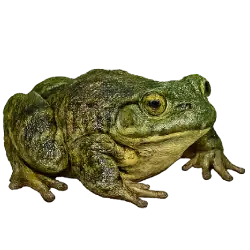 | A | 88/100 rarity stat | 88/100 rarity profile. Goliath Frog is a amphibian known for enormous frog body size, powerful river-jumping legs, and boulder-stream habitat use, which places it in A tier for this list. | Baca panduan spesies |
| #163 | 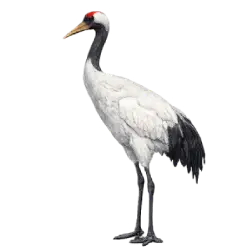 | A | 88/100 rarity stat | 88/100 rarity profile. Red-crowned Crane is a bird known for tall white body with black wings, red crown patch, and courtship dancing in wetlands, which places it in A tier for this list. | Baca panduan spesies |
| #164 |  | A | 88/100 rarity stat | 88/100 rarity profile. The Golden-fronted Bowerbird teaches that communication is not only the message, which places it in A tier for this list. | Baca panduan spesies |
| #165 |  | A | 88/100 rarity stat | 88/100 rarity profile. The Giraffe-necked Weevil teaches that odd proportions can be powerful, which places it in A tier for this list. | Baca panduan spesies |
| #166 | 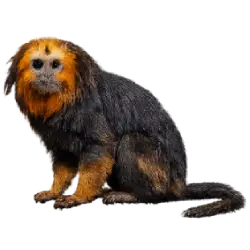 | A | 88/100 rarity stat | 88/100 rarity profile. Golden-headed Lion Tamarin is a mammal known for golden mane around dark face, claw-like gripping fingers, and fruit-and-insect canopy hunting, which places it in A tier for this list. | Baca panduan spesies |
| #167 |  | A | 88/100 rarity stat | 88/100 rarity profile. The Turtle Frog teaches that odd design can be perfect for a hidden job, which places it in A tier for this list. | Baca panduan spesies |
| #168 | 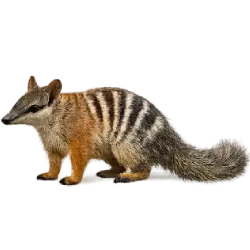 | A | 88/100 rarity stat | 88/100 rarity profile. The numbat is a small striped Australian marsupial specialized for eating termites during the day, which places it in A tier for this list. | Baca panduan spesies |
| #169 | 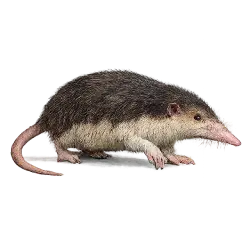 | A | 88/100 rarity stat | 88/100 rarity profile. Cuban Solenodon is Ancient Cleverness with a long snout and venomous bite, which places it in A tier for this list. | Baca panduan spesies |
| #170 |  | A | 88/100 rarity stat | 88/100 rarity profile. Malagasy Giant Rat expresses Nightgiant through large rodent body, nocturnal caution, burrow refuge, and jumping ability make the survival lesson specific instead of generic, which places it in A tier for this list. | Baca panduan spesies |
| #171 |  | A | 88/100 rarity stat | 88/100 rarity profile. The Violin Beetle shows how constraint can become design, which places it in A tier for this list. | Baca panduan spesies |
| #172 | 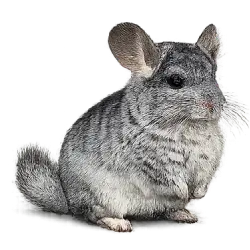 | A | 88/100 rarity stat | 88/100 rarity profile. Long-tailed Chinchilla is a mammal known for extremely soft dense fur, large heat-shedding ears, and rock-crevice highland hopping, which places it in A tier for this list. | Baca panduan spesies |
| #173 |  | A | 88/100 rarity stat | 88/100 rarity profile. The Happy-face Spider reminds us that not all influence is loud, which places it in A tier for this list. | Baca panduan spesies |
| #174 | 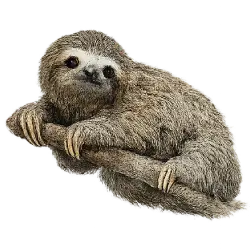 | A | 88/100 rarity stat | 88/100 rarity profile. Pygmy Three-toed Sloth teaches Island Slowness through mangrove island sloth restricted to one small world, which places it in A tier for this list. | Baca panduan spesies |
| #175 | 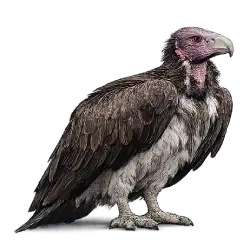 | A | 87/100 rarity stat | 87/100 rarity profile. Lappet-faced Vulture is a bird known for huge bald head, dangling neck lappets, and bone-tough carcass-opening bill, which places it in A tier for this list. | Baca panduan spesies |
| #176 | 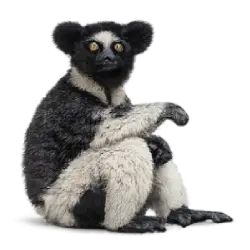 | A | 87/100 rarity stat | 87/100 rarity profile. Indri is a mammal known for black-and-white upright body, long carrying forest calls, and vertical trunk-clinging leaps, which places it in A tier for this list. | Baca panduan spesies |
| #177 | 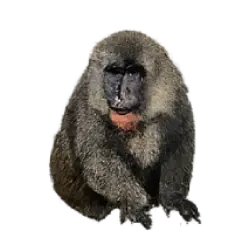 | A | 87/100 rarity stat | 87/100 rarity profile. Drill is a primate known for powerful dark body, bold face markings, and large troop forest life, which places it in A tier for this list. | Baca panduan spesies |
| #178 | 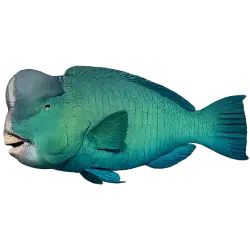 | A | 87/100 rarity stat | 87/100 rarity profile. Humphead Parrotfish is a fish known for bulging forehead, beaklike coral-crushing mouth, and schooling reef grazing, which places it in A tier for this list. | Baca panduan spesies |
| #179 | 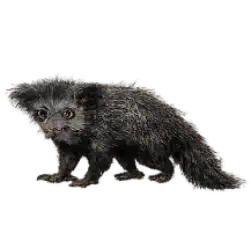 | A | 87/100 rarity stat | 87/100 rarity profile. The aye-aye is a rare Madagascan primate known for huge ears, ever-growing teeth, and a long thin middle finger used to find food in wood, which places it in A tier for this list. | Baca panduan spesies |
| #180 | 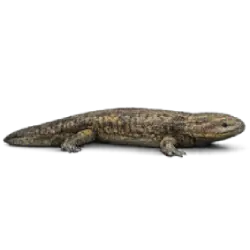 | A | 87/100 rarity stat | 87/100 rarity profile. The hellbender is a large fully aquatic salamander that lives under rocks in clean fast streams and breathes heavily through folded skin, which places it in A tier for this list. | Baca panduan spesies |
| #181 | 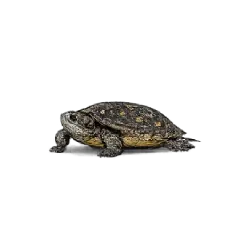 | A | 87/100 rarity stat | 87/100 rarity profile. Spotted Turtle is a reptile known for black shell with bright yellow spots, small semi-aquatic body, and marsh-edge wandering, which places it in A tier for this list. | Baca panduan spesies |
| #182 |  | A | 86/100 rarity stat | 86/100 rarity profile. The tiger is a large striped cat built for stealth, ambush, and territorial control across forests, wetlands, and grassland edges in Asia, which places it in A tier for this list. | Baca panduan spesies |
| #183 | 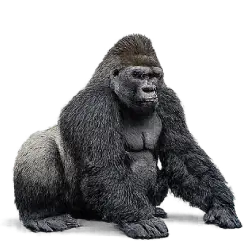 | A | 86/100 rarity stat | 86/100 rarity profile. Gorillas are the largest living primates, built around immense upper-body strength, social family groups, and forest-based foraging rather than predatory violence, which places it in A tier for this list. | Baca panduan spesies |
| #184 |  | A | 86/100 rarity stat | 86/100 rarity profile. The Arowana teaches upward attention, which places it in A tier for this list. | Baca panduan spesies |
| #185 |  | A | 86/100 rarity stat | 86/100 rarity profile. Drill Monkey is a mammal known for dark muscular monkey build, short tail, and powerful forest-floor troop movement, which places it in A tier for this list. | Baca panduan spesies |
| #186 | 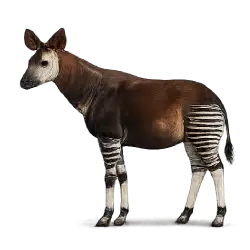 | A | 86/100 rarity stat | 86/100 rarity profile. The okapi is a secretive forest relative of the giraffe, known for velvet fur, striped legs, and a very long tongue, which places it in A tier for this list. | Baca panduan spesies |
| #187 |  | A | 86/100 rarity stat | 86/100 rarity profile. The Popeyed Scorpionfish teaches that stillness does not mean helplessness, which places it in A tier for this list. | Baca panduan spesies |
| #188 |  | A | 86/100 rarity stat | 86/100 rarity profile. The Black Swallower is a warning and a lesson, which places it in A tier for this list. | Baca panduan spesies |
| #189 |  | A | 86/100 rarity stat | 86/100 rarity profile. The Panda Ant is a lesson in misread appearances, which places it in A tier for this list. | Baca panduan spesies |
| #190 | 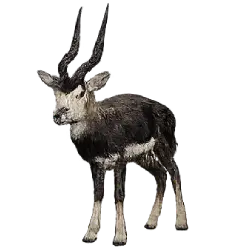 | A | 86/100 rarity stat | 86/100 rarity profile. Black Lechwe is a mammal known for dark marsh-adapted coat, elongated wet-ground hooves, and floodplain herd movement, which places it in A tier for this list. | Baca panduan spesies |
| #191 | 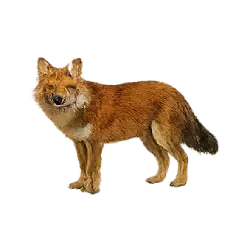 | A | 86/100 rarity stat | 86/100 rarity profile. Dhole is a mammal known for red wild-dog body, strong pack communication, and long-distance pursuit, which places it in A tier for this list. | Baca panduan spesies |
| #192 | 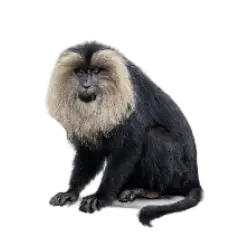 | A | 86/100 rarity stat | 86/100 rarity profile. Lion-tailed Macaque is a mammal known for silver mane around dark face, small canopy troop life, and rainforest fruit foraging, which places it in A tier for this list. | Baca panduan spesies |
| #193 | 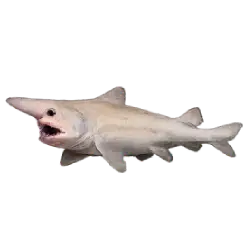 | A | 86/100 rarity stat | 86/100 rarity profile. Goblin Shark is a fish known for long blade-like snout, projecting jaws, and deep-sea habitat, which places it in A tier for this list. | Baca panduan spesies |
| #194 | 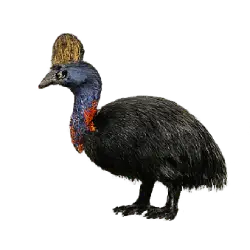 | A | 86/100 rarity stat | 86/100 rarity profile. Dwarf Cassowary is a bird known for glossy black body, blue throat skin, and forest-floor fruit stomping, which places it in A tier for this list. | Baca panduan spesies |
| #195 | 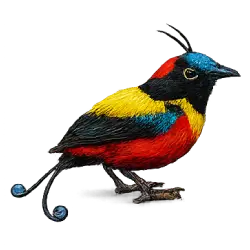 | A | 86/100 rarity stat | 86/100 rarity profile. Wilson's Bird-of-paradise is a bird known for spiraled tail wires, bright turquoise crown patch, and cleared-court dancing display, which places it in A tier for this list. | Baca panduan spesies |
| #196 | 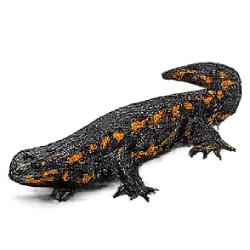 | A | 86/100 rarity stat | 86/100 rarity profile. Emperor Newt is a amphibian known for bright orange dorsal ridge, rough black skin, and streamside forest life, which places it in A tier for this list. | Baca panduan spesies |
| #197 |  | A | 86/100 rarity stat | 86/100 rarity profile. The Peacock Katydid teaches layered defense, which places it in A tier for this list. | Baca panduan spesies |
| #198 |  | A | 86/100 rarity stat | 86/100 rarity profile. Flame Bowerbird is framed by Flame Arrangement: a bird whose body and habits make sense in New Guinea forests, fruiting trees, and display areas, which places it in A tier for this list. | Baca panduan spesies |
| #199 |  | A | 86/100 rarity stat | 86/100 rarity profile. The Flower Hat Jelly teaches moving beauty, which places it in A tier for this list. | Baca panduan spesies |
| #200 | 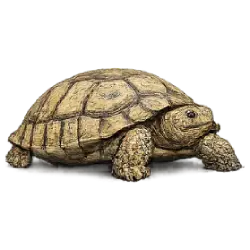 | A | 86/100 rarity stat | 86/100 rarity profile. Elongated Tortoise is a reptile known for stretched yellow-brown shell, strong forest-floor legs, and leaf-and-fruit browsing, which places it in A tier for this list. | Baca panduan spesies |
| #201 |  | A | 86/100 rarity stat | 86/100 rarity profile. The Greater Fairy Armadillo teaches that fragile things are not weak when they are properly protected, which places it in A tier for this list. | Baca panduan spesies |
| #202 |  | A | 86/100 rarity stat | 86/100 rarity profile. Xantus's Murrelet is a bird known for small black-and-white seabird body, fast low skimming flight, and night colony return to islands, which places it in A tier for this list. | Baca panduan spesies |
| #203 |  | A | 86/100 rarity stat | 86/100 rarity profile. The Picasso Moth teaches that scale is not the same as impact, which places it in A tier for this list. | Baca panduan spesies |
| #204 | 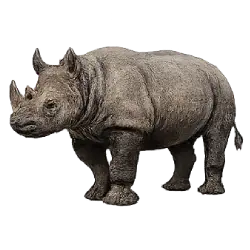 | A | 85/100 rarity stat | 85/100 rarity profile. The black rhinoceros is a browsing rhino recognized by its two horns, hooked upper lip, and powerful body, which places it in A tier for this list. | Baca panduan spesies |
| #205 |  | A | 85/100 rarity stat | 85/100 rarity profile. Sunda Clouded Leopard is framed by Clouded Canopy: a mammal whose body and habits make sense in Borneo and Sumatran rainforests, dense canopy, and forest edges, which places it in A tier for this list. | Baca panduan spesies |
| #206 | 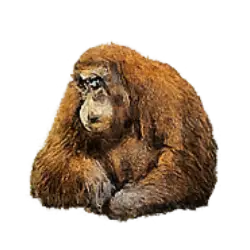 | A | 85/100 rarity stat | 85/100 rarity profile. Bornean Orangutan is a primate known for heavy arboreal frame, long grasping arms, and deliberate canopy travel, which places it in A tier for this list. | Baca panduan spesies |
| #207 | 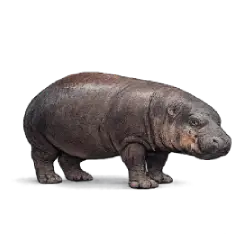 | A | 85/100 rarity stat | 85/100 rarity profile. Pygmy Hippopotamus is a mammal known for smaller forest hippo body, wet skin for humid life, and secretive streamside movement, which places it in A tier for this list. | Baca panduan spesies |
| #208 | 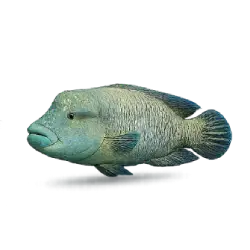 | A | 85/100 rarity stat | 85/100 rarity profile. Napoleon Wrasse is a fish known for large hump-headed reef body, thick lips, and crushing shellfish jaws, which places it in A tier for this list. | Baca panduan spesies |
| #209 | 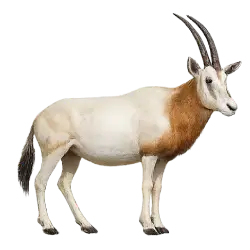 | A | 85/100 rarity stat | 85/100 rarity profile. Scimitar Oryx is the AnimalDex expression of Oryx Return: Hold the desert shape until restoration has a doorway, which places it in A tier for this list. | Baca panduan spesies |
| #210 |  | A | 85/100 rarity stat | 85/100 rarity profile. Dama Gazelle expresses Sahelgrace through long legs, pale neck and body pattern, arid browsing, and alert open-country movement make the survival lesson specific instead of generic, which places it in A tier for this list. | Baca panduan spesies |
| #211 | 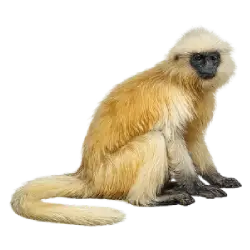 | A | 85/100 rarity stat | 85/100 rarity profile. Golden Langur explains Goldguard through a body and routine shaped for its exact problem, which places it in A tier for this list. | Baca panduan spesies |
| #212 | 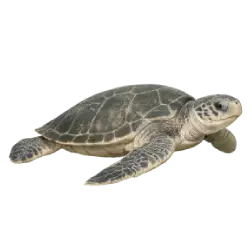 | A | 85/100 rarity stat | 85/100 rarity profile. Kemp Ridley Sea Turtle expresses Arribada through small sea turtle body, arribada nesting, crab feeding, and natal beach return make the Arribada principle specific rather than generic; body, habitat, and pressure all point back to the same lesson, which places it in A tier for this list. | Baca panduan spesies |
| #213 |  | A | 85/100 rarity stat | 85/100 rarity profile. The Stoplight Loosejaw teaches the power of private signals, which places it in A tier for this list. | Baca panduan spesies |
| #214 | 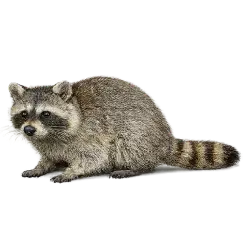 | A | 85/100 rarity stat | 85/100 rarity profile. Cozumel Raccoon expresses Island Edge Ingenuity through real survival details, not a generic symbol, which places it in A tier for this list. | Baca panduan spesies |
| #215 | 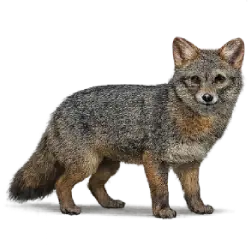 | A | 85/100 rarity stat | 85/100 rarity profile. Darwin's Fox teaches Rare Place through small forest fox dependent on limited Chilean habitat, which places it in A tier for this list. | Baca panduan spesies |
| #216 | 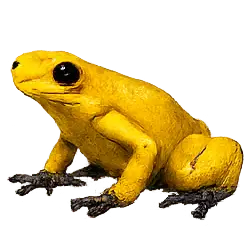 | A | 85/100 rarity stat | 85/100 rarity profile. Golden Poison Frog is a amphibian known for intense yellow warning skin, tiny agile body, and powerful skin toxins, which places it in A tier for this list. | Baca panduan spesies |
| #217 |  | A | 85/100 rarity stat | 85/100 rarity profile. Seychelles Magpie Robin expresses Recovered Song Territory through real survival details, not a generic symbol, which places it in A tier for this list. | Baca panduan spesies |
| #218 |  | A | 85/100 rarity stat | 85/100 rarity profile. The axolotl is an aquatic salamander famous for retaining larval features into adulthood, external gills, and remarkable tissue regeneration, which places it in A tier for this list. | Baca panduan spesies |
| #219 | 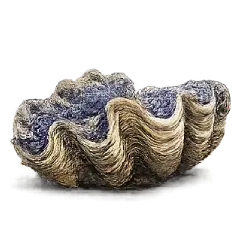 | A | 85/100 rarity stat | 85/100 rarity profile. Giant Clam is a marine mollusk known for immense shell size, sunlit algae partnership, and fixed reef life, which places it in A tier for this list. | Baca panduan spesies |
| #220 | 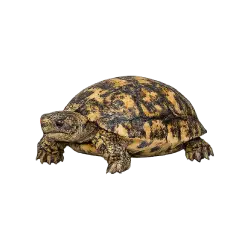 | A | 85/100 rarity stat | 85/100 rarity profile. Speckled Padloper Tortoise expresses Minishell through tiny domed shell, speckled camouflage, rocky crevice use, and careful dryland movement make the Minishell principle specific rather than generic; body, habitat, and pressure all point back to the same lesson, which places it in A tier for this list. | Baca panduan spesies |
| #221 | 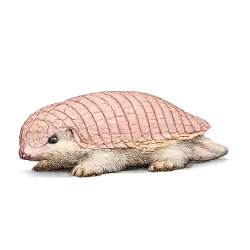 | A | 85/100 rarity stat | 85/100 rarity profile. Pink Fairy Armadillo carries Soft Armor as a hidden design: a fragile-looking pink shell and shovel claws let it disappear through sand instead of fighting in the open, which places it in A tier for this list. | Baca panduan spesies |
| #222 |  | A | 85/100 rarity stat | 85/100 rarity profile. Freshwater Pearl Mussel is the AnimalDex expression of Pearlbed Patience: Filter quietly until clean work becomes legacy, which places it in A tier for this list. | Baca panduan spesies |
| #223 | 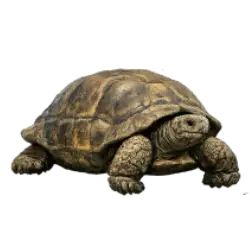 | A | 84/100 rarity stat | 84/100 rarity profile. Giant Tortoise is a reptile known for immense domed shell, long-lived slow grazing, and heavy columnar island-walking legs, which places it in A tier for this list. | Baca panduan spesies |
| #224 | 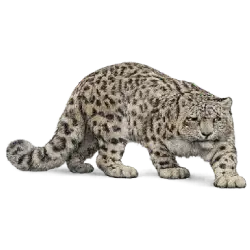 | A | 84/100 rarity stat | 84/100 rarity profile. Snow leopards are high-mountain cats built for cold, steep terrain, with long balancing tails, pale patterned coats, and elusive solitary behavior, which places it in A tier for this list. | Baca panduan spesies |
| #225 | 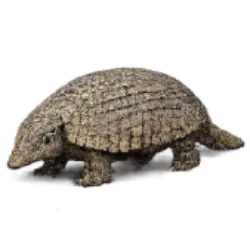 | A | 84/100 rarity stat | 84/100 rarity profile. Giant Armadillo is a mammal known for massive armored digging body, huge front claws, and night-active burrow engineering, which places it in A tier for this list. | Baca panduan spesies |
| #226 | 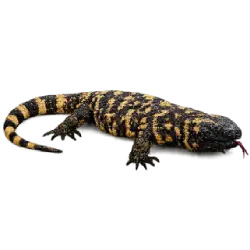 | A | 84/100 rarity stat | 84/100 rarity profile. Mexican Beaded Lizard is a reptile known for bumpy beaded skin, venomous bite, and slow deliberate movement, which places it in A tier for this list. | Baca panduan spesies |
| #227 |  | A | 84/100 rarity stat | 84/100 rarity profile. Uakari is a mammal known for bare bright-red face, short tail, and high-canopy seed-cracking troop life, which places it in A tier for this list. | Baca panduan spesies |
| #228 |  | A | 84/100 rarity stat | 84/100 rarity profile. The Portuguese Dogfish teaches quiet endurance, which places it in A tier for this list. | Baca panduan spesies |
| #229 |  | A | 84/100 rarity stat | 84/100 rarity profile. The Rainbow Stag Beetle shows that power does not have to be dull, which places it in A tier for this list. | Baca panduan spesies |
| #230 | 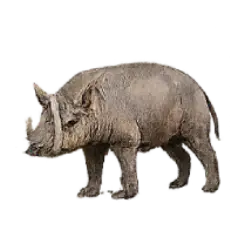 | A | 84/100 rarity stat | 84/100 rarity profile. Babirusas are unusual Indonesian wild pigs famous for curved tusks, long legs, and specialized forest foraging in Sulawesi and nearby islands, which places it in A tier for this list. | Baca panduan spesies |
| #231 | 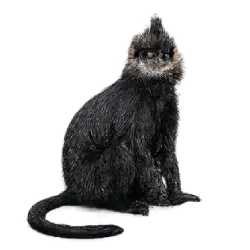 | A | 84/100 rarity stat | 84/100 rarity profile. Francois' Langur is a mammal known for black coat with pale sideburns, cliff-and-karst agility, and leaf-focused browsing, which places it in A tier for this list. | Baca panduan spesies |
| #232 | 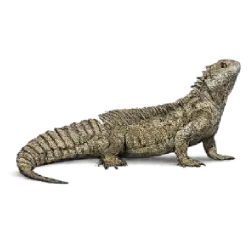 | A | 84/100 rarity stat | 84/100 rarity profile. Philippine Sailfin Lizard is a reptile known for tall sail-like tail crest, strong clawed riverbank limbs, and water-edge diving escapes, which places it in A tier for this list. | Baca panduan spesies |
| #233 | 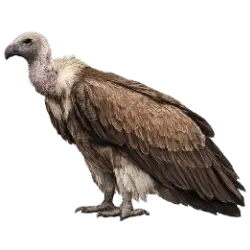 | A | 84/100 rarity stat | 84/100 rarity profile. White-backed Vulture is a bird known for pale-backed soaring body, bare scavenger head, and carcass-searching thermal flight, which places it in A tier for this list. | Baca panduan spesies |
| #234 | 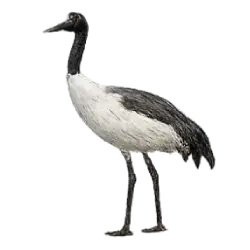 | A | 84/100 rarity stat | 84/100 rarity profile. Black-necked Crane is a bird known for black head and neck, red crown patch, and high-altitude bugling, which places it in A tier for this list. | Baca panduan spesies |
| #235 |  | A | 84/100 rarity stat | 84/100 rarity profile. The Ladybird Spider teaches that visibility can be timed, which places it in A tier for this list. | Baca panduan spesies |
| #236 |  | A | 84/100 rarity stat | 84/100 rarity profile. The Picasso Bug reminds us that warning does not have to be ugly, which places it in A tier for this list. | Baca panduan spesies |
| #237 |  | A | 84/100 rarity stat | 84/100 rarity profile. The Wire-tailed Manakin teaches the power of the finishing detail, which places it in A tier for this list. | Baca panduan spesies |
| #238 |  | A | 84/100 rarity stat | 84/100 rarity profile. The Rufous Potoo teaches that stillness is a skill, which places it in A tier for this list. | Baca panduan spesies |
| #239 | 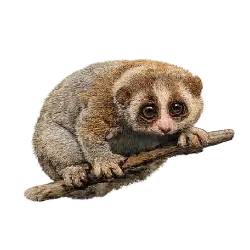 | A | 84/100 rarity stat | 84/100 rarity profile. Pygmy Slow Loris is a primate known for huge night-looking eyes, very slow branch movement, and strong gripping hands, which places it in A tier for this list. | Baca panduan spesies |
| #240 | 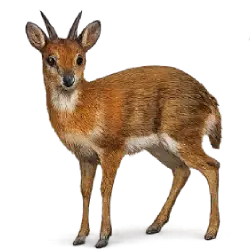 | A | 84/100 rarity stat | 84/100 rarity profile. Royal Antelope is a mammal known for pinhead-sized antelope frame, delicate spindle legs, and leaf-litter hiding, which places it in A tier for this list. | Baca panduan spesies |
| #241 | 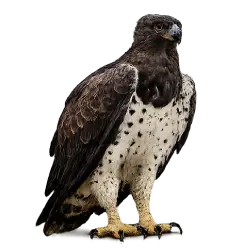 | A | 83/100 rarity stat | 83/100 rarity profile. Martial Eagle is a bird of prey known for long broad wings, massive prey-gripping talons, and treetop strike dive, which places it in A tier for this list. | Baca panduan spesies |
| #242 | 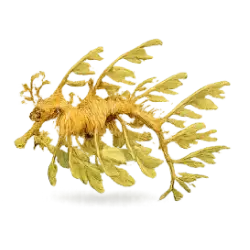 | A | 83/100 rarity stat | 83/100 rarity profile. Leafy Seadragon is a fish known for leaf-like body ornaments, slow drifting movement, and seaweed camouflage, which places it in A tier for this list. | Baca panduan spesies |
| #243 | 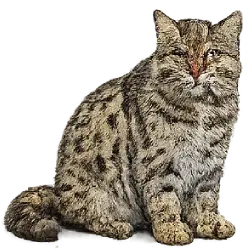 | A | 83/100 rarity stat | 83/100 rarity profile. Fishing Cat is a mammal known for partially webbed feet, stocky marsh-ready cat build, and water-edge stalking behavior, which places it in A tier for this list. | Baca panduan spesies |
| #244 | 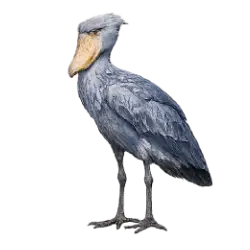 | A | 83/100 rarity stat | 83/100 rarity profile. The shoebill is a huge wetland bird with a massive shoe-shaped bill, slow stealthy movement, and a specialized taste for large swamp prey, which places it in A tier for this list. | Baca panduan spesies |
| #245 | 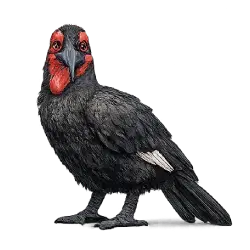 | A | 83/100 rarity stat | 83/100 rarity profile. Southern Ground Hornbill is a bird known for long-lashed facial skin, huge downward-curved bill, and ground-hunting stride, which places it in A tier for this list. | Baca panduan spesies |
| #246 | 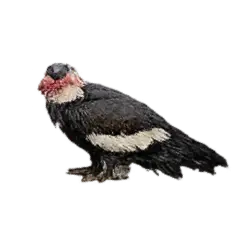 | A | 83/100 rarity stat | 83/100 rarity profile. Andean Condor is a bird known for enormous mountain wingspan, high-altitude soaring, and carrion-cleaning role, which places it in A tier for this list. | Baca panduan spesies |
| #247 | 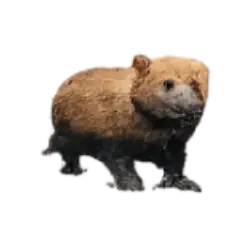 | A | 83/100 rarity stat | 83/100 rarity profile. Bush Dog is a mammal known for short-legged pack body, wetland-friendly feet, and cooperative chasing, which places it in A tier for this list. | Baca panduan spesies |
| #248 | 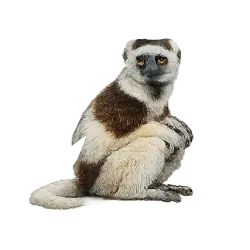 | A | 83/100 rarity stat | 83/100 rarity profile. Coquerel's Sifaka is a mammal known for sideways ground bounding, long balancing tail, and powerful vertical leaps, which places it in A tier for this list. | Baca panduan spesies |
| #249 | 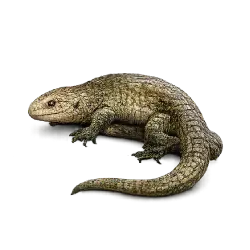 | A | 83/100 rarity stat | 83/100 rarity profile. Monkey-tailed Skink is a reptile known for prehensile tail grip, heavy olive scales, and slow canopy leaf browsing, which places it in A tier for this list. | Baca panduan spesies |
| #250 | 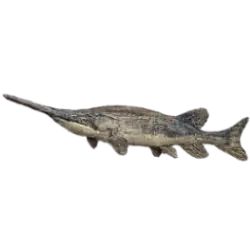 | A | 83/100 rarity stat | 83/100 rarity profile. American Paddlefish is a fish known for long paddle-like snout, gill-raker plankton filtering, and broad river cruising, which places it in A tier for this list. | Baca panduan spesies |
100/100 rarity profile. Vaquita is a marine mammal known for small dark-ringed eye patch, compact coastal porpoise body, and quiet shallow-water movement, which places it in S tier for this list.
Baca panduan spesies99/100 rarity profile. Javan Rhinoceros is a mammal known for single short horn, plate-folded grey skin, and dense lowland forest browsing, which places it in S tier for this list.
Baca panduan spesies99/100 rarity profile. Rain Frog Stone teaches Rain Timing through moisture awareness, still waiting, nocturnal calling, and sudden climbing movement, which places it in S tier for this list.
Baca panduan spesies99/100 rarity profile. Ploughshare Tortoise is a reptile known for high-domed golden shell, front shell projection, and slow dry-forest grazing, which places it in S tier for this list.
Baca panduan spesies99/100 rarity profile. Monte Iberia Eleuth is a amphibian known for extremely tiny frog body, leaf-litter camouflage, and high forest-floor moisture dependence, which places it in S tier for this list.
Baca panduan spesies99/100 rarity profile. Panamanian Golden Frog is a amphibian known for bright yellow body, semaphore foot-waving signals, and fast mountain-stream life, which places it in S tier for this list.
Baca panduan spesies99/100 rarity profile. The kakapo is a heavy flightless parrot from New Zealand, known for nocturnal habits, climbing skill, and extreme rarity, which places it in S tier for this list.
Baca panduan spesies98/100 rarity profile. Sumatran Rhinoceros is a mammal known for hairy compact rhino build, prehensile browsing lip, and steep rainforest movement, which places it in S tier for this list.
Baca panduan spesies98/100 rarity profile. Philippine Crocodile is a reptile known for short broad snout, heavy armored scales, and shy riverbank basking, which places it in S tier for this list.
Baca panduan spesies98/100 rarity profile. Tapanuli Orangutan is a primate known for shaggy mountain coat, isolated forest adaptation, and careful branch and ridge travel, which places it in S tier for this list.
Baca panduan spesies98/100 rarity profile. Steppe Turtle teaches Moving Shelter through burrowing, drought tolerance, compact armor, and patient movement, which places it in S tier for this list.
Baca panduan spesies98/100 rarity profile. Northern Hairy-nosed Wombat is a mammal known for broad blunt muzzle, strong burrowing forelimbs, and night-grazing dryland movement, which places it in S tier for this list.
Baca panduan spesies98/100 rarity profile. Saimaa Ringed Seal is a mammal known for ringed gray coat, thick freshwater seal body, and snow-lair breeding on lake ice, which places it in S tier for this list.
Baca panduan spesies98/100 rarity profile. Saola is a mammal known for long parallel horns, secretive forest behavior, and narrow mountain rainforest range, which places it in S tier for this list.
Baca panduan spesies98/100 rarity profile. Hawaiian Crow is the AnimalDex expression of Crow Comeback Mind: Keep intelligence alive even when the forest goes quiet, which places it in S tier for this list.
Baca panduan spesies98/100 rarity profile. Madagascar Pochard is a bird known for chestnut diving-duck body, pale alert eyes, and deep freshwater diving, which places it in S tier for this list.
Baca panduan spesies98/100 rarity profile. Spoon-billed Sandpiper is a bird known for tiny spoon-shaped bill tip, small shorebird running gait, and long-distance migratory route, which places it in S tier for this list.
Baca panduan spesies98/100 rarity profile. Geometric Tortoise is a reptile known for bold yellow geometric shell lines, high-domed small body, and fynbos browsing, which places it in S tier for this list.
Baca panduan spesies97/100 rarity profile. Philippine Eagle is a bird of prey known for massive hooked bill, long crest feathers, and broad rainforest hunting wings, which places it in S tier for this list.
Baca panduan spesies97/100 rarity profile. Gharial is a reptile known for long narrow fish-catching snout, river-specialist body, and sandbank nesting, which places it in S tier for this list.
Baca panduan spesies97/100 rarity profile. Visayan Warty Pig is a mammal known for bristled dark island coat, facial wart bumps, and forest-rooting herd behavior, which places it in S tier for this list.
Baca panduan spesies97/100 rarity profile. Earless Monitor Lizard is a reptile known for bead-scaled dark brown body, small external-earless head, and secretive streamside burrowing, which places it in S tier for this list.
Baca panduan spesies97/100 rarity profile. Tooth-billed Pigeon is a bird known for heavy curved bill, dark island-forest body, and ground-and-branch fruit foraging, which places it in S tier for this list.
Baca panduan spesies97/100 rarity profile. Takahe is a bird known for heavy cobalt flightless body, thick red bill, and alpine tussock grazing, which places it in S tier for this list.
Baca panduan spesies97/100 rarity profile. Dusky Gopher Frog is a amphibian known for squat dark-spotted body, deep burrow sheltering, and explosive rain breeding, which places it in S tier for this list.
Baca panduan spesies96/100 rarity profile. Naga Snake teaches Crowned Warning through height, hood display, nest defense, and snake-hunting specialization, which places it in S tier for this list.
Baca panduan spesies96/100 rarity profile. Amur Leopard is a mammal known for thick winter rosette coat, long cold-ready limbs, and solitary forest stalking behavior, which places it in S tier for this list.
Baca panduan spesies96/100 rarity profile. Siamese Crocodile is a reptile known for narrow armored snout, olive ridged body, and freshwater ambush stillness, which places it in S tier for this list.
Baca panduan spesies96/100 rarity profile. Sinai Dragon teaches Heat Stillness through desert endurance, burrow safety, armored scales, and careful energy use, which places it in S tier for this list.
Baca panduan spesies96/100 rarity profile. Sleeping Sea Lion teaches Rested Surge through shore resting, underwater speed, social calls, and reef hunting, which places it in S tier for this list.
Baca panduan spesies96/100 rarity profile. Coastal Seal Stone teaches Element Switch through rocky hauling grounds, agile swimming, social breeding colonies, and marine hunting, which places it in S tier for this list.
Baca panduan spesies96/100 rarity profile. Desert Camel Sentinel teaches Reserve March through fat-storing humps, tough feet, dryland endurance, and steady movement, which places it in S tier for this list.
Baca panduan spesies96/100 rarity profile. Helmeted Hornbill is a bird known for solid casque-topped bill, long central tail feathers, and far-carrying forest calls, which places it in S tier for this list.
Baca panduan spesies96/100 rarity profile. Yangtze Finless Porpoise is a freshwater mammal known for finless smooth-backed body, rounded echo-focused forehead, and turbid river-surface rolling, which places it in S tier for this list.
Baca panduan spesies96/100 rarity profile. Addax is a mammal known for pale desert coat, wide spreading hooves, and slow-energy dryland survival, which places it in S tier for this list.
Baca panduan spesies96/100 rarity profile. Greater Bamboo Lemur is a mammal known for powerful bamboo-chewing jaws, gray-brown lemur coat, and tall-culm climbing, which places it in S tier for this list.
Baca panduan spesies96/100 rarity profile. Scaly-foot Snail teaches Armor because its real biology turns metal-armored vent snail traits into a usable survival lesson, which places it in S tier for this list.
Baca panduan spesies96/100 rarity profile. Siberian Crane is a bird known for tall white marsh body, red bare face, and long-distance wetland migration, which places it in S tier for this list.
Baca panduan spesies96/100 rarity profile. Hirola is a mammal known for long alert face, lyre-shaped horns, and dry grassland herd vigilance, which places it in S tier for this list.
Baca panduan spesies96/100 rarity profile. Giant Ibis is a bird known for long down-curved bill, deep dark body, and seasonal wetland probing walk, which places it in S tier for this list.
Baca panduan spesies96/100 rarity profile. Bawean Deer is a mammal known for small island deer frame, short upright antlers, and low-cover forest browsing, which places it in S tier for this list.
Baca panduan spesies96/100 rarity profile. The Marvellous Spatuletail is not just beautiful; it is controlled, which places it in S tier for this list.
Baca panduan spesies96/100 rarity profile. The Red Handfish teaches that movement does not need to look normal to matter, which places it in S tier for this list.
Baca panduan spesies95/100 rarity profile. Malayan Tiger is a mammal known for tight striped forest coat, compact tropical-cat frame, and dense-cover ambush movement, which places it in S tier for this list.
Baca panduan spesies95/100 rarity profile. Sumatran Tiger is a mammal known for dense dark striping, compact forest-hunting build, and thick-cover stealth movement, which places it in S tier for this list.
Baca panduan spesies95/100 rarity profile. Fairy-Tomb Elephant teaches Gentle Weight through family bonds, quiet strength, trunk skill, and long memory, which places it in S tier for this list.
Baca panduan spesies95/100 rarity profile. Dragon's Back Ridge Serpent teaches Visible Boundary through hood display, fast warning, venom defense, and ridge-like body movement, which places it in S tier for this list.
Baca panduan spesies95/100 rarity profile. Chinese Alligator is a reptile known for short broad snout, armored dark body, and burrowed winter dormancy, which places it in S tier for this list.
Baca panduan spesies95/100 rarity profile. Jeju Dragon Head teaches Route Flex through climbing, constriction, habitat variety, and quiet movement, which places it in S tier for this list.
Baca panduan spesies95/100 rarity profile. Smalltooth Sawfish is a fish known for saw-like toothy snout, shallow coastal movement, and bottom-hunting glide, which places it in S tier for this list.
Baca panduan spesies95/100 rarity profile. Tamaraw explains Islandhold through a body and routine shaped for its exact problem, which places it in S tier for this list.
Baca panduan spesies95/100 rarity profile. Largetooth Sawfish is a fish known for long tooth-lined saw rostrum, broad estuary-moving body, and muddy-water bottom cruising, which places it in S tier for this list.
Baca panduan spesies95/100 rarity profile. Kipunji is a mammal known for upright crest of head hair, loud honking contact calls, and montane forest troop movement, which places it in S tier for this list.
Baca panduan spesies95/100 rarity profile. The California condor is a giant soaring scavenger famous for its enormous wingspan and conservation comeback efforts, which places it in S tier for this list.
Baca panduan spesies95/100 rarity profile. Indus River Dolphin is a freshwater mammal known for long narrow beak, tiny vision-reduced eyes, and muddy-channel sonar movement, which places it in S tier for this list.
Baca panduan spesies95/100 rarity profile. Mountain Tapir is a mammal known for woolly highland coat, short flexible snout, and cold-cloud-forest browsing, which places it in S tier for this list.
Baca panduan spesies95/100 rarity profile. Woylie is a mammal known for long pointed digging snout, brush-tipped tail, and fungus-finding nocturnal hopping, which places it in S tier for this list.
Baca panduan spesies95/100 rarity profile. Northern Bald Ibis is a bird known for bare red wrinkled head, shaggy black body sheen, and cliff-colony nesting, which places it in S tier for this list.
Baca panduan spesies95/100 rarity profile. The Bali myna is a striking white starling with blue skin around the eye, a crest, and an extremely limited natural range on the island of Bali, which places it in S tier for this list.
Baca panduan spesies95/100 rarity profile. Ultramarine Lorikeet is a bird known for deep ultramarine-blue plumage, brush-tipped nectar tongue, and flowering-canopy flock movement, which places it in S tier for this list.
Baca panduan spesies95/100 rarity profile. Titicaca Water Frog is a amphibian known for deeply wrinkled water-breathing skin, large lake-dwelling body, and cold high-altitude aquatic life, which places it in S tier for this list.
Baca panduan spesies95/100 rarity profile. Javan Slow Loris is a mammal known for huge forward-facing eyes, toxic defensive bite, and slow branch-crawling grip, which places it in S tier for this list.
Baca panduan spesies95/100 rarity profile. Night Parrots are elusive Australian desert birds associated with spinifex, night movement, and extremely low detectability, which places it in S tier for this list.
Baca panduan spesies95/100 rarity profile. Hamilton's Frog is a amphibian known for tiny ancient frog body, earless low-sound anatomy, and rock-shelter moisture dependence, which places it in S tier for this list.
Baca panduan spesies95/100 rarity profile. Socorro Dove expresses Lost-Island Gentleness through real survival details, not a generic symbol, which places it in S tier for this list.
Baca panduan spesies95/100 rarity profile. Bog Turtle is the AnimalDex expression of Bog-Shell Caution: Trust the wet ground slowly, then disappear into cover, which places it in S tier for this list.
Baca panduan spesies94/100 rarity profile. Stone Dragon teaches Apex Patience through ambush hunting, immense size, serrated teeth, and island dominance, which places it in S tier for this list.
Baca panduan spesies94/100 rarity profile. Stone Shark Fin teaches Apex Signal through dorsal silhouette, sensory range, ambush speed, and ocean dominance, which places it in S tier for this list.
Baca panduan spesies94/100 rarity profile. Sky Tigress teaches Silent Ascent through solitary range control, striped camouflage, patient stalking, and decisive attack, which places it in S tier for this list.
Baca panduan spesies94/100 rarity profile. Troll Rhino Beast teaches Living Monolith through armor-like skin, mass, grazing endurance, and territorial force, which places it in S tier for this list.
Baca panduan spesies94/100 rarity profile. AlUla Sand Elephant teaches Memory Path through matriarchal groups, long-range movement, water knowledge, and immense strength, which places it in S tier for this list.
Baca panduan spesies94/100 rarity profile. Nargun Stone Beast teaches Scent Trail through climbing, scavenging, forked-tongue investigation, and forest-edge alertness, which places it in S tier for this list.
Baca panduan spesies94/100 rarity profile. Mangshan Pit Viper is a reptile known for jade green patterned body, heat-sensing pit organs, and heavy still ambush coils, which places it in S tier for this list.
Baca panduan spesies94/100 rarity profile. Monkey Pillar teaches Social Compass through troop structure, seasonal adaptation, alert faces, and social learning, which places it in S tier for this list.
Baca panduan spesies94/100 rarity profile. Lake Oku Clawed Frog is a amphibian known for fully aquatic clawed feet, smooth dark lake body, and high-altitude crater-lake life, which places it in S tier for this list.
Baca panduan spesies94/100 rarity profile. Blue Tree Monitor is a reptile known for electric blue body pattern, long prehensile tail, and canopy climbing agility, which places it in S tier for this list.
Baca panduan spesies94/100 rarity profile. The Psychedelic Frogfish shows that invisibility can be active strategy, which places it in S tier for this list.
Baca panduan spesies94/100 rarity profile. Cotton-top Tamarin is a mammal known for wild white crest hair, tiny agile monkey body, and cooperative troop life, which places it in S tier for this list.
Baca panduan spesies94/100 rarity profile. Beira is a mammal known for oversized alert ears, tiny gray-tan body, and rocky scrub sure-footing, which places it in S tier for this list.
Baca panduan spesies94/100 rarity profile. The Spotted Handfish teaches local responsibility, which places it in S tier for this list.
Baca panduan spesies94/100 rarity profile. Indochinese Box Turtle is a reptile known for hinged closing shell, striped yellow head, and leaf-litter forest hiding, which places it in S tier for this list.
Baca panduan spesies94/100 rarity profile. The Pink See-through Fantasia teaches vulnerable adaptation, which places it in S tier for this list.
Baca panduan spesies94/100 rarity profile. Golden Mantella is a amphibian known for bright orange warning skin, tiny leaf-litter body, and mossy wet-forest hopping, which places it in S tier for this list.
Baca panduan spesies93/100 rarity profile. Royal Lion Rock teaches Pride Command through social hunting, territorial roaring, coalition power, and cub defense, which places it in S tier for this list.
Baca panduan spesies93/100 rarity profile. Stone Whale Pod teaches Deep Signal through echolocation, deep diving, social pods, and pressure endurance, which places it in S tier for this list.
Baca panduan spesies93/100 rarity profile. Mary River Turtle is a reptile known for green algae-growing head hair, large paddle feet, and river-bottom basking and grazing, which places it in S tier for this list.
Baca panduan spesies93/100 rarity profile. Piping Plover is a bird known for small sand-colored shorebird body, thin black neck band, and stop-start beach running, which places it in S tier for this list.
Baca panduan spesies93/100 rarity profile. Giant Stick Insect is a insect known for extra-long twig body, bark-brown camouflage, and nocturnal branch climbing, which places it in S tier for this list.
Baca panduan spesies92/100 rarity profile. Great Bear Claw Guardian teaches Claw Boundary through power, range awareness, maternal defense, and seasonal patience, which places it in S tier for this list.
Baca panduan spesies92/100 rarity profile. Mountain Gorilla Silverback teaches Silverback Center through the way mountain Gorilla silverbacks lead and protect family groups using size, displays, and social awareness more than constant aggression, which places it in S tier for this list.
Baca panduan spesies92/100 rarity profile. Sumatran Orangutan is a primate known for slimmer canopy build, long flexible reach, and fine-scale branch navigation, which places it in S tier for this list.
Baca panduan spesies92/100 rarity profile. Golden Lancehead teaches Island Specialization through island pit viper shaped by one rare place, which places it in S tier for this list.
Baca panduan spesies92/100 rarity profile. Red Wolf is a mammal known for slim reddish canid frame, long-legged wetland stride, and pair-and-pack territory calling, which places it in S tier for this list.
Baca panduan spesies92/100 rarity profile. The Wonderpus Octopus teaches adaptive intelligence, which places it in S tier for this list.
Baca panduan spesies92/100 rarity profile. Bowmouth Guitarfish is a fish known for broad shark-ray body, white-spotted armored back, and bottom-resting reef patrol, which places it in S tier for this list.
Baca panduan spesies92/100 rarity profile. Chinese Crocodile Lizard is a reptile known for armor-like ridged tail, semi-aquatic stillness, and narrow stream habitat dependence, which places it in S tier for this list.
Baca panduan spesies92/100 rarity profile. Darwin's Bark Spider turns empty air into hunting ground, which places it in S tier for this list.
Baca panduan spesies92/100 rarity profile. Walia Ibex is a mammal known for heavy ridged scimitar horns, tan cliff-running body, and high escarpment grazing, which places it in S tier for this list.
Baca panduan spesies92/100 rarity profile. Nene is a bird known for buff-barred neck, reduced webbing, and lava-field grazing, which places it in S tier for this list.
Baca panduan spesies92/100 rarity profile. The Chinese giant salamander is one of the world’s largest amphibians, a river-bottom predator built for cool fast water and hidden rocky shelter, which places it in S tier for this list.
Baca panduan spesies92/100 rarity profile. Coelacanth is a fish known for ancient lobe-finned body plan, deep cave-sea life, and slow nocturnal movement, which places it in S tier for this list.
Baca panduan spesies92/100 rarity profile. The whooping crane is a tall white wetland bird known for its red crown, bugling call, and conservation story, which places it in S tier for this list.
Baca panduan spesies92/100 rarity profile. The Hoff Crab teaches that survival is local, which places it in S tier for this list.
Baca panduan spesies92/100 rarity profile. The Sunda pangolin is a scale-covered Southeast Asian mammal specialized for feeding on ants and termites with strong claws and a long adhesive tongue, which places it in S tier for this list.
Baca panduan spesies92/100 rarity profile. Kagu is a bird known for ash-gray crested body, broad barred wings for display, and ground-living forest patrol, which places it in S tier for this list.
Baca panduan spesies92/100 rarity profile. The Ribbon-tailed Astrapia teaches that bold signals have weight, which places it in S tier for this list.
Baca panduan spesies92/100 rarity profile. Tenkile carries New Direction as a kangaroo body reimagined upward: strong limbs, gripping paws, and a mountain canopy turn an old ground plan into a rare forest future, which places it in S tier for this list.
Baca panduan spesies92/100 rarity profile. Lord Howe Woodhen expresses Grounded Island Return through real survival details, not a generic symbol, which places it in S tier for this list.
Baca panduan spesies92/100 rarity profile. Radiated Tortoise is a reptile known for starburst shell pattern, domed dryland shell, and slow thorn-scrub grazing, which places it in S tier for this list.
Baca panduan spesies92/100 rarity profile. The Mirror Spider is a lesson in adjustable visibility, which places it in S tier for this list.
Baca panduan spesies92/100 rarity profile. Purple Frog is a amphibian known for round purple burrowing body, tiny eyes, and short yearly surface window, which places it in S tier for this list.
Baca panduan spesies92/100 rarity profile. The Brazilian Treehopper shows that structure can be signal, which places it in S tier for this list.
Baca panduan spesies92/100 rarity profile. The Skeleton Panda Sea Squirt teaches the visual power of repetition, which places it in S tier for this list.
Baca panduan spesies91/100 rarity profile. Tripod Fish is a fish known for extra-long fin stilts, deep-sea standing posture, and current-facing ambush waiting, which places it in S tier for this list.
Baca panduan spesies91/100 rarity profile. Greater Adjutant is a bird known for massive bald-headed stork frame, dangling neck pouch, and slow scavenging wetland stride, which places it in S tier for this list.
Baca panduan spesies91/100 rarity profile. Nile Lechwe is a mammal known for elongated marsh-running hooves, golden-brown wetland coat, and shallow-water herd movement, which places it in S tier for this list.
Baca panduan spesies91/100 rarity profile. Saiga Antelope is a mammal known for strange inflatable nose, dust-filtering steppe adaptation, and mass migration across open country, which places it in S tier for this list.
Baca panduan spesies91/100 rarity profile. Pink Pigeon is a bird known for soft pink body, red bill, and island woodland flock life, which places it in S tier for this list.
Baca panduan spesies91/100 rarity profile. The tuatara is an ancient reptile of New Zealand, valued for slow growth, long life, and unusual evolutionary history, which places it in S tier for this list.
Baca panduan spesies91/100 rarity profile. The Twelve-wired Bird-of-paradise reminds us that communication is not only seen or heard, which places it in S tier for this list.
Baca panduan spesies90/100 rarity profile. Cuban Crocodile is a reptile known for long-legged athletic build, broad powerful jaws, and restricted island swamp range, which places it in S tier for this list.
Baca panduan spesies90/100 rarity profile. Galápagos Sea Lion is a mammal known for stored resting power, surf agility bursts, and island haul-out balance, which places it in S tier for this list.
Baca panduan spesies90/100 rarity profile. Barreleye is a fish known for transparent head shield, upward-pointing tubular eyes, and midwater deep-sea hovering, which places it in S tier for this list.
Baca panduan spesies90/100 rarity profile. Black-and-white Ruffed Lemur is a mammal known for black-and-white shaggy coat, loud carrying calls, and fruit-heavy canopy feeding, which places it in S tier for this list.
Baca panduan spesies90/100 rarity profile. The Trilobite Beetle feels like a message from deep time, which places it in S tier for this list.
Baca panduan spesies90/100 rarity profile. Gouldian Finch is a bird known for purple chest and green back, bright tri-color face, and grass-seed flocking, which places it in S tier for this list.
Baca panduan spesies90/100 rarity profile. The Standardwing Bird-of-paradise shows that performance is design in motion, which places it in S tier for this list.
Baca panduan spesies90/100 rarity profile. Wahnes's Parotia teaches that performance is built before it is seen, which places it in S tier for this list.
Baca panduan spesies90/100 rarity profile. Long-wattled Umbrellabird is a bird known for umbrella-like head crest, long chest wattle, and deep booming display calls, which places it in S tier for this list.
Baca panduan spesies90/100 rarity profile. Olm is a amphibian known for blind cave-dwelling body, external gills, and extreme low-energy underground life, which places it in S tier for this list.
Baca panduan spesies90/100 rarity profile. The Horned Sungem teaches the power of a brief, brilliant signal, which places it in S tier for this list.
Baca panduan spesies90/100 rarity profile. The Sea Bunny Nudibranch is a reminder that softness can be sophisticated, which places it in S tier for this list.
Baca panduan spesies90/100 rarity profile. The Harp Sponge teaches structural patience, which places it in S tier for this list.
Baca panduan spesies90/100 rarity profile. Ili Pika teaches Alpine Preparation through small mountain pika stacking survival before winter, which places it in S tier for this list.
Baca panduan spesies90/100 rarity profile. Yeti Crab teaches Vent Gardening through a deep-sea life that tends food where sunlight never reaches, which places it in S tier for this list.
Baca panduan spesies89/100 rarity profile. Iberian Lynx is a mammal known for tufted ears and beard, short powerful tail, and rabbit-focused scrub hunting, which places it in A tier for this list.
Baca panduan spesies89/100 rarity profile. Orangutans are large arboreal apes famous for deliberate movement, long learning periods, and strong dependence on complex tropical forest canopies, which places it in A tier for this list.
Baca panduan spesies89/100 rarity profile. Boelen's Python is a reptile known for iridescent dark scales, pale banding across body, and cool-mountain forest climbing, which places it in A tier for this list.
Baca panduan spesies89/100 rarity profile. Mountain Nyala is a mammal known for white body stripes, spiraled horns, and misty highland browsing, which places it in A tier for this list.
Baca panduan spesies89/100 rarity profile. Golden Lion Tamarin is a primate known for bright orange mane-like fur, tiny agile tree body, and family-group canopy life, which places it in A tier for this list.
Baca panduan spesies89/100 rarity profile. Chiru is a mammal known for pale high-altitude coat, slender black horns, and long-distance plateau running, which places it in A tier for this list.
Baca panduan spesies89/100 rarity profile. Black-breasted Leaf Turtle is a reptile known for sharply keeled shell, leaf-litter camouflage, and steep-forest walking, which places it in A tier for this list.
Baca panduan spesies88/100 rarity profile. Giant Squid carries Deep-Grip Mystery through a specific body plan, habitat choice, and survival rhythm, which places it in A tier for this list.
Baca panduan spesies88/100 rarity profile. Beluga Sturgeon is a fish known for armored scute rows, protrusible bottom-feeding mouth, and immense migratory river size, which places it in A tier for this list.
Baca panduan spesies88/100 rarity profile. Hawksbill Sea Turtle is a reptile known for narrow hawk-like beak, reef-feeding specialization, and beautiful overlapping shell scutes, which places it in A tier for this list.
Baca panduan spesies88/100 rarity profile. Lowland Anoa is a mammal known for small buffalo body, straight pointed horns, and forest-shadow browsing, which places it in A tier for this list.
Baca panduan spesies88/100 rarity profile. Zebra Duiker is a mammal known for striped forest coat, small sturdy antelope frame, and fruit-and-leaf browsing, which places it in A tier for this list.
Baca panduan spesies88/100 rarity profile. Andean Mountain Cat expresses Thin-Air Solitude through real survival details, not a generic symbol, which places it in A tier for this list.
Baca panduan spesies88/100 rarity profile. Baird's Tapir is a mammal known for short trunk-like nose, forest seed-spreading habit, and strong swimming ability, which places it in A tier for this list.
Baca panduan spesies88/100 rarity profile. Great Hornbill is a bird known for massive yellow casque bill, black-and-white wings, and fruit-carrying canopy flight, which places it in A tier for this list.
Baca panduan spesies88/100 rarity profile. Gulper Eel's power is Wide-Mouth Opportunity: huge expandable mouth and elastic deep-sea feeding design, which places it in A tier for this list.
Baca panduan spesies88/100 rarity profile. The Splendid Toadfish shows that brilliance can live close to the ground, which places it in A tier for this list.
Baca panduan spesies88/100 rarity profile. Nilgiri Tahr is a mammal known for stocky mountain goat body, curving heavy horns, and grass-slope sure-footing, which places it in A tier for this list.
Baca panduan spesies88/100 rarity profile. Oceanic Whitetip Shark is a fish known for long rounded white-tipped fins, open-ocean cruising, and patrolling pelagic hunting, which places it in A tier for this list.
Baca panduan spesies88/100 rarity profile. The Peacock Tarantula is a reminder that beauty is not softness, which places it in A tier for this list.
Baca panduan spesies88/100 rarity profile. Red-shanked Douc is a primate known for bright multi-colored fur, leaf-eating monkey diet, and high-canopy social life, which places it in A tier for this list.
Baca panduan spesies88/100 rarity profile. Dibatag is a mammal known for very long thin neck, slender pointed face, and light desert step running, which places it in A tier for this list.
Baca panduan spesies88/100 rarity profile. Glass Octopus expresses Transparent Deep Wonder through real survival details, not a generic symbol, which places it in A tier for this list.
Baca panduan spesies88/100 rarity profile. Matschie's Tree Kangaroo is a mammal known for strong branch-climbing limbs, dense mountain-forest fur, and tail-balanced canopy movement, which places it in A tier for this list.
Baca panduan spesies88/100 rarity profile. Dumbo Octopus teaches Ease because its real biology turns deep-sea finned octopus traits into a usable survival lesson, which places it in A tier for this list.
Baca panduan spesies88/100 rarity profile. Black-footed Ferret is a mammal known for long prairie-tunnel body, dark facial mask, and burrow-chasing hunting style, which places it in A tier for this list.
Baca panduan spesies88/100 rarity profile. Goliath Frog is a amphibian known for enormous frog body size, powerful river-jumping legs, and boulder-stream habitat use, which places it in A tier for this list.
Baca panduan spesies88/100 rarity profile. Red-crowned Crane is a bird known for tall white body with black wings, red crown patch, and courtship dancing in wetlands, which places it in A tier for this list.
Baca panduan spesies88/100 rarity profile. The Golden-fronted Bowerbird teaches that communication is not only the message, which places it in A tier for this list.
Baca panduan spesies88/100 rarity profile. The Giraffe-necked Weevil teaches that odd proportions can be powerful, which places it in A tier for this list.
Baca panduan spesies88/100 rarity profile. Golden-headed Lion Tamarin is a mammal known for golden mane around dark face, claw-like gripping fingers, and fruit-and-insect canopy hunting, which places it in A tier for this list.
Baca panduan spesies88/100 rarity profile. The Turtle Frog teaches that odd design can be perfect for a hidden job, which places it in A tier for this list.
Baca panduan spesies88/100 rarity profile. The numbat is a small striped Australian marsupial specialized for eating termites during the day, which places it in A tier for this list.
Baca panduan spesies88/100 rarity profile. Cuban Solenodon is Ancient Cleverness with a long snout and venomous bite, which places it in A tier for this list.
Baca panduan spesies88/100 rarity profile. Malagasy Giant Rat expresses Nightgiant through large rodent body, nocturnal caution, burrow refuge, and jumping ability make the survival lesson specific instead of generic, which places it in A tier for this list.
Baca panduan spesies88/100 rarity profile. The Violin Beetle shows how constraint can become design, which places it in A tier for this list.
Baca panduan spesies88/100 rarity profile. Long-tailed Chinchilla is a mammal known for extremely soft dense fur, large heat-shedding ears, and rock-crevice highland hopping, which places it in A tier for this list.
Baca panduan spesies88/100 rarity profile. The Happy-face Spider reminds us that not all influence is loud, which places it in A tier for this list.
Baca panduan spesies88/100 rarity profile. Pygmy Three-toed Sloth teaches Island Slowness through mangrove island sloth restricted to one small world, which places it in A tier for this list.
Baca panduan spesies87/100 rarity profile. Lappet-faced Vulture is a bird known for huge bald head, dangling neck lappets, and bone-tough carcass-opening bill, which places it in A tier for this list.
Baca panduan spesies87/100 rarity profile. Indri is a mammal known for black-and-white upright body, long carrying forest calls, and vertical trunk-clinging leaps, which places it in A tier for this list.
Baca panduan spesies87/100 rarity profile. Drill is a primate known for powerful dark body, bold face markings, and large troop forest life, which places it in A tier for this list.
Baca panduan spesies87/100 rarity profile. Humphead Parrotfish is a fish known for bulging forehead, beaklike coral-crushing mouth, and schooling reef grazing, which places it in A tier for this list.
Baca panduan spesies87/100 rarity profile. The aye-aye is a rare Madagascan primate known for huge ears, ever-growing teeth, and a long thin middle finger used to find food in wood, which places it in A tier for this list.
Baca panduan spesies87/100 rarity profile. The hellbender is a large fully aquatic salamander that lives under rocks in clean fast streams and breathes heavily through folded skin, which places it in A tier for this list.
Baca panduan spesies87/100 rarity profile. Spotted Turtle is a reptile known for black shell with bright yellow spots, small semi-aquatic body, and marsh-edge wandering, which places it in A tier for this list.
Baca panduan spesies86/100 rarity profile. The tiger is a large striped cat built for stealth, ambush, and territorial control across forests, wetlands, and grassland edges in Asia, which places it in A tier for this list.
Baca panduan spesies86/100 rarity profile. Gorillas are the largest living primates, built around immense upper-body strength, social family groups, and forest-based foraging rather than predatory violence, which places it in A tier for this list.
Baca panduan spesies86/100 rarity profile. The Arowana teaches upward attention, which places it in A tier for this list.
Baca panduan spesies86/100 rarity profile. Drill Monkey is a mammal known for dark muscular monkey build, short tail, and powerful forest-floor troop movement, which places it in A tier for this list.
Baca panduan spesies86/100 rarity profile. The okapi is a secretive forest relative of the giraffe, known for velvet fur, striped legs, and a very long tongue, which places it in A tier for this list.
Baca panduan spesies86/100 rarity profile. The Popeyed Scorpionfish teaches that stillness does not mean helplessness, which places it in A tier for this list.
Baca panduan spesies86/100 rarity profile. The Black Swallower is a warning and a lesson, which places it in A tier for this list.
Baca panduan spesies86/100 rarity profile. The Panda Ant is a lesson in misread appearances, which places it in A tier for this list.
Baca panduan spesies86/100 rarity profile. Black Lechwe is a mammal known for dark marsh-adapted coat, elongated wet-ground hooves, and floodplain herd movement, which places it in A tier for this list.
Baca panduan spesies86/100 rarity profile. Dhole is a mammal known for red wild-dog body, strong pack communication, and long-distance pursuit, which places it in A tier for this list.
Baca panduan spesies86/100 rarity profile. Lion-tailed Macaque is a mammal known for silver mane around dark face, small canopy troop life, and rainforest fruit foraging, which places it in A tier for this list.
Baca panduan spesies86/100 rarity profile. Goblin Shark is a fish known for long blade-like snout, projecting jaws, and deep-sea habitat, which places it in A tier for this list.
Baca panduan spesies86/100 rarity profile. Dwarf Cassowary is a bird known for glossy black body, blue throat skin, and forest-floor fruit stomping, which places it in A tier for this list.
Baca panduan spesies86/100 rarity profile. Wilson's Bird-of-paradise is a bird known for spiraled tail wires, bright turquoise crown patch, and cleared-court dancing display, which places it in A tier for this list.
Baca panduan spesies86/100 rarity profile. Emperor Newt is a amphibian known for bright orange dorsal ridge, rough black skin, and streamside forest life, which places it in A tier for this list.
Baca panduan spesies86/100 rarity profile. The Peacock Katydid teaches layered defense, which places it in A tier for this list.
Baca panduan spesies86/100 rarity profile. Flame Bowerbird is framed by Flame Arrangement: a bird whose body and habits make sense in New Guinea forests, fruiting trees, and display areas, which places it in A tier for this list.
Baca panduan spesies86/100 rarity profile. The Flower Hat Jelly teaches moving beauty, which places it in A tier for this list.
Baca panduan spesies86/100 rarity profile. Elongated Tortoise is a reptile known for stretched yellow-brown shell, strong forest-floor legs, and leaf-and-fruit browsing, which places it in A tier for this list.
Baca panduan spesies86/100 rarity profile. The Greater Fairy Armadillo teaches that fragile things are not weak when they are properly protected, which places it in A tier for this list.
Baca panduan spesies86/100 rarity profile. Xantus's Murrelet is a bird known for small black-and-white seabird body, fast low skimming flight, and night colony return to islands, which places it in A tier for this list.
Baca panduan spesies86/100 rarity profile. The Picasso Moth teaches that scale is not the same as impact, which places it in A tier for this list.
Baca panduan spesies85/100 rarity profile. The black rhinoceros is a browsing rhino recognized by its two horns, hooked upper lip, and powerful body, which places it in A tier for this list.
Baca panduan spesies85/100 rarity profile. Sunda Clouded Leopard is framed by Clouded Canopy: a mammal whose body and habits make sense in Borneo and Sumatran rainforests, dense canopy, and forest edges, which places it in A tier for this list.
Baca panduan spesies85/100 rarity profile. Bornean Orangutan is a primate known for heavy arboreal frame, long grasping arms, and deliberate canopy travel, which places it in A tier for this list.
Baca panduan spesies85/100 rarity profile. Pygmy Hippopotamus is a mammal known for smaller forest hippo body, wet skin for humid life, and secretive streamside movement, which places it in A tier for this list.
Baca panduan spesies85/100 rarity profile. Napoleon Wrasse is a fish known for large hump-headed reef body, thick lips, and crushing shellfish jaws, which places it in A tier for this list.
Baca panduan spesies85/100 rarity profile. Scimitar Oryx is the AnimalDex expression of Oryx Return: Hold the desert shape until restoration has a doorway, which places it in A tier for this list.
Baca panduan spesies85/100 rarity profile. Dama Gazelle expresses Sahelgrace through long legs, pale neck and body pattern, arid browsing, and alert open-country movement make the survival lesson specific instead of generic, which places it in A tier for this list.
Baca panduan spesies85/100 rarity profile. Golden Langur explains Goldguard through a body and routine shaped for its exact problem, which places it in A tier for this list.
Baca panduan spesies85/100 rarity profile. Kemp Ridley Sea Turtle expresses Arribada through small sea turtle body, arribada nesting, crab feeding, and natal beach return make the Arribada principle specific rather than generic; body, habitat, and pressure all point back to the same lesson, which places it in A tier for this list.
Baca panduan spesies85/100 rarity profile. The Stoplight Loosejaw teaches the power of private signals, which places it in A tier for this list.
Baca panduan spesies85/100 rarity profile. Cozumel Raccoon expresses Island Edge Ingenuity through real survival details, not a generic symbol, which places it in A tier for this list.
Baca panduan spesies85/100 rarity profile. Darwin's Fox teaches Rare Place through small forest fox dependent on limited Chilean habitat, which places it in A tier for this list.
Baca panduan spesies85/100 rarity profile. Golden Poison Frog is a amphibian known for intense yellow warning skin, tiny agile body, and powerful skin toxins, which places it in A tier for this list.
Baca panduan spesies85/100 rarity profile. Seychelles Magpie Robin expresses Recovered Song Territory through real survival details, not a generic symbol, which places it in A tier for this list.
Baca panduan spesies85/100 rarity profile. The axolotl is an aquatic salamander famous for retaining larval features into adulthood, external gills, and remarkable tissue regeneration, which places it in A tier for this list.
Baca panduan spesies85/100 rarity profile. Giant Clam is a marine mollusk known for immense shell size, sunlit algae partnership, and fixed reef life, which places it in A tier for this list.
Baca panduan spesies85/100 rarity profile. Speckled Padloper Tortoise expresses Minishell through tiny domed shell, speckled camouflage, rocky crevice use, and careful dryland movement make the Minishell principle specific rather than generic; body, habitat, and pressure all point back to the same lesson, which places it in A tier for this list.
Baca panduan spesies85/100 rarity profile. Pink Fairy Armadillo carries Soft Armor as a hidden design: a fragile-looking pink shell and shovel claws let it disappear through sand instead of fighting in the open, which places it in A tier for this list.
Baca panduan spesies85/100 rarity profile. Freshwater Pearl Mussel is the AnimalDex expression of Pearlbed Patience: Filter quietly until clean work becomes legacy, which places it in A tier for this list.
Baca panduan spesies84/100 rarity profile. Giant Tortoise is a reptile known for immense domed shell, long-lived slow grazing, and heavy columnar island-walking legs, which places it in A tier for this list.
Baca panduan spesies84/100 rarity profile. Snow leopards are high-mountain cats built for cold, steep terrain, with long balancing tails, pale patterned coats, and elusive solitary behavior, which places it in A tier for this list.
Baca panduan spesies84/100 rarity profile. Giant Armadillo is a mammal known for massive armored digging body, huge front claws, and night-active burrow engineering, which places it in A tier for this list.
Baca panduan spesies84/100 rarity profile. Mexican Beaded Lizard is a reptile known for bumpy beaded skin, venomous bite, and slow deliberate movement, which places it in A tier for this list.
Baca panduan spesies84/100 rarity profile. Uakari is a mammal known for bare bright-red face, short tail, and high-canopy seed-cracking troop life, which places it in A tier for this list.
Baca panduan spesies84/100 rarity profile. The Portuguese Dogfish teaches quiet endurance, which places it in A tier for this list.
Baca panduan spesies84/100 rarity profile. The Rainbow Stag Beetle shows that power does not have to be dull, which places it in A tier for this list.
Baca panduan spesies84/100 rarity profile. Babirusas are unusual Indonesian wild pigs famous for curved tusks, long legs, and specialized forest foraging in Sulawesi and nearby islands, which places it in A tier for this list.
Baca panduan spesies84/100 rarity profile. Francois' Langur is a mammal known for black coat with pale sideburns, cliff-and-karst agility, and leaf-focused browsing, which places it in A tier for this list.
Baca panduan spesies84/100 rarity profile. Philippine Sailfin Lizard is a reptile known for tall sail-like tail crest, strong clawed riverbank limbs, and water-edge diving escapes, which places it in A tier for this list.
Baca panduan spesies84/100 rarity profile. White-backed Vulture is a bird known for pale-backed soaring body, bare scavenger head, and carcass-searching thermal flight, which places it in A tier for this list.
Baca panduan spesies84/100 rarity profile. Black-necked Crane is a bird known for black head and neck, red crown patch, and high-altitude bugling, which places it in A tier for this list.
Baca panduan spesies84/100 rarity profile. The Ladybird Spider teaches that visibility can be timed, which places it in A tier for this list.
Baca panduan spesies84/100 rarity profile. The Picasso Bug reminds us that warning does not have to be ugly, which places it in A tier for this list.
Baca panduan spesies84/100 rarity profile. The Wire-tailed Manakin teaches the power of the finishing detail, which places it in A tier for this list.
Baca panduan spesies84/100 rarity profile. The Rufous Potoo teaches that stillness is a skill, which places it in A tier for this list.
Baca panduan spesies84/100 rarity profile. Pygmy Slow Loris is a primate known for huge night-looking eyes, very slow branch movement, and strong gripping hands, which places it in A tier for this list.
Baca panduan spesies84/100 rarity profile. Royal Antelope is a mammal known for pinhead-sized antelope frame, delicate spindle legs, and leaf-litter hiding, which places it in A tier for this list.
Baca panduan spesies83/100 rarity profile. Martial Eagle is a bird of prey known for long broad wings, massive prey-gripping talons, and treetop strike dive, which places it in A tier for this list.
Baca panduan spesies83/100 rarity profile. Leafy Seadragon is a fish known for leaf-like body ornaments, slow drifting movement, and seaweed camouflage, which places it in A tier for this list.
Baca panduan spesies83/100 rarity profile. Fishing Cat is a mammal known for partially webbed feet, stocky marsh-ready cat build, and water-edge stalking behavior, which places it in A tier for this list.
Baca panduan spesies83/100 rarity profile. The shoebill is a huge wetland bird with a massive shoe-shaped bill, slow stealthy movement, and a specialized taste for large swamp prey, which places it in A tier for this list.
Baca panduan spesies83/100 rarity profile. Southern Ground Hornbill is a bird known for long-lashed facial skin, huge downward-curved bill, and ground-hunting stride, which places it in A tier for this list.
Baca panduan spesies83/100 rarity profile. Andean Condor is a bird known for enormous mountain wingspan, high-altitude soaring, and carrion-cleaning role, which places it in A tier for this list.
Baca panduan spesies83/100 rarity profile. Bush Dog is a mammal known for short-legged pack body, wetland-friendly feet, and cooperative chasing, which places it in A tier for this list.
Baca panduan spesies83/100 rarity profile. Coquerel's Sifaka is a mammal known for sideways ground bounding, long balancing tail, and powerful vertical leaps, which places it in A tier for this list.
Baca panduan spesies83/100 rarity profile. Monkey-tailed Skink is a reptile known for prehensile tail grip, heavy olive scales, and slow canopy leaf browsing, which places it in A tier for this list.
Baca panduan spesies83/100 rarity profile. American Paddlefish is a fish known for long paddle-like snout, gill-raker plankton filtering, and broad river cruising, which places it in A tier for this list.
Baca panduan spesiesTier guide
Tier labels summarize category fit for this list. They are not interchangeable across unrelated measurements such as speed, bite force, cognition, or body size.
category leaders with the strongest evidence or AnimalDex stat profile
high-ranking specialists that remain near the top of the comparison
Metodologi
Bagian ini penting. Ia menjelaskan apa yang benar-benar diukur oleh ranking, di mana batas kategori berubah, dan kenapa halaman ini tidak boleh dibaca seperti SEO filler murahan.
- Ranking emphasizes small or pressured populations, range restriction, long-term decline, and how exposed the species is to extinction risk under current conditions.
- This is not a formal IUCN list. It is a structured rarity ranking built from the AnimalDex dataset, so it balances practical recognition with conservation seriousness.
- The result is best read as a high-signal rarity page rather than a literal countdown of the ten lowest surviving population estimates on Earth.
Breakdown dan nuansa
Halaman ranking terbaik menjelaskan di mana jawaban utamanya solid, di mana kategori terpecah, dan di mana pembaca tidak boleh berlebihan dalam menyimpulkan.
Black rhinoceros and Sunda pangolin are the cleanest quotable answers here because both rarity and human pressure are central to their story. Aye-aye, bonobo, and harpy eagle rise because restriction and habitat dependence make them unusually vulnerable even before a species disappears completely.
That is why a rarity page needs more than one metric. Tiny numbers, shrinking range, and high pressure each tell a different part of the conservation story.
Sorotan hewan
Gunakan sorotan yang tertaut ke spesies ini untuk berpindah dari ranking ke panduan AnimalDex yang lebih dalam.
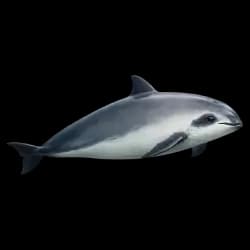
Vaquita
100/100 rarity profile. Vaquita is a marine mammal known for small dark-ringed eye patch, compact coastal porpoise body, and quiet shallow-water movement, which places it in S tier for this list.
Vaquita is a marine mammal known for small dark-ringed eye patch, compact coastal porpoise body, and quiet shallow-water movement.
Baca panduan spesies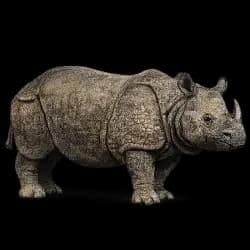
Javan Rhinoceros
99/100 rarity profile. Javan Rhinoceros is a mammal known for single short horn, plate-folded grey skin, and dense lowland forest browsing, which places it in S tier for this list.
Javan Rhinoceros is a mammal known for single short horn, plate-folded grey skin, and dense lowland forest browsing.
Baca panduan spesies
Rain Frog Stone
99/100 rarity profile. Rain Frog Stone teaches Rain Timing through moisture awareness, still waiting, nocturnal calling, and sudden climbing movement, which places it in S tier for this list.
Rain Frog Stone teaches Rain Timing through moisture awareness, still waiting, nocturnal calling, and sudden climbing movement. Its form fits frog-shaped rock formations without needing a false ancient myth.
Baca panduan spesies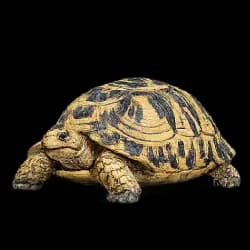
Ploughshare Tortoise
99/100 rarity profile. Ploughshare Tortoise is a reptile known for high-domed golden shell, front shell projection, and slow dry-forest grazing, which places it in S tier for this list.
Ploughshare Tortoise is a reptile known for high-domed golden shell, front shell projection, and slow dry-forest grazing.
Baca panduan spesies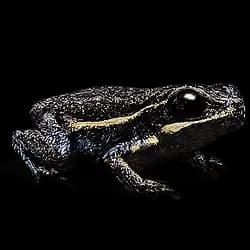
Monte Iberia Eleuth
99/100 rarity profile. Monte Iberia Eleuth is a amphibian known for extremely tiny frog body, leaf-litter camouflage, and high forest-floor moisture dependence, which places it in S tier for this list.
Monte Iberia Eleuth is a amphibian known for extremely tiny frog body, leaf-litter camouflage, and high forest-floor moisture dependence.
Baca panduan spesies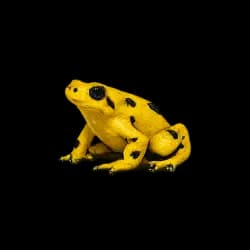
Panamanian Golden Frog
99/100 rarity profile. Panamanian Golden Frog is a amphibian known for bright yellow body, semaphore foot-waving signals, and fast mountain-stream life, which places it in S tier for this list.
Panamanian Golden Frog is a amphibian known for bright yellow body, semaphore foot-waving signals, and fast mountain-stream life.
Baca panduan spesies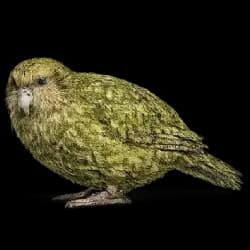
Kakapo
99/100 rarity profile. The kakapo is a heavy flightless parrot from New Zealand, known for nocturnal habits, climbing skill, and extreme rarity, which places it in S tier for this list.
The kakapo is a heavy flightless parrot from New Zealand, known for nocturnal habits, climbing skill, and extreme rarity.
Baca panduan spesies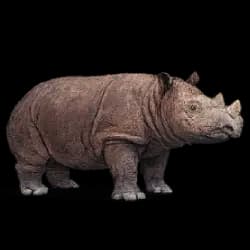
Sumatran Rhinoceros
98/100 rarity profile. Sumatran Rhinoceros is a mammal known for hairy compact rhino build, prehensile browsing lip, and steep rainforest movement, which places it in S tier for this list.
Sumatran Rhinoceros is a mammal known for hairy compact rhino build, prehensile browsing lip, and steep rainforest movement.
Baca panduan spesiesTier list terkait
Lanjutkan ke halaman tier list terdekat untuk membandingkan kategori lain tanpa kehilangan konteks.
Most Adaptable Animals in the World: Top 100 Tier List
A structured ranking of the most adaptable animals in the world, focusing on habitat flexibility, behavioral adjustment, problem solving, and success in changing conditions.
Baca tier listSmartest Animals in the World: Top 250 Tier List
A structured ranking of the smartest animals in the world, balancing social intelligence, problem solving, communication, and adaptive behavior.
Baca tier listAnimals with the Best Camouflage: Top 100 Tier List
A structured ranking of animals with the best camouflage, focusing on concealment quality, background matching, adaptive color change, and how often camouflage changes outcomes.
Baca tier listFAQ ranking
Jawaban singkat dan langsung untuk pertanyaan lanjutan yang biasanya muncul setelah headline ranking.
What is the rarest animal in the world?
There is no single permanent answer, but black rhinoceros and Sunda pangolin are among the clearest high-profile rare-animal examples in this dataset.
Are the rarest animals always the most endangered?
Often, but not always. Some species are naturally restricted, while others become rare because modern pressure drives them downward.
Koleksi hewan-hewan seperti ini di AnimalDex
Bergerak dari headline list ke panduan spesies, spotting nyata, dan koleksi yang dibangun dari hewan tercepat, terkuat, dan terpintar yang kamu ikuti.