

Animals on the French Riviera and in Provence: What You Can Spot, Learn, and Collect
Wildlife of Provence-Alpes-Côte d'Azur: Camargue flamingos and pond terrapins, Mercantour wolves and ibex, Hermann's tortoises in the Maures, and summer cicadas.
Quick answer
Start with the direct answer, then use the sections below to see why the location matters and which animals are actually realistic to spot there.
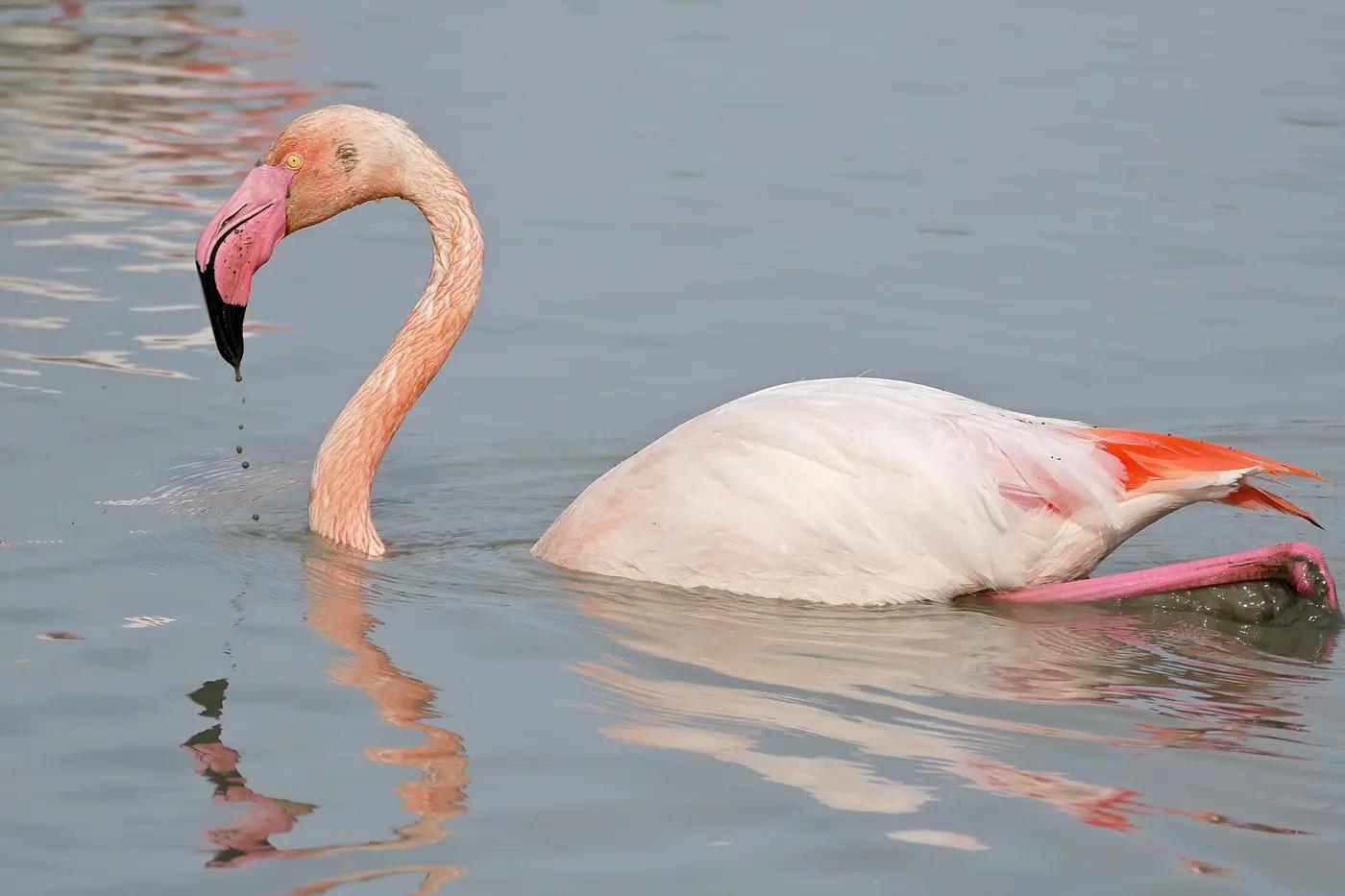
Provence-Alpes-Côte d'Azur runs from the Camargue delta to the 3,000 m peaks of the Mercantour, so one region gives you greater flamingos, European pond terrapins and bee-eaters at sea level, wolves, ibex and bearded vultures in the mountains, and Hermann's tortoises, ocellated lizards and wall geckos in the dry hills between. It is the most-captured French region in AnimalDex.
Most people arrive for Nice, Marseille or the lavender and discover the wildlife by accident: a wall gecko on the hotel wall at night, cicadas screaming from every pine, yellow-legged gulls stealing chips on the Promenade des Anglais. That everyday layer is what users actually log here, along with jays, crows and marsh frogs from the lower Var and Saint-Laurent-du-Var riverbank.
Plan a little and the region opens up. The Camargue sits two hours west of Nice, the Mercantour National Park ninety minutes north, and the Calanques and Maures massifs in between. Each has animals you will see nowhere else in France.
Why this location matters
Good location pages explain why the place is worth your time, not just which names belong on a destination checklist.
The Mercantour is where wolves re-entered France in 1992, and it still holds the densest packs in the country alongside reintroduced ibex and bearded vultures. The Alpha wolf park at Saint-Martin-Vesubie, reopened after the damage of Storm Alex in 2020, lets you see captive packs if the wild ones stay hidden.
The Maures massif is the last mainland French stronghold of the Hermann's tortoise, and the Camargue is the Mediterranean's most important flamingo and wetland bird site. Both are under pressure from fire and development, which makes a careful visit worth more than a selfie.
Where to look
Wildlife map of French Riviera (Provence-Alpes-Côte d'Azur)
This guide covers the region shown below. Zoom in to get your bearings before planning a trip.
Positions are geocoded from OpenStreetMap. Habitat access and opening times change — check locally before travelling. Smaller pins are public AnimalDex captures, placed to the nearest kilometre.
Field proof
Found in French Riviera (Provence-Alpes-Côte d'Azur) by AnimalDex users
Real captures logged in the AnimalDex app inside this area and shared publicly by their collectors, with the animal confirmed by the app's identification. Places are shown to the nearest region, never the exact spot.
- 60
- public captures
- 51
- species recorded
- 7
- collectors
- 59
- wild sightings
Recent captures from the field
Species people have actually logged here
Every name links to its species guide. The count is how many public captures of that animal sit inside this area.
- Daddy Long-Legs Spider4 captures
- African Grey Parrot2 captures
- European Rhinoceros Beetle2 captures
- European Stick Insect2 captures
- Giant Honey Bee2 captures
- House Fly2 captures
- Koi2 captures
- Ball Python1 capture
- Bar-headed Goose1 capture
- Black-and-white Ruffed Lemur1 capture
- Blue-fronted Amazon1 capture
- Carrion Crow1 capture
- Clothes & House Moth1 capture
- Cockroach1 capture
- Common Flesh Fly1 capture
- Common Marmoset1 capture
- Common Wall Gecko1 capture
- Common Wall Lizard1 capture
- Common Wood Pigeon1 capture
- Cone-headed Grasshopper1 capture
- Desert Locust1 capture
- Emerald Tree Boa1 capture
- Eurasian Collared Dove1 capture
- Eurasian Jay1 capture
- European Chub1 capture
- European Crane Fly1 capture
- European Field Cricket1 capture
- European Pond Terrapin1 capture
- European Rabbit1 capture
- Fire Salamander1 capture
- Galah1 capture
- Goldfish1 capture
- Grey Crowned Crane1 capture
- Greylag Goose1 capture
- Indian Peafowl1 capture
- Laughing Kookaburra1 capture
- Marsh Frog1 capture
- Muscovy Duck1 capture
- Paper Wasp1 capture
- Pointed Snail1 capture
Collectors choose to share these captures on Discover and can withdraw them at any time. Coordinates are rounded to about a kilometre and refreshed with each site build.
Animals to spot
These are intentionally practical species picks, balancing accessibility, excitement, and what travelers can realistically notice in the location.
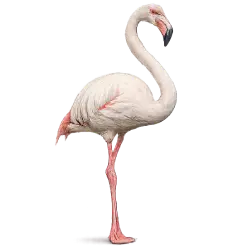
Greater FlamingoC
Over 10,000 pairs nest in the Camargue salt lagoons, historically on the Etang du Fangassier and lately in the Aigues-Mortes salt pans; the Parc Ornithologique du Pont de Gau at Saintes-Maries puts them metres from the boardwalk.
Spotting note: Guaranteed year-round at Pont de Gau.
Read species guide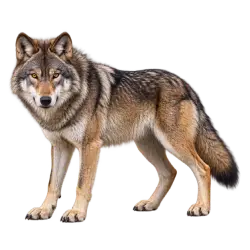
Eurasian WolfA
The Mercantour holds France's oldest and densest wolf packs; the Alpha park at Saint-Martin-Vesubie keeps three captive packs in forest enclosures.
Spotting note: Wild sightings are rare luck; the Alpha park is guaranteed.
Read species guide
Alpine IbexC
Reintroduced into the Mercantour and now common around the Vallee des Merveilles and the Col de la Lombarde, where males loaf on the rocks beside the trail.
Spotting note: Reliable above 2,000 m from June to September.
Read species guide
Bearded VultureB
Released in the Mercantour from 1993 and now breeding again; the Haute Tinee and the Col de la Bonette are the places to scan.
Spotting note: Scarce; patient ridge-watching from the Bonette road pays off.
Read species guide
Hermann's TortoiseE
The Plaine des Maures and the cork-oak hills around Collobrieres hold mainland France's only wild population; the Village des Tortues at Carnoules shows them close up.
Spotting note: Rare in the wild, best in spring; guaranteed at Carnoules.
Read species guide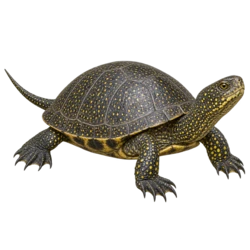
European Pond TerrapinE
Basks in lines on logs in the Camargue marshes and in the Var's river pools; it is one of the more unusual reptiles logged by local users.
Spotting note: Common in the Camargue; approach slowly, they drop in at the first footstep.
Read species guide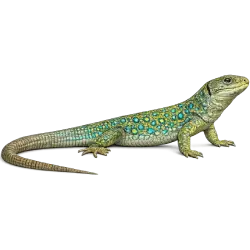
Ocellated LizardD
Europe's largest lizard lives on the stony Crau plain and the dry garrigue of the Alpilles, often sunning on sheep-fold walls.
Spotting note: Uncommon and wary; hot spring mornings on the Crau are best.
Read species guide
Yellow-legged GullD
The big Mediterranean gull of Marseille's Vieux-Port, the Calanques cliffs and the Nice seafront, bold enough to take food from your hand.
Spotting note: Guaranteed on any stretch of coast.
Read species guide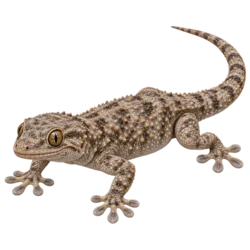
Common Wall GeckoE
The chunky Moorish gecko that hunts insects around outdoor lights on villa walls from Menton to the Camargue; a regular night-time capture in the region.
Spotting note: Very common on warm nights from April to October.
Read species guide
European Bee-eaterD
Nests in colonies in sandy banks across the Camargue and the Crau; the rolling call overhead is a summer signature.
Spotting note: Common May to August in the Camargue.
Read species guide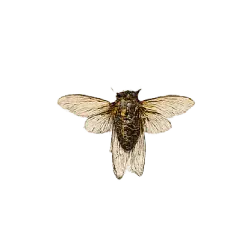
CicadaE
The sound of Provence. Thousands sing from pines and plane trees above 25 C, and the shed nymph skins on bark are easy to find.
Spotting note: Guaranteed on hot days from late June to early September.
Read species guide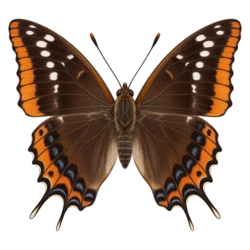
Two-tailed PashaE
A huge, fast butterfly tied to strawberry trees in the Esterel and Maures maquis; it comes down to ripe figs and rotting fruit in late summer.
Spotting note: Seasonal; late August and September around strawberry tree scrub.
Read species guide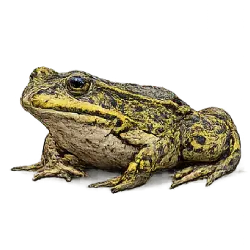
Marsh FrogE
The loud green frog of Camargue ditches and the Var's riverside pools, calling in daylight and already logged by local users.
Spotting note: Common from April; heard long before it is seen.
Read species guide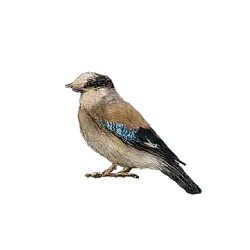
Eurasian JayC
Screeches through the oak and pine woods behind Nice and in the Luberon, and turns up in the region's park captures.
Spotting note: Common year-round in wooded hills.
Read species guideBest for
Use this section to decide whether the location fits your travel style, skill level, and AnimalDex goals.
- Flamingos and wetland birds in the Camargue, at close range from the Pont de Gau boardwalks
- Wolves, ibex and vultures in the Mercantour National Park
- Reptiles: Hermann's tortoise, ocellated lizard, wall gecko and pond terrapin
- Everyday Mediterranean wildlife on a beach-and-city holiday
Spotting tips
These tips are meant to make the page useful in the field, not just readable on the page.
- 01Camargue mosquitoes peak in July and August; April to June and September to October give better birds and fewer bites.
- 02For wild ibex drive the Col de la Bonette or walk into the Vallee des Merveilles in July or August, when the snow is gone and the herds sit high.
- 03Hermann's tortoises move most on warm, humid mornings in April and May; never pick one up or move it.
- 04Walk any village wall at night with a torch for wall geckos, and check the base of plane trees at dawn for freshly emerged cicadas.
Virtual Wildlife Guides
Wildlife guides to French Riviera (Provence-Alpes-Côte d'Azur)
AnimalDex builds virtual guides from explorers' own wild sightings: which animals they found, how rare they are, and when. A guide is advice from someone who has been there, not a tour. Buying one unlocks the author's notes for every animal, a chat with the author, and introductions to local people they met. Wildlife is never guaranteed.
Checking for virtual guides to French Riviera (Provence-Alpes-Côte d'Azur)...
How to choose a local wildlife guide in French Riviera (Provence-Alpes-Côte d'Azur)
- Ask what they usually find in the season you are visiting. A good guide gives an honest answer, not a promised sighting.
- Check how they treat animals: no baiting, calling in, handling, or close flash photography for a better shot.
- Confirm the meeting area, duration, group size, total price, and how you pay before the day, plus any permits or park fees the place requires.
Track the animals you find in French Riviera (Provence-Alpes-Côte d'Azur)
Build your collection while you travel through French Riviera (Provence-Alpes-Côte d'Azur), from easy wins to the species worth planning around.
Related locations
Keep exploring with nearby or similar destinations that support the same kind of AnimalDex discovery.
Animals in France: What You Can Spot, Learn, and Collect
What wildlife lives in France, from Alpine ibex and Mercantour wolves to Camargue flamingos, Alsace storks, Breton puffins and the garden birds people log most.
Read location guideAnimals in Occitanie: What You Can Spot, Learn, and Collect
Wildlife of the French Pyrenees, Cévennes and Languedoc: bearded vultures, brown bears, marmots and isard, Jonte gorge vultures, Thau flamingos and garrigue lizards.
Read location guideAnimals in Auvergne-Rhône-Alpes: What You Can Spot, Learn, and Collect
Wildlife of the Vanoise, Ardèche and Auvergne: ibex, marmots and bearded vultures, Ardèche eagle owls, red kites over the volcanoes, Drôme bee-eaters and Lyon's zoo.
Read location guideLocation FAQ
Short direct answers to the questions travelers usually ask before choosing a wildlife destination or zoo day.
What wildlife is there on the French Riviera?
Along the coast itself: yellow-legged gulls, wall geckos, wall lizards, cicadas and alpine swifts on the cliffs. An hour inland the Mercantour has wolves, ibex, chamois, marmots and bearded vultures, and the Var hills have wild Hermann's tortoises.
What animals can be found in Provence-Alpes-Côte d'Azur?
Greater flamingos, bee-eaters, European pond terrapins and the famous white horses in the Camargue; wolves, ibex and golden eagles in the Mercantour; ocellated lizards on the Crau; and wild boar almost everywhere in between.
When is the best time to see flamingos in the Camargue?
They are present all year. Spring brings courtship displays and the most other birds, and winter numbers are still high. July and August are hot and mosquito-heavy.
Can you see wolves on the French Riviera?
Wild wolves live in the Mercantour behind Nice but are very hard to see. The Alpha park at Saint-Martin-Vesubie keeps captive packs in large forest enclosures and is the realistic option for most visitors.
Have AnimalDex users found animals in French Riviera (Provence-Alpes-Côte d'Azur)?
Yes. AnimalDex users have publicly logged 60 captures of 51 different species in French Riviera (Provence-Alpes-Côte d'Azur), including daddy long-legs spider, african grey parrot, european rhinoceros beetle, european stick insect. Each one was photographed in the app at the moment of the sighting.
How do I find a wildlife guide to French Riviera (Provence-Alpes-Côte d'Azur)?
Check the Wildlife Guides section on this page or browse Wildlife Guides on AnimalDex. Each one is a virtual guide built from an explorer's own wild sightings around French Riviera (Provence-Alpes-Côte d'Azur): the animals they found, how rare they are, and when. It is advice from someone who has been there, not a tour. If you want someone with you on the day, compare local guides on wildlife knowledge, how they treat animals, and clear pricing before you go.