

Animals in Java: What You Can Spot, Learn, and Collect
Java wildlife guide: Javan rhinos in Ujung Kulon, silvery gibbons at Gede Pangrango, banteng and green peafowl at Baluran, and the mynas and herons of the cities.
Quick answer
Start with the direct answer, then use the sections below to see why the location matters and which animals are actually realistic to spot there.
Java holds the last Javan rhinos in Ujung Kulon, silvery gibbons and Javan surili in the Gede Pangrango cloud forest, and banteng, rusa deer and green peafowl on the Baluran savanna in the far east. In between, 150 million people share the island with macaques, pond herons, Javan mynas, bulbuls and tree sparrows.
Java is the most crowded big island on earth, yet its ends are wild. The west has Ujung Kulon and the volcano forests of Halimun Salak and Gede Pangrango; the east has the dry savanna of Baluran, the turtle beaches of Alas Purwo and the Meru Betiri rainforest.
Most visitors never leave Jakarta, Yogyakarta and the Bromo circuit, and that is fine for a starter list. Rice paddies, kampung gardens and city parks turn up herons, kingfishers, mynas, sunbirds, geckos and a surprising number of raptors.
Why this location matters
Good location pages explain why the place is worth your time, not just which names belong on a destination checklist.
Several of Java's animals exist nowhere else: the Javan rhino, silvery gibbon, Javan surili, Javan slow loris and Javan hawk-eagle. All are threatened by the simple fact that the island has very little forest left.
AnimalDex captures from West and East Java show what people really find: brahminy kites over the coast, green peafowl in Baluran, crested serpent eagles in the hills, and sooty-headed bulbuls and tree sparrows in every town.
Where to look
Wildlife map of Java
This guide covers the region shown below. Zoom in to get your bearings before planning a trip.
Positions are geocoded from OpenStreetMap. Habitat access and opening times change — check locally before travelling. Smaller pins are public AnimalDex captures, placed to the nearest kilometre.
Field proof
Found in Java by AnimalDex users
Real captures logged in the AnimalDex app inside this area and shared publicly by their collectors, with the animal confirmed by the app's identification. Places are shown to the nearest region, never the exact spot.
- 324
- public captures
- 219
- species recorded
- 31
- collectors
- 137
- wild sightings
Recent captures from the field
Species people have actually logged here
Every name links to its species guide. The count is how many public captures of that animal sit inside this area.
- Common House Gecko8 captures
- Black Ant6 captures
- Brahminy Kite5 captures
- Goldfish5 captures
- Green Peafowl5 captures
- Mosquito5 captures
- Asian Weaver Ant4 captures
- Eurasian Tree Sparrow4 captures
- House Fly4 captures
- Long-tailed Macaque4 captures
- Asian Palm Civet3 captures
- Capybara3 captures
- Chital3 captures
- Eclectus Parrot3 captures
- Indian Peafowl3 captures
- Indonesian Blue-tongued Skink3 captures
- Meerkat3 captures
- Saltwater Crocodile3 captures
- Sooty-headed Bulbul3 captures
- Southern Cassowary3 captures
- Stick Insect3 captures
- Umbrella Cockatoo3 captures
- Ankole-Watusi Cattle2 captures
- Asian Small-clawed Otter2 captures
- Ball Python2 captures
- Barn Owl2 captures
- Barred Eagle-Owl2 captures
- Blue-and-yellow Macaw2 captures
- Budgerigar2 captures
- Buffy Fish Owl2 captures
- Common Marmoset2 captures
- Coypu2 captures
- Crested Fireback2 captures
- Crested Serpent Eagle2 captures
- Daddy Long-Legs Spider2 captures
- Fischer's Lovebird2 captures
- Galah2 captures
- Golden Pheasant2 captures
- Grey Crowned Crane2 captures
- Guinea Pig2 captures
Collectors choose to share these captures on Discover and can withdraw them at any time. Coordinates are rounded to about a kilometre and refreshed with each site build.
Animals to spot
These are intentionally practical species picks, balancing accessibility, excitement, and what travelers can realistically notice in the location.
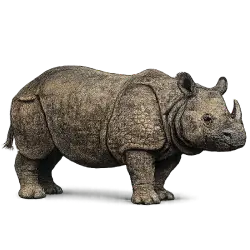
Javan RhinocerosA
Fewer than 80 survive, all of them inside Ujung Kulon on Java's western tip, where rangers find wallows and dung along the river trails.
Spotting note: Not realistically seeable; the park's camera traps are the closest most people get.
Read species guide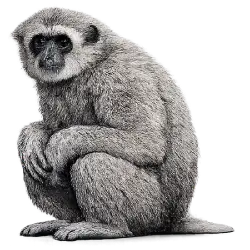
Silvery GibbonB
The island's only ape sings at dawn in the montane forest of Gede Pangrango, Halimun Salak and the Dieng plateau.
Spotting note: Heard most mornings at Cibodas; seen on the Gede trail with an early start.
Read species guide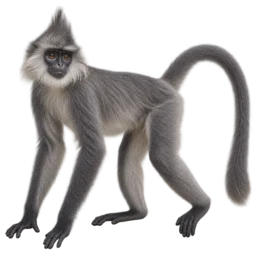
Javan SuriliC
Grey leaf monkeys that move in small, quiet family groups through the canopy of Gede Pangrango and Halimun Salak, already logged by users in West Java.
Spotting note: Uncommon; scan the mid-canopy on the Cibodas and Cikaniki trails.
Read species guide
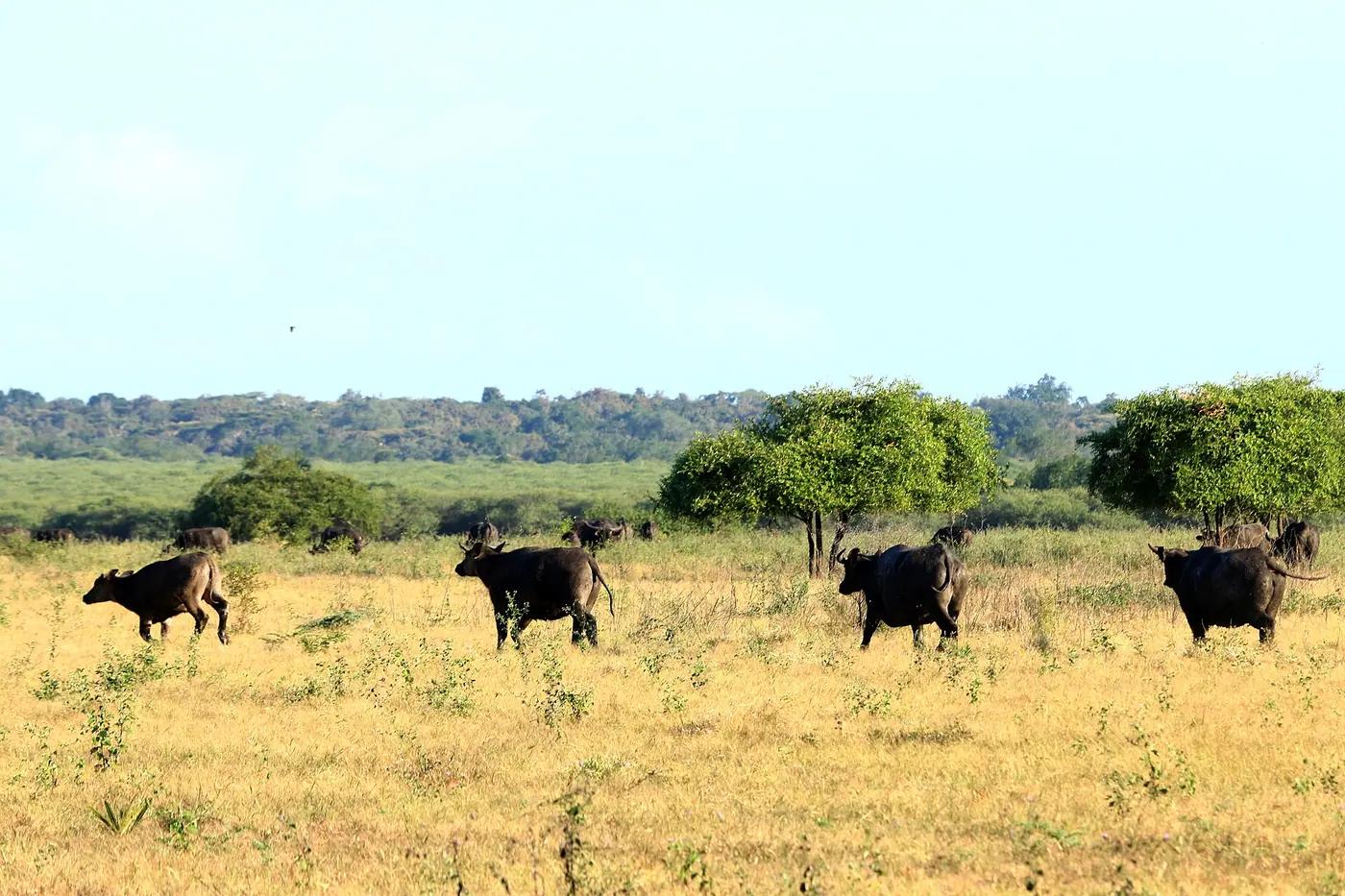
BantengA
Wild cattle graze the Bekol savanna in Baluran National Park at dawn and dusk, often alongside rusa deer and peafowl.
Spotting note: Reliable at Baluran's Bekol and Bama in the dry season; also in Alas Purwo's Sadengan feeding ground.
Read species guide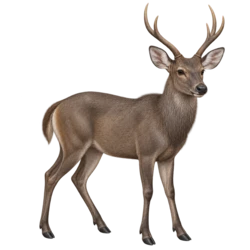
Javan Rusa DeerC
Herds of rusa cross the Baluran grassland and Alas Purwo's Sadengan clearing in the open, a scene often compared with East Africa.
Spotting note: Guaranteed at Baluran and Alas Purwo; logged by users in East Java.
Read species guide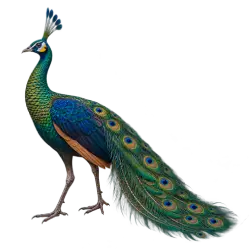
Green PeafowlC
Males drag their trains across the Baluran savanna and call from the acacia at first light; this is the peafowl Indonesian users photograph most.
Spotting note: Common at Baluran and Alas Purwo; rare elsewhere.
Read species guide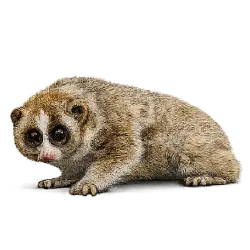
Javan Slow LorisC
A venomous, slow-moving primate of garden edges and bamboo in the West Java hills, hunted hard for the pet trade.
Spotting note: Rare; night walks around Gede Pangrango or Garut with a red torch.
Read species guide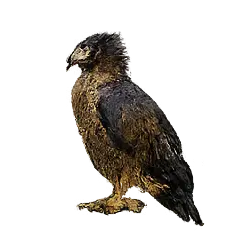
Crested Serpent EagleC
Whistles over tea estates and hill forest from Puncak to Ijen and sits on roadside poles after rain.
Spotting note: Regular in the hills; logged by users in East Java.
Read species guide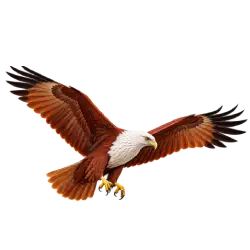
Brahminy KiteD
The chestnut-and-white kite of Java's north coast, fish markets and reservoirs, and the most-captured raptor in Indonesia on AnimalDex.
Spotting note: Common on coasts and large rivers.
Read species guide
Long-tailed MacaqueC
Roadside troops beg at the Puncak pass, raid Pangandaran beach and swarm the Alas Purwo temple area.
Spotting note: Guaranteed at any tourist site with trees.
Read species guide
Javan Pond HeronD
The default heron of Java's paddies, standing hunched between rice stems from Karawang to Banyuwangi.
Spotting note: Abundant in wet rice country.
Read species guide
Sooty-headed BulbulD
Black-capped bulbul with a yellow vent that sings from garden wires and roadside trees in every Javan town; a frequent user capture in Jakarta and Central Java.
Spotting note: Very common island-wide.
Read species guide
Javan MynaD
Grey mynas with white wing flashes own the car parks, cattle pastures and markets of Java.
Spotting note: Guaranteed in towns and farmland.
Read species guide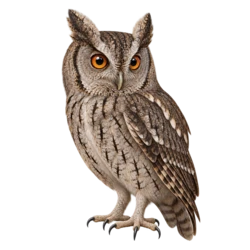
Sunda Scops OwlD
A small owl that calls a soft 'wook' from kampung trees and plantation edges after dark, photographed by users in West Java.
Spotting note: Common but heard more than seen; check mango trees near lights.
Read species guideBest for
Use this section to decide whether the location fits your travel style, skill level, and AnimalDex goals.
- Savanna wildlife drives at Baluran and Alas Purwo
- Gibbon and leaf-monkey hikes from Cibodas
- Rice-paddy and city birding around Yogyakarta and Jakarta
- Turtle nesting beaches at Sukamade (Meru Betiri)
Spotting tips
These tips are meant to make the page useful in the field, not just readable on the page.
- 01Baluran is best from July to October when the savanna is brown and animals bunch at the Bekol waterhole; go at 5.30 am.
- 02At Cibodas take the Gede Pangrango trail before 7 am and stop every few hundred metres to listen for gibbons.
- 03Paddy edges at dawn give pond herons, egrets, munias and kingfishers; a kampung at dusk gives scops owls and geckos.
- 04Skip roadside animal markets; the lorises, owls and civets on sale were taken from the forest you are trying to see.
Virtual Wildlife Guides
Wildlife guides to Java
AnimalDex builds virtual guides from explorers' own wild sightings: which animals they found, how rare they are, and when. A guide is advice from someone who has been there, not a tour. Buying one unlocks the author's notes for every animal, a chat with the author, and introductions to local people they met. Wildlife is never guaranteed.
Checking for virtual guides to Java...
How to choose a local wildlife guide in Java
- Ask what they usually find in the season you are visiting. A good guide gives an honest answer, not a promised sighting.
- Check how they treat animals: no baiting, calling in, handling, or close flash photography for a better shot.
- Confirm the meeting area, duration, group size, total price, and how you pay before the day, plus any permits or park fees the place requires.
Track the animals you find in Java
Build your collection while you travel through Java, from easy wins to the species worth planning around.
Related locations
Keep exploring with nearby or similar destinations that support the same kind of AnimalDex discovery.
Animals You Can Spot in West Java
A practical West Java location guide built around realistic spotting opportunities across city edges, wetlands, coasts, and everyday green space.
Read location guideWildlife in Jakarta: Best Animals to Spot Near the City
A structured Jakarta wildlife guide focused on realistic city and near-city animal spotting, with practical routes for urban travelers, families, and zoo visitors.
Read location guideAnimals in Ujung Kulon: A Practical Wildlife Guide
A practical Ujung Kulon wildlife page that avoids overpromising rare flagship animals and instead focuses on realistic spotting around coasts, forests, and quieter habitat edges.
Read location guideLocation FAQ
Short direct answers to the questions travelers usually ask before choosing a wildlife destination or zoo day.
What wildlife is there in Java?
Java has Javan rhinos in Ujung Kulon, silvery gibbons, Javan surili and slow lorises in the West Java mountains, and banteng, rusa deer and green peafowl on the Baluran and Alas Purwo savannas. Macaques, pond herons, bulbuls, mynas and brahminy kites are everywhere.
What animals can be found in Java?
Endemics include the Javan rhinoceros, silvery gibbon, Javan surili, Javan slow loris and Javan hawk-eagle. Widespread animals include long-tailed macaques, water monitors, Javan pond herons, sooty-headed bulbuls and crested serpent eagles.
Where is the best place to see wildlife in Java?
Baluran National Park in the far east is the most rewarding single site, with banteng, deer, peafowl and macaques visible from the road. Gede Pangrango near Cibodas is best for gibbons and montane birds.
Can you see Javan rhinos in Ujung Kulon?
Almost never. The population is under 80 and lives in dense swamp forest; visitors see footprints, wallows and camera-trap footage. The park is still worth it for banteng, gibbons, hornbills and the Peucang island deer.
Have AnimalDex users found animals in Java?
Yes. AnimalDex users have publicly logged 324 captures of 219 different species in Java, including common house gecko, black ant, brahminy kite, goldfish. Each one was photographed in the app at the moment of the sighting.
How do I find a wildlife guide to Java?
Check the Wildlife Guides section on this page or browse Wildlife Guides on AnimalDex. Each one is a virtual guide built from an explorer's own wild sightings around Java: the animals they found, how rare they are, and when. It is advice from someone who has been there, not a tour. If you want someone with you on the day, compare local guides on wildlife knowledge, how they treat animals, and clear pricing before you go.