

Animals in East Java: What You Can Spot, Learn, and Collect
East Java wildlife guide: banteng and green peafowl on Baluran's savanna, nesting turtles at Sukamade, rusa deer under Bromo, kites and civets around Malang.
Quick answer
Start with the direct answer, then use the sections below to see why the location matters and which animals are actually realistic to spot there.
East Java holds Java's best open-country wildlife. Baluran National Park puts banteng, rusa deer, green peafowl and wild boar on a savanna you can scan from a tower, Alas Purwo adds dholes and nesting turtles, Meru Betiri's Sukamade beach has green and olive ridley turtles most nights, and the Bromo highlands turn up lutung, leopard cat and rusa deer. Around Malang, Surabaya and Batu the common captures are macaques, kites, civets, porcupines and house geckos.
The province that most Java visitors cross on the way to Bromo is also the one with the most wildlife left in the open. Baluran, in the far north-east corner, is the only place on Java where you can stand on a viewing tower at dawn and count large mammals on grassland. Alas Purwo and Meru Betiri on the south coast protect long stretches of forest and turtle beach, and the Bromo Tengger Semeru highlands sit in the middle of it all.
AnimalDex users have logged more wild and zoo captures in East Java than anywhere else in Indonesia. The roster below mixes the park flagships with the kites, civets, porcupines and garden birds that actually fill people's collections around Malang, Batu and Surabaya.
Why this location matters
Good location pages explain why the place is worth your time, not just which names belong on a destination checklist.
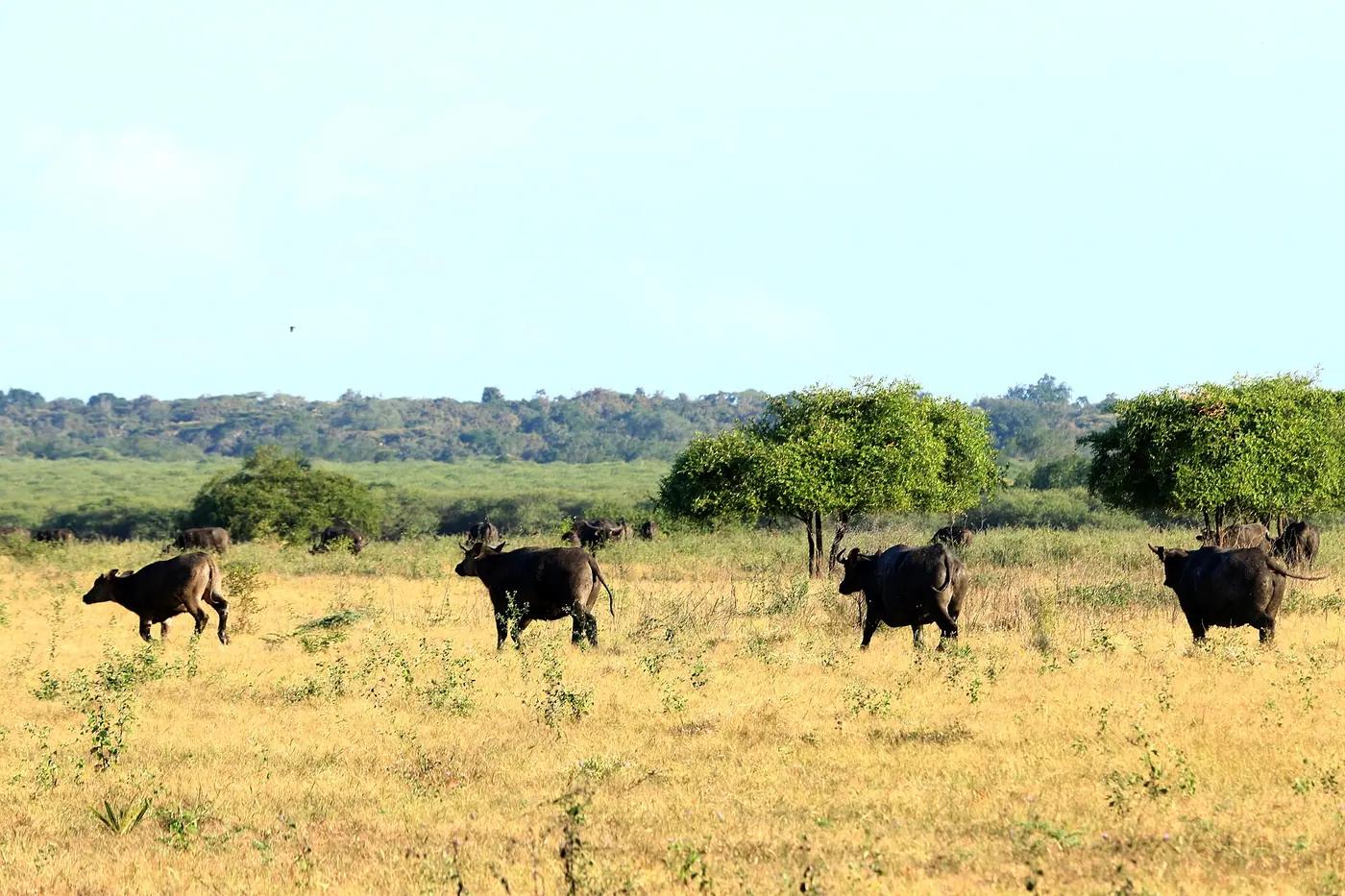
Baluran's savanna is the closest thing Java has to an African game drive, and banteng are now much easier to see there than they were a decade ago thanks to a programme that cleared invasive acacia from the grassland.
The south coast turtle beaches, Sukamade above all, are among the few places in Indonesia where you can watch a green turtle nest with rangers rather than a crowd. Pairing one coastal night with a Baluran dawn is a complete trip.
Where to look
Wildlife map of East Java
This guide covers the region shown below. Zoom in to get your bearings before planning a trip.
Positions are geocoded from OpenStreetMap. Habitat access and opening times change — check locally before travelling. Smaller pins are public AnimalDex captures, placed to the nearest kilometre.
Field proof
Found in East Java by AnimalDex users
Real captures logged in the AnimalDex app inside this area and shared publicly by their collectors, with the animal confirmed by the app's identification. Places are shown to the nearest region, never the exact spot.
- 99
- public captures
- 75
- species recorded
- 8
- collectors
- 35
- wild sightings
Recent captures from the field
Species people have actually logged here
Every name links to its species guide. The count is how many public captures of that animal sit inside this area.
- Common House Gecko3 captures
- Green Peafowl3 captures
- Southern Cassowary3 captures
- Ankole-Watusi Cattle2 captures
- Ball Python2 captures
- Brahminy Kite2 captures
- Buffy Fish Owl2 captures
- Capybara2 captures
- Chital2 captures
- Coypu2 captures
- Crested Serpent Eagle2 captures
- Golden Pheasant2 captures
- Grey Crowned Crane2 captures
- House Fly2 captures
- Humboldt Penguin2 captures
- Marabou Stork2 captures
- Meerkat2 captures
- Palm Cockatoo2 captures
- Plantain Squirrel2 captures
- Red Lory2 captures
- Salmon-crested Cockatoo2 captures
- Asian Box Turtle1 capture
- Asian Palm Civet1 capture
- Asian Small-clawed Otter1 capture
- Barn Owl1 capture
- Barred Eagle-Owl1 capture
- Big-headed Ant1 capture
- Black Ant1 capture
- Blue-and-yellow Macaw1 capture
- Brown Wood Owl1 capture
- Chicken1 capture
- Common Hill Myna1 capture
- Common Marmoset1 capture
- Crested Fireback1 capture
- Daddy Long-Legs Spider1 capture
- Demoiselle Crane1 capture
- Domestic Pigeon1 capture
- Eclectus Parrot1 capture
- Eurasian Eagle-Owl1 capture
- Goldfish1 capture
Collectors choose to share these captures on Discover and can withdraw them at any time. Coordinates are rounded to about a kilometre and refreshed with each site build.
Animals to spot
These are intentionally practical species picks, balancing accessibility, excitement, and what travelers can realistically notice in the location.

BantengA
Java's wild cattle graze the Bekol savanna in Baluran National Park, often with cattle egrets on their backs.
Spotting note: Reliable from the Bekol tower at first light, especially in the dry season.
Read species guide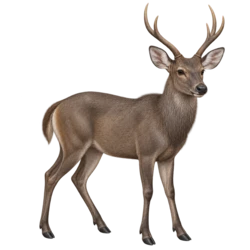
Javan Rusa DeerC
Herds of rusa cross Baluran's grassland every morning and smaller groups browse the Bromo highlands below Ranu Pani.
Spotting note: Very likely in Baluran; regular at dusk around Bromo's grasslands.
Read species guide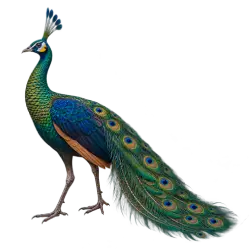
Green PeafowlC
Baluran is the best place in Java to see wild green peafowl, which strut along the road to Bekol and call from the acacia edge.
Spotting note: Common in Baluran and Alas Purwo; a frequent user capture in the province.
Read species guide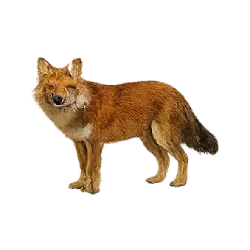
DholeA
Packs of Asian wild dog hunt rusa in Baluran and Alas Purwo and are sometimes met on the park roads at dawn.
Spotting note: Rare and lucky; look for them where deer are bolting.
Read species guide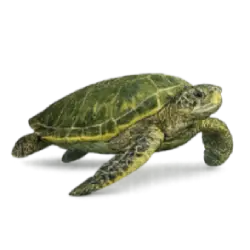
Green Sea TurtleC
Sukamade beach in Meru Betiri National Park is the province's main green turtle nesting site, patrolled nightly by rangers.
Spotting note: Near-nightly between April and September; expect a long, dark wait.
Read species guide
Olive Ridley Sea TurtleC
The smaller turtle that also nests at Sukamade and on Alas Purwo's Ngagelan beach.
Spotting note: Less frequent than green turtles; hatchling releases are common at dawn.
Read species guide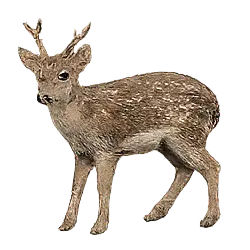
Bawean DeerB
A deer found nowhere on earth except Bawean, the island 120 km north of Gresik that belongs to this province.
Spotting note: Very hard to see in the wild; a captive herd is kept on the island.
Read species guide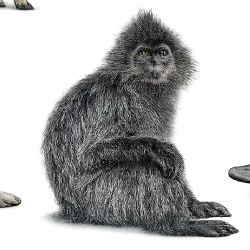
Silvery LutungC
Black leaf monkeys with orange infants move through the forest at Alas Purwo and on the slopes above Bromo's sea of sand.
Spotting note: Regular in Alas Purwo and the Semeru foothills if you listen for branches.
Read species guide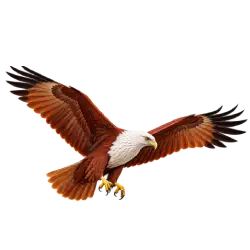
Brahminy KiteD
The chestnut-and-white kite patrols the Madura Strait, fish ponds and rice fields from Surabaya to Banyuwangi.
Spotting note: One of the most-logged wild birds in the province.
Read species guide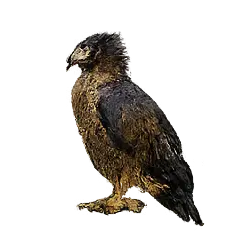
Crested Serpent EagleC
Calls over every forested slope from Coban Rondo to Baluran's hills and sits on roadside snags after rain.
Spotting note: Common where forest meets open ground.
Read species guide
Long-tailed MacaqueC
Troops haunt the waterfall car parks at Coban Rondo and Madakaripura and the forest edges of every park.
Spotting note: Guaranteed at tourist waterfalls; keep bags closed.
Read species guide
Asian Palm CivetD
The civet behind Dampit and Bondowoso kopi luwak, crossing plantation roads at night.
Spotting note: Nocturnal; realistic on evening drives through coffee country.
Read species guide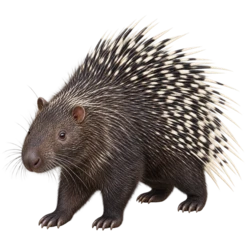
Malayan PorcupineD
Java's porcupine is the Sunda porcupine, filed here under its Malayan cousin; quills on the trail are the usual evidence in the Malang and Bromo highlands and the animal itself appears on night walks.
Spotting note: Nocturnal and shy; a genuine user capture here.
Read species guide
ChitalC
Not native, but Taman Safari Prigen's drive-through herd is where most East Java visitors photograph their first spotted deer.
Spotting note: Captive only; guaranteed at Prigen.
Read species guideBest for
Use this section to decide whether the location fits your travel style, skill level, and AnimalDex goals.
- A Java 'safari' at Baluran's Bekol savanna
- Turtle nesting nights at Sukamade
- Highland birds and deer around Bromo and Semeru
- Zoo and safari park days near Malang and Pasuruan
Spotting tips
These tips are meant to make the page useful in the field, not just readable on the page.
- 01Be on the Bekol tower in Baluran before 06:00; banteng and peafowl retreat into the acacia once the sun is up.
- 02Sukamade needs a 4x4 and a river crossing; arrive before dark, follow the ranger, and use only the red light they give you.
- 03Dry season (June to October) concentrates Baluran's mammals at the remaining waterholes and shortens the grass.
- 04Scan the Madura Strait bridges and fish ponds for brahminy kites; they are the easiest big bird to log from a car.
Virtual Wildlife Guides
Wildlife guides to East Java
AnimalDex builds virtual guides from explorers' own wild sightings: which animals they found, how rare they are, and when. A guide is advice from someone who has been there, not a tour. Buying one unlocks the author's notes for every animal, a chat with the author, and introductions to local people they met. Wildlife is never guaranteed.
Checking for virtual guides to East Java...
How to choose a local wildlife guide in East Java
- Ask what they usually find in the season you are visiting. A good guide gives an honest answer, not a promised sighting.
- Check how they treat animals: no baiting, calling in, handling, or close flash photography for a better shot.
- Confirm the meeting area, duration, group size, total price, and how you pay before the day, plus any permits or park fees the place requires.
Track the animals you find in East Java
Build your collection while you travel through East Java, from easy wins to the species worth planning around.
Related tier lists
These tier lists add broader context around the species that make this location interesting.
Rarest Animals in the World
A structured ranking of the rarest animals in the world, blending scarcity, vulnerability, and conservation pressure to answer the overlap between rarest and most endangered wildlife.
Read tier listRelated locations
Keep exploring with nearby or similar destinations that support the same kind of AnimalDex discovery.
Animals in Bromo Tengger Semeru National Park: What You Can Spot, Learn, and Collect
Bromo Tengger Semeru wildlife: rusa deer on the Ranu Pani grassland, lutung in the Semeru forest, leopard cat and muntjac, raptors on the caldera rim.
Read location guideAnimals in Malang and Batu: What You Can Spot, Learn, and Collect
Malang and Batu wildlife guide: cassowaries and lories at Batu Secret Zoo, Coban Rondo's macaques, rusa deer and serpent eagles on the Bromo roads, civets.
Read location guideAnimals in Surabaya: What You Can Spot, Learn, and Collect
Surabaya wildlife guide: macaques, monitors and mudskippers in the Wonorejo mangroves, brahminy kites over the Madura Strait, Komodo dragons at the zoo.
Read location guideLocation FAQ
Short direct answers to the questions travelers usually ask before choosing a wildlife destination or zoo day.
What wildlife is there in East Java?
Banteng, rusa deer, green peafowl, wild boar and dholes on Baluran's savanna; nesting green and olive ridley turtles at Sukamade and Alas Purwo; lutung, leopard cat and rusa deer in the Bromo Tengger Semeru highlands; and brahminy kites, serpent eagles, civets and porcupines across farmland and forest edges.
What animals can be found in East Java?
The most-photographed wild animals in the province are brahminy kites, long-tailed macaques, green peafowl, rusa deer, civets, porcupines and house geckos. The flagships are banteng at Baluran, turtles at Sukamade and the Bawean deer on Bawean island.
When is the best time to visit Baluran for animals?
June to October. The grass is short, the waterholes shrink and banteng, rusa and peafowl are easy to see from the Bekol tower in the first hour of light.
Can I see turtles in East Java?
Yes. Sukamade in Meru Betiri National Park has ranger-led nesting walks most nights from April to September, with hatchling releases at dawn. Alas Purwo's Ngagelan beach runs a smaller hatchery.
Have AnimalDex users found animals in East Java?
Yes. AnimalDex users have publicly logged 99 captures of 75 different species in East Java, including common house gecko, green peafowl, southern cassowary, ankole-watusi cattle. Each one was photographed in the app at the moment of the sighting.
How do I find a wildlife guide to East Java?
Check the Wildlife Guides section on this page or browse Wildlife Guides on AnimalDex. Each one is a virtual guide built from an explorer's own wild sightings around East Java: the animals they found, how rare they are, and when. It is advice from someone who has been there, not a tour. If you want someone with you on the day, compare local guides on wildlife knowledge, how they treat animals, and clear pricing before you go.