

Animals in Kuala Lumpur: What You Can Spot, Learn, and Collect
Wildlife in Kuala Lumpur: macaques at Batu Caves, dusky leaf monkeys under the KL Tower, colugos at FRIM, monitors in the Lake Gardens and Zoo Negara's tigers.
Quick answer
Start with the direct answer, then use the sections below to see why the location matters and which animals are actually realistic to spot there.
Kuala Lumpur keeps a surprising amount of forest inside the city. Long-tailed macaques own the Batu Caves steps, dusky leaf monkeys and colugos live in the KL Forest Eco Park under the KL Tower, water monitors cruise the Perdana Botanical Garden lake, and oriental pied hornbills and palm civets work the leafy suburbs. For big animals, Zoo Negara has Malayan tigers and tapirs and KL Bird Park flies rhinoceros hornbills in a walk-through aviary.
Most capitals push wildlife to the edges. Kuala Lumpur grew around hills that were never cleared, so a ten-hectare patch of lowland rainforest survives at Bukit Nanas right under the KL Tower, and the Forest Research Institute at Kepong holds 500 hectares of regrown jungle with a canopy walkway twenty minutes from the Petronas Towers.
The result is a city where you can photograph a langur troop before breakfast, a monitor lizard at lunch and a civet on a rooftop after dinner, then spend a day at the zoo and bird park for the species the city cannot hold.
Why this location matters
Good location pages explain why the place is worth your time, not just which names belong on a destination checklist.
KL's forest fragments are living arguments for keeping urban green space wild. Bukit Nanas has had dusky leaf monkeys since the city was founded, and losing them would be a quiet, permanent change to what Kuala Lumpur is.
The city is also the gateway to Peninsular Malaysia's parks. Zoo Negara and KL Bird Park are where many visitors first see a Malayan tiger or a rhinoceros hornbill, and a well-logged urban list makes the trip into Taman Negara or Kenyir much richer.
Where to look
Wildlife map of Kuala Lumpur
This guide covers the region shown below. Zoom in to get your bearings before planning a trip.
Positions are geocoded from OpenStreetMap. Habitat access and opening times change — check locally before travelling. Smaller pins are public AnimalDex captures, placed to the nearest kilometre.
Field proof
Found in Kuala Lumpur by AnimalDex users
Real captures logged in the AnimalDex app inside this area and shared publicly by their collectors, with the animal confirmed by the app's identification. Places are shown to the nearest region, never the exact spot.
- 10
- public captures
- 8
- species recorded
- 4
- collectors
- 10
- wild sightings
Recent captures from the field
Species people have actually logged here
Every name links to its species guide. The count is how many public captures of that animal sit inside this area.
Collectors choose to share these captures on Discover and can withdraw them at any time. Coordinates are rounded to about a kilometre and refreshed with each site build.
Animals to spot
These are intentionally practical species picks, balancing accessibility, excitement, and what travelers can realistically notice in the location.

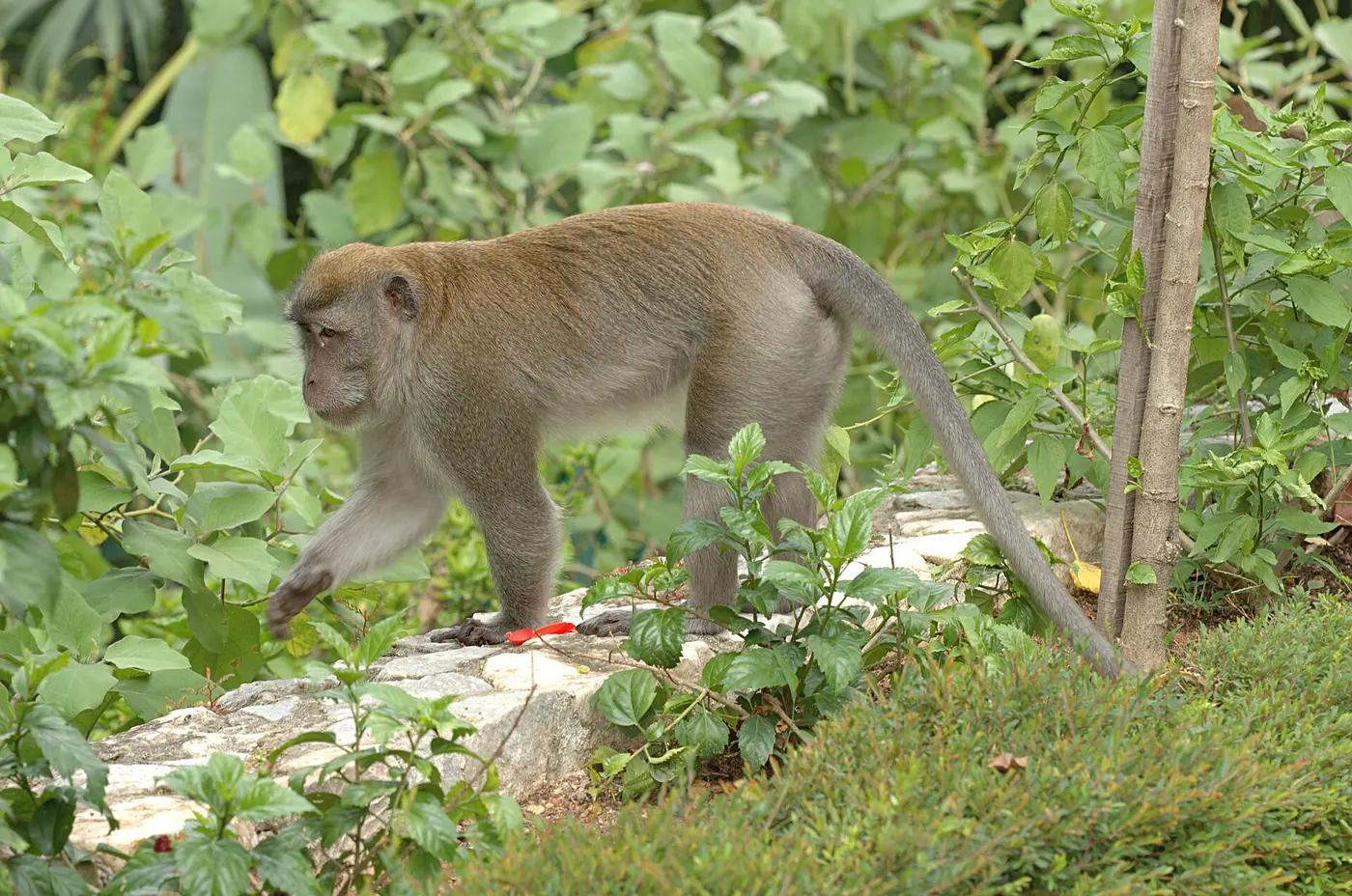
Long-tailed MacaqueC
The 272 steps at Batu Caves are the most famous macaque gauntlet in Asia, and troops also hold Bukit Nanas, Bukit Gasing and Templer Park.
Spotting note: Guaranteed at Batu Caves; keep food, phones and sunglasses zipped away.
Read species guide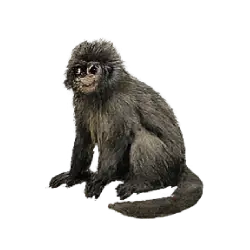
Dusky Leaf MonkeyC
A wild troop of spectacled langurs lives in the KL Forest Eco Park under the KL Tower, and others range through Bukit Gasing and the Kiara hills.
Spotting note: Regular in the early morning on the Eco Park's canopy walk.
Read species guide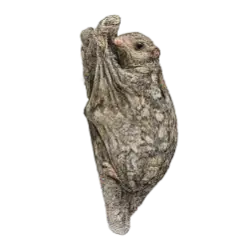
Sunda ColugoC
Colugos cling to trunks at FRIM in Kepong and in Bukit Nanas by day, looking like a patch of lichen until they glide at dusk.
Spotting note: Uncommon; scan tree trunks at head height along FRIM's trails.
Read species guide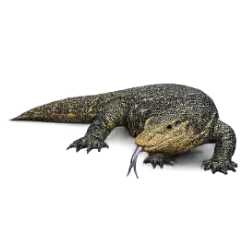
Water MonitorC
Big monitors swim the lake at the Perdana Botanical Garden and bask along the Klang and Gombak rivers right through the city centre.
Spotting note: Very common; look along any concrete river bank at midday.
Read species guide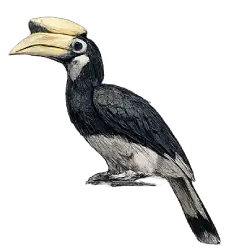
Oriental Pied HornbillC
Wild pairs have moved back into the green suburbs, feeding in fig trees at FRIM, Bukit Kiara and around Taman Tun Dr Ismail.
Spotting note: Uncommon but increasing; listen for the cackling call at dawn.
Read species guide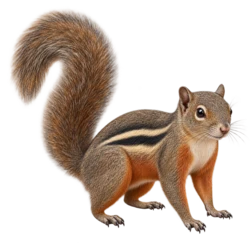
Plantain SquirrelE
The everyday squirrel of KL's parks and gardens, chasing along the fences at KLCC Park and the Lake Gardens.
Spotting note: Abundant and active all day.
Read species guide
Asian Palm CivetD
Civets run the roof lines of Bangsar, Ampang and other leafy suburbs at night and leave seed-filled droppings on car bonnets.
Spotting note: Nocturnal and common; listen for scrabbling on tiles after 10 pm.
Read species guide
Common MynaD
Struts across every pavement café and hawker centre in the city, and is one of the most-logged birds in Malaysian cities.
Spotting note: Guaranteed anywhere people eat.
Read species guide
House CrowD
Huge roosts of house crows gather in the Klang Valley at dusk, a KL signature sound over Chow Kit and the Lake Gardens.
Spotting note: Abundant; dusk flights over the city centre are spectacular.
Read species guide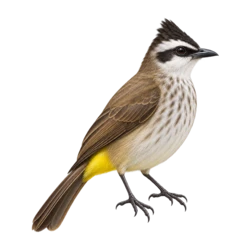
Yellow-vented BulbulE
The cheerful bubbling song from every garden hedge and roadside tree in KL, and a reliable first bird for a new collector.
Spotting note: Very common.
Read species guide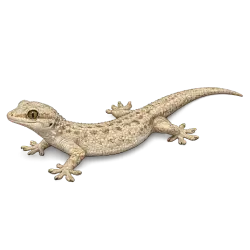
Common House GeckoE
The chirping gecko on every hotel ceiling and lamp post in the city, hunting the insects the lights pull in.
Spotting note: Guaranteed after dark.
Read species guide
Malayan TigerS
Zoo Negara in Ulu Klang keeps Malayan tigers in a large enclosure, the only realistic place to see the national animal.
Spotting note: Guaranteed at the zoo; most active at the early feeding.
Read species guide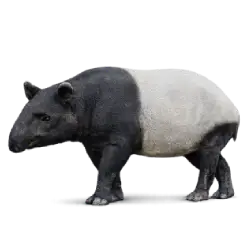
Malayan TapirB
Zoo Negara's tapirs are part of a national breeding programme, and their enclosure sits near the entrance for an easy early visit.
Spotting note: Guaranteed at the zoo; often asleep by midday.
Read species guide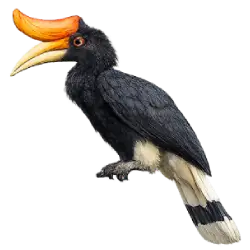
Rhinoceros HornbillB
KL Bird Park in the Lake Gardens flies rhinoceros and great hornbills in its walk-in aviary, close enough to hear the wingbeats.
Spotting note: Guaranteed at the Bird Park; the hornbill feeding is the highlight.
Read species guideBest for
Use this section to decide whether the location fits your travel style, skill level, and AnimalDex goals.
- City-break wildlife with real forest a short Grab ride from the hotel
- Families: Zoo Negara, KL Bird Park and the Batu Caves monkeys in two days
- Birders using FRIM and Bukit Kiara as warm-ups for Fraser's Hill
- Night-time urban collectors: civets, geckos, toads and flying foxes
Spotting tips
These tips are meant to make the page useful in the field, not just readable on the page.
- 01Walk the KL Forest Eco Park canopy walk at opening time, before the tour groups; the langur troop feeds low in the canopy for the first hour.
- 02At Batu Caves, climb early and keep everything in a closed bag; macaques here are experts at snatching phones and water bottles.
- 03FRIM in Kepong is best on a weekday morning: colugos on trunks, hornbills in the figs and monitors in the streams, with far fewer joggers.
- 04Check the Perdana Botanical Garden lake edge around noon for basking monitors and the trees above for the evening crow roost build-up.
Virtual Wildlife Guides
Wildlife guides to Kuala Lumpur
AnimalDex builds virtual guides from explorers' own wild sightings: which animals they found, how rare they are, and when. A guide is advice from someone who has been there, not a tour. Buying one unlocks the author's notes for every animal, a chat with the author, and introductions to local people they met. Wildlife is never guaranteed.
Checking for virtual guides to Kuala Lumpur...
How to choose a local wildlife guide in Kuala Lumpur
- Ask what they usually find in the season you are visiting. A good guide gives an honest answer, not a promised sighting.
- Check how they treat animals: no baiting, calling in, handling, or close flash photography for a better shot.
- Confirm the meeting area, duration, group size, total price, and how you pay before the day, plus any permits or park fees the place requires.
Track the animals you find in Kuala Lumpur
Build your collection while you travel through Kuala Lumpur, from easy wins to the species worth planning around.
Related tier lists
These tier lists add broader context around the species that make this location interesting.
100 Most Adaptable Animals
Most adaptable animals ranked by habitat flexibility, behavioral range, and success in changing conditions — including the current AnimalDex number one.
Read tier listRelated locations
Keep exploring with nearby or similar destinations that support the same kind of AnimalDex discovery.
Animals in Malaysia: What You Can Spot, Learn, and Collect
Malaysia wildlife guide: Malayan tigers and tapirs in Taman Negara, orangutans and proboscis monkeys in Sabah, hornbills at Belum, plus everyday macaques and monitors.
Read location guideAnimals in Penang: What You Can Spot, Learn, and Collect
Penang wildlife: dusky leaf monkeys and giant squirrels on Penang Hill, otters at Gurney Drive, sea eagles and turtles in the national park, Entopia's butterflies.
Read location guideAnimals in Singapore: What You Can Spot, Learn, and Collect
A practical Singapore wildlife guide built around urban-edge nature, parks, coasts, and the kind of compact travel that can still produce a satisfying animal list.
Read location guideLocation FAQ
Short direct answers to the questions travelers usually ask before choosing a wildlife destination or zoo day.
What wildlife is there in Kuala Lumpur?
Long-tailed macaques, dusky leaf monkeys, colugos, plantain squirrels, palm civets and water monitors live wild inside the city at Batu Caves, Bukit Nanas, FRIM and the Lake Gardens, with hornbills returning to the suburbs. Zoo Negara and KL Bird Park cover tigers, tapirs, elephants and hornbills.
What animals can be found in Kuala Lumpur?
Macaques, langurs, colugos, squirrels, civets, flying foxes, monitors, geckos, toads, hornbills, mynas, crows, bulbuls and kingfishers in the wild, plus the Malayan tiger, tapir, orangutan and elephant at Zoo Negara.
Is Batu Caves safe with the monkeys?
Yes if you treat them as wild animals. Do not carry visible food or drink, keep phones in a closed bag on the steps, and never try to touch or feed them. Bites are rare and almost always follow someone offering food.
Where can I see hornbills in Kuala Lumpur?
KL Bird Park in the Lake Gardens for guaranteed close views in its free-flight aviary. Wild oriental pied hornbills are seen at FRIM, Bukit Kiara and in the leafy suburbs of Taman Tun Dr Ismail, mostly at dawn.
Have AnimalDex users found animals in Kuala Lumpur?
Yes. AnimalDex users have publicly logged 10 captures of 8 different species in Kuala Lumpur, including house fly, black giant squirrel, carpenter ant, centipede. Each one was photographed in the app at the moment of the sighting.
How do I find a wildlife guide to Kuala Lumpur?
Check the Wildlife Guides section on this page or browse Wildlife Guides on AnimalDex. Each one is a virtual guide built from an explorer's own wild sightings around Kuala Lumpur: the animals they found, how rare they are, and when. It is advice from someone who has been there, not a tour. If you want someone with you on the day, compare local guides on wildlife knowledge, how they treat animals, and clear pricing before you go.