

Animals in Lisbon: What You Can Spot, Learn, and Collect
Lisbon wildlife: Tagus estuary flamingos and avocets, the Oceanário's sunfish, Sado dolphins, Cabo da Roca peregrines, Sintra foxes, castle peacocks and wall geckos.
Quick answer
Start with the direct answer, then use the sections below to see why the location matters and which animals are actually realistic to spot there.
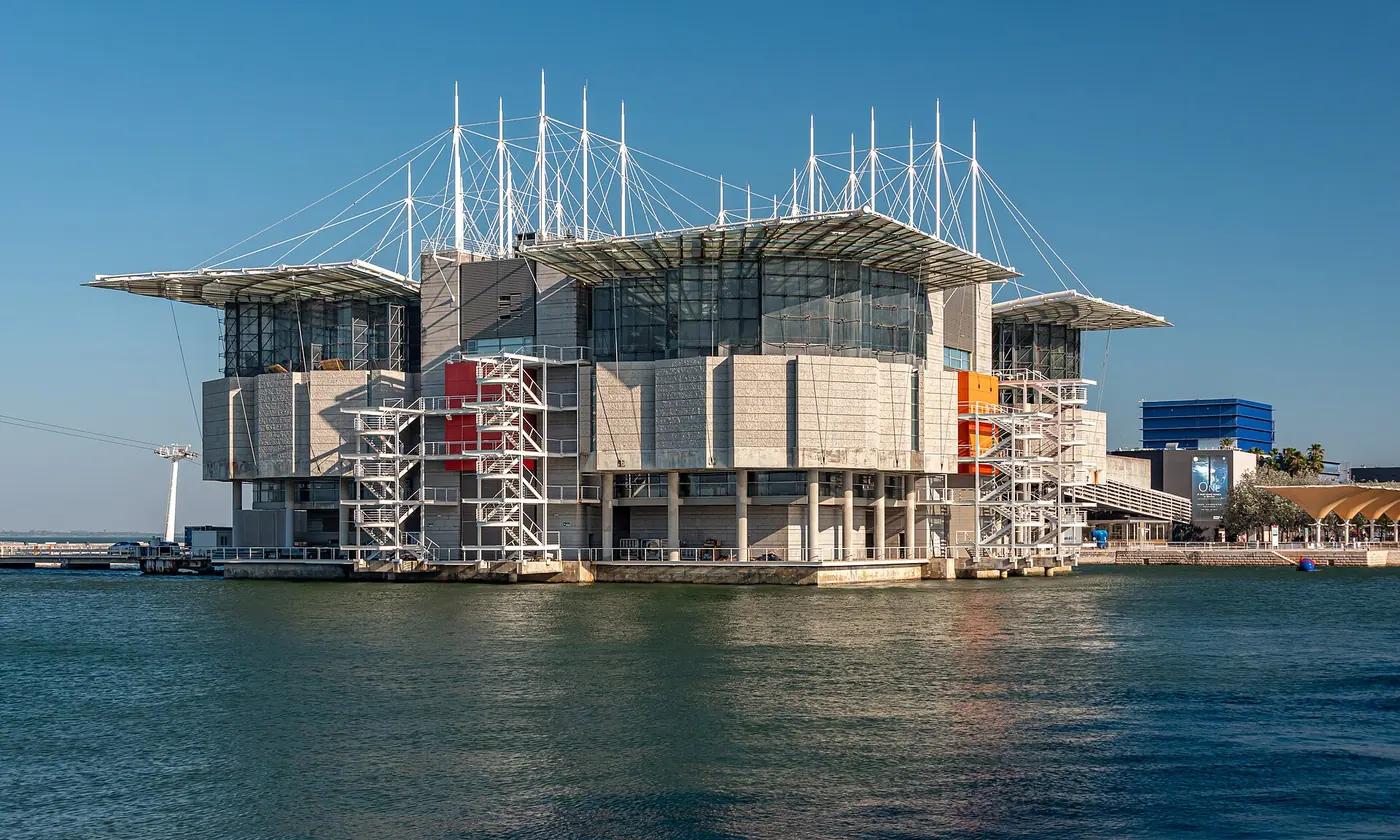
Lisbon sits on one of Europe's great estuaries, so flamingos, avocets, spoonbills and black-winged stilts feed on the Tagus reserve twenty minutes from the airport. The Oceanário holds a live sunfish, the Sado estuary at Setúbal has resident bottlenose dolphins, Sintra-Cascais has peregrines, foxes and mongooses, and the city itself gives peacocks at the castle, parakeets in the gardens and geckos on every warm wall.
The Lisbon captures in AnimalDex so far are aquarium fish, which says more about where visitors point their phones than about the city. Lisbon has more accessible wild birds than almost any European capital, because the Tagus estuary nature reserve begins just across the Vasco da Gama bridge.
Everything on this page is a day trip or less: the estuary at Alcochete, the Oceanário at Parque das Nações, the Sado dolphins from Setúbal, the Sintra-Cascais park and Cabo da Roca, and the parks and castle inside the city.
Why this location matters
Good location pages explain why the place is worth your time, not just which names belong on a destination checklist.
The Tagus estuary is Portugal's most important wetland and one of the ten most important in Europe for wintering waterbirds, with up to 120,000 birds and a flamingo flock that no longer leaves.
The Sado dolphins are one of very few resident estuary bottlenose populations in Europe, and the pod has been studied since the 1980s. Seeing them is a genuine privilege, not an aquarium show.
Where to look
Wildlife map of Lisbon
This guide covers the region shown below. Zoom in to get your bearings before planning a trip.
Positions are geocoded from OpenStreetMap. Habitat access and opening times change — check locally before travelling. Smaller pins are public AnimalDex captures, placed to the nearest kilometre.
Field proof
Found in Lisbon by AnimalDex users
Real captures logged in the AnimalDex app inside this area and shared publicly by their collectors, with the animal confirmed by the app's identification. Places are shown to the nearest region, never the exact spot.
- 4
- public captures
- 4
- species recorded
- 1
- collectors
- 0
- wild sightings
Recent captures from the field
Species people have actually logged here
Every name links to its species guide. The count is how many public captures of that animal sit inside this area.
Collectors choose to share these captures on Discover and can withdraw them at any time. Coordinates are rounded to about a kilometre and refreshed with each site build.
Animals to spot
These are intentionally practical species picks, balancing accessibility, excitement, and what travelers can realistically notice in the location.
Greater FlamingoC
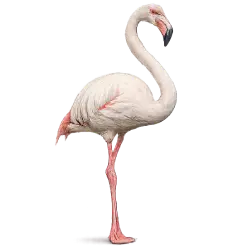
Several thousand use the Tagus estuary salt pans at Alcochete and Samouco year-round, visible from the EVOA visitor centre hides.
Spotting note: Guaranteed on the estuary; EVOA runs guided visits.
Read species guide
Pied AvocetC
Thousands winter on the Tagus mudflats and nest on the Samouco salt pans, sweeping the shallows beside the flamingos.
Spotting note: Common on the estuary from autumn to spring.
Read species guide
Black-winged StiltD
Breeds on the Alcochete and Samouco salt pans, shrieking at anyone who walks the banks in May.
Spotting note: Common April to September.
Read species guide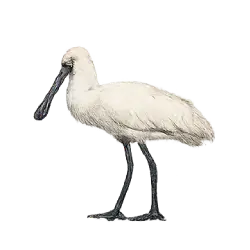
Eurasian SpoonbillC
Feeds on the Tagus and Sado estuaries and nests in the cork oaks of the Sado; often seen from the Alcochete waterfront.
Spotting note: Regular year-round on both estuaries.
Read species guide
DolphinB
The Sado estuary's resident bottlenose pod of around 30 lives off Setúbal and Troia, forty minutes from Lisbon; boats run daily.
Spotting note: Near-guaranteed on Sado trips from Setúbal.
Read species guide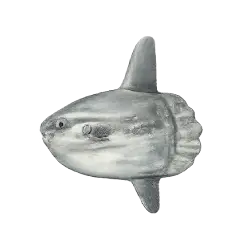
Ocean SunfishC
The Oceanário's huge central tank is one of very few places on earth to watch a live Mola mola alongside sharks, rays and tuna.
Spotting note: Guaranteed at the Oceanário.
Read species guide
Rose-ringed ParakeetD
A noisy green flock lives in the Jardim da Estrela, Monsanto park and the Gulbenkian gardens, descended from escaped pets.
Spotting note: Reliable in the Jardim da Estrela.
Read species guide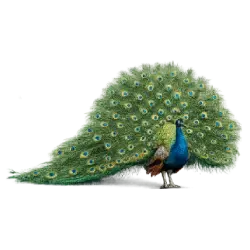
Indian PeafowlD
Free-ranging peacocks strut the ramparts of the Castelo de Sao Jorge and the Jardim da Estrela, screaming at tourists.
Spotting note: Guaranteed at the castle.
Read species guide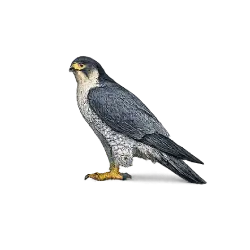
Peregrine FalconB
Nests on the Cabo da Roca and Cabo Espichel cliffs and hunts pigeons from Lisbon's bridge towers and church spires.
Spotting note: Regular at Cabo da Roca; occasional over the city.
Read species guide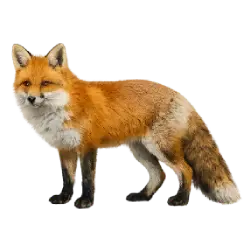
Red FoxC
Common in the Sintra hills and Monsanto forest park on the city's edge, where foxes raid picnic areas at dusk.
Spotting note: Regular at dusk in Monsanto and Sintra.
Read species guide
Egyptian MongooseC
Trots across the Sintra-Cascais park trails and the Arrábida scrub south of the Tagus in daylight family lines.
Spotting note: Fairly common in Arrábida; mid-morning on quiet roads.
Read species guide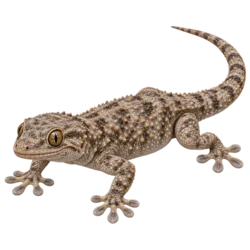
Common Wall GeckoE
The Moorish gecko hunts around streetlights and on the warm limestone walls of Alfama and Belem after dark.
Spotting note: Guaranteed on warm nights.
Read species guide
Yellow-legged GullD
Owns the Cais do Sodre waterfront, the Belem riverside and every miradouro railing in Lisbon.
Spotting note: Guaranteed.
Read species guide
Common SwiftD
Screams in packs around the Alfama rooftops and the Se cathedral every evening from April to August.
Spotting note: Guaranteed in summer at dusk.
Read species guideBest for
Use this section to decide whether the location fits your travel style, skill level, and AnimalDex goals.
- Flamingos, avocets and stilts on the Tagus estuary reserve
- Resident dolphins in the Sado estuary
- The Oceanário's sunfish, sea otters and sharks
- Easy city wildlife: castle peacocks, parakeets, swifts and geckos
Spotting tips
These tips are meant to make the page useful in the field, not just readable on the page.
- 01Book the EVOA visitor centre at Alcochete for the estuary; a rising tide pushes flamingos and waders to the hides.
- 02Sado dolphin boats from Setúbal are most reliable in the morning when the estuary is calm.
- 03The Oceanário is quietest at opening time; the sunfish tank is on the lower level.
- 04Walk the Cabo da Roca cliff path at midday for peregrines and alpine swifts, and Monsanto at dusk for foxes.
Virtual Wildlife Guides
Wildlife guides to Lisbon
AnimalDex builds virtual guides from explorers' own wild sightings: which animals they found, how rare they are, and when. A guide is advice from someone who has been there, not a tour. Buying one unlocks the author's notes for every animal, a chat with the author, and introductions to local people they met. Wildlife is never guaranteed.
Checking for virtual guides to Lisbon...
How to choose a local wildlife guide in Lisbon
- Ask what they usually find in the season you are visiting. A good guide gives an honest answer, not a promised sighting.
- Check how they treat animals: no baiting, calling in, handling, or close flash photography for a better shot.
- Confirm the meeting area, duration, group size, total price, and how you pay before the day, plus any permits or park fees the place requires.
Track the animals you find in Lisbon
Build your collection while you travel through Lisbon, from easy wins to the species worth planning around.
Related tier lists
These tier lists add broader context around the species that make this location interesting.
100 Smartest Animals Ranked
Animal intelligence ranking of 100 smartest animals, using AnimalDex intelligence profiles and a clear note that social skill, tool use, and solitary problem solving are different jobs.
Read tier listRelated locations
Keep exploring with nearby or similar destinations that support the same kind of AnimalDex discovery.
Animals in Portugal: What You Can Spot, Learn, and Collect
Portugal's wildlife from Gerês to the Algarve: Iberian wolves and lynx, Tagus flamingos, cliff-nesting storks, azure-winged magpies, mongooses and Sado dolphins.
Read location guideAnimals in Porto and Northern Portugal: What You Can Spot, Learn, and Collect
Wildlife of Porto, the Douro and Peneda-Gerês: Iberian wolves and garrano ponies, Douro golden eagles, otters and salamanders, Aveiro flamingos and Porto's harbour gulls.
Read location guideAnimals in Spain: What You Can Spot, Learn, and Collect
A practical Spain wildlife guide built around Mediterranean coasts, dry-country birds, wetlands, and the broad habitat mix that makes the country stronger than beach-only travel suggests.
Read location guideLocation FAQ
Short direct answers to the questions travelers usually ask before choosing a wildlife destination or zoo day.
What wildlife is there in Lisbon?
Flamingos, avocets, spoonbills and stilts on the Tagus estuary; bottlenose dolphins in the Sado estuary near Setúbal; peregrines, foxes and mongooses in the Sintra-Cascais park; and peacocks, parakeets, swifts, geckos and gulls inside the city.
What animals can be found near Lisbon?
Within an hour: Iberian wolves at the Mafra recovery centre, wild boar and genets in Sintra, Egyptian mongooses and ocellated lizards in Arrábida, dolphins in the Sado, and up to 120,000 wintering waterbirds on the Tagus estuary.
Can you see dolphins from Lisbon?
Yes. The Sado estuary at Setúbal, 40 minutes away, has a resident bottlenose pod seen on almost every boat trip. Common dolphins are also found on boats from Lisbon's Doca de Santo Amaro, with lower odds.
Is the Lisbon Oceanário worth it?
Yes, especially for the ocean sunfish, which almost no aquarium can keep, plus sea otters, penguins, sharks and rays in a single enormous tank. Allow two hours and go at opening.
Have AnimalDex users found animals in Lisbon?
Yes. AnimalDex users have publicly logged 4 captures of 4 different species in Lisbon, including bristlenose pleco, rosy tetra, siamese algae eater, tadpole shrimp. Each one was photographed in the app at the moment of the sighting.
How do I find a wildlife guide to Lisbon?
Check the Wildlife Guides section on this page or browse Wildlife Guides on AnimalDex. Each one is a virtual guide built from an explorer's own wild sightings around Lisbon: the animals they found, how rare they are, and when. It is advice from someone who has been there, not a tour. If you want someone with you on the day, compare local guides on wildlife knowledge, how they treat animals, and clear pricing before you go.