

Animals in Porto and Northern Portugal: What You Can Spot, Learn, and Collect
Wildlife of Porto, the Douro and Peneda-Gerês: Iberian wolves and garrano ponies, Douro golden eagles, otters and salamanders, Aveiro flamingos and Porto's harbour gulls.
Quick answer
Start with the direct answer, then use the sections below to see why the location matters and which animals are actually realistic to spot there.
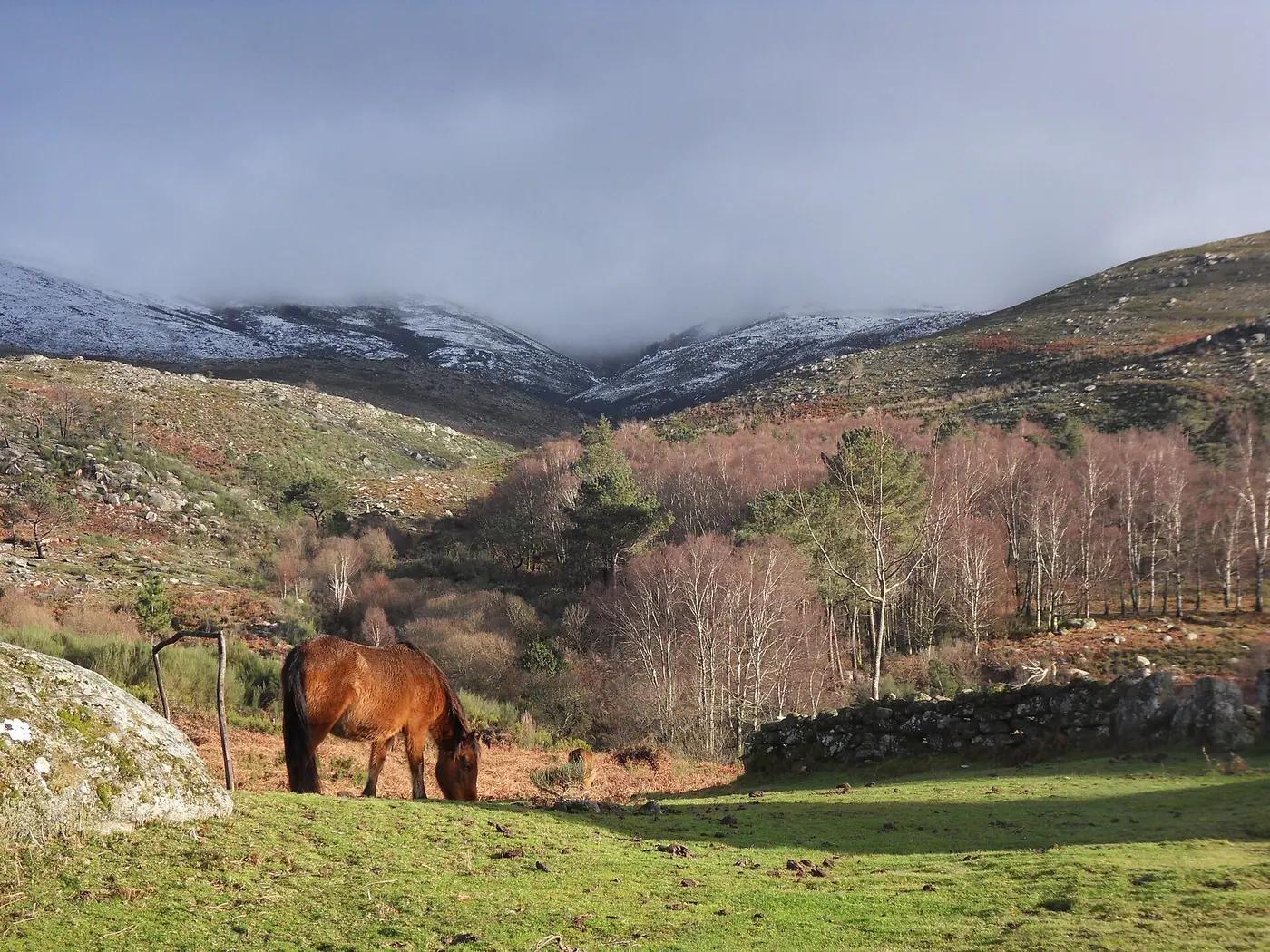
Northern Portugal is the country's wild corner. Peneda-Gerês national park holds Iberian wolves, roe deer, semi-wild garrano ponies, otters and golden eagles; the Douro Internacional gorges have eagles and vultures on the cliffs; and the Ria de Aveiro south of Porto fills with flamingos and spoonbills. In Porto itself yellow-legged gulls own the Ribeira, grey wagtails work the Douro quays and Bocage's wall lizards bask in the Crystal Palace gardens.
Porto-region captures so far are a mix of a bird-of-prey centre near Aveiro, with buzzards, owls and a peregrine, and wild coast finds like yellow-legged gulls and greylag geese. The granite hills an hour inland are where the real wildlife is.
Porto is the natural base. Peneda-Gerês is 90 minutes north, the Douro wine valley two hours east, and the Ria de Aveiro an hour south. Most of it works as day trips.
Why this location matters
Good location pages explain why the place is worth your time, not just which names belong on a destination checklist.
Peneda-Gerês is Portugal's only national park and its wolf stronghold, with the Iberian wolf sharing the granite plateaux with the garrano, an ancient pony breed that runs semi-wild and is the wolves' main prey.
The Minho and Gerês are also the heartland of species found nowhere else: Bocage's wall lizard, the gold-striped salamander and the Iberian frog all have their core range in these wet granite hills.
Where to look
Wildlife map of Porto and Northern Portugal
This guide covers the region shown below. Zoom in to get your bearings before planning a trip.
Positions are geocoded from OpenStreetMap. Habitat access and opening times change — check locally before travelling. Smaller pins are public AnimalDex captures, placed to the nearest kilometre.
Field proof
Found in Porto and Northern Portugal by AnimalDex users
Real captures logged in the AnimalDex app inside this area and shared publicly by their collectors, with the animal confirmed by the app's identification. Places are shown to the nearest region, never the exact spot.
- 15
- public captures
- 11
- species recorded
- 4
- collectors
- 5
- wild sightings
Recent captures from the field
Species people have actually logged here
Every name links to its species guide. The count is how many public captures of that animal sit inside this area.
Collectors choose to share these captures on Discover and can withdraw them at any time. Coordinates are rounded to about a kilometre and refreshed with each site build.
Animals to spot
These are intentionally practical species picks, balancing accessibility, excitement, and what travelers can realistically notice in the location.
WolfC
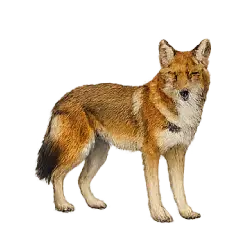
Peneda-Gerês and the Alvão and Montesinho hills hold most of Portugal's 300 Iberian wolves; the park's visitor centres cover the species.
Spotting note: Very rare to see; scat and tracks on the plateau tracks are realistic.
Read species guide
Domestic HorseC
The garrano, a small ancient pony breed, roams semi-wild across the Gerês plateaux and the Serra d'Arga, grazing between granite boulders.
Spotting note: Guaranteed on the Gerês high roads around Pitoes das Junias.
Read species guide
Roe DeerD
Recovering fast across the Gerês and Montesinho oak woods, often seen at dawn on the park's meadow edges.
Spotting note: Regular at dawn and dusk in Peneda-Gerês.
Read species guide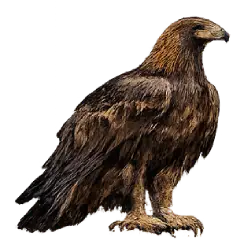
Golden EagleA
Breeds on the cliffs of the Douro Internacional gorges around Miranda do Douro, soaring with griffon and Egyptian vultures.
Spotting note: Regular from the Douro Internacional viewpoints and boat trips.
Read species guide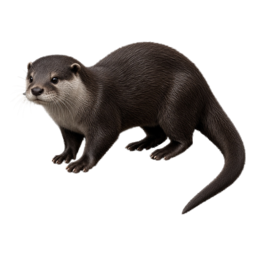
European OtterD
Northern Portugal's clean granite rivers, the Lima, Cavado and Tamega, hold a dense otter population; they even fish the Douro in Porto at night.
Spotting note: Uncommon; dawn on quiet Gerês river pools.
Read species guide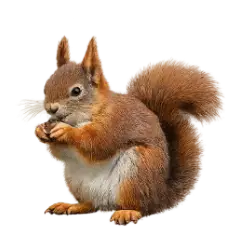
Red SquirrelD
Recolonised northern Portugal from Spain in the 1990s after a century's absence; now common in the Gerês pines and Porto's larger parks.
Spotting note: Common in pine woods north of the Douro.
Read species guide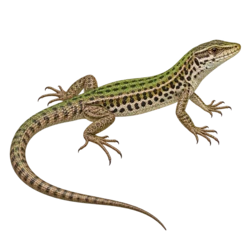
Bocage's Wall LizardD
The north-west Iberian endemic, green-backed males basking on granite walls across the Minho and in Porto's Crystal Palace gardens.
Spotting note: Common from March to October on sunny walls.
Read species guide
Fire SalamanderE
The wet oak and chestnut woods of Gerês and the Serra do Marão are ideal; the salamanders walk the trails on rainy autumn nights.
Spotting note: Seasonal; wet nights from October to March.
Read species guide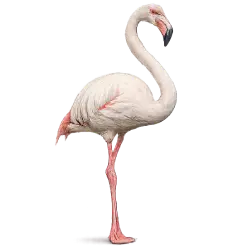
Greater FlamingoC
A growing flock uses the Ria de Aveiro salt pans and the Sao Jacinto reserve south of Porto, now present most of the year.
Spotting note: Reliable at the Aveiro salt pans in autumn and winter.
Read species guide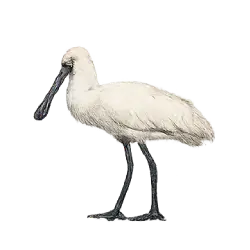
Eurasian SpoonbillC
Feeds alongside the flamingos in the Ria de Aveiro and the Minho estuary, sweeping the shallows in small flocks.
Spotting note: Regular in the Ria de Aveiro outside midsummer.
Read species guide
Yellow-legged GullD
The gull of Porto's Ribeira quays and the Foz beaches, logged by local users and bold enough to take a pastel de nata from your hand.
Spotting note: Guaranteed.
Read species guide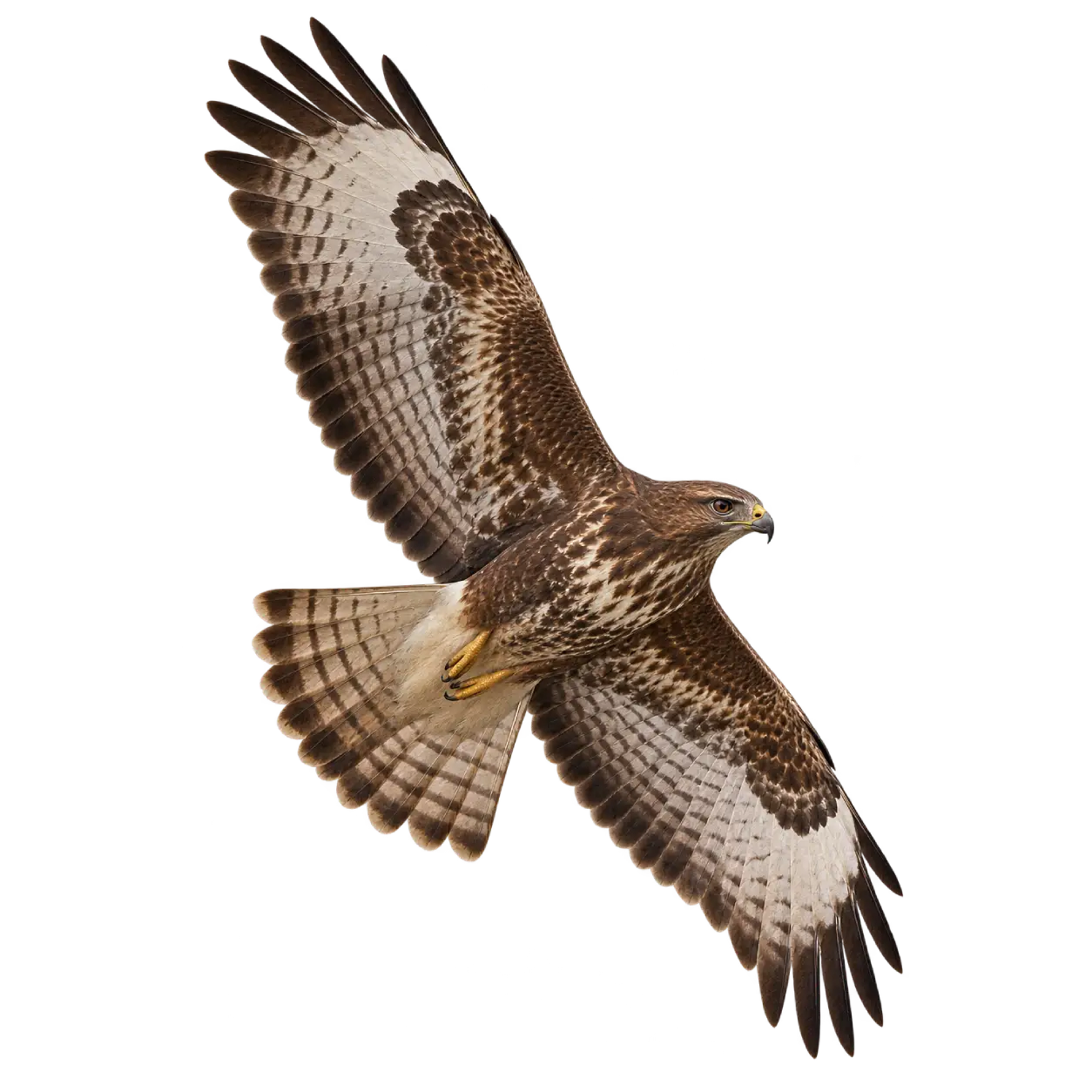
Common BuzzardC
The most captured raptor in northern Portugal, circling over the Minho farmland and Douro vineyards on every warm day.
Spotting note: Very common year-round.
Read species guide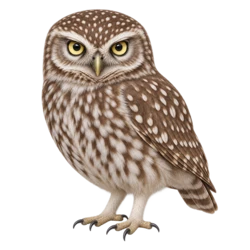
Little OwlD
Sits on Douro valley stone walls and vineyard posts in daylight, a repeat capture by northern users.
Spotting note: Common in the Douro and Tras-os-Montes.
Read species guide
DolphinB
Common dolphins feed off the Porto and Matosinhos coast and are seen from the Foz breakwater and on boats from Porto's Douro mouth.
Spotting note: Occasional from shore, regular on offshore boat trips.
Read species guideBest for
Use this section to decide whether the location fits your travel style, skill level, and AnimalDex goals.
- Wolves, garrano ponies and roe deer in Peneda-Gerês national park
- Eagles and vultures on the Douro Internacional cliffs
- Flamingos and spoonbills in the Ria de Aveiro
- Easy urban wildlife along the Douro in Porto
Spotting tips
These tips are meant to make the page useful in the field, not just readable on the page.
- 01Drive the Gerês plateau road to Pitoes das Junias at dawn for garranos, roe deer and the faint chance of a wolf.
- 02The Douro Internacional boat from Miranda do Douro runs beneath the eagle and vulture cliffs; morning light is best.
- 03Walk the Aveiro salt pans from the Marinha da Troncalhada at low tide for flamingos and waders close in.
- 04In Porto, the Crystal Palace gardens give Bocage's wall lizards, peacocks and red squirrels within the city.
Virtual Wildlife Guides
Wildlife guides to Porto and Northern Portugal
AnimalDex builds virtual guides from explorers' own wild sightings: which animals they found, how rare they are, and when. A guide is advice from someone who has been there, not a tour. Buying one unlocks the author's notes for every animal, a chat with the author, and introductions to local people they met. Wildlife is never guaranteed.
Checking for virtual guides to Porto and Northern Portugal...
How to choose a local wildlife guide in Porto and Northern Portugal
- Ask what they usually find in the season you are visiting. A good guide gives an honest answer, not a promised sighting.
- Check how they treat animals: no baiting, calling in, handling, or close flash photography for a better shot.
- Confirm the meeting area, duration, group size, total price, and how you pay before the day, plus any permits or park fees the place requires.
Track the animals you find in Porto and Northern Portugal
Build your collection while you travel through Porto and Northern Portugal, from easy wins to the species worth planning around.
Related locations
Keep exploring with nearby or similar destinations that support the same kind of AnimalDex discovery.
Animals in Portugal: What You Can Spot, Learn, and Collect
Portugal's wildlife from Gerês to the Algarve: Iberian wolves and lynx, Tagus flamingos, cliff-nesting storks, azure-winged magpies, mongooses and Sado dolphins.
Read location guideAnimals in Lisbon: What You Can Spot, Learn, and Collect
Lisbon wildlife: Tagus estuary flamingos and avocets, the Oceanário's sunfish, Sado dolphins, Cabo da Roca peregrines, Sintra foxes, castle peacocks and wall geckos.
Read location guideAnimals in Spain: What You Can Spot, Learn, and Collect
A practical Spain wildlife guide built around Mediterranean coasts, dry-country birds, wetlands, and the broad habitat mix that makes the country stronger than beach-only travel suggests.
Read location guideLocation FAQ
Short direct answers to the questions travelers usually ask before choosing a wildlife destination or zoo day.
What wildlife is there in Porto and Northern Portugal?
Iberian wolves, roe deer, wild boar, otters, red squirrels and semi-wild garrano ponies in Peneda-Gerês; golden eagles, griffon and Egyptian vultures on the Douro gorges; flamingos and spoonbills in the Ria de Aveiro; and gulls, wagtails and Bocage's wall lizards in Porto itself.
What animals can be found in Peneda-Gerês?
Iberian wolf, roe deer, wild boar, otter, European wildcat, garrano ponies, golden eagle, Bocage's wall lizard, fire salamander and the gold-striped salamander found only in north-west Iberia.
Can you see dolphins from Porto?
Common dolphins feed off Matosinhos and Foz and are occasionally seen from the breakwater. Boat trips from the Douro mouth and from Aveiro find them regularly in summer.
When is the best time to visit Northern Portugal for wildlife?
May and June for Gerês flowers, lizards and raptors; autumn for the wolf rut and fire salamanders; and winter for the Aveiro flamingo flocks.
Have AnimalDex users found animals in Porto and Northern Portugal?
Yes. AnimalDex users have publicly logged 15 captures of 11 different species in Porto and Northern Portugal, including common buzzard, black vulture, little owl, barn funnel weaver. Each one was photographed in the app at the moment of the sighting.
How do I find a wildlife guide to Porto and Northern Portugal?
Check the Wildlife Guides section on this page or browse Wildlife Guides on AnimalDex. Each one is a virtual guide built from an explorer's own wild sightings around Porto and Northern Portugal: the animals they found, how rare they are, and when. It is advice from someone who has been there, not a tour. If you want someone with you on the day, compare local guides on wildlife knowledge, how they treat animals, and clear pricing before you go.