

Animals in New York: What You Can Spot, Learn, and Collect
New York State wildlife guide: Adirondack moose, loons and bears, Central Park's red-tailed hawks, humpback whales off Long Island, Montauk seals, and the Bronx Zoo's gorillas.
Quick answer
Start with the direct answer, then use the sections below to see why the location matters and which animals are actually realistic to spot there.
New York State runs from six-million-acre Adirondack wilderness to the densest city in the country, and both ends have wildlife. The Adirondacks give moose, black bears, loons and beavers; New York City gives red-tailed hawks over Central Park, peregrines on the bridges, raccoons in every park and humpback whales feeding within sight of the Rockaways. Long Island adds nesting plovers and winter seals at Montauk.
The Adirondack Park is larger than Yellowstone, Yosemite and Glacier combined, and its boreal lakes and bogs hold the state's moose, loons, martens and spruce grouse. The High Peaks get the hikers; the wildlife is thicker in the quieter northwest lakes.
Downstate, the comeback story is marine. Cleaner water brought menhaden back to New York Harbor, and the whales followed. Humpbacks now feed off Rockaway Beach and Montauk each summer, and seals winter on the rocks under the Montauk lighthouse.
Why this location matters
Good location pages explain why the place is worth your time, not just which names belong on a destination checklist.
Central Park's red-tailed hawks, made famous by Pale Male from 1991 onward, turned a generation of New Yorkers into birders. The park records more than 200 bird species a year and sits on the Atlantic flyway, so May mornings at the Ramble can rival any wild site.
The Bronx Zoo is the largest metropolitan zoo in the country and the home of the Wildlife Conservation Society, so a visit funds field programmes from Congo to the Adirondacks. Its gorillas, tigers and snow leopards are a legitimate part of a New York wildlife collection.
Where to look
Wildlife map of New York
This guide covers the region shown below. Zoom in to get your bearings before planning a trip.
Positions are geocoded from OpenStreetMap. Habitat access and opening times change — check locally before travelling. Smaller pins are public AnimalDex captures, placed to the nearest kilometre.
Field proof
Found in New York by AnimalDex users
Real captures logged in the AnimalDex app inside this area and shared publicly by their collectors, with the animal confirmed by the app's identification. Places are shown to the nearest region, never the exact spot.
- 15
- public captures
- 14
- species recorded
- 5
- collectors
- 13
- wild sightings
Recent captures from the field
Species people have actually logged here
Every name links to its species guide. The count is how many public captures of that animal sit inside this area.
- American Robin2 captures
- Canada Goose1 capture
- Click Beetle1 capture
- Domestic Pigeon1 capture
- Eastern Gray Squirrel1 capture
- Eastern Red-backed Salamander1 capture
- Harnessed Moth1 capture
- House Fly1 capture
- Isabella Tiger Moth1 capture
- Mourning Cloak1 capture
- Orb-weaver Spider1 capture
- Red Ant1 capture
- Ring-billed Gull1 capture
- Two-spotted Cricket1 capture
Collectors choose to share these captures on Discover and can withdraw them at any time. Coordinates are rounded to about a kilometre and refreshed with each site build.
Animals to spot
These are intentionally practical species picks, balancing accessibility, excitement, and what travelers can realistically notice in the location.
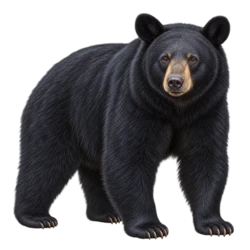
American Black BearB
The Adirondacks and Catskills hold several thousand bears, and the High Peaks require bear canisters because the Marcy Dam animals learned to open everything else.
Spotting note: Likely in the High Peaks backcountry from June to September; common in Catskill campgrounds.
Read species guide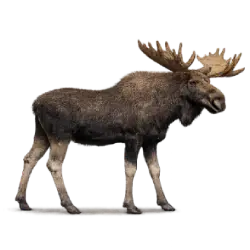
MooseA
Around 700 moose live in the Adirondacks, feeding in the wetlands around Tupper Lake, Newcomb and the Moose River Plains.
Spotting note: Uncommon; dawn drives on Route 28N or 30 in September give the best odds.
Read species guide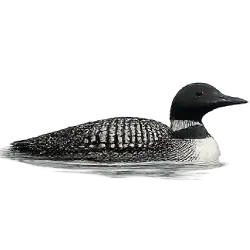
Common LoonC
Yodels across almost every Adirondack lake from ice-out to October, with chicks riding their parents' backs in July.
Spotting note: Common on quiet lakes; paddle at dawn for the closest views.
Read species guide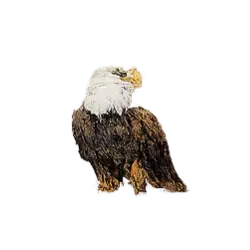
Bald EagleB
Recovered from a single pair in the 1970s to over 400 nests, with winter concentrations along the Hudson at Croton Point and the Delaware River around Narrowsburg.
Spotting note: Common year-round along the Hudson; January to February is peak on the upper Delaware.
Read species guide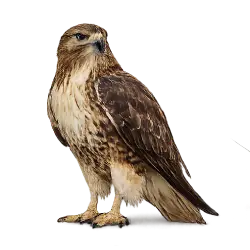
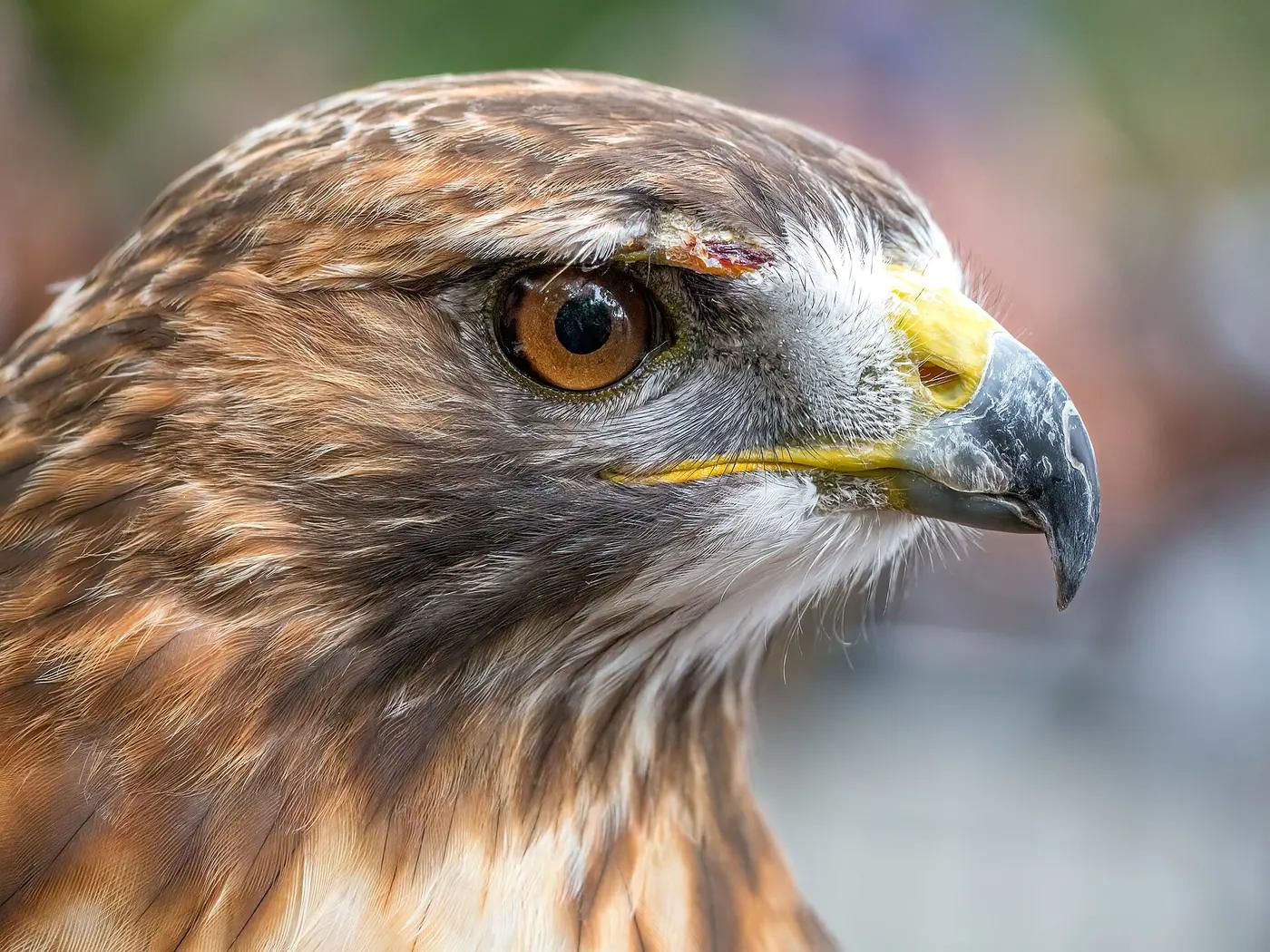
Red-tailed HawkC
Central Park's hawks nest on Fifth Avenue buildings and hunt rats and pigeons in the Ramble, continuing a lineage that began with Pale Male.
Spotting note: Near-guaranteed in Central Park; look up when the pigeons flush.
Read species guide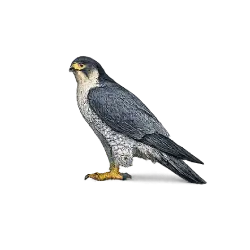
Peregrine FalconB
New York City has the densest urban peregrine population on earth, nesting on the Verrazzano, Throgs Neck and 55 Water Street.
Spotting note: Regular over Lower Manhattan and the bridges; Riverside Church and the Brooklyn Bridge are good scanning points.
Read species guide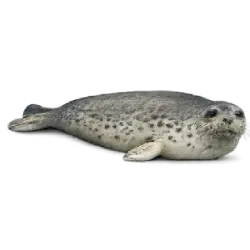
Harbor SealC
Hauls out on the rocks below Montauk Point lighthouse and in Jamaica Bay from November to April, with guided seal walks from Montauk's Camp Hero.
Spotting note: Reliable at Montauk Point at low tide in winter.
Read species guide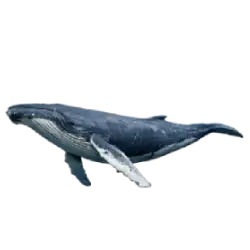
Humpback WhaleA
Feeds on menhaden off Rockaway Beach, Long Beach and Montauk from May to November, close enough that surfers have shared waves with them.
Spotting note: Likely on a summer whale-watch out of Riis Landing or Montauk; occasionally visible from the Rockaway boardwalk.
Read species guide
White-tailed DeerC
Abundant from the Adirondack foothills to the Staten Island greenbelt, where an urban herd browses suburban gardens.
Spotting note: Guaranteed upstate; common on Staten Island and eastern Long Island.
Read species guide Eastern Gray SquirrelD
Central Park alone holds a few thousand, counted in the 2018 Squirrel Census, and they beg at every bench.
Spotting note: Guaranteed in any city park.
Read species guide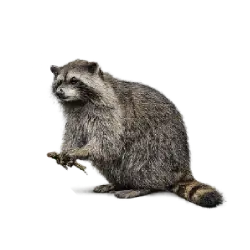
North American RaccoonC
Raids bins in Central Park, Prospect Park and the Bronx after dark and dens in brownstone attics across the boroughs.
Spotting note: Common at dusk in the big parks; do not approach.
Read species guide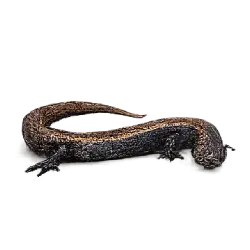
Eastern Red-backed SalamanderE
Lives under logs and flat stones in every damp hardwood forest from the Hudson Highlands to the Adirondacks, and was logged in New York by an AnimalDex user recently.
Spotting note: Common; turn over a log on a damp day and replace it gently.
Read species guide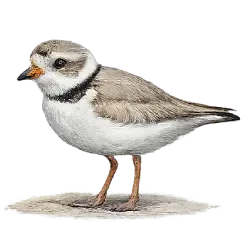
Piping PloverD
Nests behind string fences on Long Island's barrier beaches at Jones Beach, Nickerson and Breezy Point within the city limits.
Spotting note: Reliable at the fenced beaches from May to July.
Read species guide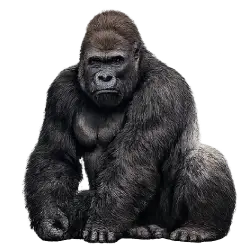
Western Lowland GorillaA
The Bronx Zoo's Congo Gorilla Forest houses one of the largest gorilla troops in North America behind a glass wall where the animals come to the visitors.
Spotting note: Guaranteed at the Bronx Zoo on any open day.
Read species guideBest for
Use this section to decide whether the location fits your travel style, skill level, and AnimalDex goals.
- Adirondack moose, loons and black bears
- Urban raptors and spring migration in Central Park
- Summer whale watching and winter seals off Long Island
- The Bronx Zoo's Congo Gorilla Forest
Spotting tips
These tips are meant to make the page useful in the field, not just readable on the page.
- 01For moose, drive Route 30 between Tupper Lake and Long Lake or the Moose River Plains road at dawn in September; stop at every wetland and scan the willow edges.
- 02Central Park's Ramble and the north woods are best from 7 to 10 am in the first three weeks of May; the Loeb Boathouse birders' log tells you what is around.
- 03Whale trips out of Riis Landing in Queens run from late spring to autumn; the Montauk boats add fin whales and dolphins in late summer.
- 04At Montauk Point in winter, walk the beach below the lighthouse at low tide for seals, and bring a scope; the animals haul out on the offshore rocks.
Virtual Wildlife Guides
Wildlife guides to New York
AnimalDex builds virtual guides from explorers' own wild sightings: which animals they found, how rare they are, and when. A guide is advice from someone who has been there, not a tour. Buying one unlocks the author's notes for every animal, a chat with the author, and introductions to local people they met. Wildlife is never guaranteed.
Checking for virtual guides to New York...
How to choose a local wildlife guide in New York
- Ask what they usually find in the season you are visiting. A good guide gives an honest answer, not a promised sighting.
- Check how they treat animals: no baiting, calling in, handling, or close flash photography for a better shot.
- Confirm the meeting area, duration, group size, total price, and how you pay before the day, plus any permits or park fees the place requires.
Track the animals you find in New York
Build your collection while you travel through New York, from easy wins to the species worth planning around.
Related tier lists
These tier lists add broader context around the species that make this location interesting.
100 Fastest Animals in the World
Ranked list of the fastest animals in the world, with land, flying, and marine speed kept separate so a diving falcon is not treated as the same kind of fast as a cheetah.
Read tier listRelated locations
Keep exploring with nearby or similar destinations that support the same kind of AnimalDex discovery.
Animals in the United States: What You Can Spot, Learn, and Collect
A practical United States wildlife guide built around habitat variety, from wetlands and coastlines to migration corridors and iconic American species.
Read location guideAnimals in Connecticut: What You Can Spot, Learn, and Collect
Connecticut wildlife guide: ospreys and harbour seals on Long Island Sound, black bears in Litchfield County, suburban deer and turkeys, plus Beardsley Zoo's red wolves and Mystic Aquarium's belugas.
Read location guideAnimals in Ontario: What You Can Spot, Learn, and Collect
Ontario wildlife guide: Algonquin moose and wolf howls, Toronto raccoons and the Toronto Zoo, Point Pelee's monarch and warbler migrations, loons on cottage lakes and polar bears on Hudson Bay.
Read location guideLocation FAQ
Short direct answers to the questions travelers usually ask before choosing a wildlife destination or zoo day.
What wildlife is there in New York?
Moose, black bears, loons, beavers, martens and bald eagles in the Adirondacks; white-tailed deer, coyotes, foxes and turkeys statewide; red-tailed hawks, peregrines, raccoons and squirrels in New York City; and humpback whales, seals and piping plovers along the Long Island shore.
What animals can be found in New York City?
Red-tailed hawks in Central Park, peregrine falcons on the bridges, raccoons, gray squirrels and opossums in every park, more than 200 bird species on migration, white-tailed deer on Staten Island, coyotes in the Bronx, and humpback whales and seals offshore from Queens and Brooklyn.
Are there moose in New York?
Yes, roughly 700 in the Adirondacks, concentrated in the northwest lakes and wetlands around Tupper Lake, Newcomb and the Moose River Plains. They are uncommon and most often seen at dawn in September.
Can you see whales from New York City?
Yes. Humpback whales feed off Rockaway Beach and Coney Island from May to November, and whale-watching boats leave from Riis Landing in Queens. Sightings from the Rockaway boardwalk happen most summers.
Have AnimalDex users found animals in New York?
Yes. AnimalDex users have publicly logged 15 captures of 14 different species in New York, including american robin, canada goose, click beetle, domestic pigeon. Each one was photographed in the app at the moment of the sighting.
How do I find a wildlife guide to New York?
Check the Wildlife Guides section on this page or browse Wildlife Guides on AnimalDex. Each one is a virtual guide built from an explorer's own wild sightings around New York: the animals they found, how rare they are, and when. It is advice from someone who has been there, not a tour. If you want someone with you on the day, compare local guides on wildlife knowledge, how they treat animals, and clear pricing before you go.