

Animals in Rio Grande do Sul: What You Can Spot, Learn, and Collect
Wildlife in Rio Grande do Sul: capybaras and marsh deer at Taim, flamingos and black-necked swans at Lagoa do Peixe, rheas on the Pampas, right whales at Torres.
Quick answer
Start with the direct answer, then use the sections below to see why the location matters and which animals are actually realistic to spot there.
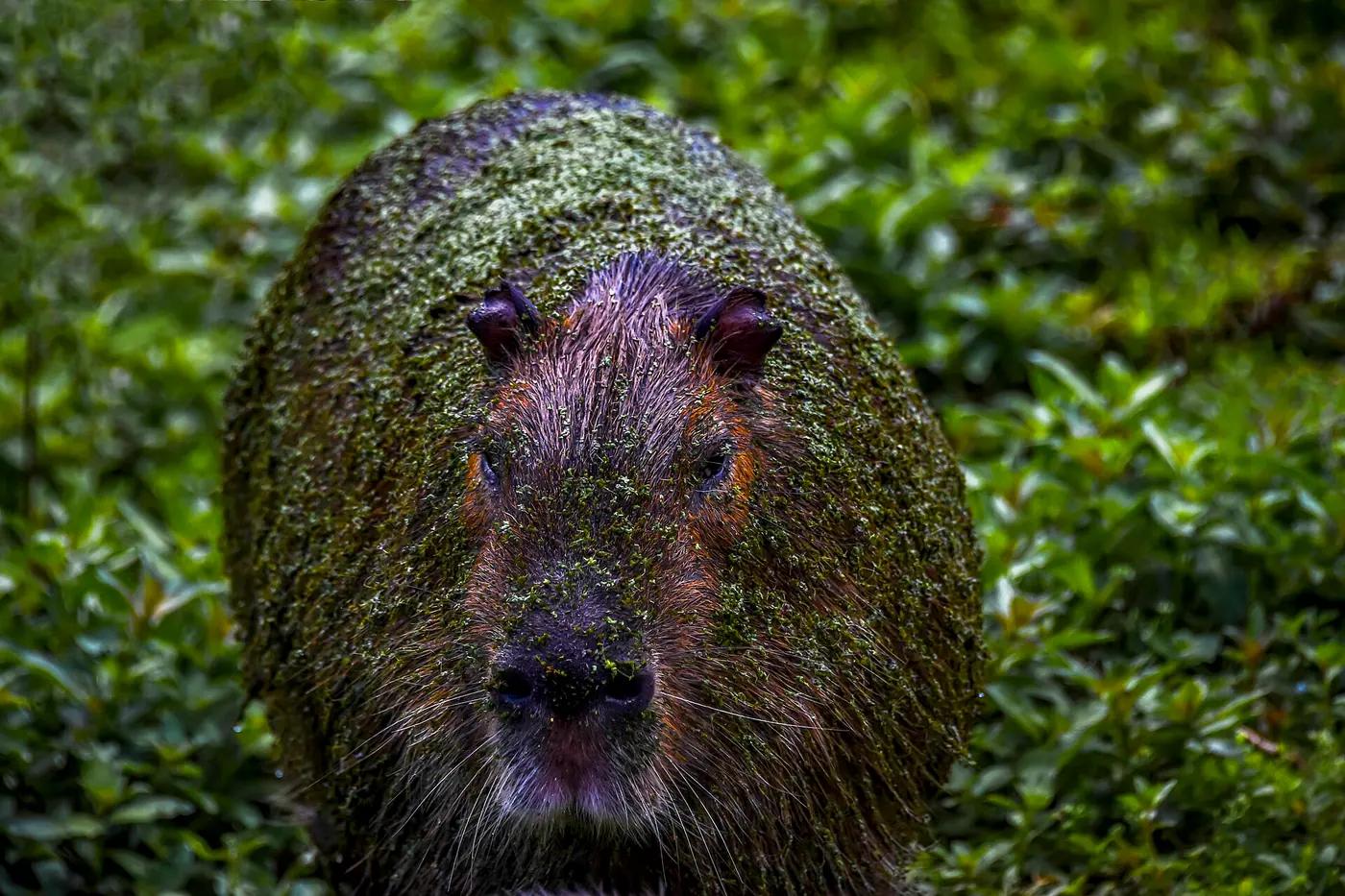
Brazil's southernmost state is grassland and lagoon country rather than rainforest. Capybaras, marsh deer and caimans crowd the Taim reserve, Chilean flamingos and black-necked swans gather at Lagoa do Peixe, greater rheas stride the Pampas ranches, and southern right whales calve off Torres and the northern beaches from July to November.
Rio Grande do Sul feels more like Uruguay than Amazonia: rolling Pampas, eucalyptus windbreaks, rice paddies and the enormous Lagoa dos Patos, the largest lagoon in South America. The wildlife follows that geography, with open-country birds, grazing mammals and huge wetland flocks instead of canopy species.
The coastal strip between Lagoa dos Patos and the Atlantic is the heart of it. Lagoa do Peixe National Park is a stopover for migratory shorebirds and flamingos, and the Taim Ecological Station further south has one of the densest capybara populations anywhere, visible from the BR-471 highway.
Why this location matters
Good location pages explain why the place is worth your time, not just which names belong on a destination checklist.
The Pampas is one of Brazil's least protected biomes, and the state's grassland species, from rheas to burrowing owls, depend on how ranchers manage their fields. Logging sightings here documents a landscape that is quietly disappearing under soy.
The coast matters too. Torres is the northern limit of a southern right whale nursery that stretches down into Santa Catarina, and Magellanic penguins wash up on the beaches every winter, a reminder that this is where tropical Brazil meets the cold Southern Ocean.
Where to look
Wildlife map of Rio Grande do Sul
This guide covers the region shown below. Zoom in to get your bearings before planning a trip.
Positions are geocoded from OpenStreetMap. Habitat access and opening times change — check locally before travelling. Smaller pins are public AnimalDex captures, placed to the nearest kilometre.
Field proof
Found in Rio Grande do Sul by AnimalDex users
Real captures logged in the AnimalDex app inside this area and shared publicly by their collectors, with the animal confirmed by the app's identification. Places are shown to the nearest region, never the exact spot.
- 15
- public captures
- 15
- species recorded
- 2
- collectors
- 14
- wild sightings
Recent captures from the field
Species people have actually logged here
Every name links to its species guide. The count is how many public captures of that animal sit inside this area.
- Andean Sparrow1 capture
- Daddy Long-Legs Spider1 capture
- Drain Fly1 capture
- Geometer Moth1 capture
- Grey Field Slug1 capture
- Japanese Quail1 capture
- Leopard Slug1 capture
- Melipona Stingless Bee1 capture
- Muscovy Duck1 capture
- Plume Moth1 capture
- Ruddy Ground Dove1 capture
- Snail1 capture
- Southern Mole Cricket1 capture
- Two-spotted Cricket1 capture
- White Grub1 capture
Collectors choose to share these captures on Discover and can withdraw them at any time. Coordinates are rounded to about a kilometre and refreshed with each site build.
Animals to spot
These are intentionally practical species picks, balancing accessibility, excitement, and what travelers can realistically notice in the location.
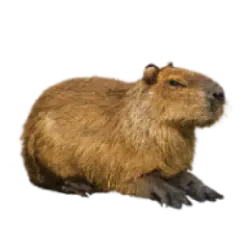
CapybaraD
Taim's capybaras graze the roadside verges in herds and are the reason the BR-471 has wildlife fences and speed limits.
Spotting note: Guaranteed at Taim at dawn and dusk; frequent around Porto Alegre's Guaíba shore too.
Read species guide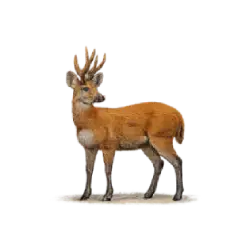
Marsh DeerB
Brazil's largest deer wades the Taim marshes with its long black legs, often standing belly-deep in the reeds.
Spotting note: Uncommon; scan the wet grassland edges from the Taim viewpoints early.
Read species guide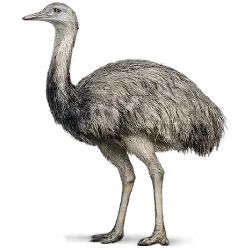
Greater RheaC
Rheas stride across the Pampas ranches of the campanha around Bagé and Santana do Livramento, often in loose family groups.
Spotting note: Common on open ranchland in the southwest of the state.
Read species guide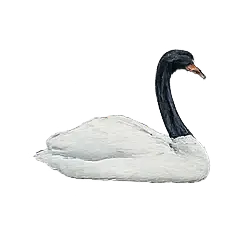
Black-necked SwanC
Hundreds gather on Lagoa do Peixe and the shallow lagoons south of Mostardas, the most elegant waterbird of the southern coast.
Spotting note: Reliable at Lagoa do Peixe, especially in winter.
Read species guide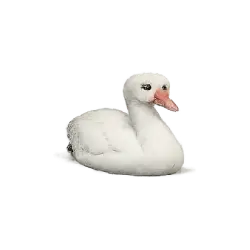
Coscoroba SwanC
The smaller white swan with a coral-pink bill shares the coastal lagoons with its black-necked cousin.
Spotting note: Regular at Lagoa do Peixe and Taim.
Read species guide
Southern Right WhaleA
Mothers and calves rest in the shallow bays off Torres and the northern beaches, sometimes within a hundred metres of the sand.
Spotting note: Seasonal, July to November; Torres' headlands are the best shore viewpoints.
Read species guide
Magellanic PenguinC
Juveniles from Patagonia follow the cold currents north and come ashore along the Rio Grande do Sul beaches each winter.
Spotting note: Winter beaches only; many are exhausted, so report rather than approach.
Read species guide
Southern LapwingD
The quero-quero screams at anyone who crosses its field and nests on football pitches and ranch pastures across the state.
Spotting note: Abundant everywhere there is short grass.
Read species guide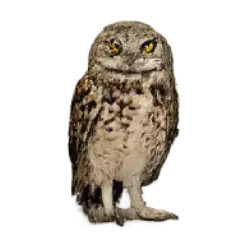
Burrowing OwlC
Pairs stand beside their burrows on sandy ground near Mostardas and the coastal dunes, glaring at passing cars.
Spotting note: Common along the coastal road and on open grazing land.
Read species guide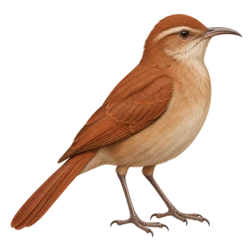
Rufous HorneroE
The rufous hornero's clay oven nests sit on fence posts and power poles the length of the Pampas.
Spotting note: Very common; the nests are easier to spot than the bird.
Read species guide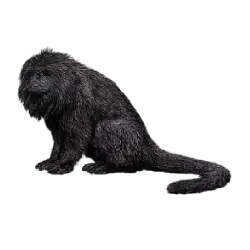
Black Howler MonkeyC
Black males and blonde females howl from the gallery forests of the Uruguay, Ibicuí and Jacuí rivers in the west of the state; the howler in Itapuã State Park outside Porto Alegre is the brown howler, a different species.
Spotting note: Uncommon; dawn roars in riverside forest around Uruguaiana and Santa Maria are the best lead.
Read species guide
Argentine Black and White TeguC
Big tegus patrol the dunes and farm edges of the coastal plain through the warm months.
Spotting note: Regular in summer, dormant from May to September.
Read species guide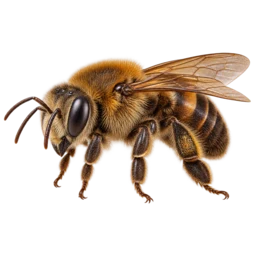
Melipona Stingless BeeD
Stingless bee hives are kept across the state and wild colonies nest in old fence posts and hollow trees.
Spotting note: Common wherever flowers bloom; one of the species users actually log here.
Read species guide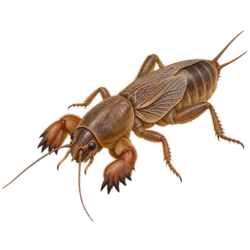
Southern Mole CricketE
A burrowing cricket of the sandy coastal soils that turns up on paths after rain and under lights at night.
Spotting note: Common after wet nights near the coast.
Read species guideBest for
Use this section to decide whether the location fits your travel style, skill level, and AnimalDex goals.
- Wetland birding at Lagoa do Peixe and Taim
- Shore-based whale watching at Torres from July to November
- Pampas road trips with rheas, lapwings and burrowing owls
- Family-friendly capybara spotting without leaving the car
Spotting tips
These tips are meant to make the page useful in the field, not just readable on the page.
- 01Drive the BR-471 through Taim at dawn and stop at the official viewpoints; capybaras and marsh deer feed closest to the road before 08:00.
- 02At Lagoa do Peixe hire a local guide in Mostardas, the lagoon tracks flood and the best shorebird flats shift with the season.
- 03In Torres walk the Morro do Farol and Guarita headlands on calm winter mornings with binoculars for right whales.
- 04Winter penguins on the beach are usually sick or starving; photograph from a distance and call the local wildlife rescue rather than touching them.
Virtual Wildlife Guides
Wildlife guides to Rio Grande do Sul
AnimalDex builds virtual guides from explorers' own wild sightings: which animals they found, how rare they are, and when. A guide is advice from someone who has been there, not a tour. Buying one unlocks the author's notes for every animal, a chat with the author, and introductions to local people they met. Wildlife is never guaranteed.
Checking for virtual guides to Rio Grande do Sul...
How to choose a local wildlife guide in Rio Grande do Sul
- Ask what they usually find in the season you are visiting. A good guide gives an honest answer, not a promised sighting.
- Check how they treat animals: no baiting, calling in, handling, or close flash photography for a better shot.
- Confirm the meeting area, duration, group size, total price, and how you pay before the day, plus any permits or park fees the place requires.
Track the animals you find in Rio Grande do Sul
Build your collection while you travel through Rio Grande do Sul, from easy wins to the species worth planning around.
Related locations
Keep exploring with nearby or similar destinations that support the same kind of AnimalDex discovery.
Animals in Brazil: What You Can Spot, Learn, and Collect
A practical Brazil wildlife guide built around wetlands, rainforest color, and the species that make the country feel big, alive, and worth collecting carefully.
Read location guideAnimals in Uruguay: What You Can Spot, Learn, and Collect
Wildlife in Uruguay: sea lions at Cabo Polonio, capybaras and rheas on the Pampas, black-necked swans on the Rocha lagoons, right whales offshore in spring.
Read location guideAnimals in São Paulo: What You Can Spot, Learn, and Collect
Wildlife in São Paulo: capybaras on the Pinheiros river, howler monkeys and toucans in Cantareira, whales and turtles at Ilhabela, plus the São Paulo Zoo.
Read location guideLocation FAQ
Short direct answers to the questions travelers usually ask before choosing a wildlife destination or zoo day.
What wildlife is there in Rio Grande do Sul?
Capybaras, marsh deer, caimans and huge waterbird flocks in the Taim and Lagoa do Peixe reserves, greater rheas and burrowing owls on the Pampas, black and brown howler monkeys in the river forests and southern right whales off the northern beaches in winter.
What animals can be found in Rio Grande do Sul?
The sure things are capybaras at Taim, southern lapwings and horneros on any farmland, black-necked and coscoroba swans at Lagoa do Peixe, and rheas on the ranches of the campanha. Right whales and Magellanic penguins are seasonal winter visitors to the coast.
When can you see whales in Rio Grande do Sul?
Southern right whales arrive off Torres and the northern coast in July and stay until about November, with August to October the peak for mothers and calves close to shore.
Are there flamingos in Rio Grande do Sul?
Yes. Chilean flamingos feed in the shallow coastal lagoons of Lagoa do Peixe National Park, mostly in winter and spring, and smaller groups use the lagoons around Taim.
Have AnimalDex users found animals in Rio Grande do Sul?
Yes. AnimalDex users have publicly logged 15 captures of 15 different species in Rio Grande do Sul, including andean sparrow, daddy long-legs spider, drain fly, geometer moth. Each one was photographed in the app at the moment of the sighting.
How do I find a wildlife guide to Rio Grande do Sul?
Check the Wildlife Guides section on this page or browse Wildlife Guides on AnimalDex. Each one is a virtual guide built from an explorer's own wild sightings around Rio Grande do Sul: the animals they found, how rare they are, and when. It is advice from someone who has been there, not a tour. If you want someone with you on the day, compare local guides on wildlife knowledge, how they treat animals, and clear pricing before you go.