

Animals in Hungary: What You Can Spot, Learn, and Collect
Hungary's wildlife guide: autumn crane roosts on the Hortobágy puszta, spoonbills and wels catfish at Lake Balaton, red deer in Gemenc and golden jackals in the south.
Quick answer
Start with the direct answer, then use the sections below to see why the location matters and which animals are actually realistic to spot there.
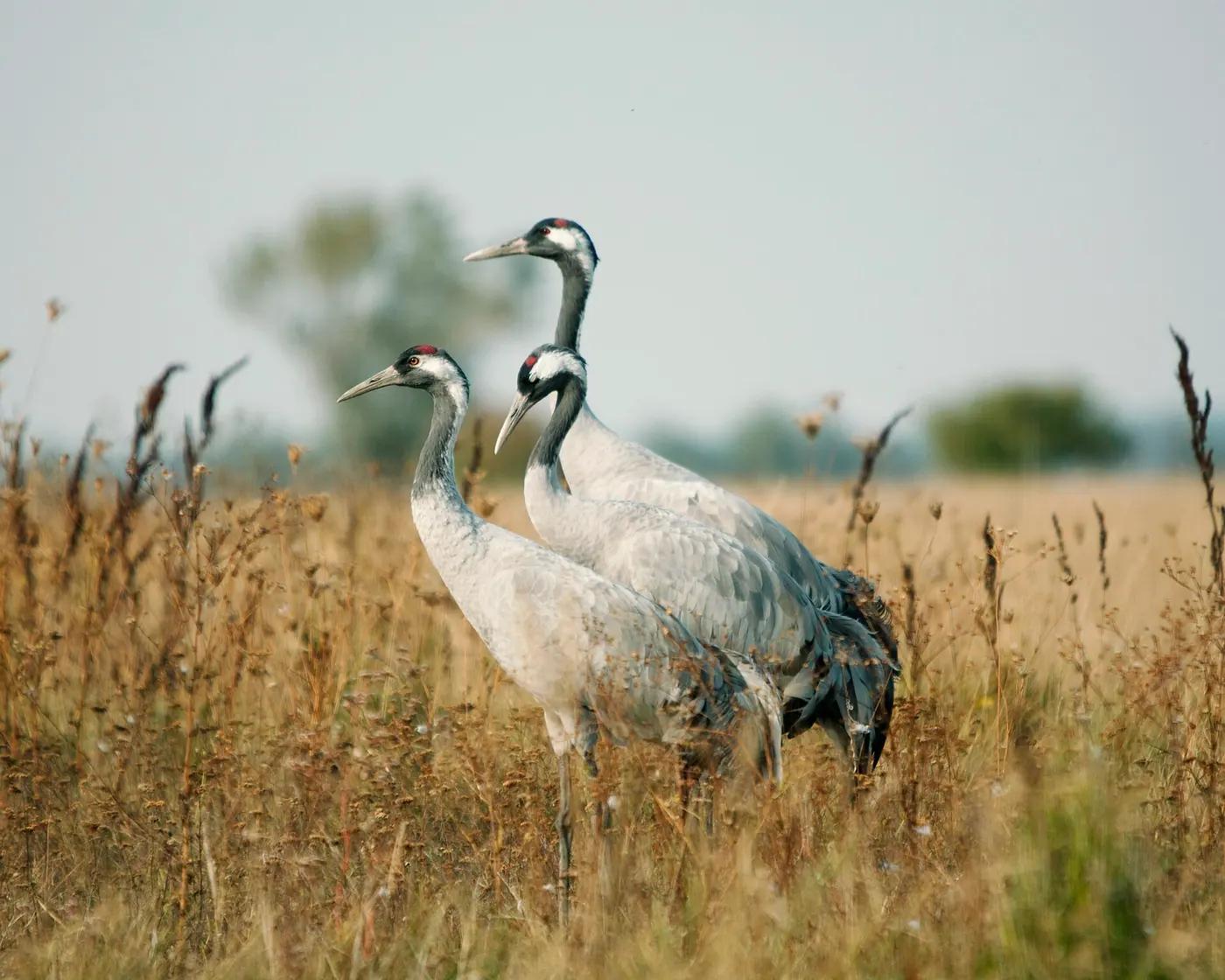
Hungary is a flat, wet, bird-rich country. The Hortobágy puszta stages well over 100,000 common cranes each autumn, Lake Tisza and the Kis-Balaton wetland hold spoonbills, herons and egrets, and the Gemenc forest on the Danube has one of the largest red deer ruts in Europe. Golden jackals, rollers, bee-eaters and eagle owls round out a list that is far better than most visitors expect.
Hungary sits in the middle of the Carpathian Basin, which means almost the entire country is lowland plain, river floodplain or lake. That is bad news for mountain wildlife and very good news for birds, fish and anything that likes reeds. The Hortobágy, Europe's largest natural grassland, has been grazed by grey cattle and racka sheep for a thousand years and is the first national park the country created.
The AnimalDex captures from Hungary so far cluster around Komárom-Esztergom, the stretch of the Danube bend between Tata and Esztergom, and they are nearly all insects and small finds from gardens and riverbanks: cabbage whites, firebugs, underwing moths and a Danube river snail. That is a fair picture of what a casual visit produces. The big wildlife needs a deliberate trip east to the puszta or south to the Danube forests.
Start with these animals
Why this location matters
Good location pages explain why the place is worth your time, not just which names belong on a destination checklist.
Hungary shows how farmed land can still carry wildlife. The puszta is a working landscape of herders, cattle and fishponds, yet it holds the country's cranes, bustards and sousliks precisely because it was never ploughed.
It is also the heart of the golden jackal's return to Europe. From a handful of animals in the 1990s, the species now numbers in the thousands in the south of the country and is spreading north and west, one of the fastest range expansions of any European carnivore.
Where to look
Wildlife map of Hungary
This guide covers the region shown below. Zoom in to get your bearings before planning a trip.
Positions are geocoded from OpenStreetMap. Habitat access and opening times change — check locally before travelling. Smaller pins are public AnimalDex captures, placed to the nearest kilometre.
Field proof
Found in Hungary by AnimalDex users
Real captures logged in the AnimalDex app inside this area and shared publicly by their collectors, with the animal confirmed by the app's identification. Places are shown to the nearest region, never the exact spot.
- 12
- public captures
- 11
- species recorded
- 2
- collectors
- 12
- wild sightings
Recent captures from the field
Species people have actually logged here
Every name links to its species guide. The count is how many public captures of that animal sit inside this area.
Collectors choose to share these captures on Discover and can withdraw them at any time. Coordinates are rounded to about a kilometre and refreshed with each site build.
Animals to spot
These are intentionally practical species picks, balancing accessibility, excitement, and what travelers can realistically notice in the location.
Golden JackalC
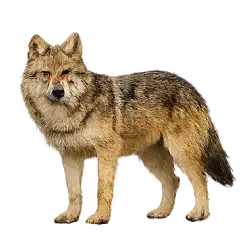
Hungary's jackal population exploded from near zero in the 1990s to many thousands, densest in Somogy and Baranya counties south of Lake Balaton where their yipping chorus starts at dusk.
Spotting note: Heard regularly in the south at dusk; a sighting takes a quiet forest track at first light.
Read species guide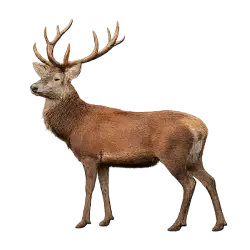
Red DeerB
The Gemenc floodplain forest on the Danube near Baja produces some of the heaviest red deer antlers in Europe, and the late-September rut can be watched from the forest railway and hides.
Spotting note: Common in Gemenc; book a hide for the rut in the last ten days of September.
Read species guide
Wild BoarB
Boar are everywhere from the Danube forests to the Buda hills, where they root through gardens on the edge of Budapest and are a regular hazard on forest roads after dark.
Spotting note: Very common; dusk drives through Gemenc or the Pilis hills almost always turn one up.
Read species guide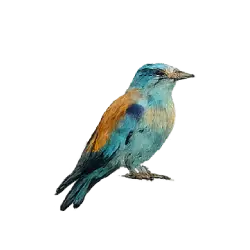
European RollerD
Hungary hosts one of the largest roller populations left in Europe, nesting in boxes along the Hortobágy and Kiskunság roads and sitting on wires like scraps of turquoise.
Spotting note: Easy on the puszta from May to August; look at the nest-box posts along the minor roads.
Read species guide
European Bee-eaterD
Colonies dig into sandy banks and loess walls across the Great Plain, and the birds hawk over vineyards and Tisza meanders through the summer.
Spotting note: Common from May to August wherever there is a sandy bank; listen for the rolling call.
Read species guide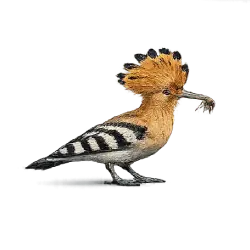
HoopoeD
Hoopoes feed on the short, grazed turf of the puszta and nest in old pollards and farm buildings around Hortobágy and the Kiskunság.
Spotting note: Regular on grazed grassland in spring and summer.
Read species guide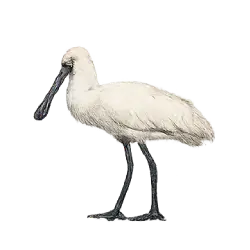
Eurasian SpoonbillC
The Kis-Balaton wetland at the western end of Lake Balaton and the Hortobágy fishponds hold several hundred breeding pairs, feeding in lines through the shallows.
Spotting note: Reliable at Hortobágy-halastó and Kis-Balaton between April and September.
Read species guide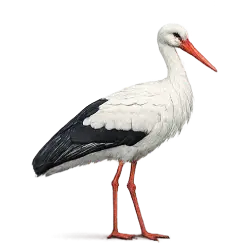
White StorkC
Around 5,000 pairs nest on chimneys and platforms in villages across the plain, and the Hortobágy's wet meadows are full of them hunting frogs and voles.
Spotting note: Guaranteed in any plains village from April to August.
Read species guide
Pied AvocetC
The soda lakes of the Kiskunság, such as Kelemen-szék near Fülöpszállás, are inland breeding sites for avocets, which sweep the alkaline shallows for brine shrimp.
Spotting note: Regular on the soda lakes from April to July; water levels decide how many stay.
Read species guide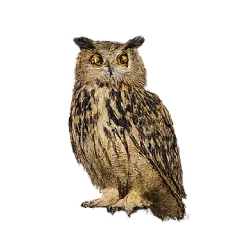
Eurasian Eagle-OwlB
Eagle owls breed in the abandoned quarries of the Gerecse hills in Komárom-Esztergom county, the same district where most Hungarian AnimalDex captures were made.
Spotting note: Uncommon; a dusk watch at a quarry rim in late winter, when they call, is the way in.
Read species guide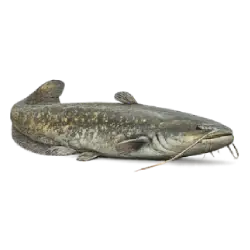
Wels CatfishC
Lake Balaton and the Tisza produce wels of well over 50 kilograms, and anglers' photos from Tiszafüred and Balatonfüred are a local institution.
Spotting note: Caught rather than seen; summer nights on the Tisza are the catfish season.
Read species guide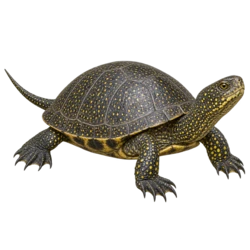
European Pond TerrapinE
The oxbows and backwaters of the Tisza and the Kis-Balaton canals have basking terrapins on logs through the warm months, Hungary's only native turtle.
Spotting note: Fairly common at the right backwater; approach slowly or they drop off the log.
Read species guide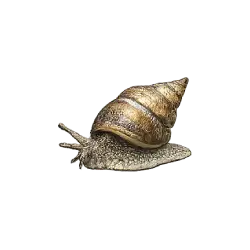
Danube River SnailE
A large freshwater snail of the slow Danube backwaters and the Tata lakes, and one of the very first Hungarian species captured in AnimalDex.
Spotting note: Common on silty margins of the Danube and its side arms.
Read species guide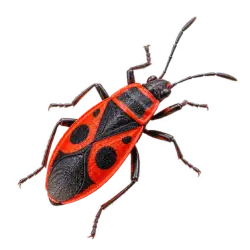
FirebugE
Red-and-black firebugs crowd the bases of lime trees in Budapest parks and in every town along the Danube bend, where users have already photographed them.
Spotting note: Abundant on sunny tree trunks from March onwards.
Read species guideBest for
Use this section to decide whether the location fits your travel style, skill level, and AnimalDex goals.
- Crane and raptor watching on the Hortobágy puszta in October and November
- Spoonbills, herons and egrets at Lake Tisza and the Kis-Balaton
- The red deer rut in the Gemenc Danube forest
- Easy insect and garden-bird captures along the Danube bend near Tata and Esztergom
Spotting tips
These tips are meant to make the page useful in the field, not just readable on the page.
- 01Hortobágy cranes roost on the fishponds and feed on stubble by day; stand near Hortobágy-halastó at sunset in late October to watch tens of thousands fly in.
- 02The Tata Öreg-tó (Old Lake) in Komárom-Esztergom fills with tens of thousands of wild geese from October to December; the promenade gives free views at dusk.
- 03At Lake Balaton skip the resort beaches and go to the Kis-Balaton near Keszthely, where the Kányavári island boardwalk gets you into the reeds.
- 04Jackals are easiest to confirm by sound: stop on a quiet forest track in Somogy at dusk and wait for the chorus.
Virtual Wildlife Guides
Wildlife guides to Hungary
AnimalDex builds virtual guides from explorers' own wild sightings: which animals they found, how rare they are, and when. A guide is advice from someone who has been there, not a tour. Buying one unlocks the author's notes for every animal, a chat with the author, and introductions to local people they met. Wildlife is never guaranteed.
Checking for virtual guides to Hungary...
How to choose a local wildlife guide in Hungary
- Ask what they usually find in the season you are visiting. A good guide gives an honest answer, not a promised sighting.
- Check how they treat animals: no baiting, calling in, handling, or close flash photography for a better shot.
- Confirm the meeting area, duration, group size, total price, and how you pay before the day, plus any permits or park fees the place requires.
Track the animals you find in Hungary
Build your collection while you travel through Hungary, from easy wins to the species worth planning around.
Related tier lists
These tier lists add broader context around the species that make this location interesting.
100 Most Adaptable Animals
Most adaptable animals ranked by habitat flexibility, behavioral range, and success in changing conditions — including the current AnimalDex number one.
Read tier listRelated locations
Keep exploring with nearby or similar destinations that support the same kind of AnimalDex discovery.
Animals in Slovakia: What You Can Spot, Learn, and Collect
Slovakia's wildlife: Tatra chamois and marmots, one of Europe's densest brown bear populations, Carpathian lynx and wolves, and bats in the Slovak Karst caves.
Read location guideAnimals in Croatia: What You Can Spot, Learn, and Collect
Croatia's wildlife: bottlenose dolphins off Lošinj, griffon vultures on Cres, bears and lynx around Plitvice, the Kopački Rit deer rut and the storks of Lonjsko Polje.
Read location guideAnimals in Romania: What You Can Spot, Learn, and Collect
Romania's wildlife: Europe's largest pelican colony in the Danube Delta, thousands of Carpathian bears, wolves, lynx and chamois, and Dobrogea's tortoises and jackals.
Read location guideLocation FAQ
Short direct answers to the questions travelers usually ask before choosing a wildlife destination or zoo day.
What wildlife is there in Hungary?
Hungary is strongest for wetland and grassland wildlife: common cranes, spoonbills, herons, rollers, bee-eaters, great bustards and eagle owls, plus red deer, wild boar and a fast-growing golden jackal population. Its lakes and rivers hold wels catfish, zander and pond terrapins.
What animals can be found in Hungary?
On the Hortobágy puszta you can see cranes in autumn, storks, rollers and grey cattle; in the Danube forests red deer and boar; around Lake Balaton spoonbills, egrets and catfish. Jackals are now common in the south and wildcats and eagle owls live in the northern hills.
When is the best time for wildlife in Hungary?
Late October for the crane roosts at Hortobágy, late September for the Gemenc deer rut, and May to July for rollers, bee-eaters and the soda-lake waders. Winter brings huge goose flocks to Tata.
Is Budapest Zoo worth visiting?
Yes. The Budapest Zoo and Botanical Garden in the City Park is one of the oldest in the world, and its Art Nouveau elephant house and palm house are attractions in themselves. It is an easy way to add species to a collection on a city break.
Have AnimalDex users found animals in Hungary?
Yes. AnimalDex users have publicly logged 12 captures of 11 different species in Hungary, including house fly, black ant, carpenter bee, daddy long-legs spider. Each one was photographed in the app at the moment of the sighting.
How do I find a wildlife guide to Hungary?
Check the Wildlife Guides section on this page or browse Wildlife Guides on AnimalDex. Each one is a virtual guide built from an explorer's own wild sightings around Hungary: the animals they found, how rare they are, and when. It is advice from someone who has been there, not a tour. If you want someone with you on the day, compare local guides on wildlife knowledge, how they treat animals, and clear pricing before you go.