

Animals in Lithuania: What You Can Spot, Learn, and Collect
Lithuania's wildlife: Europe's densest white storks, moose and boar on the Curonian Spit, the Juodkrantė cormorant colony, Nemunas Delta migration and Baltic grey seals.
Quick answer
Start with the direct answer, then use the sections below to see why the location matters and which animals are actually realistic to spot there.
Lithuania has more white stork nests per square kilometre than any other country, moose, wild boar and roe deer that wander the dunes of the Curonian Spit, one of Europe's largest cormorant and heron colonies at Juodkrantė, and the Nemunas Delta, where millions of birds pass the Ventė Cape ringing station each spring and autumn. Wolves and lynx live in the eastern forests and grey seals swim the Baltic coast.
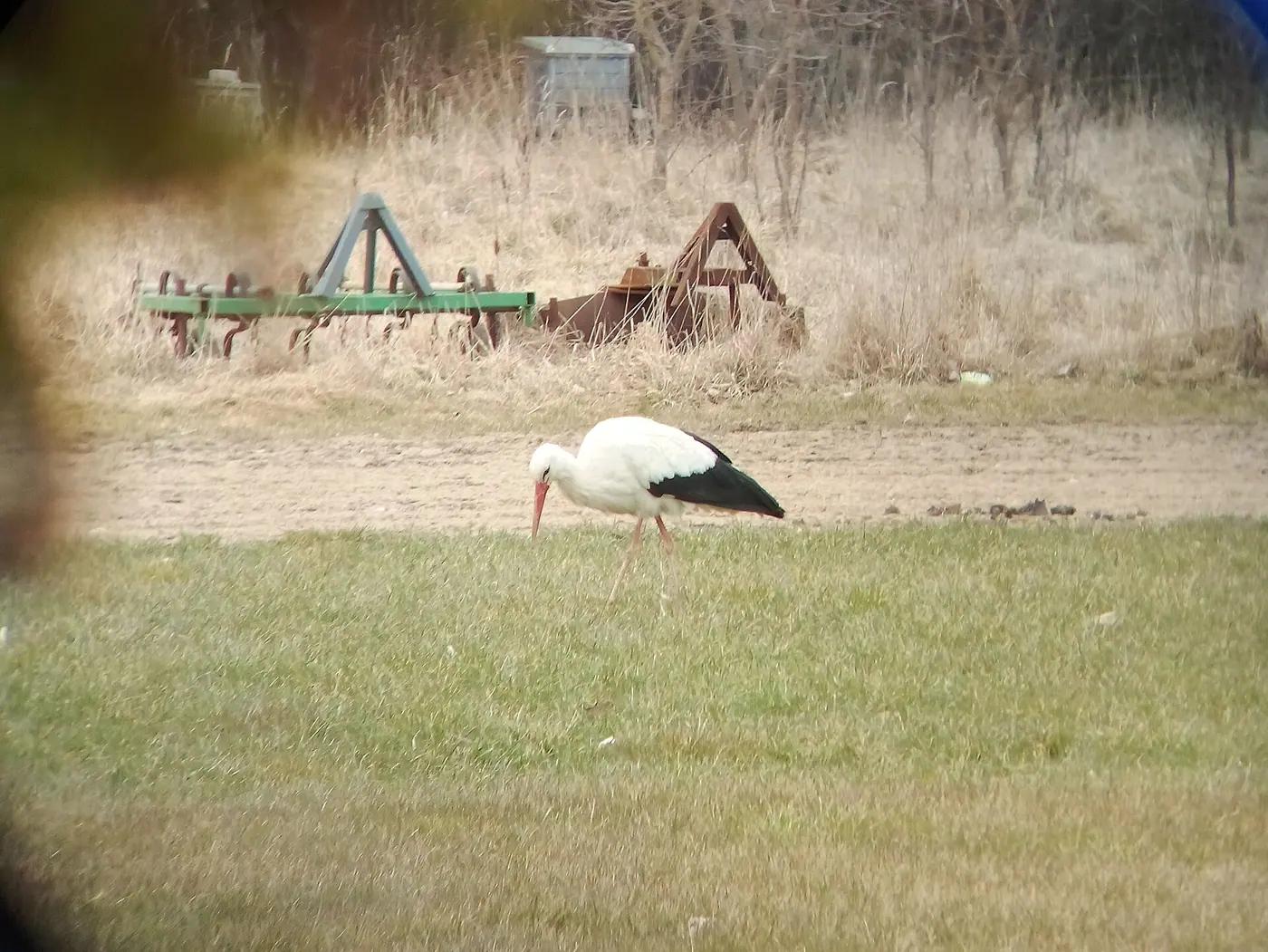
Lithuania is flat, forested and wet, with more storks than it knows what to do with. The white stork is the national bird, around 20,000 pairs nest on poles in every village, and 25 March is Stork Day, when the first birds are back from Africa. The country's forests hold moose, wolves, lynx and boar at densities the rest of Europe envies, and the Curonian Spit, a 98-kilometre sand bar shared with Russia, has moose browsing in the pine plantations behind the beach.
The Nemunas Delta on the Curonian Lagoon is the bird capital. The Ventė Cape ornithological station has ringed birds since 1929 and counts millions passing in spring and autumn, the flooded polders around Rusnė fill with geese and swans every April, and Juodkrantė on the spit has a cormorant and heron colony of thousands of pairs that has killed the pines it nests in.
Why this location matters
Good location pages explain why the place is worth your time, not just which names belong on a destination checklist.
Lithuania is a stronghold for the ordinary wildlife of lowland Europe at extraordinary densities. Storks, moose, boar and wolves all do better here than in the farmed west, largely because small fields, wet meadows and big state forests were never consolidated.
The Curonian Spit is also a UNESCO site where you can walk from a beach with grey seals offshore to a dune with moose tracks in ten minutes, one of the few places in Europe where big mammals and a holiday coast share the same sand.
Where to look
Wildlife map of Lithuania
This guide covers the region shown below. Zoom in to get your bearings before planning a trip.
Positions are geocoded from OpenStreetMap. Habitat access and opening times change — check locally before travelling. Smaller pins are public AnimalDex captures, placed to the nearest kilometre.
Field proof
Found in Lithuania by AnimalDex users
Real captures logged in the AnimalDex app inside this area and shared publicly by their collectors, with the animal confirmed by the app's identification. Places are shown to the nearest region, never the exact spot.
- 1
- public captures
- 1
- species recorded
- 1
- collectors
- 1
- wild sightings
Recent captures from the field
Species people have actually logged here
Every name links to its species guide. The count is how many public captures of that animal sit inside this area.
Collectors choose to share these captures on Discover and can withdraw them at any time. Coordinates are rounded to about a kilometre and refreshed with each site build.
Animals to spot
These are intentionally practical species picks, balancing accessibility, excitement, and what travelers can realistically notice in the location.
White StorkC
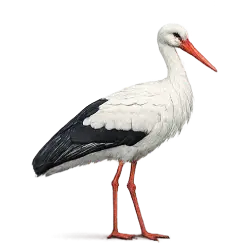
Lithuania has the highest density of white storks in the world, around 20,000 pairs, nesting on poles and barn roofs in every village and feeding in the wet meadows of the Nemunas valley.
Spotting note: Guaranteed anywhere rural from late March to August.
Read species guide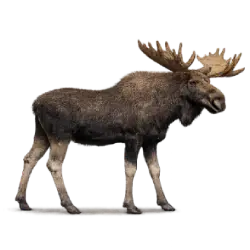
MooseA
Moose browse the pine plantations and wet woods of the Curonian Spit between Nida and Juodkrantė, and are common in the Labanoras and Dzūkija forests of the east.
Spotting note: Likely at dawn or dusk on the spit's forest roads and cycle path, especially in autumn.
Read species guide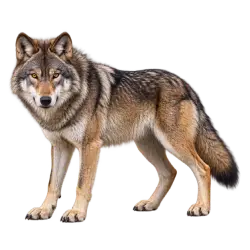
Eurasian WolfA
Several hundred wolves live in Lithuania's eastern and southern forests, with Dzūkija National Park and the Labanoras forest the usual places for tracks and howling.
Spotting note: Rarely seen; winter tracking in Dzūkija is the realistic option.
Read species guide
Wild BoarB
Boar root along the Curonian Spit's dune edges and through every mainland forest, and were a common sight on the Nida campsites before swine fever thinned them.
Spotting note: Common on the spit at dusk; recovering elsewhere.
Read species guide
Roe DeerD
Roe deer are the deer of Lithuanian farmland and forest edge, standing in every roadside field at dawn and common in the Curonian Spit pines.
Spotting note: Very common at dawn and dusk across the country.
Read species guide
Grey SealB
Grey seals swim the Lithuanian Baltic coast and occasionally rest on the beaches of the Curonian Spit, and the Lithuanian Sea Museum at Smiltynė rehabilitates stranded pups.
Spotting note: Occasional offshore from Nida and Klaipėda; guaranteed at the Sea Museum.
Read species guide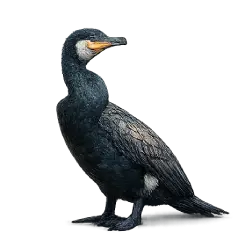
Great CormorantC
The Juodkrantė colony on the Curonian Spit holds thousands of cormorant pairs alongside grey herons, with a viewing platform under the dead pines they have whitewashed with guano.
Spotting note: Guaranteed at Juodkrantė from March to August; noisy and smelly.
Read species guide
Mute SwanC
Mute swans line the Curonian Lagoon shore at Nida and Preila and nest in every mainland lake and ditch, with winter flocks of hundreds where the lagoon stays open.
Spotting note: Guaranteed on the lagoon and lakes all year.
Read species guide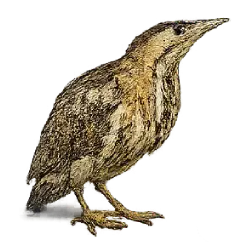
Eurasian BitternC
Bitterns boom from the vast reedbeds of the Nemunas Delta around Rusnė and Ventė in April and May, one of the sounds that defines the delta spring.
Spotting note: Heard readily in spring; seen with luck flying low over the reeds.
Read species guide
Barnacle GooseC
Tens of thousands of barnacle, white-fronted and bean geese stage on the flooded Nemunas Delta polders every April on their way to the Arctic.
Spotting note: Spectacular in April around Rusnė; flocks graze the flooded meadows by day.
Read species guide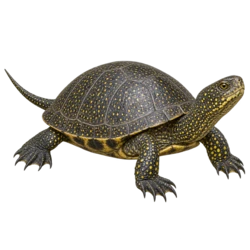
European Pond TerrapinE
Lithuania is the northern edge of the pond terrapin's range, with small protected populations in the ponds of Dzūkija and the Lazdijai district in the south.
Spotting note: Rare; the Meteliai regional park ponds in May and June are the known sites.
Read species guide
Common FrogE
Common frogs fill every Lithuanian ditch and bog pool in March and April and are the amphibian most visitors step over on forest trails.
Spotting note: Very common from March to October.
Read species guide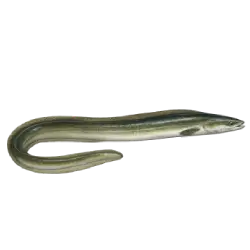
European EelD
The Curonian Lagoon was historically one of the Baltic's great eel fisheries, and smoked eel from Nida and Rusnė is still the local speciality, with restocking keeping the fishery alive.
Spotting note: Seen on the plate rather than in the water; fishermen's catches at Nida harbour are the realistic view.
Read species guide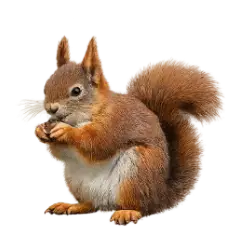
Red SquirrelD
Red squirrels are common in Vilnius's Vingis and Bernardinai parks and in the Curonian Spit pines, often tame enough to approach.
Spotting note: Common in parks and pine forest all year.
Read species guideBest for
Use this section to decide whether the location fits your travel style, skill level, and AnimalDex goals.
- Storks on every village pole from late March to August
- Moose, boar and the cormorant colony on the Curonian Spit
- Spring goose and swan migration at the Nemunas Delta and Ventė Cape
- Wolf and lynx tracking in Dzūkija National Park in winter
Spotting tips
These tips are meant to make the page useful in the field, not just readable on the page.
- 01Cycle the Curonian Spit path between Nida and Juodkrantė at first light; moose and boar cross the road and feed in the pine edges before the day visitors arrive.
- 02The Juodkrantė cormorant colony has a marked trail and platform from the main road; go in April or May when the birds are on nests and the herons are feeding chicks.
- 03Rusnė island in the Nemunas Delta floods every spring; drive the raised road in mid-April for geese, swans and waders on the polders, and visit Ventė Cape for the ringing station.
- 04Stork nests are easy to photograph from the road in any village; the best time is July when the young stand up and exercise their wings.
Virtual Wildlife Guides
Wildlife guides to Lithuania
AnimalDex builds virtual guides from explorers' own wild sightings: which animals they found, how rare they are, and when. A guide is advice from someone who has been there, not a tour. Buying one unlocks the author's notes for every animal, a chat with the author, and introductions to local people they met. Wildlife is never guaranteed.
Checking for virtual guides to Lithuania...
How to choose a local wildlife guide in Lithuania
- Ask what they usually find in the season you are visiting. A good guide gives an honest answer, not a promised sighting.
- Check how they treat animals: no baiting, calling in, handling, or close flash photography for a better shot.
- Confirm the meeting area, duration, group size, total price, and how you pay before the day, plus any permits or park fees the place requires.
Track the animals you find in Lithuania
Build your collection while you travel through Lithuania, from easy wins to the species worth planning around.
Related tier lists
These tier lists add broader context around the species that make this location interesting.
100 Most Adaptable Animals
Most adaptable animals ranked by habitat flexibility, behavioral range, and success in changing conditions — including the current AnimalDex number one.
Read tier listRelated locations
Keep exploring with nearby or similar destinations that support the same kind of AnimalDex discovery.
Animals in Poland: What You Can Spot, Learn, and Collect
Poland's wildlife from Białowieża bison and Biebrza moose to Tatra chamois, Baltic grey seals at Hel and the white storks that nest on half the country's barns.
Read location guideAnimals in Estonia: What You Can Spot, Learn, and Collect
Estonia's wildlife from brown bears and lynx in Alutaguse to grey and ringed seals around Hiiumaa, the Matsalu goose migration and the flooded forests of Soomaa.
Read location guideAnimals in Belarus: What You Can Spot, Learn, and Collect
Belarus wildlife: European bison and wolves in Belovezhskaya Pushcha, bitterns on the flooded Pripyat marshes, great grey owls on the bogs and storks in every village.
Read location guideLocation FAQ
Short direct answers to the questions travelers usually ask before choosing a wildlife destination or zoo day.
What wildlife is there in Lithuania?
Lithuania has moose, wolves, lynx, wild boar, roe and red deer, beavers and badgers in its forests, grey seals on the Baltic coast, and huge numbers of white storks, cormorants, geese, swans and marsh birds in the Nemunas Delta and along the Curonian Lagoon.
What animals can be found in Lithuania?
White storks in every village, moose and boar on the Curonian Spit, thousands of cormorants at Juodkrantė, bitterns and geese in the Nemunas Delta, and wolves and lynx in the eastern forests. Red squirrels are common in the Vilnius parks.
Are there moose on the Curonian Spit?
Yes. A resident herd lives in the pine forest and wet woods along the spit, and they are regularly seen crossing the road or the cycle path at dawn and dusk between Nida and Juodkrantė, and even on the beaches in quiet months.
When do storks arrive in Lithuania?
The first storks return around 25 March, which Lithuanians celebrate as Stork Day (Gandrinės). Nests are occupied through August and the birds leave for Africa in late August and September.
Have AnimalDex users found animals in Lithuania?
Yes. AnimalDex users have publicly logged 1 captures of 1 different species in Lithuania, including plume moth. Each one was photographed in the app at the moment of the sighting.
How do I find a wildlife guide to Lithuania?
Check the Wildlife Guides section on this page or browse Wildlife Guides on AnimalDex. Each one is a virtual guide built from an explorer's own wild sightings around Lithuania: the animals they found, how rare they are, and when. It is advice from someone who has been there, not a tour. If you want someone with you on the day, compare local guides on wildlife knowledge, how they treat animals, and clear pricing before you go.