

Animals in Estonia: What You Can Spot, Learn, and Collect
Estonia's wildlife from brown bears and lynx in Alutaguse to grey and ringed seals around Hiiumaa, the Matsalu goose migration and the flooded forests of Soomaa.
Quick answer
Start with the direct answer, then use the sections below to see why the location matters and which animals are actually realistic to spot there.
Estonia has one of the densest brown bear populations in Europe in the Alutaguse forests, several hundred lynx, wolves, moose, wild boar and raccoon dogs across the whole country, and grey and ringed seals in the shallow Väinameri between Hiiumaa and the mainland. Spring brings tens of thousands of barnacle geese and whooper swans to Matsalu and the Hiiumaa bays.
Estonia is half forest, a fifth bog and almost empty of people outside Tallinn, which is why it has become the easiest place in Europe to photograph a wild brown bear. Bear hides in the Alutaguse National Park in the north-east book out months ahead for June and July, and the same forests hold lynx, wolves and the Siberian flying squirrel at the western edge of its range.
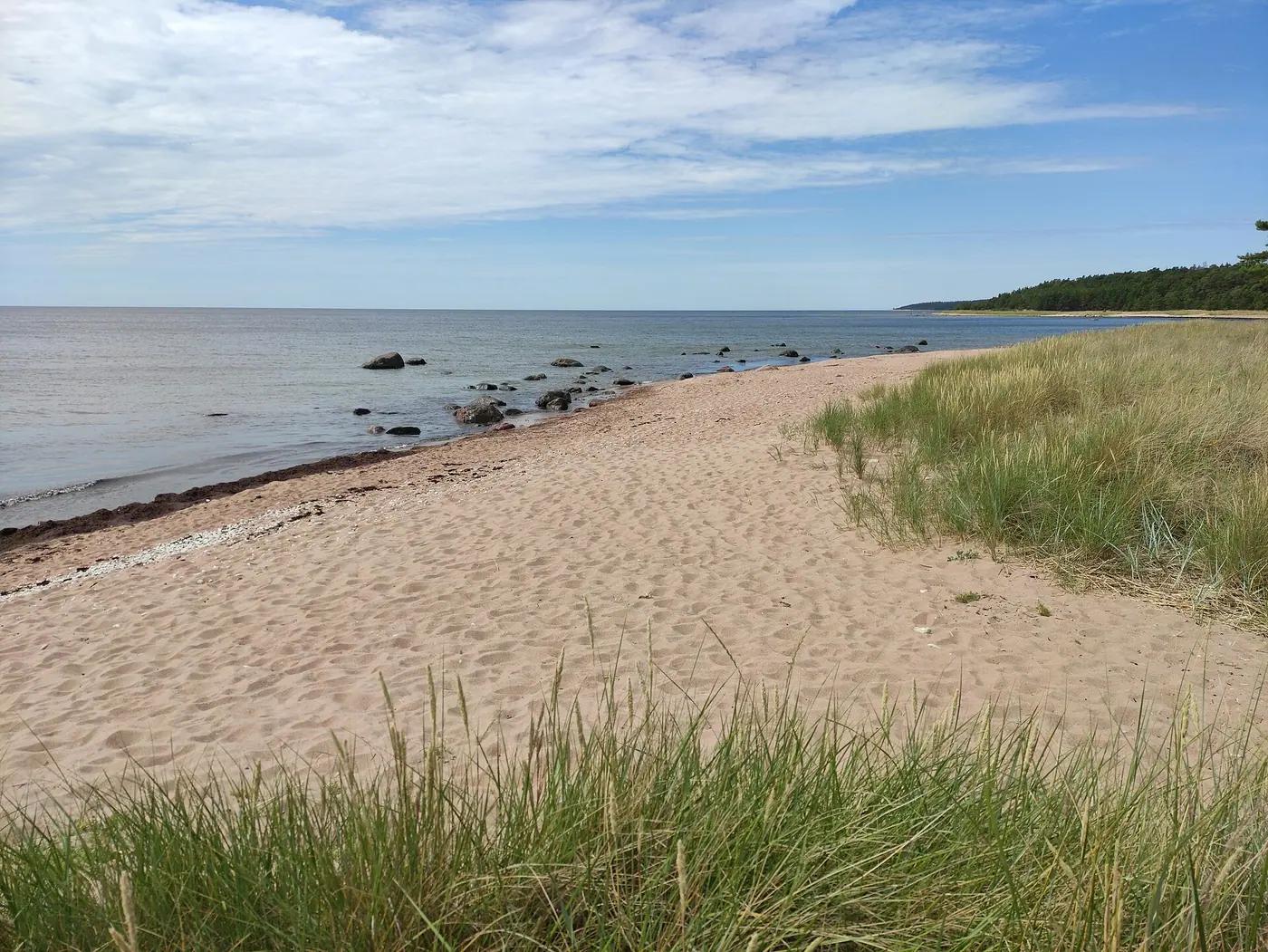
The west coast and islands are the other half of the story. Hiiumaa, where all the Estonian AnimalDex captures so far were made, has seal haul-outs on its outer islets, enormous spring gatherings of swans and geese in Käina Bay, and quiet beaches where oystercatchers and terns nest. Users there have logged common frogs, brimstone butterflies, ground beetles, field crickets and harvestmen, the small wildlife of a Baltic summer.
Why this location matters
Good location pages explain why the place is worth your time, not just which names belong on a destination checklist.
Estonia keeps carnivores at densities western Europe gave up long ago, with roughly 900 bears, several hundred lynx and a managed wolf population in a country the size of Denmark. The wolf was named Estonia's national animal in 2018, and the country was until recently the best in Europe for seeing a lynx.
The islands are also a Baltic seal refuge. Grey seals breed on the ice and islets off Hiiumaa and Saaremaa, and the small Baltic ringed seal population survives in the Väinameri and Gulf of Riga, where boat trips from Hiiumaa in summer can find both.
Where to look
Wildlife map of Estonia
This guide covers the region shown below. Zoom in to get your bearings before planning a trip.
Positions are geocoded from OpenStreetMap. Habitat access and opening times change — check locally before travelling. Smaller pins are public AnimalDex captures, placed to the nearest kilometre.
Field proof
Found in Estonia by AnimalDex users
Real captures logged in the AnimalDex app inside this area and shared publicly by their collectors, with the animal confirmed by the app's identification. Places are shown to the nearest region, never the exact spot.
- 10
- public captures
- 10
- species recorded
- 1
- collectors
- 10
- wild sightings
Recent captures from the field
Species people have actually logged here
Every name links to its species guide. The count is how many public captures of that animal sit inside this area.
Collectors choose to share these captures on Discover and can withdraw them at any time. Coordinates are rounded to about a kilometre and refreshed with each site build.
Animals to spot
These are intentionally practical species picks, balancing accessibility, excitement, and what travelers can realistically notice in the location.
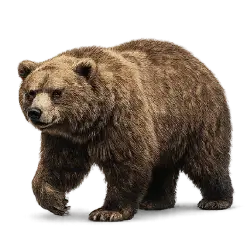
Brown BearA
Alutaguse National Park has Europe's most reliable bear hides, with animals visiting clearings in the pine and bog forest almost nightly from May to August.
Spotting note: Near-certain from a booked hide in June and July; rare to meet on a walk.
Read species guide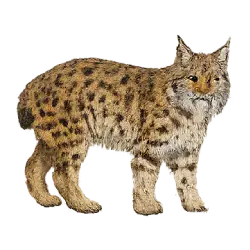
Eurasian LynxB
Several hundred lynx live across the whole mainland, with the Alutaguse and Soomaa forests the usual places for winter tracks.
Spotting note: Rare to see; snow tracking in January and February is the realistic approach.
Read species guide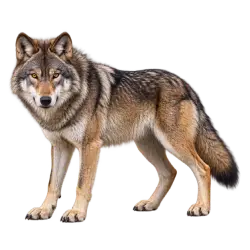
Eurasian WolfA
A few hundred wolves share the forests and bogs with the bears, and the Alutaguse hides occasionally get a pack passing through on a summer night.
Spotting note: Rare. Howling at dusk in the north-east is heard more often than animals are seen.
Read species guide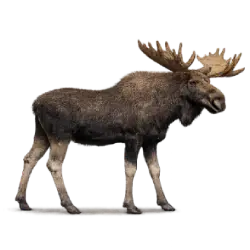
MooseA
Around 11,000 moose browse Estonia's forest edges and bogs, and the Soomaa National Park's flooded woods and the roads of Lahemaa produce them at dawn and dusk.
Spotting note: Likely on an early drive through Soomaa or Lahemaa, especially in autumn.
Read species guide
Wild BoarB
Boar root through the Soomaa floodplain meadows and the Hiiumaa woods, and their ploughed-up ground is visible along almost every forest track.
Spotting note: Common, though numbers dropped after African swine fever; dusk is best.
Read species guide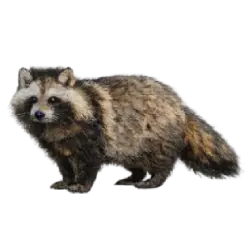
Raccoon DogD
Introduced from the Russian Far East last century, raccoon dogs are now common across Estonia, trotting along ditch edges and beaches on Hiiumaa after dark.
Spotting note: Fairly common on night drives and around campsites.
Read species guide
Grey SealB
Grey seals haul out on the islets of the Hiiumaa Islets Landscape Reserve and off Saaremaa's Vilsandi, and boat trips from Hiiumaa and Saaremaa in summer visit the colonies.
Spotting note: Reliable on a summer seal-watching boat; sometimes visible from the Sõru or Kõpu shores.
Read species guide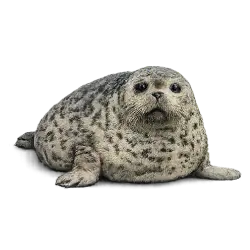
Ringed SealB
The Baltic ringed seal survives in the shallow Väinameri between Hiiumaa and the mainland and in the Gulf of Riga, breeding on the sea ice in late winter.
Spotting note: Uncommon; the best chance is a calm summer boat trip in the Väinameri.
Read species guide
Barnacle GooseC
Matsalu National Park and the Hiiumaa coast stage tens of thousands of barnacle geese each April and May on their way from the Netherlands to the Russian Arctic.
Spotting note: Spectacular in late April and early May; flocks graze the coastal meadows by day.
Read species guide
Whooper SwanC
Käina Bay on Hiiumaa fills with whooper swans in early spring, their bugling heard across the island, and pairs breed on bog lakes through the summer.
Spotting note: Easy in March and April; scattered pairs are around all summer.
Read species guide
Eurasian OystercatcherD
Oystercatchers pipe along every stony Hiiumaa beach from Tahkuna to Sääre tirp, nesting just above the tideline among the boulders.
Spotting note: Common on the coast from April to August.
Read species guide
Common FrogE
The first Estonian amphibian in the AnimalDex record, photographed on Hiiumaa, and abundant in every damp meadow and ditch after rain.
Spotting note: Very common from April to October.
Read species guide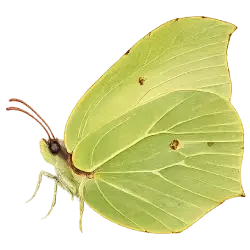
Brimstone ButterflyE
The sulphur-yellow brimstone is the first butterfly of the Estonian spring, on the wing in woodland clearings on Hiiumaa by early April and already in users' captures.
Spotting note: Common from April and again in late summer.
Read species guide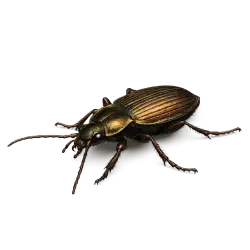
Bronze Ground BeetleE
A large, coppery ground beetle of Estonian gardens and forest edges that users have photographed on Hiiumaa, typical of the beetles that turn up under logs and in grass.
Spotting note: Common from spring to autumn under cover; active at night.
Read species guideBest for
Use this section to decide whether the location fits your travel style, skill level, and AnimalDex goals.
- Brown bear photography from hides in Alutaguse National Park
- Seal boat trips and shorebirds around Hiiumaa and Saaremaa
- Spring goose and swan migration at Matsalu and Käina Bay
- Moose, boar and flooded-forest canoeing in Soomaa National Park
Spotting tips
These tips are meant to make the page useful in the field, not just readable on the page.
- 01Book an Alutaguse bear hide for June or early July, arrive by late afternoon and stay until morning; bears come to the clearing most reliably in the first and last hours of light.
- 02On Hiiumaa drive the Käina Bay causeway and the Orjaku birdwatching tower at dawn in April for swans and geese, then check the islets off Sõru and Kõpu for seals with a telescope.
- 03Soomaa is best during the fifth season flood in late March or April, when moose and boar are pushed onto the higher ground along the Riisa boardwalks.
- 04Estonian summer nights barely get dark; the hour after midnight in June is when raccoon dogs, boar and sometimes lynx cross the quiet roads.
Virtual Wildlife Guides
Wildlife guides to Estonia
AnimalDex builds virtual guides from explorers' own wild sightings: which animals they found, how rare they are, and when. A guide is advice from someone who has been there, not a tour. Buying one unlocks the author's notes for every animal, a chat with the author, and introductions to local people they met. Wildlife is never guaranteed.
Checking for virtual guides to Estonia...
How to choose a local wildlife guide in Estonia
- Ask what they usually find in the season you are visiting. A good guide gives an honest answer, not a promised sighting.
- Check how they treat animals: no baiting, calling in, handling, or close flash photography for a better shot.
- Confirm the meeting area, duration, group size, total price, and how you pay before the day, plus any permits or park fees the place requires.
Track the animals you find in Estonia
Build your collection while you travel through Estonia, from easy wins to the species worth planning around.
Related tier lists
These tier lists add broader context around the species that make this location interesting.
Rarest Animals in the World
A structured ranking of the rarest animals in the world, blending scarcity, vulnerability, and conservation pressure to answer the overlap between rarest and most endangered wildlife.
Read tier listBest Hunters in the Animal World
A structured ranking of the best hunters in the animal world, balancing success rate, kill efficiency, tracking ability, coordination, and finishing power.
Read tier listRelated locations
Keep exploring with nearby or similar destinations that support the same kind of AnimalDex discovery.
Animals in Finland: What You Can Spot, Learn, and Collect
Finland's wildlife: bears and wolverines from the Kuhmo hides, the Saimaa ringed seal, wild forest reindeer, great grey owls, Lapland ptarmigan and whooper swans.
Read location guideAnimals in Lithuania: What You Can Spot, Learn, and Collect
Lithuania's wildlife: Europe's densest white storks, moose and boar on the Curonian Spit, the Juodkrantė cormorant colony, Nemunas Delta migration and Baltic grey seals.
Read location guideAnimals in Sweden: What You Can Spot, Learn, and Collect
Sweden's wildlife: 300,000 moose, bears and wolverines in the north, arctic foxes at Helags, Sami reindeer in Lapland, Baltic grey seals and Stora Karlsö's seabirds.
Read location guideLocation FAQ
Short direct answers to the questions travelers usually ask before choosing a wildlife destination or zoo day.
What wildlife is there in Estonia?
Estonia has brown bears, lynx, wolves, moose, wild boar, raccoon dogs and beavers in its forests and bogs, grey and ringed seals around its islands, and huge spring migrations of barnacle geese, whooper swans and cranes along the west coast.
What animals can be found in Estonia?
Bears and lynx in the Alutaguse forests, moose and boar in Soomaa and Lahemaa, seals and shorebirds around Hiiumaa and Saaremaa. The Siberian flying squirrel reaches its western limit in the eastern forests but is almost impossible to see.
Where can you see bears in Estonia?
Alutaguse National Park in the north-east, from purpose-built hides booked through local operators. June and July are the best months, and most hides report bears on the large majority of nights.
Are there seals on Hiiumaa?
Yes. Grey seals haul out on the islets south and west of the island and boat trips from Hiiumaa and neighbouring Saaremaa visit them in summer. The smaller Baltic ringed seal also lives in the Väinameri between Hiiumaa and the mainland.
Have AnimalDex users found animals in Estonia?
Yes. AnimalDex users have publicly logged 10 captures of 10 different species in Estonia, including brimstone butterfly, bronze ground beetle, common carpet moth, common frog. Each one was photographed in the app at the moment of the sighting.
How do I find a wildlife guide to Estonia?
Check the Wildlife Guides section on this page or browse Wildlife Guides on AnimalDex. Each one is a virtual guide built from an explorer's own wild sightings around Estonia: the animals they found, how rare they are, and when. It is advice from someone who has been there, not a tour. If you want someone with you on the day, compare local guides on wildlife knowledge, how they treat animals, and clear pricing before you go.