

Animals in Iowa: What You Can Spot, Learn, and Collect
Iowa wildlife guide: wintering bald eagles on the Mississippi, bison and elk at Neal Smith refuge, pelican migrations, and the fireflies, mantises and monarchs of Kalona farm country.
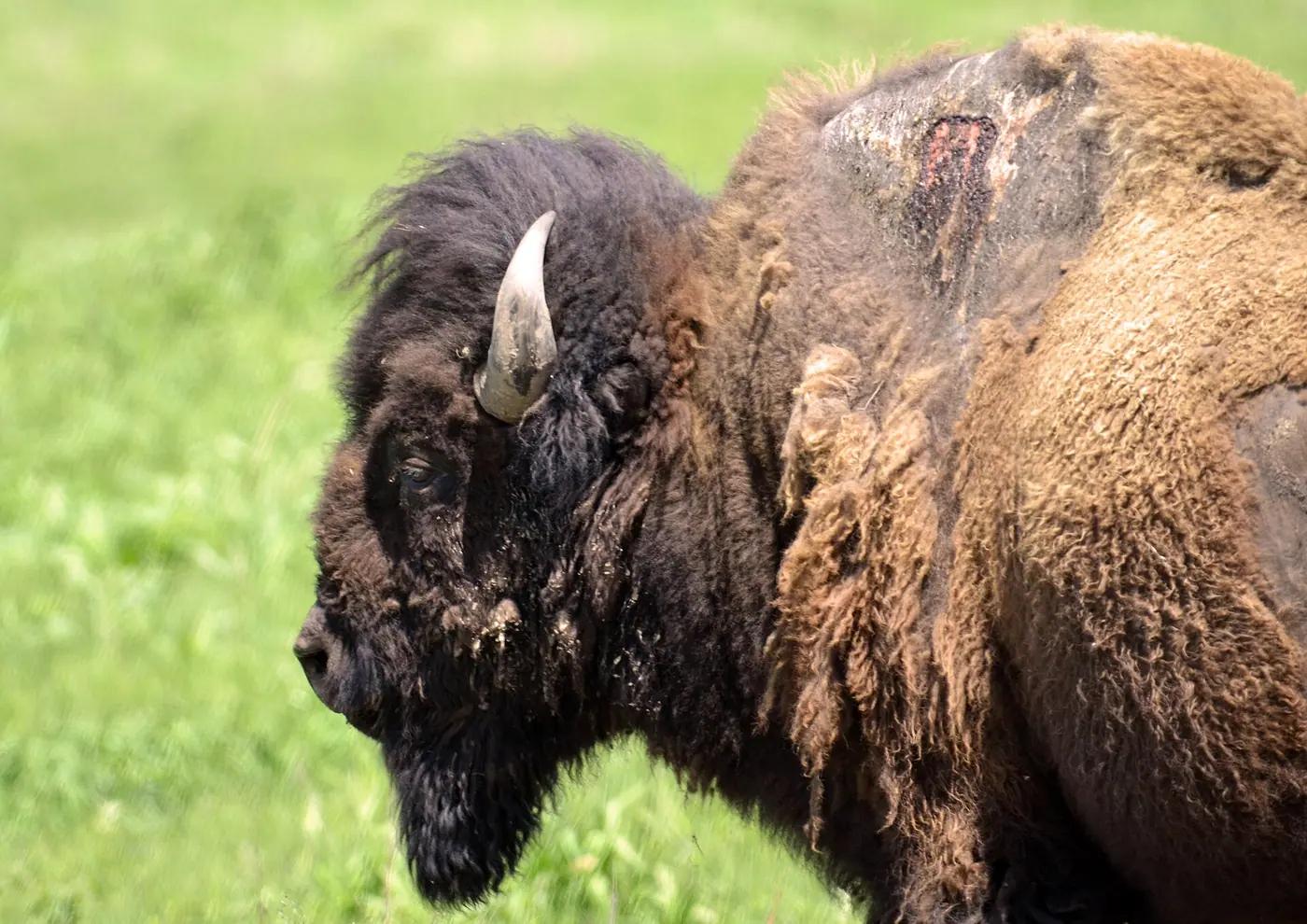
Quick answer
Start with the direct answer, then use the sections below to see why the location matters and which animals are actually realistic to spot there.
Iowa is farm country, and its wildlife is farmland wildlife done well: white-tailed deer, wild turkeys, groundhogs and kestrels in every county, bald eagles by the hundred on the Mississippi in winter, and a restored prairie at Neal Smith National Wildlife Refuge where bison and elk graze again. Summer evenings in the Kalona and Riverside area are thick with fireflies, mantises and monarchs.
Less than 0.1 percent of Iowa's original tallgrass prairie survives, which is why the 5,600-acre Neal Smith refuge outside Des Moines matters so much. Its bison and elk herds roam a landscape that looked this way before the plough.
The rest of the state's wildlife lives in the margins: river bluffs, shelterbelts, farm ponds and the gravel roads around Amish communities like Kalona and Riverside in Washington County, where AnimalDex users have logged everything from American kestrels to cuckoo wasps.
Why this location matters
Good location pages explain why the place is worth your time, not just which names belong on a destination checklist.
Iowa's Mississippi River shore is one of the best places in the lower 48 to see bald eagles in winter. Below the locks and dams at Keokuk, Davenport and Dubuque, open water concentrates hundreds of birds in January.
The state also proves that an insect-heavy collection is a good collection. Iowa captures are dominated by fireflies, mantises, mayflies and moths, which is exactly what a summer here looks like.
Where to look
Wildlife map of Iowa
This guide covers the region shown below. Zoom in to get your bearings before planning a trip.
Positions are geocoded from OpenStreetMap. Habitat access and opening times change — check locally before travelling. Smaller pins are public AnimalDex captures, placed to the nearest kilometre.
Field proof
Found in Iowa by AnimalDex users
Real captures logged in the AnimalDex app inside this area and shared publicly by their collectors, with the animal confirmed by the app's identification. Places are shown to the nearest region, never the exact spot.
- 44
- public captures
- 37
- species recorded
- 3
- collectors
- 44
- wild sightings
Recent captures from the field
Species people have actually logged here
Every name links to its species guide. The count is how many public captures of that animal sit inside this area.
- Chickweed Geometer Moth2 captures
- Common House Spider2 captures
- Daddy Long-Legs Spider2 captures
- Geometer Moth2 captures
- German Yellowjacket2 captures
- House Fly2 captures
- Monarch Butterfly2 captures
- American Giant Millipede1 capture
- American Kestrel1 capture
- Black Ant1 capture
- Black Ground Beetle1 capture
- Bumblebee1 capture
- Chinese Mantis1 capture
- Cicada1 capture
- Common Earthworm1 capture
- Common Eastern Firefly1 capture
- Cuckoo Wasp1 capture
- Drain Fly1 capture
- Eastern Gray Squirrel1 capture
- Eastern Yellowjacket1 capture
- Flat-backed Millipede1 capture
- Giant Burrowing Mayfly1 capture
- Green Lacewing1 capture
- Groundhog1 capture
- Harvestman1 capture
- Hieroglyphic Cicada1 capture
- Hoverfly1 capture
- Jumping Spider1 capture
- Little Wood-Satyr1 capture
- Mosquito1 capture
- Praying Mantis1 capture
- Red Ant1 capture
- Red-spotted Purple1 capture
- Ruby Pyrausta Moth1 capture
- Striped Blister Beetle1 capture
- Triangulate Combfoot1 capture
- Water Strider1 capture
Collectors choose to share these captures on Discover and can withdraw them at any time. Coordinates are rounded to about a kilometre and refreshed with each site build.
Animals to spot
These are intentionally practical species picks, balancing accessibility, excitement, and what travelers can realistically notice in the location.
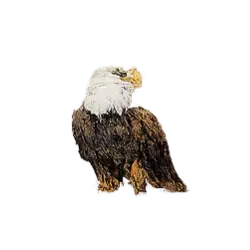
Bald EagleB
Winter concentrations below the Mississippi locks and dams at Keokuk, Le Claire and Dubuque can top several hundred birds, with nests along every major river in summer.
Spotting note: Near-guaranteed December to February on the Mississippi; common year-round on the Des Moines and Iowa rivers.
Read species guide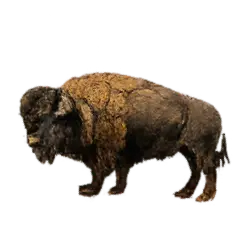
American BisonA
Neal Smith National Wildlife Refuge near Prairie City runs a free auto tour through an enclosure where a bison herd grazes restored tallgrass prairie.
Spotting note: Reliable on the refuge auto tour, best in the morning.
Read species guide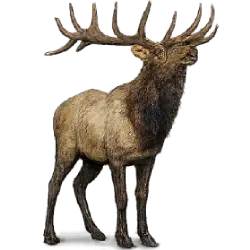
ElkB
Share the Neal Smith prairie enclosure with the bison, and are usually easier to pick out against the tall grass in autumn.
Spotting note: Likely on the auto tour; bulls are most visible in September.
Read species guide
White-tailed DeerC
Iowa grows some of the biggest whitetails in the country on a corn and soybean diet, and they stand in every field edge at dusk.
Spotting note: Guaranteed statewide at dawn and dusk.
Read species guide
American White PelicanC
Thousands stage on Saylorville Lake, Red Rock and the Mississippi pools during spring and autumn migration, wheeling in white spirals over the water.
Spotting note: Common in April and again September to October at the big reservoirs.
Read species guide
Wild TurkeyD
Restored from near-extirpation to over 100,000 birds, now strutting along timbered creek bottoms and Amish farm lanes across southeast Iowa.
Spotting note: Common; flocks cross gravel roads in early morning.
Read species guide
GroundhogD
Sits bolt upright on roadside banks and under farm outbuildings across the state, one of the recent Iowa captures in AnimalDex.
Spotting note: Common from March to October, especially along highway embankments.
Read species guide Eastern Gray SquirrelD
The town squirrel of Iowa City, Des Moines and Cedar Rapids parks, with fox squirrels taking over in the open farm groves.
Spotting note: Guaranteed in any mature-tree neighbourhood.
Read species guide
American KestrelD
Hovers over roadside ditches and perches on power lines along every county road; logged by AnimalDex users in Washington County farm country.
Spotting note: Common year-round; scan wires on the drive between towns.
Read species guide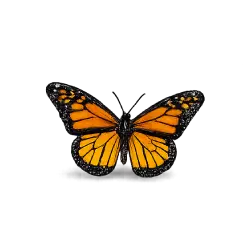
Monarch ButterflyE
Iowa sits in the core of the monarch's summer breeding range, and milkweed strips along Kalona roadsides fill with caterpillars by July.
Spotting note: Common June to September; peak southbound migration in mid-September.
Read species guide
Common Eastern FireflyE
Rises out of hayfields and farm lawns at dusk in June and July, the single most Iowan summer sight there is.
Spotting note: Near-guaranteed on humid June evenings away from town lights.
Read species guide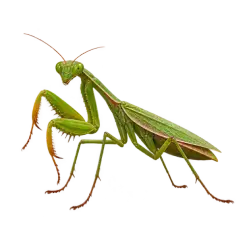
Chinese MantisE
An introduced mantis now common in Iowa gardens and prairie plantings, logged alongside native mantises in the Kalona area in late summer.
Spotting note: Regular August to October on goldenrod and garden shrubs.
Read species guide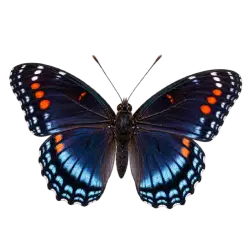
Red-spotted PurpleE
A blue-black butterfly that basks on gravel roads and woodland edges in eastern Iowa, often sipping at damp ground.
Spotting note: Fairly common June to September near timber.
Read species guide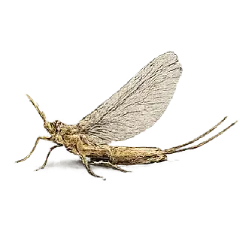
Giant Burrowing MayflyE
Hatches off the Mississippi in such numbers in June and July that swarms show up on weather radar and pile under bridge lights in Davenport and Burlington.
Spotting note: Seasonal and spectacular; check riverfront lights on warm summer nights.
Read species guideBest for
Use this section to decide whether the location fits your travel style, skill level, and AnimalDex goals.
- Winter bald eagle watching along the Mississippi
- Restored prairie with bison and elk at Neal Smith refuge
- Summer insect collecting in farm country around Kalona
- Spring and autumn pelican and waterfowl migration at the reservoirs
Spotting tips
These tips are meant to make the page useful in the field, not just readable on the page.
- 01For eagles, go in January to the Lock and Dam 19 overlook in Keokuk or the Lock and Dam 14 area at Le Claire; mid-morning when birds are fishing is best, and Bald Eagle Appreciation Days add scopes and guides.
- 02Drive the Neal Smith auto tour slowly and early; bison stand close to the road in cool weather and the visitor centre has a live herd map.
- 03In Kalona and Riverside, pull onto a quiet gravel road at dusk in June and switch the lights off for fireflies; respect Amish farms and keep to the road.
- 04Milkweed is the monarch magnet. Check roadside stands in July for caterpillars and the Loess Hills ridges in mid-September for migrating adults.
Virtual Wildlife Guides
Wildlife guides to Iowa
AnimalDex builds virtual guides from explorers' own wild sightings: which animals they found, how rare they are, and when. A guide is advice from someone who has been there, not a tour. Buying one unlocks the author's notes for every animal, a chat with the author, and introductions to local people they met. Wildlife is never guaranteed.
Checking for virtual guides to Iowa...
How to choose a local wildlife guide in Iowa
- Ask what they usually find in the season you are visiting. A good guide gives an honest answer, not a promised sighting.
- Check how they treat animals: no baiting, calling in, handling, or close flash photography for a better shot.
- Confirm the meeting area, duration, group size, total price, and how you pay before the day, plus any permits or park fees the place requires.
Track the animals you find in Iowa
Build your collection while you travel through Iowa, from easy wins to the species worth planning around.
Related locations
Keep exploring with nearby or similar destinations that support the same kind of AnimalDex discovery.
Animals in the United States: What You Can Spot, Learn, and Collect
A practical United States wildlife guide built around habitat variety, from wetlands and coastlines to migration corridors and iconic American species.
Read location guideAnimals in Illinois: What You Can Spot, Learn, and Collect
Illinois wildlife guide: Chicago lakefront migration at Montrose Point, urban coyotes and peregrines, Mississippi River eagles and pelicans, Shawnee's snake migration, and Brookfield Zoo.
Read location guideAnimals in North Dakota: What You Can Spot, Learn, and Collect
North Dakota wildlife guide: Theodore Roosevelt National Park bison, prairie dogs and wild horses, Chase Lake's pelican colony, sandhill cranes and snow geese on migration, and meadowlarks in Morton County.
Read location guideLocation FAQ
Short direct answers to the questions travelers usually ask before choosing a wildlife destination or zoo day.
What wildlife is there in Iowa?
White-tailed deer, wild turkeys, groundhogs, raccoons, coyotes and foxes in farm country, bald eagles and pelicans on the Mississippi and the reservoirs, bison and elk in the restored prairie at Neal Smith refuge, and an exceptional summer insect season of fireflies, mantises, mayflies and monarchs.
What animals can be found in Iowa in winter?
Bald eagles are the winter highlight, concentrating by the hundreds below Mississippi River dams at Keokuk, Le Claire and Dubuque in January. Deer, turkeys and squirrels stay visible, and snowy owls occasionally reach northern Iowa fields.
Are there bison in Iowa?
Yes, in managed herds. Neal Smith National Wildlife Refuge near Prairie City has a free auto tour through a bison and elk enclosure, and Broken Kettle Grasslands in the Loess Hills also runs a conservation herd.
Have AnimalDex users found animals in Iowa?
Yes. AnimalDex users have publicly logged 44 captures of 37 different species in Iowa, including chickweed geometer moth, common house spider, daddy long-legs spider, geometer moth. Each one was photographed in the app at the moment of the sighting.
How do I find a wildlife guide to Iowa?
Check the Wildlife Guides section on this page or browse Wildlife Guides on AnimalDex. Each one is a virtual guide built from an explorer's own wild sightings around Iowa: the animals they found, how rare they are, and when. It is advice from someone who has been there, not a tour. If you want someone with you on the day, compare local guides on wildlife knowledge, how they treat animals, and clear pricing before you go.