

Animals in Central Java: What You Can Spot, Learn, and Collect
Central Java wildlife: Karimunjawa's turtles and reef sharks, surili and macaques on Merbabu, Semarang's mangrove monitors, barn owls over the paddies.
Quick answer
Start with the direct answer, then use the sections below to see why the location matters and which animals are actually realistic to spot there.
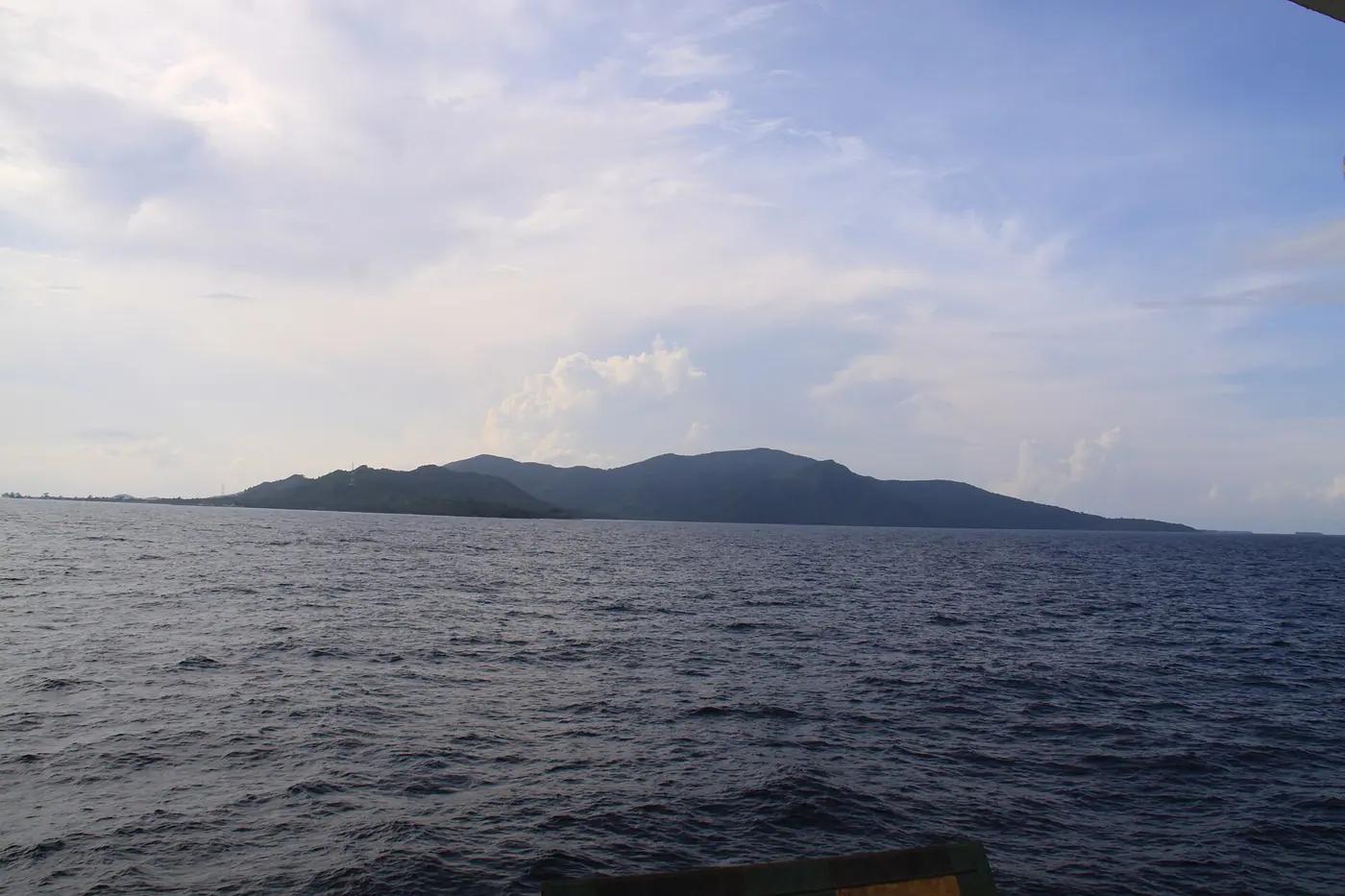
Central Java is a province of farmland and volcanoes with wildlife at its edges. Karimunjawa, the island group off Jepara, has green turtles, blacktip reef sharks and clownfish on shallow reefs. Mount Merbabu and the Dieng plateau hold Javan surili, long-tailed macaques and junglefowl, Semarang's mangroves have water monitors and mudskippers, and the paddies around Borobudur and Demak are worked by pond herons, egrets and barn owls.
Most people come to Central Java for Borobudur and leave without noticing the animals around it. That is a shame, because the paddies that surround the temple are full of herons and swiftlets, the volcano forests above them still hold an endemic monkey, and two hours north the Karimunjawa islands have some of the most beginner-friendly reefs on Java.
This is a page for travellers who want to add wildlife to a culture trip rather than build a trip around it. The roster leans on what users actually log here: junglefowl and bulbuls in the hills, mangrove reptiles on the Semarang coast, and reef life offshore.
Why this location matters
Good location pages explain why the place is worth your time, not just which names belong on a destination checklist.
Karimunjawa is a marine national park an overnight ferry from Semarang, and its sheltered reefs are shallow enough that a snorkeller sees turtles and reef sharks without a dive certificate.
Central Java's rice farmers were among the first in Indonesia to put up barn owl boxes to control rats, so the province is an easy place to watch an owl work a paddy at dusk.
Where to look
Wildlife map of Central Java
This guide covers the region shown below. Zoom in to get your bearings before planning a trip.
Positions are geocoded from OpenStreetMap. Habitat access and opening times change — check locally before travelling. Smaller pins are public AnimalDex captures, placed to the nearest kilometre.
Field proof
Found in Central Java by AnimalDex users
Real captures logged in the AnimalDex app inside this area and shared publicly by their collectors, with the animal confirmed by the app's identification. Places are shown to the nearest region, never the exact spot.
- 5
- public captures
- 5
- species recorded
- 5
- collectors
- 4
- wild sightings
Recent captures from the field
Species people have actually logged here
Every name links to its species guide. The count is how many public captures of that animal sit inside this area.
Collectors choose to share these captures on Discover and can withdraw them at any time. Coordinates are rounded to about a kilometre and refreshed with each site build.
Animals to spot
These are intentionally practical species picks, balancing accessibility, excitement, and what travelers can realistically notice in the location.
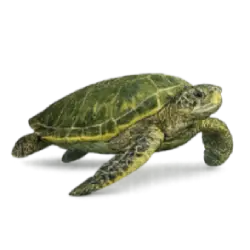
Green Sea TurtleC
Grazes the seagrass between Karimunjawa's islands and surfaces beside snorkel boats off Menjangan Kecil.
Spotting note: Likely on any calm-day snorkel trip in the national park.
Read species guide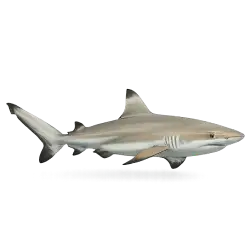
Blacktip Reef SharkC
Patrols the reef flats of Karimunjawa and is kept in a shallow pen at Menjangan Besar where you can wade among them.
Spotting note: Guaranteed in the pen; common but fast on the open reef.
Read species guide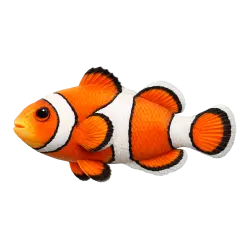
ClownfishE
Anemones on Karimunjawa's inner reefs hold the orange-and-white fish every snorkeller is looking for.
Spotting note: Very common in two to five metres of water.
Read species guide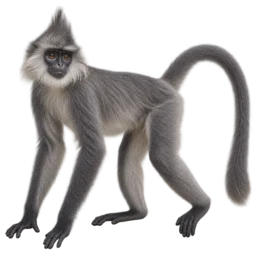
Javan SuriliC
The grey leaf monkey endemic to western and central Java survives on the forested slopes of Merbabu and Merapi.
Spotting note: Uncommon; best on the Selo side of Merbabu at dawn.
Read species guide
Long-tailed MacaqueC
Troops meet hikers on the Merbabu trail and hang around the Dieng plateau viewpoints.
Spotting note: Common wherever trekkers eat.
Read species guide
Red JunglefowlD
The wild ancestor of the chicken crows from scrub on the volcano slopes and is a real user capture in the province.
Spotting note: Heard often at dawn; seen crossing quiet tracks.
Read species guide
Sooty-headed BulbulD
A chattering bulbul of hedges and village gardens across the Borobudur plain and the hill towns.
Spotting note: Abundant and already logged by users here.
Read species guide
Javan Pond HeronD
Stands in every flooded paddy around Borobudur and Prambanan, flashing white when it lifts.
Spotting note: Very common in the rice landscape.
Read species guide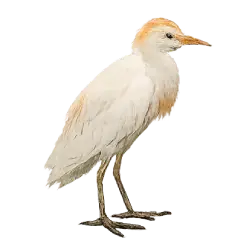
Cattle EgretD
Follows buffalo and tractors through the Kedu plain's rice fields in loose flocks.
Spotting note: Abundant on farmland.
Read species guide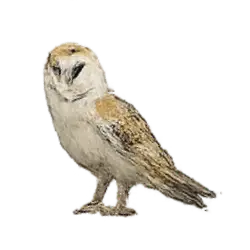
Barn OwlC
Demak and Pati farmers put up nest boxes for the Javan barn owl to control rats; the birds hunt over the paddies at dusk.
Spotting note: Realistic at dusk near villages with owl boxes.
Read species guide
Edible-nest SwiftletD
The swiftlets whose nests are farmed in the concrete 'walet' houses you see all along the north coast road.
Spotting note: Constant overhead in coastal towns.
Read species guide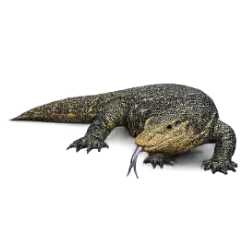
Water MonitorC
Hunts the mangrove channels of Semarang's Mangunharjo and Tapak and the fish ponds of the north coast.
Spotting note: Regular in mangroves; often seen swimming.
Read species guide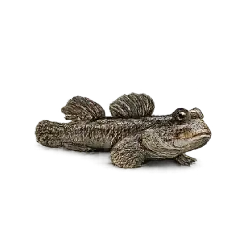
MudskipperE
Skips across the mud at low tide in the Semarang and Pekalongan mangroves.
Spotting note: Easy at low tide on any mangrove boardwalk.
Read species guide
Zebra DoveD
Feeds on dusty lanes and temple lawns from Borobudur to Solo.
Spotting note: Abundant and approachable.
Read species guideBest for
Use this section to decide whether the location fits your travel style, skill level, and AnimalDex goals.
- Snorkelling with turtles and reef sharks at Karimunjawa
- Birds in the paddies around Borobudur
- Dawn monkey watching on Merbabu
- Mangrove reptiles and fish on the Semarang coast
Spotting tips
These tips are meant to make the page useful in the field, not just readable on the page.
- 01Karimunjawa ferries from Jepara or Semarang run only a few days a week and stop in rough weather; build in a spare day.
- 02Walk the lanes around Borobudur at 06:00 before the temple opens; herons, egrets and swiftlets are all working the paddies then.
- 03On Merbabu, start the Selo trail before dawn and stop at the first forest band; surili are quiet and give themselves away by dropping leaves.
- 04Visit the Semarang mangroves on a falling tide so the mudflats and the mudskippers are exposed.
Virtual Wildlife Guides
Wildlife guides to Central Java
AnimalDex builds virtual guides from explorers' own wild sightings: which animals they found, how rare they are, and when. A guide is advice from someone who has been there, not a tour. Buying one unlocks the author's notes for every animal, a chat with the author, and introductions to local people they met. Wildlife is never guaranteed.
Checking for virtual guides to Central Java...
How to choose a local wildlife guide in Central Java
- Ask what they usually find in the season you are visiting. A good guide gives an honest answer, not a promised sighting.
- Check how they treat animals: no baiting, calling in, handling, or close flash photography for a better shot.
- Confirm the meeting area, duration, group size, total price, and how you pay before the day, plus any permits or park fees the place requires.
Track the animals you find in Central Java
Build your collection while you travel through Central Java, from easy wins to the species worth planning around.
Related locations
Keep exploring with nearby or similar destinations that support the same kind of AnimalDex discovery.
Animals in Yogyakarta: What You Can Spot, Learn, and Collect
Yogyakarta wildlife guide: cave bats and swiftlets in Gunung Kidul's karst, macaques on Merapi, hermit crabs and turtles on the south coast, Gembira Loka Zoo.
Read location guideAnimals in Java: What You Can Spot, Learn, and Collect
Java wildlife guide: Javan rhinos in Ujung Kulon, silvery gibbons at Gede Pangrango, banteng and green peafowl at Baluran, and the mynas and herons of the cities.
Read location guideAnimals in East Java: What You Can Spot, Learn, and Collect
East Java wildlife guide: banteng and green peafowl on Baluran's savanna, nesting turtles at Sukamade, rusa deer under Bromo, kites and civets around Malang.
Read location guideLocation FAQ
Short direct answers to the questions travelers usually ask before choosing a wildlife destination or zoo day.
What wildlife is there in Central Java?
Reef life at Karimunjawa (green turtles, blacktip reef sharks, clownfish), Javan surili and macaques on the Merbabu and Merapi slopes, junglefowl and bulbuls in the hills, water monitors and mudskippers in the Semarang mangroves, and herons, egrets and barn owls over the rice plain.
What animals can be found in Central Java?
The animals users log most are red junglefowl, sooty-headed bulbuls, pond herons and the usual village geckos and ants. Karimunjawa adds turtles and sharks, and the volcano forests add the endemic Javan surili.
Is Karimunjawa worth it for wildlife?
Yes, for easy snorkelling: turtles, blacktip reef sharks and clownfish in shallow, sheltered water. Allow three nights because the ferry schedule is thin and weather-dependent.
Can you see animals around Borobudur?
Plenty of birds. The paddies and lanes around the temple hold pond herons, egrets, swiftlets, zebra doves and bulbuls, best in the first hour after sunrise.
Have AnimalDex users found animals in Central Java?
Yes. AnimalDex users have publicly logged 5 captures of 5 different species in Central Java, including chicken, common house gecko, drain fly, red junglefowl. Each one was photographed in the app at the moment of the sighting.
How do I find a wildlife guide to Central Java?
Check the Wildlife Guides section on this page or browse Wildlife Guides on AnimalDex. Each one is a virtual guide built from an explorer's own wild sightings around Central Java: the animals they found, how rare they are, and when. It is advice from someone who has been there, not a tour. If you want someone with you on the day, compare local guides on wildlife knowledge, how they treat animals, and clear pricing before you go.