

Animals in Yogyakarta: What You Can Spot, Learn, and Collect
Yogyakarta wildlife guide: cave bats and swiftlets in Gunung Kidul's karst, macaques on Merapi, hermit crabs and turtles on the south coast, Gembira Loka Zoo.
Quick answer
Start with the direct answer, then use the sections below to see why the location matters and which animals are actually realistic to spot there.
Yogyakarta's wildlife lives on its edges. The Gunung Kidul karst south-east of the city is riddled with caves full of bats and swiftlets, the Merapi slopes at Kaliurang have long-tailed macaques and forest birds, and the Parangtritis and Gunung Kidul coast has hermit crabs on every beach and olive ridley turtles at small community hatcheries. In town, geckos, garden lizards, weaver ants and pond herons in the Sleman paddies are the everyday captures.
Yogyakarta is a university city ringed by very different habitats: an active volcano to the north, a karst plateau to the south-east and a black-sand coast to the south. Each has its own animals, and all three are within ninety minutes of the kraton.
Users here log small things most of all: mosquitoes, weaver ants, moths and a macaque at Kaliurang. This page takes that honest baseline and adds the caves, beaches and the city zoo that reward a planned half-day.
Why this location matters
Good location pages explain why the place is worth your time, not just which names belong on a destination checklist.
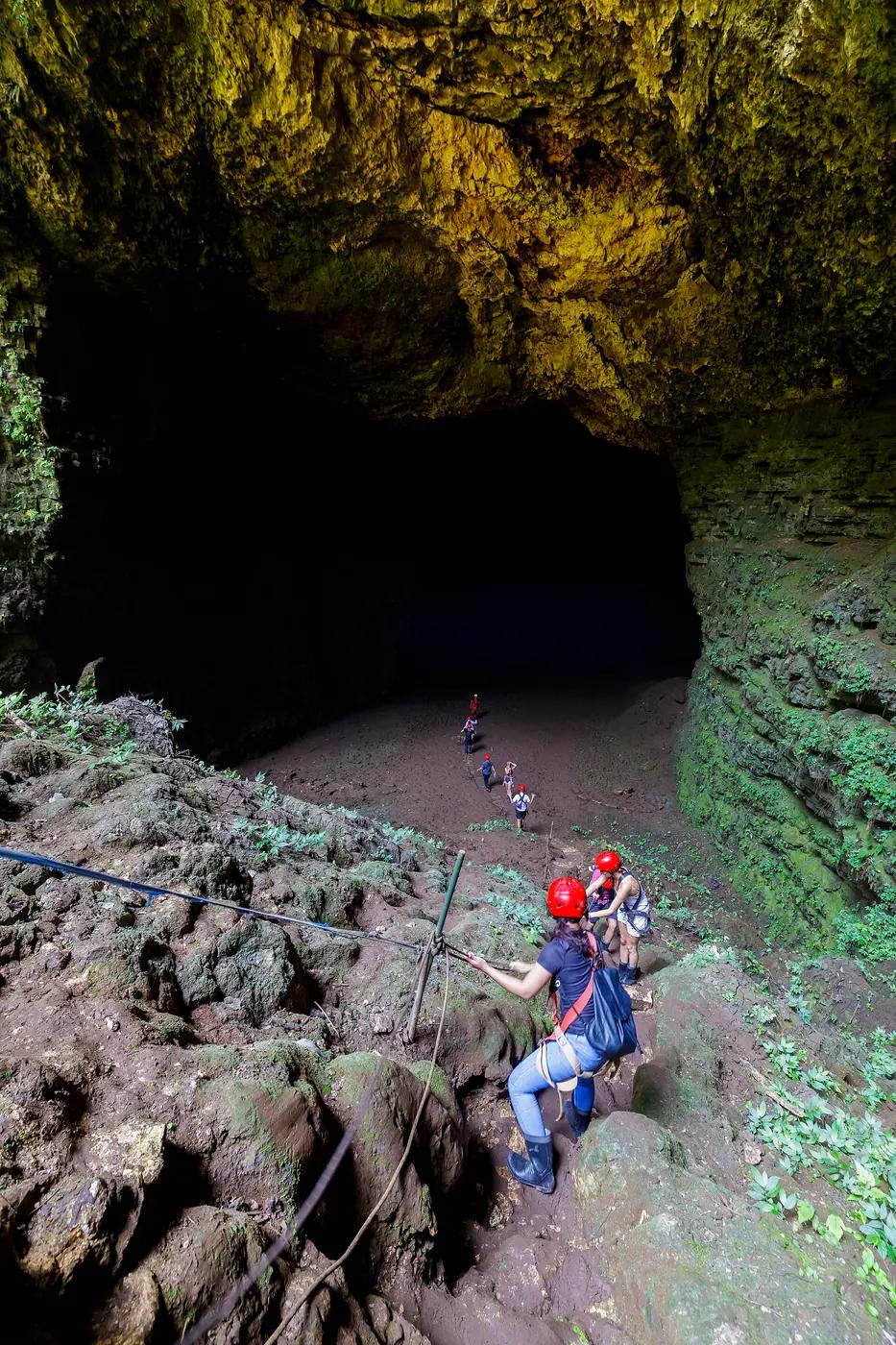
The Gunung Kidul caves, Jomblang and Goa Pindul among them, are the most accessible cave ecosystems on Java. Bats, swiftlets and cave invertebrates are part of the standard tour whether the operators advertise them or not.
Yogyakarta is also a good place to think about captive wildlife honestly. Gembira Loka Zoo, in the city, has improved markedly and is the simplest way for a family to see an orangutan or a Komodo dragon in the region.
Where to look
Wildlife map of Yogyakarta
This guide covers the region shown below. Zoom in to get your bearings before planning a trip.
Positions are geocoded from OpenStreetMap. Habitat access and opening times change — check locally before travelling. Smaller pins are public AnimalDex captures, placed to the nearest kilometre.
Field proof
Found in Yogyakarta by AnimalDex users
Real captures logged in the AnimalDex app inside this area and shared publicly by their collectors, with the animal confirmed by the app's identification. Places are shown to the nearest region, never the exact spot.
- 6
- public captures
- 5
- species recorded
- 1
- collectors
- 6
- wild sightings
Recent captures from the field
Species people have actually logged here
Every name links to its species guide. The count is how many public captures of that animal sit inside this area.
Collectors choose to share these captures on Discover and can withdraw them at any time. Coordinates are rounded to about a kilometre and refreshed with each site build.
Animals to spot
These are intentionally practical species picks, balancing accessibility, excitement, and what travelers can realistically notice in the location.

Long-tailed MacaqueC
Troops roam the Kaliurang forest park on Merapi's southern slope and the viewpoint car parks above it.
Spotting note: Likely at Kaliurang; a confirmed user capture in the province.
Read species guide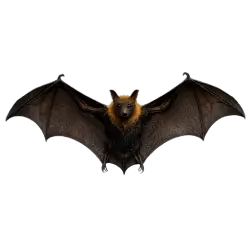
Fruit BatB
Fruit bats and smaller insect bats roost in the Gunung Kidul caves and stream out at dusk over the karst villages.
Spotting note: Guaranteed on a cave tour; spectacular at dusk from the cave mouths.
Read species guide
Edible-nest SwiftletD
Nests on the walls of sea caves along the Gunung Kidul coast and in the vertical shaft at Jomblang.
Spotting note: Common around karst cliffs and cave entrances.
Read species guide
Olive Ridley Sea TurtleC
Nests in small numbers on the beaches west of Parangtritis, where community hatcheries at Pelangi and Samas release hatchlings.
Spotting note: Seasonal (roughly May to September); hatchling releases are easier than nesting.
Read species guide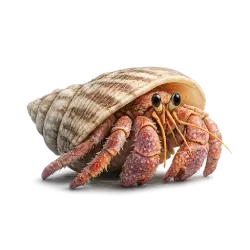
Hermit CrabE
Covers the strandline of Indrayanti, Krakal and Drini beaches after dark, dragging borrowed shells across the sand.
Spotting note: Very common on quiet beaches at night.
Read species guide
Javan Pond HeronD
Works the irrigated paddies of Sleman and Bantul that still surround the city's edges.
Spotting note: Common in any wet field.
Read species guide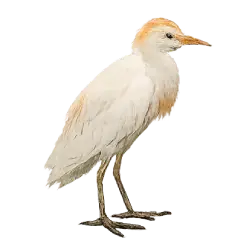
Cattle EgretD
Follows ploughing buffalo and tractors through the rice fields north of the airport road.
Spotting note: Abundant on farmland.
Read species guide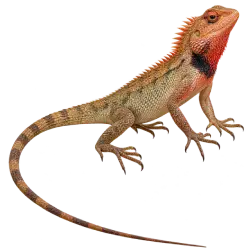
Oriental Garden LizardD
Sits on garden walls and campus hedges, the males flushing red-headed in the breeding season.
Spotting note: Common in gardens and along lanes.
Read species guide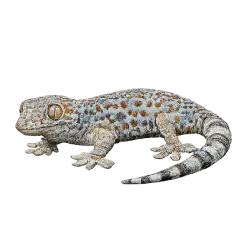
Tokay GeckoD
The big spotted gecko that barks from guesthouse rafters around Prawirotaman after dark.
Spotting note: Heard nightly; seen with a torch on walls.
Read species guide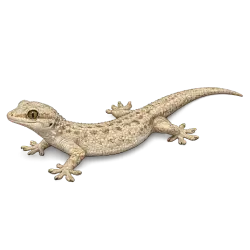
Common House GeckoE
Patrols every lit wall in the city and is the first capture most visitors make.
Spotting note: Guaranteed indoors at night.
Read species guide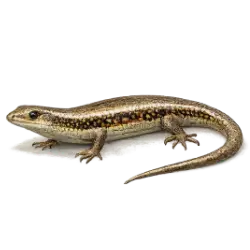
Common Sun SkinkD
Basks on temple stones at Prambanan and Ratu Boko and bolts into the grass when approached.
Spotting note: Common on sunny stonework.
Read species guide
Asian Weaver AntE
Builds leaf nests in the mango and rambutan trees of kampung gardens; a logged user capture here.
Spotting note: Abundant in fruit trees.
Read species guide
MosquitoE
The most-logged animal in the province, which says something true about Yogyakarta evenings.
Spotting note: Unavoidable; peak at dusk in the wet season.
Read species guide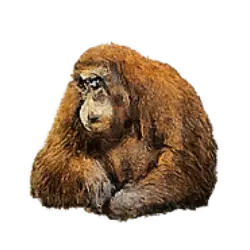
OrangutanA
Gembira Loka Zoo in the east of the city keeps orangutans in one of its better enclosures.
Spotting note: Captive only; guaranteed at Gembira Loka.
Read species guideBest for
Use this section to decide whether the location fits your travel style, skill level, and AnimalDex goals.
- Cave tours with bats and swiftlets in Gunung Kidul
- Night beachcombing on the south coast
- Temple-stone reptiles at Prambanan and Ratu Boko
- A family zoo day at Gembira Loka
Spotting tips
These tips are meant to make the page useful in the field, not just readable on the page.
- 01Book Jomblang for the morning light shaft but stay for the bats; the vertical cave wakes up as the light fades.
- 02Gunung Kidul beaches are safest for night walks at low tide; the surf here is dangerous and lifeguards go home at dusk.
- 03Prambanan opens at 06:00; the sun skinks and garden lizards are out on the warm stone before the tour buses arrive.
- 04Turtle hatchery releases at Pelangi beach are announced locally; ask at your guesthouse rather than searching online.
Virtual Wildlife Guides
Wildlife guides to Yogyakarta
AnimalDex builds virtual guides from explorers' own wild sightings: which animals they found, how rare they are, and when. A guide is advice from someone who has been there, not a tour. Buying one unlocks the author's notes for every animal, a chat with the author, and introductions to local people they met. Wildlife is never guaranteed.
Checking for virtual guides to Yogyakarta...
How to choose a local wildlife guide in Yogyakarta
- Ask what they usually find in the season you are visiting. A good guide gives an honest answer, not a promised sighting.
- Check how they treat animals: no baiting, calling in, handling, or close flash photography for a better shot.
- Confirm the meeting area, duration, group size, total price, and how you pay before the day, plus any permits or park fees the place requires.
Track the animals you find in Yogyakarta
Build your collection while you travel through Yogyakarta, from easy wins to the species worth planning around.
Related locations
Keep exploring with nearby or similar destinations that support the same kind of AnimalDex discovery.
Animals in Central Java: What You Can Spot, Learn, and Collect
Central Java wildlife: Karimunjawa's turtles and reef sharks, surili and macaques on Merbabu, Semarang's mangrove monitors, barn owls over the paddies.
Read location guideAnimals in Java: What You Can Spot, Learn, and Collect
Java wildlife guide: Javan rhinos in Ujung Kulon, silvery gibbons at Gede Pangrango, banteng and green peafowl at Baluran, and the mynas and herons of the cities.
Read location guideAnimals in East Java: What You Can Spot, Learn, and Collect
East Java wildlife guide: banteng and green peafowl on Baluran's savanna, nesting turtles at Sukamade, rusa deer under Bromo, kites and civets around Malang.
Read location guideLocation FAQ
Short direct answers to the questions travelers usually ask before choosing a wildlife destination or zoo day.
What wildlife is there in Yogyakarta?
Bats and swiftlets in the Gunung Kidul caves, long-tailed macaques at Kaliurang on Merapi, hermit crabs and seasonal olive ridley turtles on the south coast, and pond herons, egrets, garden lizards and geckos around the city.
What animals can be found in Yogyakarta?
Everyday captures are house geckos, tokay geckos, garden lizards, sun skinks, weaver ants and mosquitoes. Half-day trips add cave bats, swiftlets, macaques and beach crabs, and Gembira Loka Zoo adds orangutans and other large mammals.
Are the Gunung Kidul caves good for wildlife?
Yes. Jomblang, Pindul and the smaller caves hold large bat roosts and nesting swiftlets, and the dusk exodus from the cave mouths is the best wildlife moment in the region.
Is there a zoo in Yogyakarta?
Gembira Loka Zoo, in the east of the city, is a mid-sized zoo with orangutans, elephants, Komodo dragons and a bird collection. It is the easiest wildlife option for families with small children.
Have AnimalDex users found animals in Yogyakarta?
Yes. AnimalDex users have publicly logged 6 captures of 5 different species in Yogyakarta, including mosquito, asian weaver ant, black ant, household casebearer moth. Each one was photographed in the app at the moment of the sighting.
How do I find a wildlife guide to Yogyakarta?
Check the Wildlife Guides section on this page or browse Wildlife Guides on AnimalDex. Each one is a virtual guide built from an explorer's own wild sightings around Yogyakarta: the animals they found, how rare they are, and when. It is advice from someone who has been there, not a tour. If you want someone with you on the day, compare local guides on wildlife knowledge, how they treat animals, and clear pricing before you go.