

Animals in Kelantan: What You Can Spot, Learn, and Collect
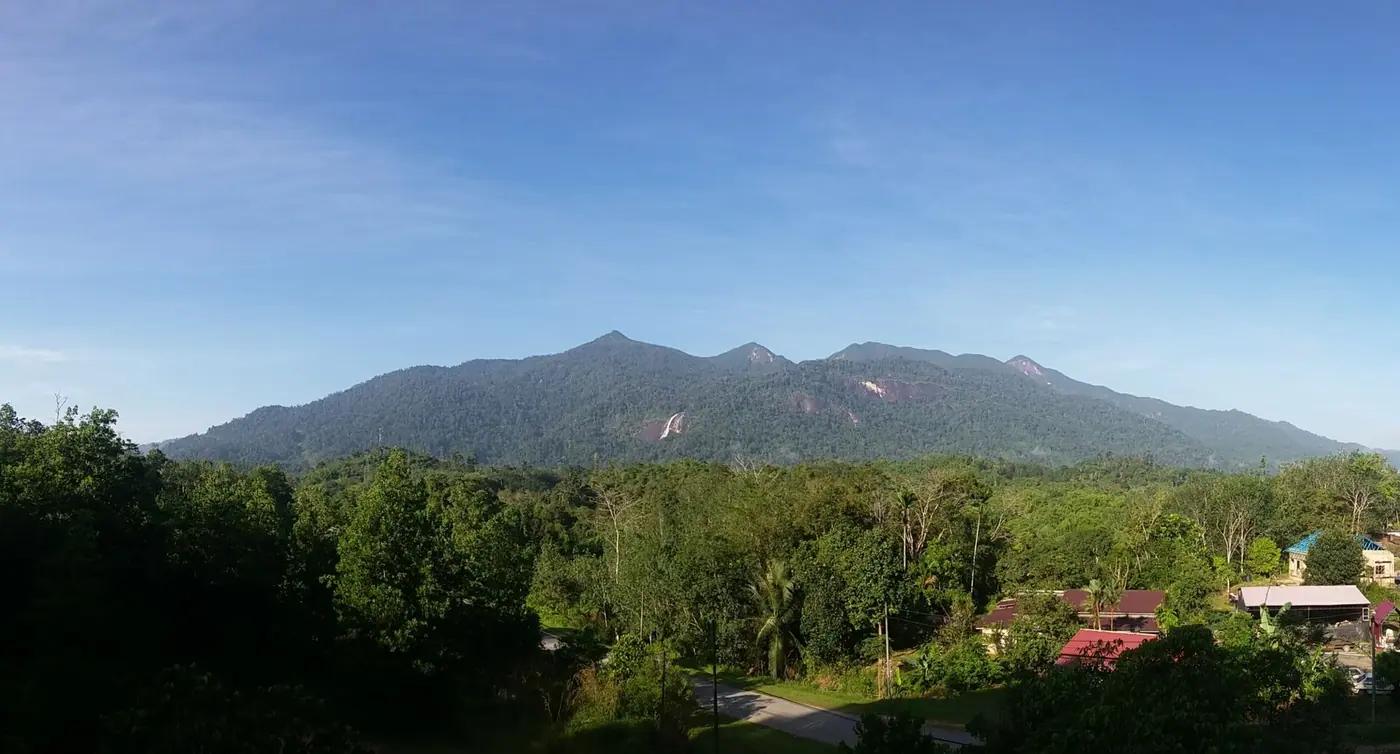
Kelantan wildlife: gibbons and hornbills at Gunung Stong, elephants and tigers in the Kuala Koh forests, porcupines, sambar and civets on the Tanah Merah kampung edge.
Quick answer
Start with the direct answer, then use the sections below to see why the location matters and which animals are actually realistic to spot there.
Kelantan's interior holds some of the Peninsula's wildest forest: Asian elephants and Malayan tigers in the Kuala Koh and Gunung Basor areas, lar gibbons and great hornbills calling over Gunung Stong, great argus and sambar deer at salt licks. The settled north around Tanah Merah and Pasir Mas is where AnimalDex users actually log animals, and it is porcupines, sambar, civets, squirrels and macaques on the kampung edge after dark.
Kelantan is Malaysia's least touristed mainland state, and that shows in its wildlife. Most of the south is forest: the Taman Negara entrance at Kuala Koh, the Gunung Stong state park with its 300-metre Jelawang waterfall, and a long stretch of unroaded hills along the Thai border where tigers still breed.
The north is paddy, rubber and kampung, and that is where the captures come from. Users around Tanah Merah have logged Malayan porcupines, sambar deer, palm civets and plantain squirrels, which says something about how close the forest still sits to the villages.
Start with these animals
Why this location matters
Good location pages explain why the place is worth your time, not just which names belong on a destination checklist.
Kelantan's forests are part of the central corridor that keeps the Malayan tiger population connected. Logging and durian plantations are eating into them, and the elephants that crash into orchards around Gua Musang and Jeli are the visible symptom.
There are no big-name lodges here, so sightings depend on local guides, village homestays and your own patience. That makes every logged capture more valuable: Kelantan is badly under-recorded for a state with this much forest.
Where to look
Wildlife map of Kelantan
This guide covers the region shown below. Zoom in to get your bearings before planning a trip.
Positions are geocoded from OpenStreetMap. Habitat access and opening times change — check locally before travelling. Smaller pins are public AnimalDex captures, placed to the nearest kilometre.
Field proof
Found in Kelantan by AnimalDex users
Real captures logged in the AnimalDex app inside this area and shared publicly by their collectors, with the animal confirmed by the app's identification. Places are shown to the nearest region, never the exact spot.
- 28
- public captures
- 24
- species recorded
- 2
- collectors
- 17
- wild sightings
Recent captures from the field
Species people have actually logged here
Every name links to its species guide. The count is how many public captures of that animal sit inside this area.
- Malayan Porcupine3 captures
- Patagonian Mara2 captures
- Sambar Deer2 captures
- Asian Common Toad1 capture
- Asian Palm Civet1 capture
- Blue-rumped Parrot1 capture
- Budgerigar1 capture
- Dromedary Camel1 capture
- Eurasian Tree Sparrow1 capture
- Green Peafowl1 capture
- Green-blotched Moth1 capture
- Guinea Pig1 capture
- Koi1 capture
- Long-tailed Macaque1 capture
- Meerkat1 capture
- Mosquito1 capture
- North American Raccoon1 capture
- Plantain Squirrel1 capture
- Silver Pheasant1 capture
- Sulcata Tortoise1 capture
- Sulphur-crested Cockatoo1 capture
- Umbrella Cockatoo1 capture
- Victoria Crowned Pigeon1 capture
- Water Buffalo1 capture
Collectors choose to share these captures on Discover and can withdraw them at any time. Coordinates are rounded to about a kilometre and refreshed with each site build.
Animals to spot
These are intentionally practical species picks, balancing accessibility, excitement, and what travelers can realistically notice in the location.
Asian ElephantA
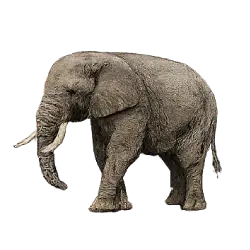
Herds move between the Stong range, the Jeli hills and the Gua Musang forests, and roadside dung on the Jeli-Gerik highway is a weekly sight.
Spotting note: Signs are common; a sighting usually means a dawn or dusk drive along the highway edge.
Read species guide
Malayan TigerS
The Kuala Koh sector of Taman Negara and the forests around Gunung Basor are among the last breeding areas for the subspecies in Malaysia.
Spotting note: Camera traps only, realistically; pugmarks on river sand are the most anyone sees.
Read species guide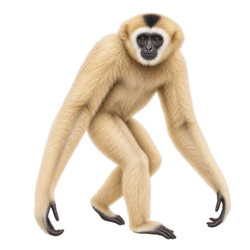
Lar GibbonB
White-handed gibbons sing from the slopes above Jelawang waterfall at Gunung Stong, usually in the first hour after sunrise.
Spotting note: Heard on most mornings at Stong; seen with effort and binoculars.
Read species guide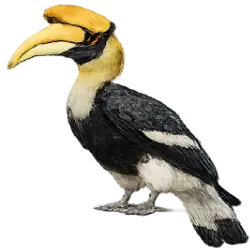
Great HornbillB
The largest Peninsular hornbill crosses the valleys at Kuala Koh and Stong with a wingbeat you can hear from the trail.
Spotting note: Uncommon; fig trees in fruit are the place to wait.
Read species guide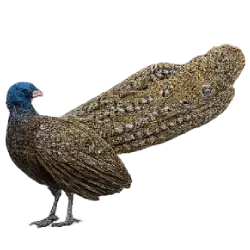
Great ArgusC
Males clear dance courts on ridges in the Kuala Koh forest and call a loud two-note 'kow-wow' that carries for a kilometre.
Spotting note: Heard far more than seen; a guide who knows a dancing ground changes the odds.
Read species guide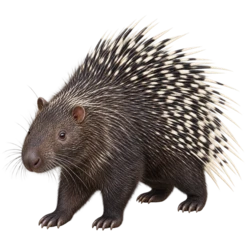
Malayan PorcupineD
The most-logged wild mammal in Kelantan, photographed by users on kampung edges around Tanah Merah where it digs up tapioca and fallen fruit.
Spotting note: Nocturnal and common; drive slowly on rural roads after 9 pm.
Read species guide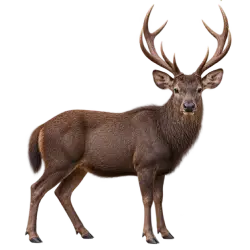
Sambar DeerB
Users have logged sambar in open ground near Tanah Merah, and the Kuala Koh salt licks pull them in at night.
Spotting note: Regular at salt licks; occasional on forest-edge farmland.
Read species guide
Asian Palm CivetD
Lives in kampung fruit trees and roof spaces across the north and was captured by a user in the Tanah Merah countryside.
Spotting note: Nocturnal and common; check fruiting trees with a torch.
Read species guide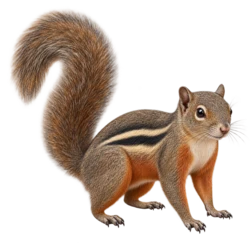
Plantain SquirrelE
The default squirrel of Kelantan gardens, rubber smallholdings and roadside trees, logged by users in the north.
Spotting note: Very common and active all day.
Read species guide
Long-tailed MacaqueC
Troops at Gunung Stong's waterfall base camp and along the Kelantan River have learned to work the picnic crowds.
Spotting note: Guaranteed at Stong; common elsewhere.
Read species guide
Water BuffaloC
Domestic buffalo still work and wallow in the paddies of Pasir Mas and Tumpat, often with cattle egrets on their backs; a farm animal, not a wild one.
Spotting note: Common in the northern paddies, especially in the planting months.
Read species guide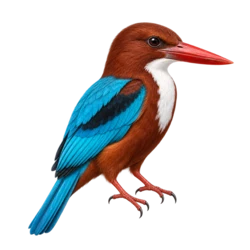
White-throated KingfisherD
A big blue-and-chestnut kingfisher that hunts frogs and crickets from wires over the Kelantan paddies rather than fish.
Spotting note: Very common; loud, laughing call.
Read species guide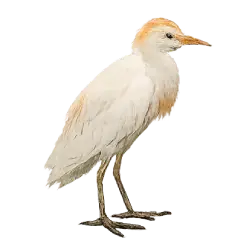
Cattle EgretD
Follows buffalo and tractors through the Tumpat and Pasir Mas paddies in flocks of dozens.
Spotting note: Abundant in farmland.
Read species guide
Asian Common ToadE
Gathers under kampung lights after rain and was logged by users in the north, where it is the standard night-time amphibian.
Spotting note: Very common after dark in the wet season.
Read species guideBest for
Use this section to decide whether the location fits your travel style, skill level, and AnimalDex goals.
- Travelers who want untouristed Peninsular forest with gibbons and hornbills
- Kampung homestays where porcupines, civets and squirrels come to you
- Hikers combining Gunung Stong's waterfall with dawn wildlife
- Collectors adding paddy and farmland birds in the northern plains
Spotting tips
These tips are meant to make the page useful in the field, not just readable on the page.
- 01Camp at the Baha camp above Jelawang waterfall at Gunung Stong; gibbons call across the valley at first light and you are already in the forest.
- 02Enter Taman Negara at Kuala Koh rather than Kuala Tahan if you want quiet; the salt licks there get far less traffic and sambar and argus are correspondingly bolder.
- 03Drive rural roads around Tanah Merah and Machang slowly after dark; porcupines, civets and the occasional sambar cross between forest patches and orchards.
- 04The Tumpat paddies near the Thai border are the best open-country birding in the state, with buffalo, egrets, kingfishers and raptors through the wet season.
Virtual Wildlife Guides
Wildlife guides to Kelantan
AnimalDex builds virtual guides from explorers' own wild sightings: which animals they found, how rare they are, and when. A guide is advice from someone who has been there, not a tour. Buying one unlocks the author's notes for every animal, a chat with the author, and introductions to local people they met. Wildlife is never guaranteed.
Checking for virtual guides to Kelantan...
How to choose a local wildlife guide in Kelantan
- Ask what they usually find in the season you are visiting. A good guide gives an honest answer, not a promised sighting.
- Check how they treat animals: no baiting, calling in, handling, or close flash photography for a better shot.
- Confirm the meeting area, duration, group size, total price, and how you pay before the day, plus any permits or park fees the place requires.
Track the animals you find in Kelantan
Build your collection while you travel through Kelantan, from easy wins to the species worth planning around.
Related tier lists
These tier lists add broader context around the species that make this location interesting.
Rarest Animals in the World
A structured ranking of the rarest animals in the world, blending scarcity, vulnerability, and conservation pressure to answer the overlap between rarest and most endangered wildlife.
Read tier listRelated locations
Keep exploring with nearby or similar destinations that support the same kind of AnimalDex discovery.
Animals in Malaysia: What You Can Spot, Learn, and Collect
Malaysia wildlife guide: Malayan tigers and tapirs in Taman Negara, orangutans and proboscis monkeys in Sabah, hornbills at Belum, plus everyday macaques and monitors.
Read location guideAnimals in Terengganu: What You Can Spot, Learn, and Collect
What lives in Terengganu: elephants and hornbills at Kenyir Lake, green turtles on Redang and Perhentian, reef sharks, Setiu wetland monitors and paddy-field insects.
Read location guideAnimals in Kuala Lumpur: What You Can Spot, Learn, and Collect
Wildlife in Kuala Lumpur: macaques at Batu Caves, dusky leaf monkeys under the KL Tower, colugos at FRIM, monitors in the Lake Gardens and Zoo Negara's tigers.
Read location guideLocation FAQ
Short direct answers to the questions travelers usually ask before choosing a wildlife destination or zoo day.
What wildlife is there in Kelantan?
Asian elephants, Malayan tigers, lar gibbons, great hornbills and great argus in the southern forests around Kuala Koh and Gunung Stong, and porcupines, sambar deer, civets, squirrels and macaques on the kampung edges of the north. The paddies around Tumpat and Pasir Mas add buffalo, egrets and kingfishers.
What animals can be found in Kelantan?
Elephant, tiger, tapir, gibbon, sambar, barking deer, Malayan porcupine, palm civet, plantain squirrel, long-tailed macaque, hornbills, argus and kingfishers, plus toads, geckos and a large paddy insect fauna. Users have logged porcupine and sambar more than any other wild mammal here.
Is Gunung Stong good for wildlife?
Yes, if you go early and stay a night. The waterfall trail is busy by mid-morning, but the forest above the falls has gibbons, hornbills, squirrels and macaques, and the campsite is the best place in the state to hear a dawn chorus.
Are there tigers in Kelantan?
Yes, Kelantan's southern forests are one of the Malayan tiger's last strongholds, but with fewer than 150 left in the wild you will not see one. Pugmarks along rivers near Kuala Koh are the realistic encounter.
Have AnimalDex users found animals in Kelantan?
Yes. AnimalDex users have publicly logged 28 captures of 24 different species in Kelantan, including malayan porcupine, patagonian mara, sambar deer, asian common toad. Each one was photographed in the app at the moment of the sighting.
How do I find a wildlife guide to Kelantan?
Check the Wildlife Guides section on this page or browse Wildlife Guides on AnimalDex. Each one is a virtual guide built from an explorer's own wild sightings around Kelantan: the animals they found, how rare they are, and when. It is advice from someone who has been there, not a tour. If you want someone with you on the day, compare local guides on wildlife knowledge, how they treat animals, and clear pricing before you go.