

Animals in Terengganu: What You Can Spot, Learn, and Collect
What lives in Terengganu: elephants and hornbills at Kenyir Lake, green turtles on Redang and Perhentian, reef sharks, Setiu wetland monitors and paddy-field insects.

Quick answer
Start with the direct answer, then use the sections below to see why the location matters and which animals are actually realistic to spot there.
Terengganu has Asian elephants, Malayan tapirs and rhinoceros hornbills around Kenyir Lake, green turtles nesting on Redang and the Perhentians with blacktip reef sharks in the shallows, and water monitors and waterbirds in the Setiu wetlands. Inland, the paddies and kampung orchards produce more logged insects than anywhere else in Malaysia: skimmer dragonflies, rice grasshoppers, crickets, lantern bugs and forest scorpions.
Terengganu is the single biggest capture cluster in the whole AnimalDex database, and almost none of it is tourist wildlife. It is crickets on kitchen floors, skimmers over the paddies around Kuala Berang and Marang, orb-weavers strung between coconut palms and the occasional porcupine or rat snake crossing a kampung road at night.
The state also has a proper wild side. Kenyir, Malaysia's largest lake, backs onto Taman Negara and hosts elephants, tapirs and hornbills along its drowned shoreline, while the east-coast islands are the Peninsula's best turtle beaches and easiest reef snorkelling.
Why this location matters
Good location pages explain why the place is worth your time, not just which names belong on a destination checklist.
Terengganu's beaches once held the largest leatherback nesting population in Asia. Rantau Abang lost it by the 1990s, and the green turtles that still nest on Redang's Chagar Hutang and at the Ma'Daerah sanctuary near Kerteh are the state's second chance.
Kenyir sits at the edge of the Peninsula's central forest spine. Elephants pushed out by plantations end up on its fringes, and the Kenyir Elephant Conservation Village exists because of that conflict. Logging what you see there adds to a record of how the lake's wildlife is holding up.
Where to look
Wildlife map of Terengganu
This guide covers the region shown below. Zoom in to get your bearings before planning a trip.
Positions are geocoded from OpenStreetMap. Habitat access and opening times change — check locally before travelling. Smaller pins are public AnimalDex captures, placed to the nearest kilometre.
Field proof
Found in Terengganu by AnimalDex users
Real captures logged in the AnimalDex app inside this area and shared publicly by their collectors, with the animal confirmed by the app's identification. Places are shown to the nearest region, never the exact spot.
- 129
- public captures
- 93
- species recorded
- 2
- collectors
- 129
- wild sightings
Recent captures from the field
Species people have actually logged here
Every name links to its species guide. The count is how many public captures of that animal sit inside this area.
- Two-spotted Cricket5 captures
- Slender Skimmer4 captures
- Snail4 captures
- Tobacco Grasshopper4 captures
- Black Planthopper3 captures
- Cockroach3 captures
- Orb-weaver Spider3 captures
- Potato Leafhopper3 captures
- Rice Grasshopper3 captures
- Carolina Wolf Spider2 captures
- Crane Fly2 captures
- Flower Crab Spider2 captures
- Geometer Moth2 captures
- House Fly2 captures
- Indian Earthworm2 captures
- Long-legged Fly2 captures
- Mosquito2 captures
- Shield & Stink Bug2 captures
- Stalk-eyed Fly2 captures
- Stick Insect2 captures
- Tropical Leatherleaf Slug2 captures
- Water Strider2 captures
- Asian Common Toad1 capture
- Asian Honey Bee1 capture
- Asian Tramp Snail1 capture
- Asian Weaver Ant1 capture
- Black Ant1 capture
- Blister Beetle1 capture
- Blow Fly1 capture
- Brown Widow Spider1 capture
- Carpenter Ant1 capture
- Chinese Mantis1 capture
- Chinese Rice Grasshopper1 capture
- Citrus Flatid Planthopper1 capture
- Citrus Mealybug1 capture
- Clothes & House Moth1 capture
- Cocoa Tussock Moth1 capture
- Common Bluetail1 capture
- Common Earthworm1 capture
- Common Flesh Fly1 capture
Collectors choose to share these captures on Discover and can withdraw them at any time. Coordinates are rounded to about a kilometre and refreshed with each site build.
Animals to spot
These are intentionally practical species picks, balancing accessibility, excitement, and what travelers can realistically notice in the location.
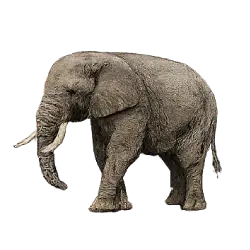
Asian ElephantA
Wild herds use the forest around Kenyir Lake and the Kuala Berang road, and the Kenyir Elephant Conservation Village keeps translocated animals that visitors can watch bathe.
Spotting note: Dung and footprints on lake-shore trails are common; a wild herd is a lucky boat trip.
Read species guide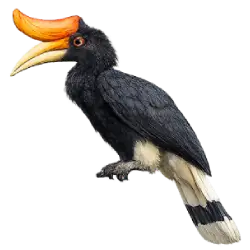
Rhinoceros HornbillB
Pairs commute across Kenyir's bays between fig trees on the islands, and the sound of their wings is one of the lake's signature noises at dawn.
Spotting note: Regular from a boat on the quieter arms of the lake.
Read species guide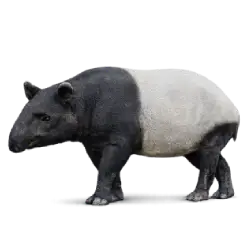
Malayan TapirB
The Terengganu side of Taman Negara and the Kenyir fringes are tapir country, and animals occasionally wander onto the Kuala Berang road after dark.
Spotting note: Rare but real; night drives on the lake access roads are the best bet.
Read species guide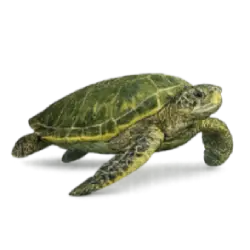
Green Sea TurtleC
Chagar Hutang on Redang is a dedicated sanctuary beach with hundreds of nests a season, and the Perhentians have resident adults grazing seagrass off Turtle Beach.
Spotting note: Almost guaranteed snorkelling off Perhentian Kecil; nesting is May to September.
Read species guide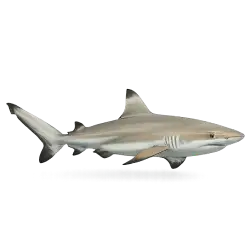
Blacktip Reef SharkC
Juvenile blacktips cruise the knee-deep shallows at Shark Point on Perhentian Besar and off Redang's Pasir Panjang.
Spotting note: Reliable in calm water at high tide; harmless and skittish.
Read species guide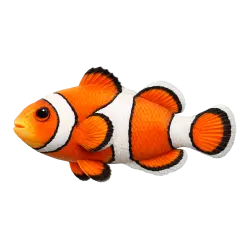
ClownfishE
Anemone clusters on Redang's house reefs and around the Perhentian jetties hold clownfish a metre below snorkelers.
Spotting note: Guaranteed on any guided snorkel.
Read species guide
Long-tailed MacaqueC
Troops raid beach bungalows on the Perhentians and patrol the Kenyir jetties, and they are among the most-logged mammals in the state.
Spotting note: Guaranteed on the islands; keep your door shut.
Read species guide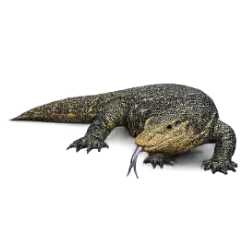
Water MonitorC
Big monitors work the Setiu wetlands, the Kenyir shoreline and every drain in Kuala Terengganu, and users photograph them regularly.
Spotting note: Very common near water.
Read species guide Slender SkimmerE
The most-captured dragonfly in Terengganu, hawking over flooded paddies around Kuala Berang, Marang and Besut through the planting season.
Spotting note: Abundant over any standing water in sun.
Read species guide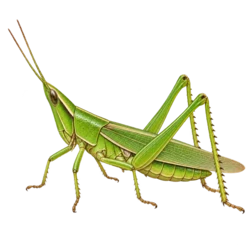
Rice GrasshopperE
Users log this paddy grasshopper from field edges across the state, where it clings to rice stems and flushes in short hops as you walk the bunds.
Spotting note: Abundant October to February.
Read species guide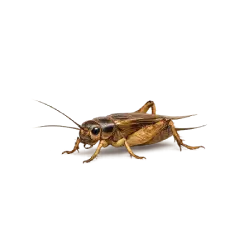
Two-spotted CricketE
The top-logged animal in Terengganu by a wide margin, calling from kampung yards and kitchen floors after dark.
Spotting note: Heard every night; found with a torch.
Read species guide
LanternflyE
The long-snouted lanternfly sits on longan and rambutan trunks in Terengganu orchards and has been photographed by users in kampung gardens.
Spotting note: Uncommon; check fruit-tree trunks at eye level.
Read species guide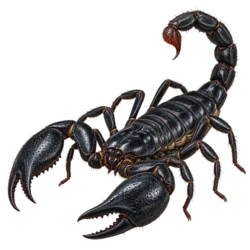
Malaysian Forest ScorpionD
The big black forest scorpion lives in leaf litter and under logs in the state's hill forest and has turned up in users' captures near Kenyir.
Spotting note: Nocturnal; glows under UV torchlight.
Read species guide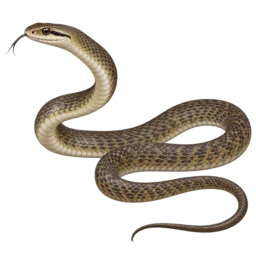
Common Rat SnakeD
A fast, harmless snake of paddies and kampung edges that users have logged crossing roads in rural Terengganu.
Spotting note: Occasional by day; most often seen on warm tarmac.
Read species guideBest for
Use this section to decide whether the location fits your travel style, skill level, and AnimalDex goals.
- Snorkelers who want turtles and reef sharks without a dive certificate
- Boat-based wildlife at Kenyir for elephants, hornbills and monitors
- Insect and paddy-field collectors building a long list fast
- Turtle conservation volunteering at Chagar Hutang or Ma'Daerah
Spotting tips
These tips are meant to make the page useful in the field, not just readable on the page.
- 01Snorkel the Perhentians at high tide in the morning for sharks and turtles; afternoon chop stirs the sand and hides everything.
- 02At Kenyir, hire a boat for dawn rather than a houseboat party; hornbills and elephants use the shoreline before the water-sports noise starts.
- 03Walk paddy bunds around Kuala Berang or Marang an hour after sunrise when skimmers, grasshoppers and crickets are active but not yet skittish.
- 04Carry a UV torch on any night walk: forest scorpions fluoresce blue-green and are far easier to find that way.
Virtual Wildlife Guides
Wildlife guides to Terengganu
AnimalDex builds virtual guides from explorers' own wild sightings: which animals they found, how rare they are, and when. A guide is advice from someone who has been there, not a tour. Buying one unlocks the author's notes for every animal, a chat with the author, and introductions to local people they met. Wildlife is never guaranteed.
Checking for virtual guides to Terengganu...
How to choose a local wildlife guide in Terengganu
- Ask what they usually find in the season you are visiting. A good guide gives an honest answer, not a promised sighting.
- Check how they treat animals: no baiting, calling in, handling, or close flash photography for a better shot.
- Confirm the meeting area, duration, group size, total price, and how you pay before the day, plus any permits or park fees the place requires.
Track the animals you find in Terengganu
Build your collection while you travel through Terengganu, from easy wins to the species worth planning around.
Related tier lists
These tier lists add broader context around the species that make this location interesting.
100 Most Resilient Animals
Most resilient animals ranked by recovery, climate toughness, and staying functional under stress — not a copy of the strongest or most dangerous lists.
Read tier listRelated locations
Keep exploring with nearby or similar destinations that support the same kind of AnimalDex discovery.
Animals in Malaysia: What You Can Spot, Learn, and Collect
Malaysia wildlife guide: Malayan tigers and tapirs in Taman Negara, orangutans and proboscis monkeys in Sabah, hornbills at Belum, plus everyday macaques and monitors.
Read location guideAnimals in Kelantan: What You Can Spot, Learn, and Collect
Kelantan wildlife: gibbons and hornbills at Gunung Stong, elephants and tigers in the Kuala Koh forests, porcupines, sambar and civets on the Tanah Merah kampung edge.
Read location guideAnimals in Kuala Lumpur: What You Can Spot, Learn, and Collect
Wildlife in Kuala Lumpur: macaques at Batu Caves, dusky leaf monkeys under the KL Tower, colugos at FRIM, monitors in the Lake Gardens and Zoo Negara's tigers.
Read location guideLocation FAQ
Short direct answers to the questions travelers usually ask before choosing a wildlife destination or zoo day.
What wildlife is there in Terengganu?
Elephants, tapirs, hornbills and macaques around Kenyir Lake; green turtles, blacktip reef sharks and clownfish on Redang and the Perhentians; water monitors and waterbirds in the Setiu wetlands; and a dense insect fauna of dragonflies, grasshoppers, crickets and scorpions in the paddies and kampungs.
What animals can be found in Terengganu?
Asian elephant, Malayan tapir, rhinoceros hornbill, long-tailed macaque, water monitor, green sea turtle, hawksbill turtle, blacktip reef shark, reef fish, rat snakes, forest scorpions and a long list of paddy insects. Terengganu is the most-logged region in the AnimalDex database.
When is turtle season in Terengganu?
Green turtles nest from roughly April to September, peaking June to August. Chagar Hutang on Redang is a protected sanctuary with controlled night viewing, and Ma'Daerah near Kerteh runs a hatchery on the mainland.
Can you see wild elephants at Kenyir?
Sometimes. Herds use the lake shore and the Kuala Berang access road, and signs are common, but a sighting needs a dawn boat trip and luck. The Kenyir Elephant Conservation Village guarantees elephants, though these are managed animals.
Have AnimalDex users found animals in Terengganu?
Yes. AnimalDex users have publicly logged 129 captures of 93 different species in Terengganu, including two-spotted cricket, slender skimmer, snail, tobacco grasshopper. Each one was photographed in the app at the moment of the sighting.
How do I find a wildlife guide to Terengganu?
Check the Wildlife Guides section on this page or browse Wildlife Guides on AnimalDex. Each one is a virtual guide built from an explorer's own wild sightings around Terengganu: the animals they found, how rare they are, and when. It is advice from someone who has been there, not a tour. If you want someone with you on the day, compare local guides on wildlife knowledge, how they treat animals, and clear pricing before you go.