

Animals in the Riau Islands: What You Can Spot, Learn, and Collect
Riau Islands wildlife guide: Bintan mangrove fireflies and otters, Batam macaques and monitors, hornbills, sea eagles, estuary crocodiles and Anambas reefs.
Quick answer
Start with the direct answer, then use the sections below to see why the location matters and which animals are actually realistic to spot there.
The Riau Islands are the 1,700 islands between Singapore and Borneo, with Batam, Bintan and Tanjung Pinang as the hubs. Bintan's Sebung river mangroves give fireflies, smooth-coated otters, monitors and kingfishers by boat, Batam's forest remnants have macaques and hornbills, the estuaries hold saltwater crocodiles, and the remote Anambas and Natuna islands have the best reefs. Users in Kepulauan Riau mostly log tree sparrows, red junglefowl, house geckos and the rats and roaches of a busy port.
Batam is a factory and ferry city 45 minutes from Singapore; Bintan's north coast is a resort strip with golf courses and mangrove tours; Tanjung Pinang is the old Malay capital. Beyond them lie Lingga, Karimun and the far-flung Anambas and Natuna groups in the South China Sea.
The islands have a Malaysian-style fauna of mangrove and secondary forest animals, and the mangrove rivers are where most of the easy wildlife is seen. Bintan's Sebung river firefly tour is the standard evening trip.
Why this location matters
Good location pages explain why the place is worth your time, not just which names belong on a destination checklist.
Mangroves around Bintan and Batam are being cleared for resorts, sand mining and reclamation, and they are the nursery for the fish, otters and crocodiles of the whole strait.
Anambas was named one of Asia's top island groups and still has untouched reefs; its remoteness is the only protection it has.
Where to look
Wildlife map of Riau Islands
This guide covers the region shown below. Zoom in to get your bearings before planning a trip.
Positions are geocoded from OpenStreetMap. Habitat access and opening times change — check locally before travelling. Smaller pins are public AnimalDex captures, placed to the nearest kilometre.
Field proof
Found in Riau Islands by AnimalDex users
Real captures logged in the AnimalDex app inside this area and shared publicly by their collectors, with the animal confirmed by the app's identification. Places are shown to the nearest region, never the exact spot.
- 12
- public captures
- 11
- species recorded
- 2
- collectors
- 11
- wild sightings
Recent captures from the field
Species people have actually logged here
Every name links to its species guide. The count is how many public captures of that animal sit inside this area.
Collectors choose to share these captures on Discover and can withdraw them at any time. Coordinates are rounded to about a kilometre and refreshed with each site build.
Animals to spot
These are intentionally practical species picks, balancing accessibility, excitement, and what travelers can realistically notice in the location.
FireflyE
The Sebung river mangroves on Bintan light up with synchronous fireflies after dark, seen from small boats out of Sebung village.
Spotting note: Near-guaranteed on moonless, dry nights; book a Bintan mangrove firefly tour.
Read species guide
Smooth-coated OtterC
Otter families hunt the Sebung and Kawal river mouths on Bintan and the Batam mangroves at dawn.
Spotting note: Uncommon; early mangrove boat trips.
Read species guide
Long-tailed MacaqueC
Macaques raid the resort grounds at Lagoi and sit on the Batam ring road near Barelang bridge.
Spotting note: Guaranteed.
Read species guide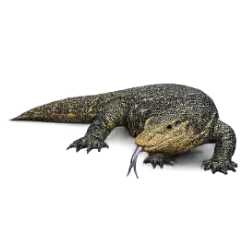
Water MonitorC
Big monitors swim the Sebung river and the drains of Tanjung Pinang and Batam.
Spotting note: Common near any water.
Read species guide Saltwater CrocodileA
Crocodiles live in the mangrove estuaries of Bintan and Batam, with sightings and occasional attacks around Barelang and the east Bintan rivers.
Spotting note: Occasional; heed warning signs at river mouths.
Read species guide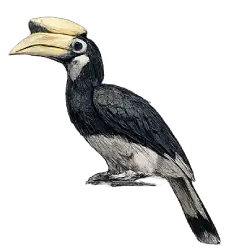
Oriental Pied HornbillC
Hornbills fly between fig trees at the Bintan Resorts forest and the Gunung Bintan foothills.
Spotting note: Uncommon; mornings around Lagoi and Gunung Bintan.
Read species guide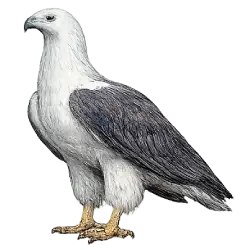
White-bellied Sea EagleB
Sea eagles nest on tall trees along the Bintan north coast and fish the Riau strait.
Spotting note: Regular on the coast and from ferries.
Read species guide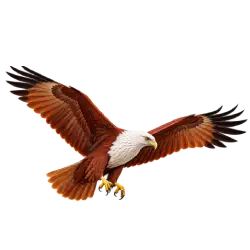
Brahminy KiteD
Kites scavenge over Batam's Nagoya waterfront and the Tanjung Pinang harbour.
Spotting note: Guaranteed.
Read species guide
Red JunglefowlD
Wild chickens scratch at the edge of Bintan's secondary forest and have been logged by AnimalDex users in Kepulauan Riau.
Spotting note: Fairly common in scrub and plantations.
Read species guide
Eurasian Tree SparrowE
The most-logged bird by users in Kepulauan Riau, nesting under the eaves of every Batam and Tanjung Pinang shophouse.
Spotting note: Guaranteed.
Read species guide
Large Flying FoxD
Fruit bats roost in the mangroves of eastern Bintan and feed in the durian orchards at night.
Spotting note: Regular at dusk in the east.
Read species guide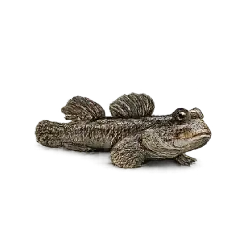
MudskipperE
Mudskippers skitter across the mud at low tide on every Bintan and Batam mangrove boardwalk.
Spotting note: Common at low tide.
Read species guide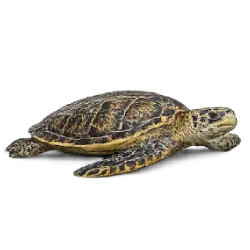
Hawksbill Sea TurtleC
Hawksbills nest on the Anambas and Natuna beaches and feed on the reefs off Bintan's north-east coast.
Spotting note: Regular in Anambas; occasional off Bintan.
Read species guide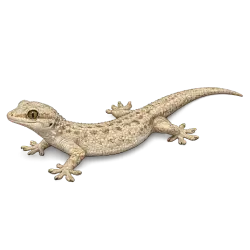
Common House GeckoE
Logged by users across the province, the gecko of every Batam hotel wall and Bintan resort lamp.
Spotting note: Guaranteed.
Read species guideBest for
Use this section to decide whether the location fits your travel style, skill level, and AnimalDex goals.
- Firefly boat trips on Bintan's Sebung river
- Mangrove kayaking for otters, monitors and kingfishers
- Easy wildlife on a weekend from Singapore
- Remote reef trips to Anambas and Natuna
Spotting tips
These tips are meant to make the page useful in the field, not just readable on the page.
- 01Book the Sebung mangrove tour for the hour after sunset on a night with little moon; the fireflies are brightest in the dry months.
- 02Go out at dawn rather than at dusk if otters are the target; they hunt the river mouths on the rising tide.
- 03Do not swim at mangrove river mouths on Bintan or Batam; crocodiles are present and signs mean it.
- 04Anambas is reached by flight or overnight ferry from Tanjung Pinang; allow a week and expect basic homestays.
Virtual Wildlife Guides
Wildlife guides to Riau Islands
AnimalDex builds virtual guides from explorers' own wild sightings: which animals they found, how rare they are, and when. A guide is advice from someone who has been there, not a tour. Buying one unlocks the author's notes for every animal, a chat with the author, and introductions to local people they met. Wildlife is never guaranteed.
Checking for virtual guides to Riau Islands...
How to choose a local wildlife guide in Riau Islands
- Ask what they usually find in the season you are visiting. A good guide gives an honest answer, not a promised sighting.
- Check how they treat animals: no baiting, calling in, handling, or close flash photography for a better shot.
- Confirm the meeting area, duration, group size, total price, and how you pay before the day, plus any permits or park fees the place requires.
Track the animals you find in Riau Islands
Build your collection while you travel through Riau Islands, from easy wins to the species worth planning around.
Related locations
Keep exploring with nearby or similar destinations that support the same kind of AnimalDex discovery.
Animals in Singapore: What You Can Spot, Learn, and Collect
A practical Singapore wildlife guide built around urban-edge nature, parks, coasts, and the kind of compact travel that can still produce a satisfying animal list.
Read location guideAnimals in Sumatra: What You Can Spot, Learn, and Collect
Sumatra wildlife guide: orangutans at Bukit Lawang, Way Kambas elephants, tigers and tapirs in Kerinci, hornbills, and the macaques and monitors you will see.
Read location guideAnimals in Bangka Belitung: What You Can Spot, Learn, and Collect
Bangka Belitung wildlife guide: Belitung's boulder beaches and reef fish, tarsiers and lutungs in the forest, mouse-deer, mangrove monitors and mudskippers.
Read location guideLocation FAQ
Short direct answers to the questions travelers usually ask before choosing a wildlife destination or zoo day.
What wildlife is there in the Riau Islands?
Kepulauan Riau has mangrove wildlife: fireflies, smooth-coated otters, water monitors, saltwater crocodiles, mudskippers and kingfishers, plus macaques, hornbills, sea eagles and kites in the forest and on the coasts. The Anambas and Natuna islands have turtles and good reefs.
What animals can be found in the Riau Islands?
Everyday animals in Batam and Tanjung Pinang are tree sparrows, kites, macaques, geckos and red junglefowl. Bintan's mangroves add fireflies, otters, monitors and flying foxes, and the estuaries hold crocodiles.
Where can you see fireflies in Bintan?
The Sebung river mangroves on Bintan's north coast, about 20 minutes from the Lagoi resorts. Tours leave after sunset by small boat and the fireflies gather in the riverside trees, best on dark, dry nights.
Are there crocodiles in Batam and Bintan?
Yes. Saltwater crocodiles live in the mangrove estuaries of both islands and are seen around Barelang on Batam and the eastern rivers of Bintan. Avoid swimming or wading at river mouths.
Have AnimalDex users found animals in Riau Islands?
Yes. AnimalDex users have publicly logged 12 captures of 11 different species in Riau Islands, including siamese fighting fish, brown rat, cockroach, common house gecko. Each one was photographed in the app at the moment of the sighting.
How do I find a wildlife guide to Riau Islands?
Check the Wildlife Guides section on this page or browse Wildlife Guides on AnimalDex. Each one is a virtual guide built from an explorer's own wild sightings around Riau Islands: the animals they found, how rare they are, and when. It is advice from someone who has been there, not a tour. If you want someone with you on the day, compare local guides on wildlife knowledge, how they treat animals, and clear pricing before you go.