

Animals in Banten: What You Can Spot, Learn, and Collect
Banten wildlife guide: Javan rhino and banteng country at Ujung Kulon, sea eagles on the Anyer coast, whistling ducks in Tangerang and bird-park hornbills.
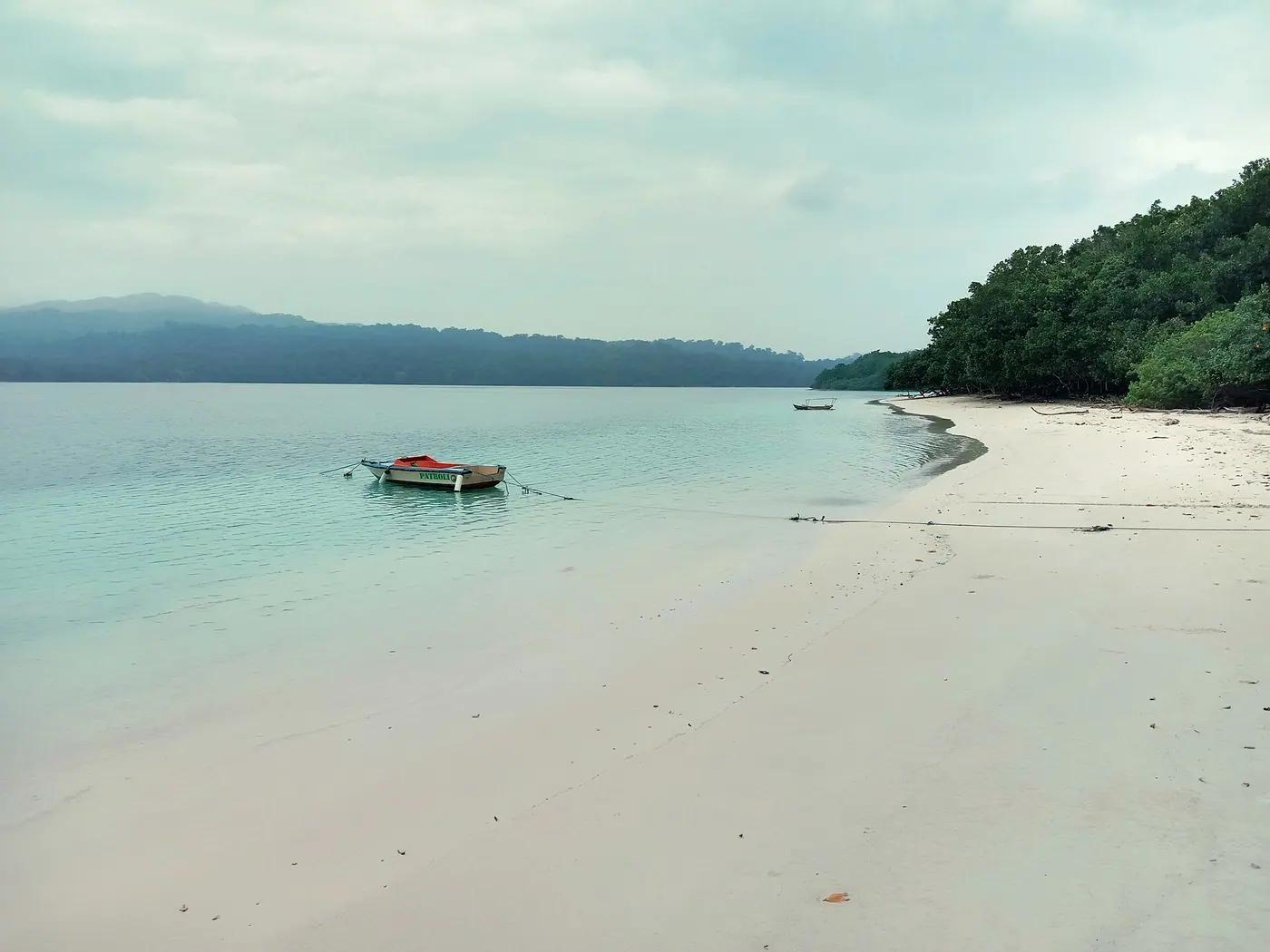
Quick answer
Start with the direct answer, then use the sections below to see why the location matters and which animals are actually realistic to spot there.
Banten runs from Jakarta's western suburbs to the last Javan rhinos. Ujung Kulon National Park on the province's south-west tip protects rhinos, banteng, silvery gibbons, green peafowl and macaques. The Anyer and Carita coast has white-bellied sea eagles and brahminy kites, Tangerang's remaining wetlands hold whistling ducks and herons, and the bird parks and aquariums of South Tangerang account for most of the captures users log here, from wreathed hornbills to walking-leaf insects.
Banten is two provinces in one. The eastern third is Greater Jakarta: Tangerang's towers, toll roads and shrinking fish ponds. The western two thirds are quiet coast and hill country ending in Ujung Kulon, the peninsula that holds the only wild Javan rhinoceros left on earth.
AnimalDex captures tell the same story. Around South Tangerang they are overwhelmingly captive: hornbills, parakeets, firebacks and insect-house leaf mimics. On the coast and in the parks they are wild: sea eagles, garden lizards, macaques and peafowl. This page covers both honestly.
Why this location matters
Good location pages explain why the place is worth your time, not just which names belong on a destination checklist.
Ujung Kulon is a UNESCO World Heritage site and the single most important place for the Javan rhinoceros. You will almost certainly not see one, but the forest, beaches and reefs around Peucang and Handeuleum are superb and the banteng and peafowl are real.
Closer to the capital, Banten's bird parks are where Jakarta families meet Indonesian hornbills for the first time. Knowing which species are endemic to Java and which are from Sulawesi or Sumatra makes those visits more useful.
Where to look
Wildlife map of Banten
This guide covers the region shown below. Zoom in to get your bearings before planning a trip.
Positions are geocoded from OpenStreetMap. Habitat access and opening times change — check locally before travelling. Smaller pins are public AnimalDex captures, placed to the nearest kilometre.
Field proof
Found in Banten by AnimalDex users
Real captures logged in the AnimalDex app inside this area and shared publicly by their collectors, with the animal confirmed by the app's identification. Places are shown to the nearest region, never the exact spot.
- 35
- public captures
- 32
- species recorded
- 7
- collectors
- 21
- wild sightings
Recent captures from the field
Species people have actually logged here
Every name links to its species guide. The count is how many public captures of that animal sit inside this area.
- Eurasian Tree Sparrow2 captures
- Sooty-headed Bulbul2 captures
- Zebra Dove2 captures
- Amazon Sailfin Catfish1 capture
- Asian Arowana1 capture
- Asian Common Toad1 capture
- Barred Eagle-Owl1 capture
- Black Ant1 capture
- Black Giant Squirrel1 capture
- Black Rat1 capture
- Black-winged Stilt1 capture
- Blue-and-yellow Macaw1 capture
- Centipede1 capture
- Central Bearded Dragon1 capture
- Cockatiel1 capture
- Cockroach1 capture
- Common Flesh Fly1 capture
- Common House Gecko1 capture
- Daddy Long-Legs Spider1 capture
- Freshwater Crayfish1 capture
- Freshwater Eel1 capture
- Giant Gourami1 capture
- Goldfish1 capture
- Great Egret1 capture
- Indian Peafowl1 capture
- Indonesian Blue-tongued Skink1 capture
- Mosquito1 capture
- Nile Tilapia1 capture
- North American Raccoon1 capture
- Oriental Garden Lizard1 capture
- Red-bellied Pacu1 capture
- Spotted Dove1 capture
Collectors choose to share these captures on Discover and can withdraw them at any time. Coordinates are rounded to about a kilometre and refreshed with each site build.
Animals to spot
These are intentionally practical species picks, balancing accessibility, excitement, and what travelers can realistically notice in the location.
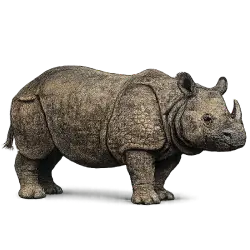
Javan RhinocerosA
Ujung Kulon holds the entire wild population of roughly 80 animals in its lowland forest and swamps.
Spotting note: Almost never seen; fresh footprints and wallows along the Cigenter river are the realistic goal.
Read species guide
BantengA
Graze the Cidaon grazing ground opposite Peucang island at dawn and dusk.
Spotting note: Reliable at Cidaon in the early morning with a ranger.
Read species guide
Silvery GibbonB
The Javan gibbon's whooping dawn chorus carries across Ujung Kulon's Gunung Honje forests.
Spotting note: Heard most mornings; seen with patience at Honje.
Read species guide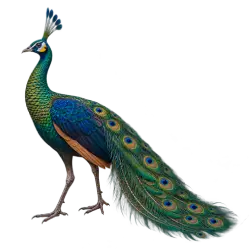
Green PeafowlC
Displays on the Cidaon and Cibunar grasslands of Ujung Kulon; also a frequent capture at the province's bird parks.
Spotting note: Common in the park's open ground; guaranteed captive.
Read species guide
Long-tailed MacaqueC
Raids campsites on Peucang island and loiters at the Carita waterfall car park.
Spotting note: Guaranteed on Peucang; common at tourist sites.
Read species guide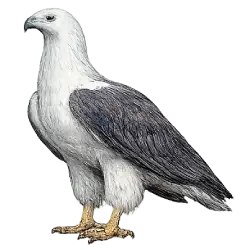
White-bellied Sea EagleB
Hunts the Anyer and Carita shoreline and the Ujung Kulon reefs on broad upswept wings; a logged wild capture here.
Spotting note: Regular along the west coast.
Read species guide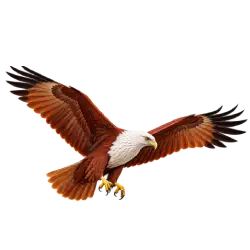
Brahminy KiteD
Works the Sunda Strait fishing harbours at Labuan and Karangantu and the fish ponds of north Tangerang.
Spotting note: Common on the coast.
Read species guide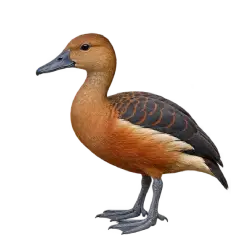
Lesser Whistling DuckD
Small flocks sit on Tangerang's remaining fish ponds and retention lakes and whistle as they fly over at dusk.
Spotting note: Regular on suburban wetlands; a confirmed user capture.
Read species guide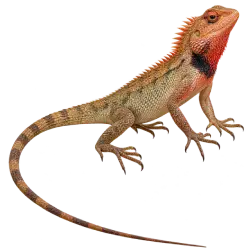
Oriental Garden LizardD
The default lizard on hedges and fences from Serpong to Serang; a real wild capture in the province.
Spotting note: Very common in gardens.
Read species guide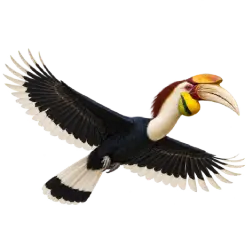
Wreathed HornbillC
The most-logged animal in Banten, thanks to the bird parks of South Tangerang where visitors photograph them at arm's length; wild pairs still cross the Ujung Kulon canopy.
Spotting note: Guaranteed captive; wild birds are a real but uncommon sight over Ujung Kulon.
Read species guide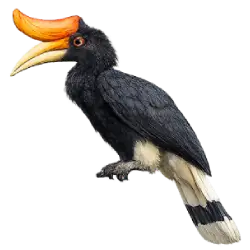
Rhinoceros HornbillB
Another bird-park staple here; the rare Javan subspecies survives in Ujung Kulon's tall forest but is seldom seen.
Spotting note: Realistic only in captivity; wild Javan birds are very rare.
Read species guide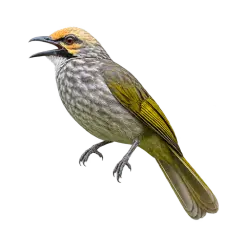
Straw-headed BulbulD
Kept and bred at South Tangerang bird parks; the wild species has been trapped almost to extinction for its song.
Spotting note: Captive only; a critically endangered songbird.
Read species guide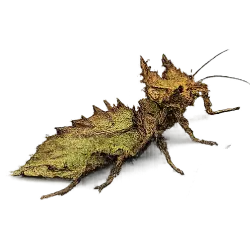
Walking LeafE
Insect houses at the province's bird and butterfly parks show these leaf mimics up close; a logged user capture.
Spotting note: Captive; look for them on the branch, not the floor.
Read species guide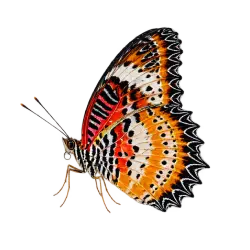
Leopard LacewingE
A common butterfly of Banten's gardens and forest edge that is also flown in the butterfly houses near Serpong.
Spotting note: Common wild on sunny days; guaranteed captive.
Read species guideBest for
Use this section to decide whether the location fits your travel style, skill level, and AnimalDex goals.
- Rhino country trekking at Ujung Kulon
- Coastal raptors along Anyer and Carita
- Wetland birds on the edge of Greater Jakarta
- Family bird-park and aquarium days in South Tangerang
Spotting tips
These tips are meant to make the page useful in the field, not just readable on the page.
- 01Ujung Kulon needs a permit from the park office in Labuan and a licensed guide; the Cidaon banteng walk from Peucang is the surest wildlife on the trip.
- 02On the Anyer coast, watch the headlands at mid-morning when the thermals start and sea eagles lift off the trees.
- 03Tangerang's whistling ducks sit on retention lakes inside new housing estates; scan them from the perimeter road at dusk.
- 04At bird parks, check the label before you log: most hornbills shown here are Sumatran, Bornean or Sulawesi species rather than Javan.
Virtual Wildlife Guides
Wildlife guides to Banten
AnimalDex builds virtual guides from explorers' own wild sightings: which animals they found, how rare they are, and when. A guide is advice from someone who has been there, not a tour. Buying one unlocks the author's notes for every animal, a chat with the author, and introductions to local people they met. Wildlife is never guaranteed.
Checking for virtual guides to Banten...
How to choose a local wildlife guide in Banten
- Ask what they usually find in the season you are visiting. A good guide gives an honest answer, not a promised sighting.
- Check how they treat animals: no baiting, calling in, handling, or close flash photography for a better shot.
- Confirm the meeting area, duration, group size, total price, and how you pay before the day, plus any permits or park fees the place requires.
Track the animals you find in Banten
Build your collection while you travel through Banten, from easy wins to the species worth planning around.
Related tier lists
These tier lists add broader context around the species that make this location interesting.
Rarest Animals in the World
A structured ranking of the rarest animals in the world, blending scarcity, vulnerability, and conservation pressure to answer the overlap between rarest and most endangered wildlife.
Read tier listRelated locations
Keep exploring with nearby or similar destinations that support the same kind of AnimalDex discovery.
Animals in Ujung Kulon: A Practical Wildlife Guide
A practical Ujung Kulon wildlife page that avoids overpromising rare flagship animals and instead focuses on realistic spotting around coasts, forests, and quieter habitat edges.
Read location guideWildlife in Jakarta: Best Animals to Spot Near the City
A structured Jakarta wildlife guide focused on realistic city and near-city animal spotting, with practical routes for urban travelers, families, and zoo visitors.
Read location guideAnimals You Can Spot in West Java
A practical West Java location guide built around realistic spotting opportunities across city edges, wetlands, coasts, and everyday green space.
Read location guideLocation FAQ
Short direct answers to the questions travelers usually ask before choosing a wildlife destination or zoo day.
What wildlife is there in Banten?
Javan rhinoceros, banteng, silvery gibbon, green peafowl and macaques in Ujung Kulon National Park; white-bellied sea eagles and brahminy kites on the west coast; whistling ducks and herons on Tangerang's wetlands; and a wide captive collection of hornbills and songbirds in South Tangerang's bird parks.
What animals can be found in Banten?
Wild captures users log here include white-bellied sea eagles, brahminy kites, lesser whistling ducks, garden lizards and green peafowl. Captive captures dominate around Tangerang: wreathed, rhinoceros and knobbed hornbills, firebacks, parakeets and leaf insects.
Can you see a Javan rhino in Ujung Kulon?
Realistically no. Fewer than a hundred survive and they avoid people. Guided treks find footprints, wallows and dung along the Cigenter river, and the banteng, peafowl and gibbons are the sightings you can plan on.
Is Banten good for wildlife with children?
Yes, if you use the South Tangerang bird parks and aquariums for guaranteed close views, then add a coastal day at Anyer for sea eagles and rock pools.
Have AnimalDex users found animals in Banten?
Yes. AnimalDex users have publicly logged 35 captures of 32 different species in Banten, including eurasian tree sparrow, sooty-headed bulbul, zebra dove, amazon sailfin catfish. Each one was photographed in the app at the moment of the sighting.
How do I find a wildlife guide to Banten?
Check the Wildlife Guides section on this page or browse Wildlife Guides on AnimalDex. Each one is a virtual guide built from an explorer's own wild sightings around Banten: the animals they found, how rare they are, and when. It is advice from someone who has been there, not a tour. If you want someone with you on the day, compare local guides on wildlife knowledge, how they treat animals, and clear pricing before you go.